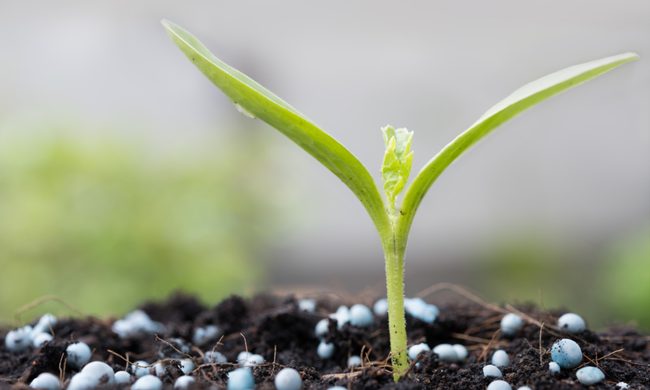
It’s become increasingly difficult to ignore the signs of climate change. As gardeners, we’re especially sensitive to the changes in weather patterns. We’re also a group of people who tend to care about our planet and are always looking for ways to give back to a home that gives us so much. So how can you do your part? Here’s our guide on climate change gardening and the best trees to select for it.
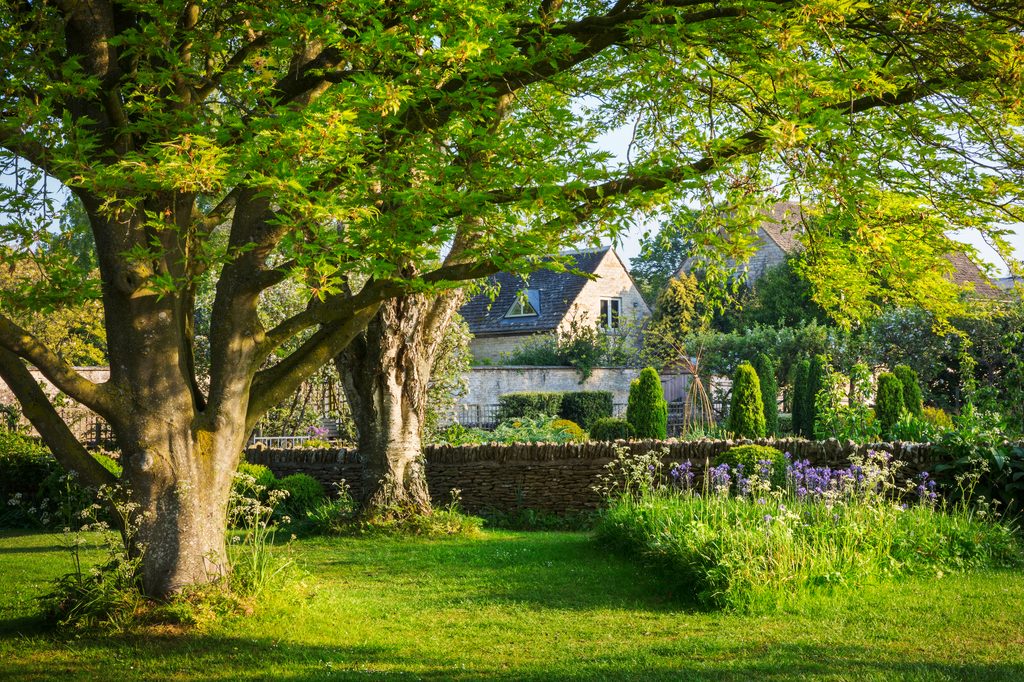
Can planting trees fight climate change?
Short answer, yes. Trees absorb carbon dioxide and store it in the soil and in their trunks. This reduces the amount of carbon in the air and, in theory, would lower the impact of humanity’s use of fossil fuels. According to NASA, we’d have to plant 900 million hectares (2.2 billion acres) of forest to reduce carbon in the air by 25 percent. This is a mind-boggling amount that might, at first, seem impossible. However, we don’t need a few people to do everything; we need everyone to do something. So while world leaders argue about the best ways to go about saving Earth, we can start doing our part by planting trees in our yards, farms, land, and businesses.
Which trees should you plant?
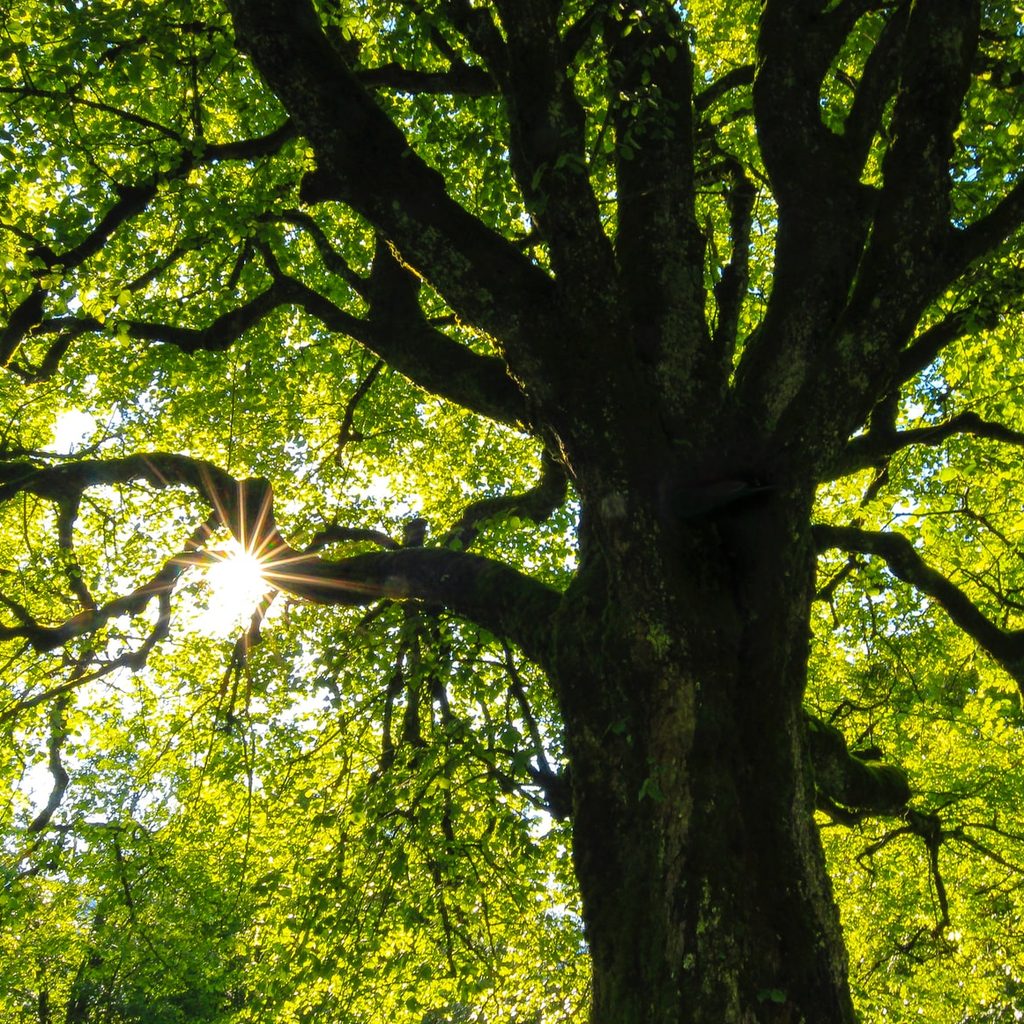
It’s not enough to plant whatever tree you think looks nice. It’s vital to the environment that we grow the right kinds of trees. Specifically, we should be planting trees that are native to our areas. These trees are hardy, disease and pest-resistant, and they’re already used to growing in our area’s conditions. This not only increases the likelihood of the tree’s survival, but it also decreases the amount of work for you!
It’s also important to plant trees at the right time of year to give them their best chance at becoming large, thriving trees. The best time to plant trees in most zones within the United States is between September and November. Additionally, if you can help it, grow a diverse range of trees, which would help reduce the risk of disease and pests.
Here are some of the best trees to plant in the United States to fight off climate change.
Black walnut
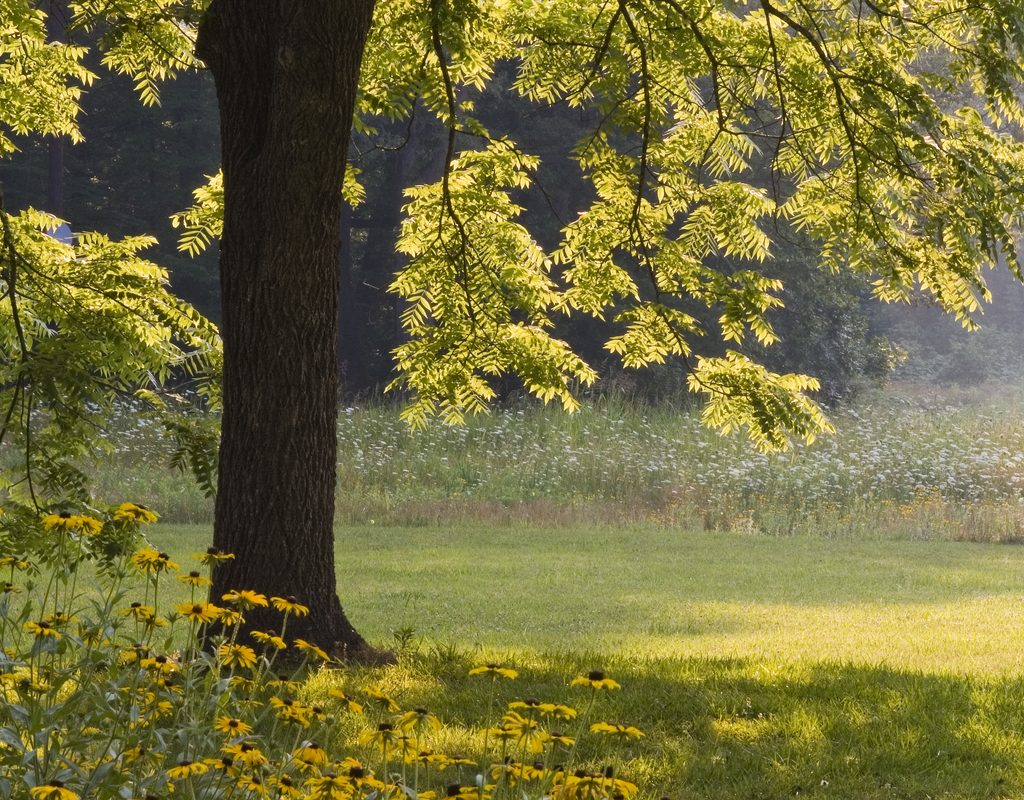
Black walnut trees can grow to between 50 and 75 feet tall, with a canopy just as wide. They can live up to 200 years, and, with such a long lifespan, they’ll absorb a lot of carbon for years to come. Black walnuts have the added benefit of being native to the U.S., particularly the central and eastern states. The walnuts they produce are delicious, great for adding to granola, baking into a pie, or sprinkling on top of ice cream.
Black walnut trees are fairly easy to grow, with the exception of a low tolerance for drought. They prefer full sun, with plenty of room to grow. They need rich soil, and plenty of it, since their roots grow quite deep. They do best in areas with good airflow and are sensitive to frost damage in their early years. Although they can be grown from seed, these trees are vulnerable to theft by squirrels, so starting from a sapling is the easier method.
American sweetgum
These trees have star-shaped leaves that turn red, purple, or yellow in the fall and hang onto the tree longer than most others. Its fruit is a spike-shaped ball that litters the ground and will quickly take over an abandoned landscape. This is ideal for those looking to plant a tree that will multiply and spread.
Douglas-fir
This is a classic American pine tree and is also the state tree of Oregon. When it’s young, it has a cone shape to its branches, but the shape becomes more like a pyramid as it matures. Its cones smell lovely for decorative baskets within the home. Douglas-firs prefer acidic soil and don’t do well in dry soil.
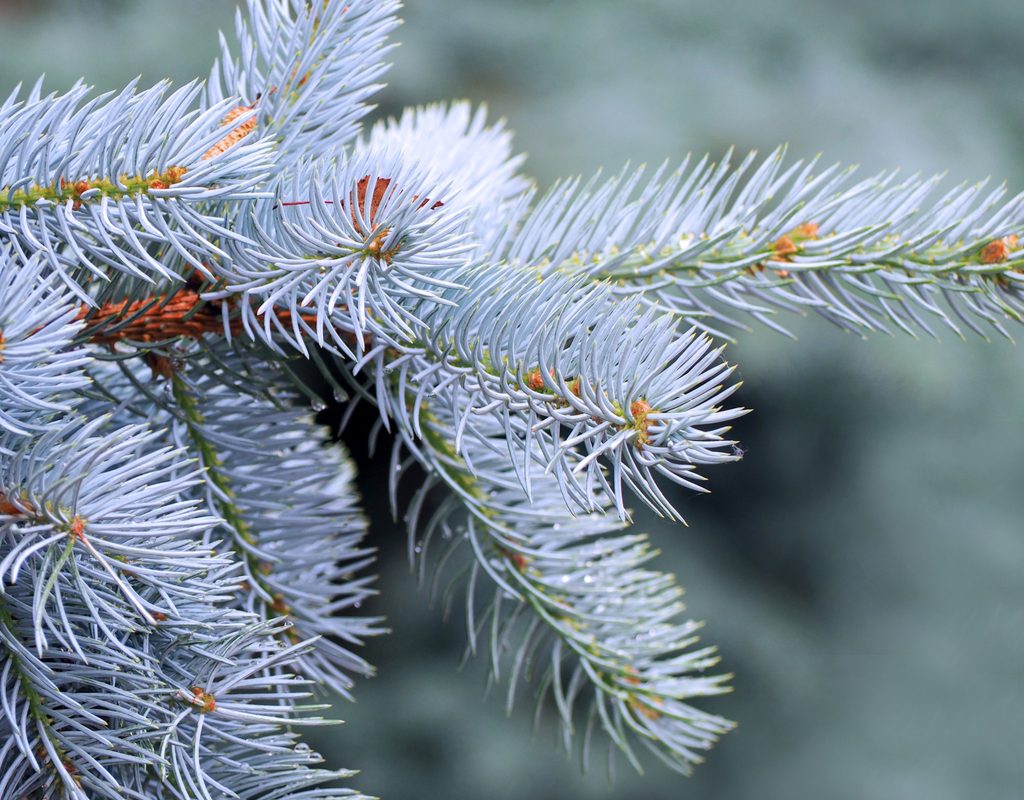
Blue spruce
Blue spruce are massive trees, most often seen in cold climates or mountains. There are several varieties of spruce, but the blue spruce specifically is native to the Colorado region. Their size makes them excellent wind breaks for pastures and fields, and they can be used as natural fences.
Blue spruces are hardy trees, which prefer full sun and moist, well-drained soil. However, the tree is mildly drought tolerant and fares well against dry wind. Dwarf blue spruces, which are considerably smaller, have similar care requirements but can be grown in smaller gardens and even containers.
Quaking aspen
Quaking aspens are a fast-growing tree with breathtaking fall foliage. The leaves turn a bright yellow in the fall for a fantastic display before dropping their leaves. Quaking aspens grow new trees by sending out shoots from their roots, allowing them to populate an area more quickly than their seed-dropping cousins.
Balsam fir
More narrow than the Douglas-fir, Balsams have dark emerald green needles that grow thickly along the tree branches. The tree can grow in several conditions, including swamps, mountainsides, and valleys, but it prefers cold weather and acidic soil.
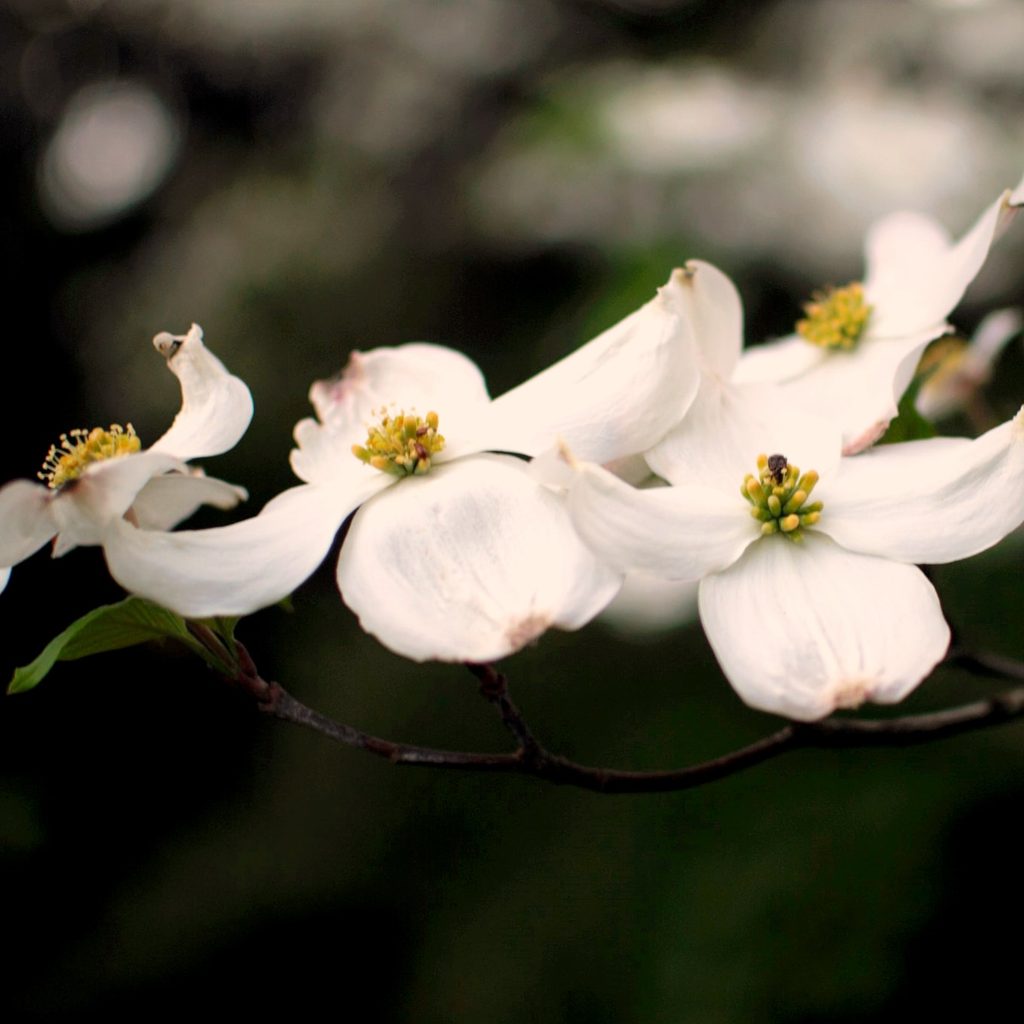
Flowering dogwood
Many homeowners choose the flowering dogwood as an ornamental tree to line down the driveway or drape majestically next to their home. The white or pink flowers of a dogwood bloom between April and May and its red berries provide an excellent food source for birds.
Tulip tree
Tulip trees, often called tulip poplars despite not being in the poplar family, are relatives of magnolias with lovely, tulip-shaped flowers. These trees can grow up to 120 feet tall, so they aren’t the best choice for urban planting or small spaces. If you have the room, though, these trees can be very rewarding. Their flowers are particularly enticing for a wide range of pollinators. Tulip trees prefer full sun, plenty of water, and moist, well-drained soil. Their roots don’t grow very far out from the tree, which can lead to a lack of available resources. In drier climates, supplemental watering can be a great help.
London plane
The London plane tree is a hybrid of sycamore trees and Asian plane trees, making it interesting and unique. London plane trees can grow to between 75 and 100 feet tall, with a slightly smaller spread. At this size, they’re a good fit for most medium-sized yards. These trees can grow in full sun or partial shade and prefer well-draining soil. They’re hardy through most of the U.S. and can tolerate a wide range of soil types and soil pHs.
Oak
Oaks are large and long-lived, storing plenty of carbon over their lives. They’re found in almost every region of the U.S. There are many different varieties of oak that are suited for different climates, so there’s an oak for you no matter where you live.
Plant your oak tree in full sun with well-draining soil. If you’re growing your tree from acorns, it’s best to start them in a pot so they can be monitored and protected from wildlife. An overnight soak for your acorns, followed by stratification for red oak acorns, is enough to prepare them for planting. If you’re starting from a sapling, be sure to place a protective cage or fence around it, since many creatures like snacking on young oaks.
Planting trees isn’t enough
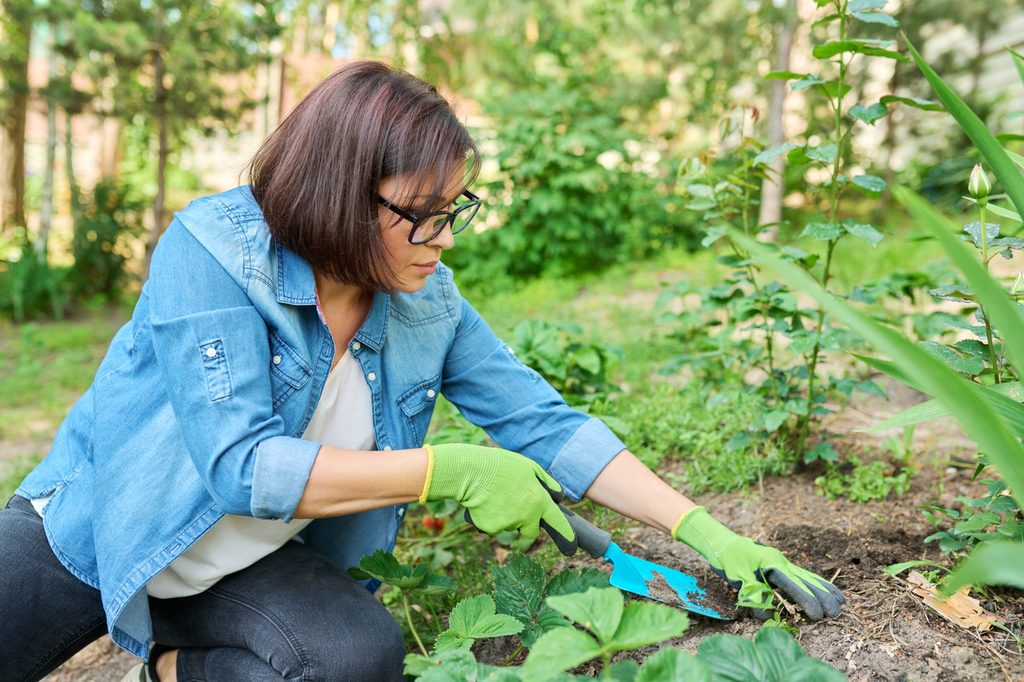
Unfortunately, the one thing scientists can agree on is that planting trees isn’t enough to fight off climate change. It’s crucial that you not only plant these beautiful trees around your home but also reduce the amount of carbon emissions you put into the air. You can also invite pollinators to your yard, feed and house birds, reduce the amount of gas you use, stop using chemicals in your landscaping, collect rainwater, compost, plant native plants, and start a victory garden.