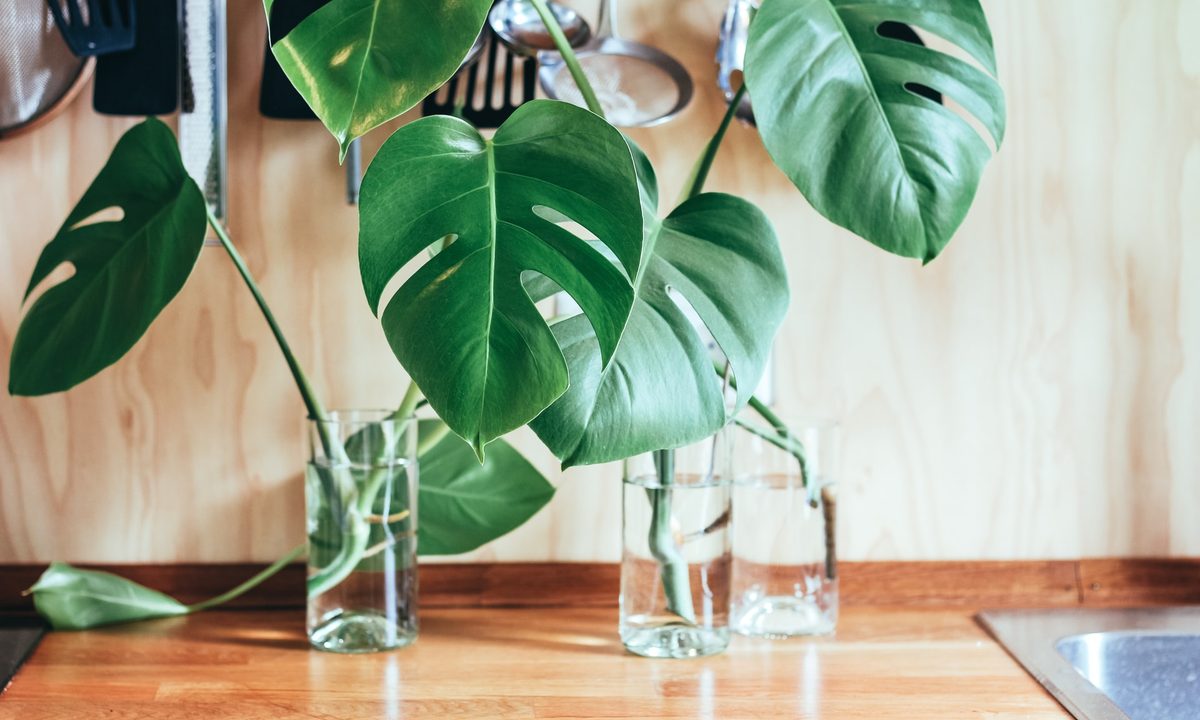
The easiest and most affordable way to expand your houseplant collection is through propagation. Propagation is the process of dividing one plant into two or more separate plants, typically through cuttings or root divisions. While propagation can feel intimidating, it’s easier than it seems — and it’s fun, too.
Propagation is a great way to spread your love of houseplants through gifts, and it can even make a fun science experiment for kids! The best advice on how to propagate is to dive right in and give it a try. We’re covering what you need to propagate, the different propagation methods, which methods you can use for which plants, and the best plants for propagation.
What propagation methods are there?
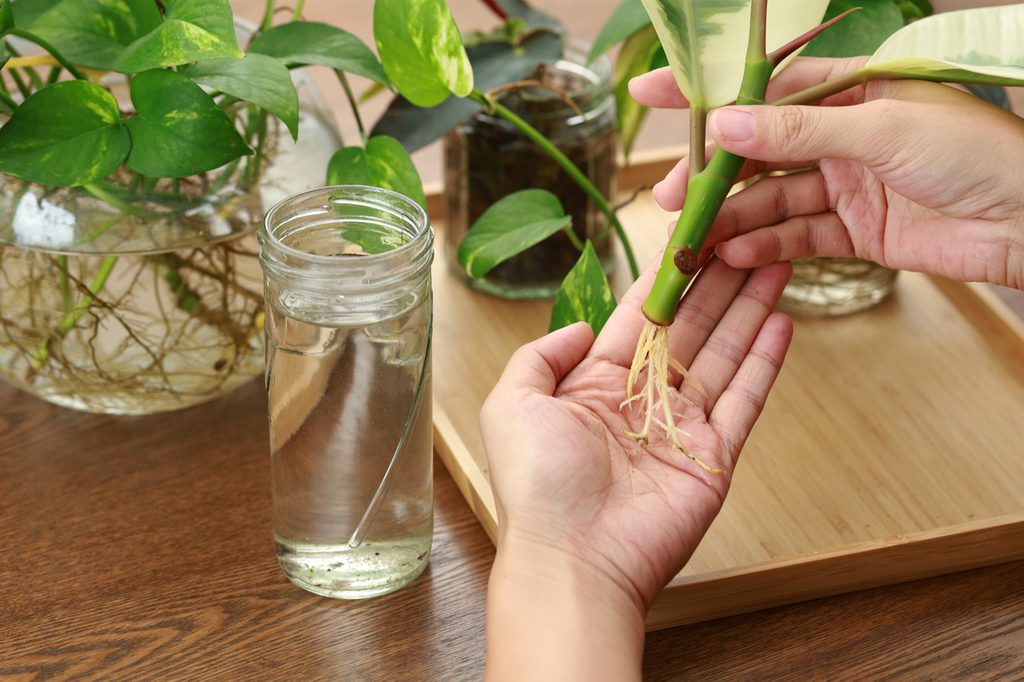
There are two basic types of propagation, which are cuttings and division. Within those types, there are two more subcategories. For cuttings, there are leaf cuttings and stem cuttings. In both cases, you’re cutting a part of the plant away from the mother plant. You can use water or soil to encourage root growth from the leaf or stem. Depending on the plant, this is an excellent option but can sometimes fail due to rot or an inviable cutting.
For division, there is rhizome or root division, and then there’s pup division. For rhizome or root division, you take the plant up from its roots and either cut or massage the plant into two separate plants at the roots. This usually requires a lot of time and can get quite messy. Pup division tends to be more manageable but can still be messy. Plants such as spider plants and snake plants shoot off baby versions of themselves. These are called pups; they are a fantastic opportunity for propagation. By removing the pup from the mother plant and potting it into its own pot, you’ve now got a viable and healthy baby plant.
Water propagation vs. soil propagation
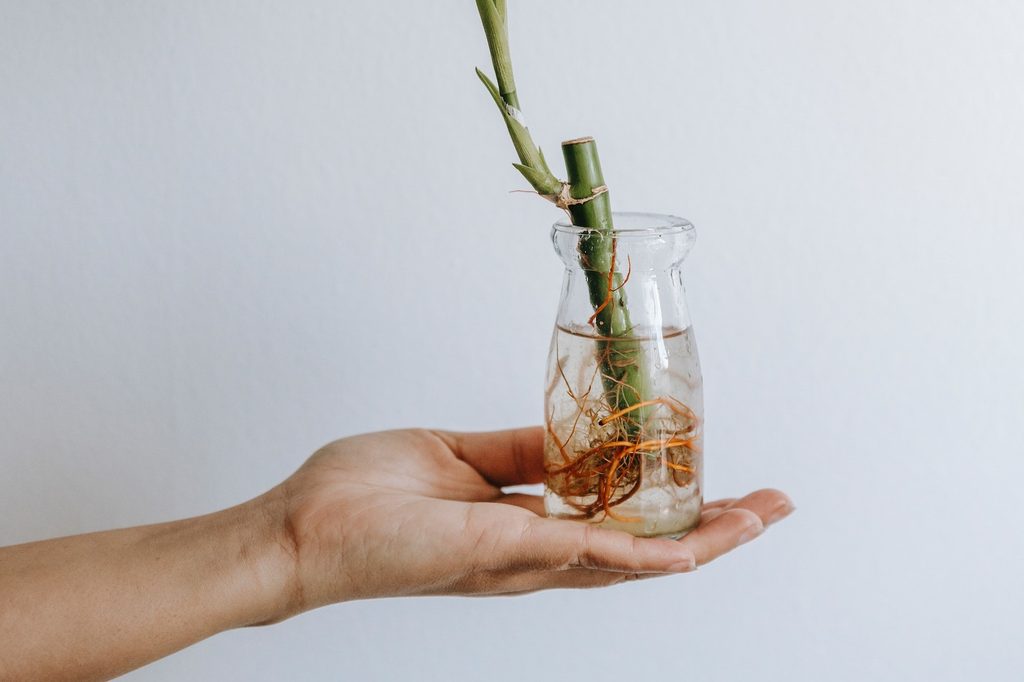
When it comes to leaf cuttings or stem cuttings, there are many ways you can go about encouraging root growth. The two most common and easy methods are with water or soil. After cutting the plant with clean shears or scissors, you can plop the stem or leaf into a dish or jar of water. There the plant will begin to shoot off roots. Once the roots are about 2 inches in length, they can then be placed in soil.
This same process can be done using soil, except you won’t have to transplant it into the soil because it will already be there. This can lower the risk of losing a plant to transplanting shock. However, it is harder to see if there is any root growth when it is in soil. Each option has its pros and cons, but both are successful in propagating plants.
How do you know which method to use?

When first starting, it can be hard to know which method is best for which plant. While we encourage you to jump in and try, below is a short list of common house plants under the type of propagation they work best in. These are not complete lists but just here to get you started on your propagation journey. You may notice some plants are on multiple lists, which means these plants are versatile and can be successfully propagated using various methods.
Best plants for propagation: By leaf/stem cuttings
- Pothos
- Tradescantia zebrina (also called inch plants)
- Umbrella plant
- African violets
- Rosemary
- Philodendron
- Prayer plant
- Snake plant
- ZZ plant
- String of pearls (or beans, dolphins, bananas, hearts)
- Syngonium
Best plants for propagation: By rhizome/root division
- Boston fern
- Peace lily
- ZZ plant
- Snake plant
Best plants for propagation: By pup division
- Spider plant
- Aloe vera plant
- Bromeliad
- Ponytail palm
- Snake plant
- ZZ plant
- Pilea peperiomioides
Are seeds a form of propagation?
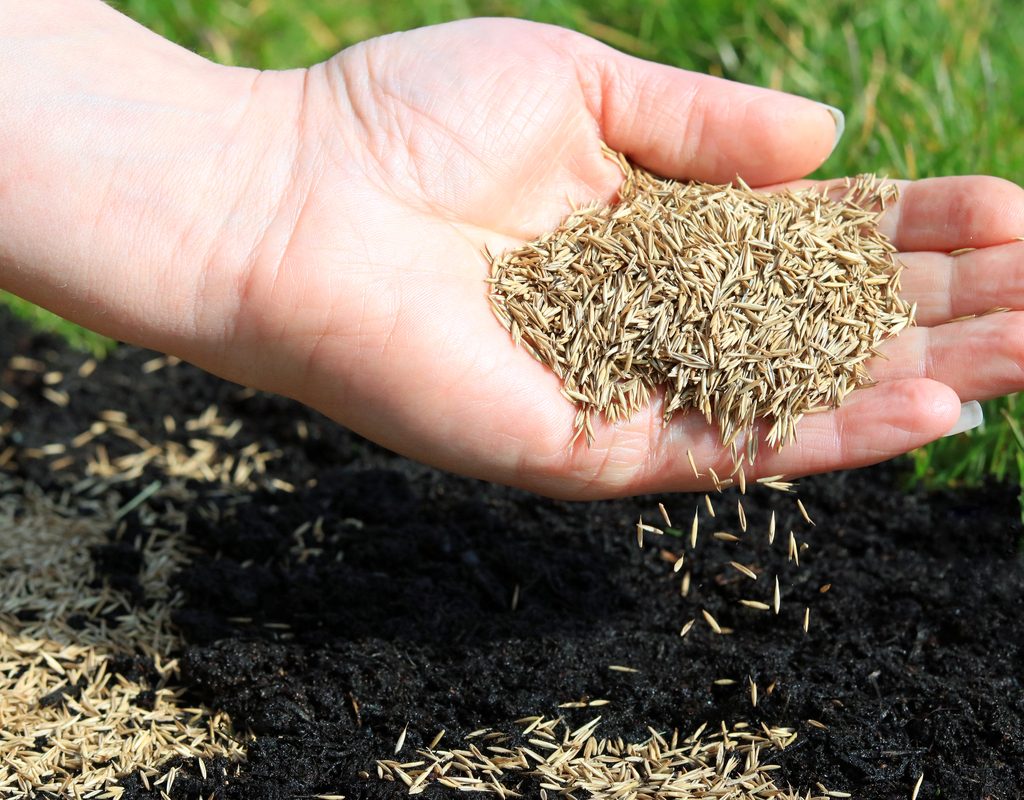
Yes, seeds are a form of propagation. While people tend to think of taking cuttings or dividing roots when talking about propagation, collecting and planting seeds also counts. Taking cuttings, dividing roots, and taking pups or plantlettes are forms of asexual propagation, meaning only one plant is needed for the propagation and the offspring plant will be genetically identical to the parent plant.
Seeds are actually a form of sexual propagation, since two plants (or at least two flowers) are needed, and the seeds may not be genetically identical to the parent plant. Both forms of propagation have their benefits and drawbacks. Asexual propagation is typically faster, but you cannot create a hybrid plant using it. Seeds are slower, but you can use them to create hybrids or plants with new qualities, such as increased disease resistance.
Propagation is a fun and exciting way to grow your house plant family. Be sure to use clean and disinfected scissors or shears before taking a cutting of any plants. Plants such as pothos and snake plants are particularly susceptible to disease, and it’s best to avoid the risk by washing and sanitizing tools after each use and between plants.
Now that you’ve got the basics of propagation, give it a try and watch these beautiful plants grow roots like magic.