If you’ve ever wondered how gardening can help the environment, consider this. Planting and maintaining a garden can lead to a net reduction in carbon emissions, preserve or improve water quality, and offer a way to conserve at-risk species. But, to gain some or all of these eco-friendly benefits, you’ll have to approach gardening in a way that emphasizes natural processes and minimizes reliance on external inputs.
Going green isn’t just good for the environment, it is a less costly way to garden and leads to plentiful yields. Gardening with nature means purchasing fewer plant care products from the garden center. Natural nutrient cycling and a diverse garden ecosystem then produce sustainable yields. Here are a few ways to get started.
Start composting
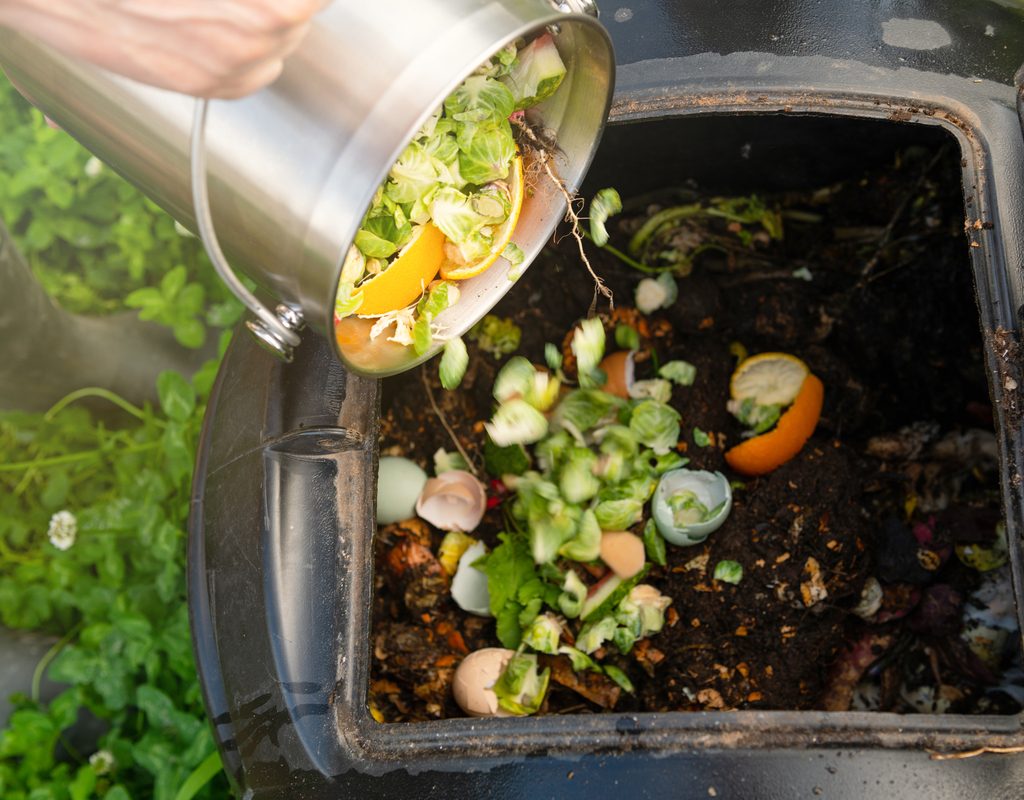
One of the most important garden-related reductions of household carbon emissions comes from composting. Vegetative waste that goes to the landfill must be trucked there, and then it gives off methane and nitrous oxide as it rots. In a proper backyard composting system, all sorts of household and landscape debris is converted to a nutrient rich soil amendment. The biogenic carbon dioxide emissions from composting are net neutral. The resulting soil amendment replaces purchased soil amendments and some of the purchased fertilizers needed to grow a healthy garden.
Grow your own food
Some lawn grass is good, but more is not necessarily better. A good solution that eliminates excess mowing, fertilization, and water consumption is to plant a vegetable garden. A well-planned and maintained vegetable garden supplies a steady stream of food and eliminates the travel and production emissions of the grocery store produce it replaces.
The greatest benefit of backyard veggie gardening comes from an overall reduction in waste sent to the landfill. To reap the environmental rewards, grow only as much as you’ll eat or share with neighbors, and be sure to compost the waste. And, keep it up. Starting a garden and then neglecting it releases more carbon than not starting one in the first place.
Water efficiently
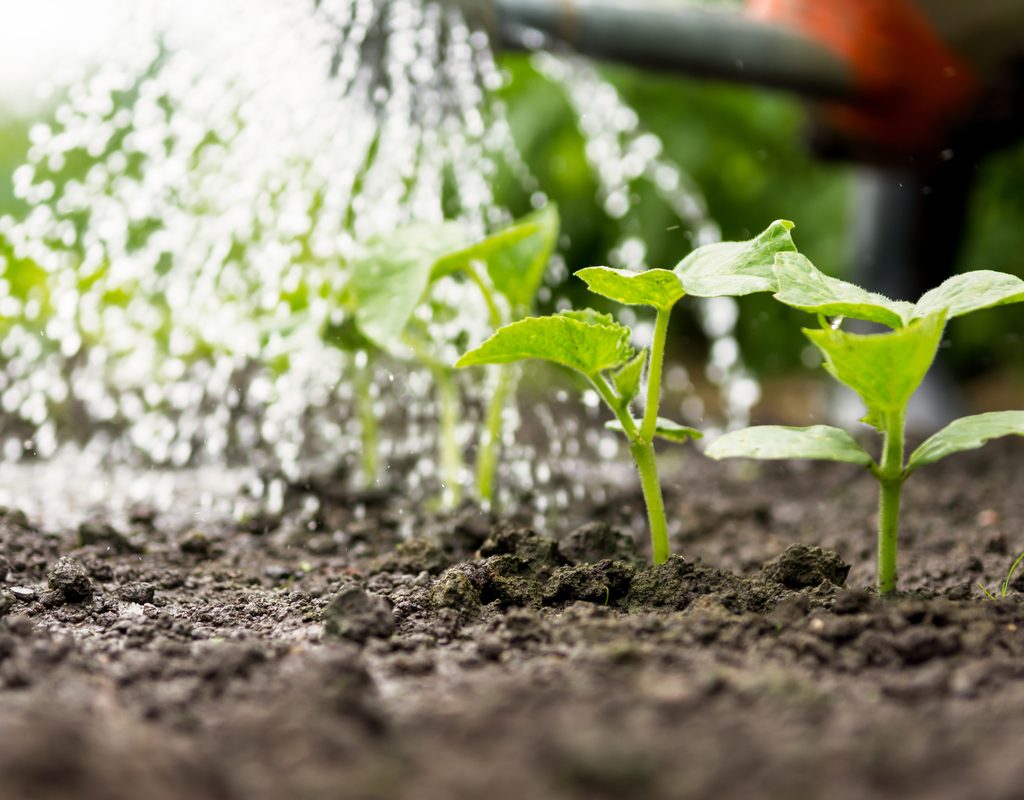
There is no way for gardeners to eliminate irrigation, but there are ways to do so wisely. Water between 5 a.m. and 10 a.m. to minimize evaporation loss. Use drip irrigation to apply water only where it is needed. Apply a three-inch layer of mulch to keep the soil surface cool and further reduce evaporative loss. These strategies can reduce water consumption by 30 percent or more. Consider using other methods to further reduce city water consumption. Instead of city water, use collected rainwater for irrigation, or divert graywater from the washing machine or bathtub.
Avoid emissions-intensive garden products
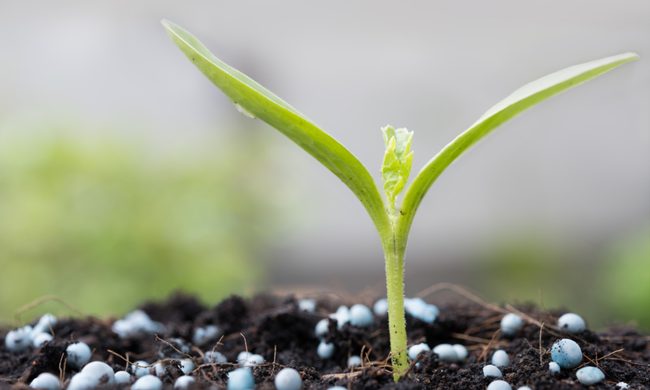
Although caring for a garden is always a great way to connect with nature, some plant care products shrink your footprint more effectively than others. Appropriate use of fertilizer helps gardeners grow abundant crops efficiently. However, fertilizer plants produce high levels of greenhouse gas emissions. Gardeners can reduce their share of these emissions by using a well-planned crop rotation and by using homemade compost.
Another popular product of which gardeners should beware is sphagnum peat moss. Peat moss is a widely used ingredient in potting soils, seed starting mixes, and other soil amendments. But, sphagnum peat moss as it exists in northern peat bogs, is a carbon sink that, when mined and processed for sale, is eliminated. It is technically renewable, but takes about 1,000 years to replenish a three-foot layer. Eco-friendly alternatives to peat moss include coconut fiber (coir), rice hulls, compost, and composted wood products.
Use recycled materials
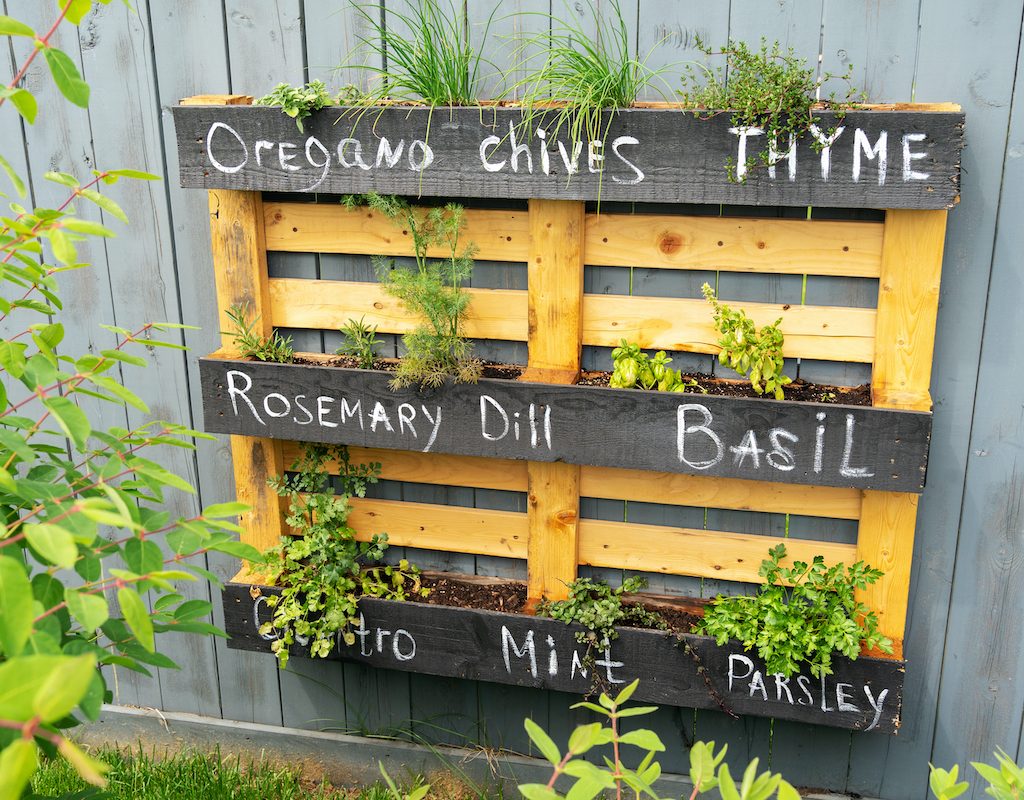
Reduce, reuse, recycle. That’s the old environmental mantra for eliminating stuff from the waste stream. Old materials that would be destined for the dump or even the recycler may find new uses in the garden. Egg cartons make great seed starter trays. Tires can become raised beds. There are endless uses for old wooden pallets, such as wall planters, fences, garden work stations, tool holders, and more.
Caring for a garden is an eco-friendly activity any way you do it. Garden plants efficiently clean the air by absorbing carbon dioxide and other air pollutants and releasing oxygen into the atmosphere. But you can take it further by adopting some of these green gardening practices. By choosing natural and environmentally friendly gardening habits, you can minimize your footprint and maximize results.