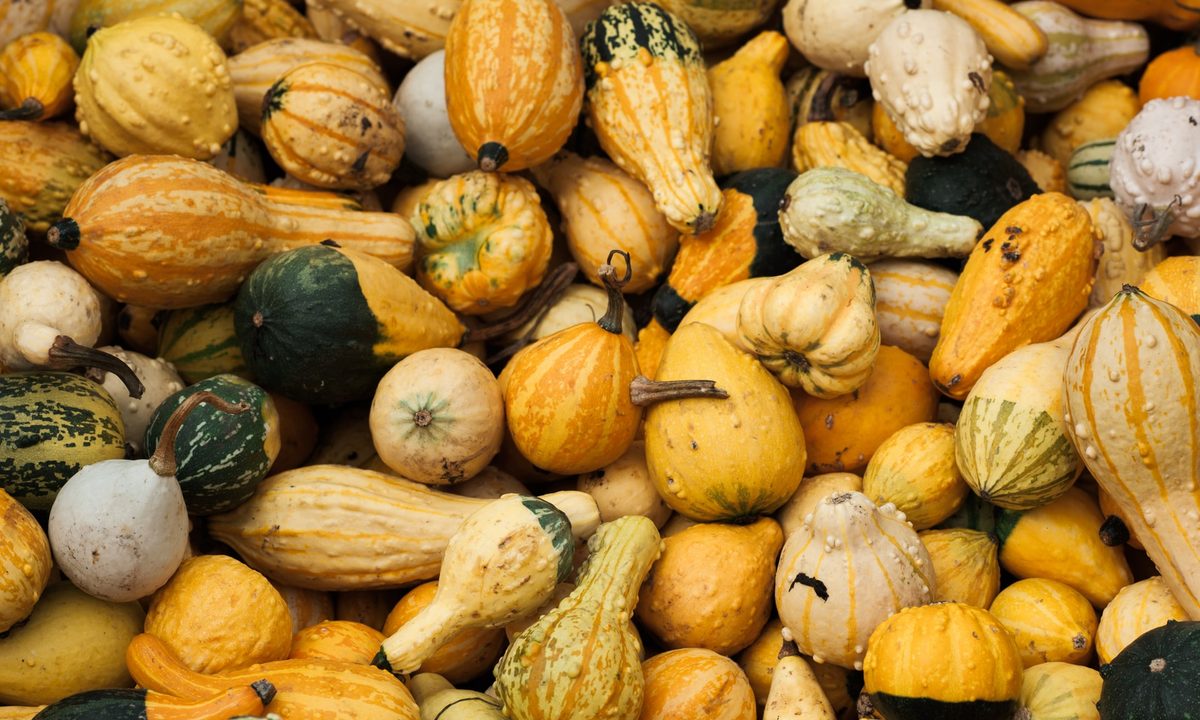
Fall is a favorite time of the year for many of us, especially for gardeners who love fall garden harvests. There are many fruits and vegetables that are harvested in the fall, and squash is no exception!
Despite coming in a wide range of sizes and shapes, most squash can be stored and eaten in the same way, so no matter what kind of squash you're growing we have helpful tips for you to figure out what to do with winter squash. It’s time to pull out your sweaters, order a pumpkin drink at the cafe, harvest your delicious squash, and get cooking.

How to tell if a winter squash is ready
Before we get into preparing these amazing veggies, let’s talk about how you’ll know when they’re ready to harvest. All the suggestions and recipes below require a ripe and ready winter squash, so you’ll want to be sure you know how to identify one. If you pick a winter squash too early, it will be tough, bitter, and unpleasant to consume.
Step 1: Check the seed packet to see how many “days to maturity” that specific variety needs.
If it’s close to that amount of days, you’re probably close to ready.
Step 2: Keep an eye on the color of your squash.
The rind of the winter squash will turn to its “mature” coloring when it’s ripe and ready. This will be different for each type, so be sure to check the seed packet or do a quick internet search.
Step 3: Tap your fingers against the squash, listening for a hollow sound.
If it sounds hollow, then it's ripe. If the sound is thick and muffled, it may need a little more time.
Step 4: Gently press your fingernail into the rind of the squash.
If the rind is soft and easily marked, then the squash is not yet ripe. If the rind is hard, then it's ready to harvest.

Cook and bake with winter squash
You’ve successfully grown some amazing winter squashes, you’ve now learned how to know when they are ready, and you’re itching to get to cook and eat these great foods. Here are some of the best ways to cook and enjoy winter squash.
Roast your winter squash by chopping them into squares and place them in the oven. You can add fresh rosemary and thyme and some salt and pepper. It makes a fantastic side to chuck roast, baked ham, or roasted chicken. You can even use it as a bed for a kale salad or a black bean bowl. Just be sure to remove the thick skin before roasting.
To stuff your squash, take one of those beautifully ripe and ready winter squashes and cut it right in half. The thick skin might make this difficult, but with a sharp knife and careful slicing, you’ll be left with two halves that you can scoop out and stuff with almost anything you want. For example, you can make stuffed squash taco bowls or Italian-inspired stuffed squash with ground beef and parmesan.
Making spaghetti squash is probably one of the most popular ways people like to use up their squash. It’s easy, and it’s a healthy alternative to pasta. All you have to do is take a ripe squash, cut it in half, scoop out the seeds, then bake it for about 30 to 45 minutes. After it’s cooled off a bit, you’ll take a fork and “shred” the inside of the squash. You’ll then have tender squash “noodles” that you can serve in place of pasta in almost any dish.
Squash soup is another popular way to enjoy winter squash. It’s somewhat sweet, but it can be delicious with some Thai sauce and freshly baked bread. If you don’t have an immersion blender, you might want to invest in one if you plan on making a lot of squash soup.
Squash can also be baked into pies. The traditional pumpkin that you see everywhere during this time of year is a type of winter squash that can be eaten in similar ways. However, some of the most popular ways to enjoy pumpkins and winter squashes are in pies, muffins, and breads. Of course, we’ve all heard of pumpkin pie, muffins, and breads, but you might not have known that you can easily substitute most winter squashes instead of the pumpkin and still end up with a tasty treat.
If you enjoy mashed sweet potato or sweet potato casserole, you’ll probably love mashed winter squash. It can be a healthy side to any winter meal, or add some brown sugar and butter for a yummy after-dinner treat.

Preserving winter squash
You can sometimes be left with too much squash after a big harvest, and even after all those yummy recipes above, you might wonder how you can preserve it to enjoy later in the year. Unfortunately, you can’t preserve squash like you can other veggies in your garden. Canning isn’t an option, but here are a few ways you can make your winter squash last longer.
You can store squash whole for up to three months. If you want your squash to last longer, though, you'll need to freeze or dehydrate it. Dehydrating is easy, simply cut your squash and add it to your food dehydrator. Freezing is a little more complicated. Here's what to do:
Step 1: Cut your squash into chunks, chips, or strips.
Shape and size don't need to follow an exact rule, but they should be roughly the same size to ensure even cooking.
Step 2: Steam, boil, or bake the squash until they are soft.
Step 3: Blend the cooked squash into a puree and pour it into a sealable bag or container.
Step 4: Add the puree to your freezer.
You can thaw the puree to use, or add frozen puree to smoothies for a cool and refreshing drink.
After you’ve taken your Instagram-worthy photos of your beautiful fall harvest, try out some of these fantastic ways to cook, bake, mash, stuff, soup, spaghetti, and preserve these awesome veggies.