Organic gardening is something that seems more complicated than it is. If you want to start gardening organically but aren’t sure how, here are some easy and effective tips to get you started:
- Pay attention to what’s in your soil
- When picking seedlings from a nursery, only take the healthiest ones
- Choose heritage or heirloom varieties
- Diversify your garden
- Use a variety of organic pest-control methods
- Garden away from the ground
What’s in your soil?
Good soil is the foundation for a quality garden. Testing your soil to see what nutrients it has and doesn’t have is a good first step. You can replenish nutrient-deficient soil with compost or cover crops, depending on the nutrient. This is important for any garden, but especially organic ones. Knowing what nutrients your soil lacks means you can prepare for your plants by making compost rich with that nutrient.
Picking your plants
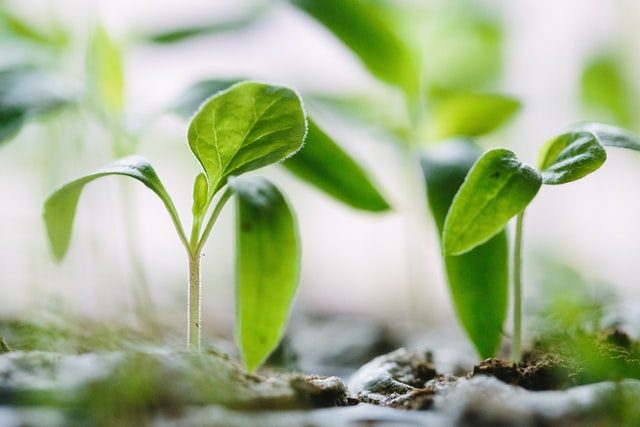
It may seem common sense to only get healthy plants, but in case you don’t know, here’s what to look for. Avoid plants that are yellowing and plants with damaged leaves, as these are signs of overwatering and pests. Plants that are leggy haven’t gotten enough sun and are weaker, making them more likely to die. Look for plants with good color and thick leaves.
Heritage and heirloom varieties may not have some of the built-in defenses that hybrid and GMO varieties do, but they have more pronounced flavors, better nutrition, typically thinner skins, and help maintain genetic diversity. You can garden organically with any plant, but heirloom varieties are more in line with the spirit of it.
Keeping critters out
Diversifying your garden keeps pests at bay because there isn’t enough of one particular food source. Any pest that specializes in a specific plant will move on and seek other gardens without you having to do much of anything. It also helps with soil quality!
For pests that don’t move on quickly, stock up on organic pesticides such as neem oil and pyrethrin. These are made from plants, so they are both organic and effective.
Getting your plants off the ground with trellises, raised beds, vertical gardens, or hanging baskets helps keep pests from getting to them. It also increases air flow, which means less disease and a greater yield!
Is organic gardening better?
One of the benefits of organic gardening is its impact on the planet: it is so much better for the environment. Whether or not it’s better for you is a toss-up. You likely won’t see any significant improvement in your health between organic and nonorganic gardening. Gardening organically may improve your mental health slightly, since doing something good for the environment can improve your general mood. It can also be better in the sense that some chemicals are harmful to touch, and if you aren’t using them in your garden then you won’t be in contact with them.
How can I make organic soil at home?
There are a ton of recipes for organic soil, but what they all boil down to is this: Add organic material into your soil. The easiest way to do this is to make your own compost at home and work several inches of it into the topsoil of your garden. Some recipes recommend adding peat moss into your soil. Peat moss helps keep your soil from becoming too compacted while also holding onto water for longer. If you live somewhere with a dry climate, you may want to add peat moss.
What does it mean to garden organically?
Organic gardening means growing plants without chemical additives. That means no chemical fertilizers and no chemical pesticides or insecticides. Yes, technically everything is made of chemicals, but organic gardening uses only naturally occurring chemicals.
The only way to be certain that something is organic is to grow it or make it yourself. The FDA doesn’t regulate the word organic, meaning that just about anyone can put the word organic on just about anything. So, in one way, to garden organically means to grow it yourself.
Are organically grown vegetables healthier?
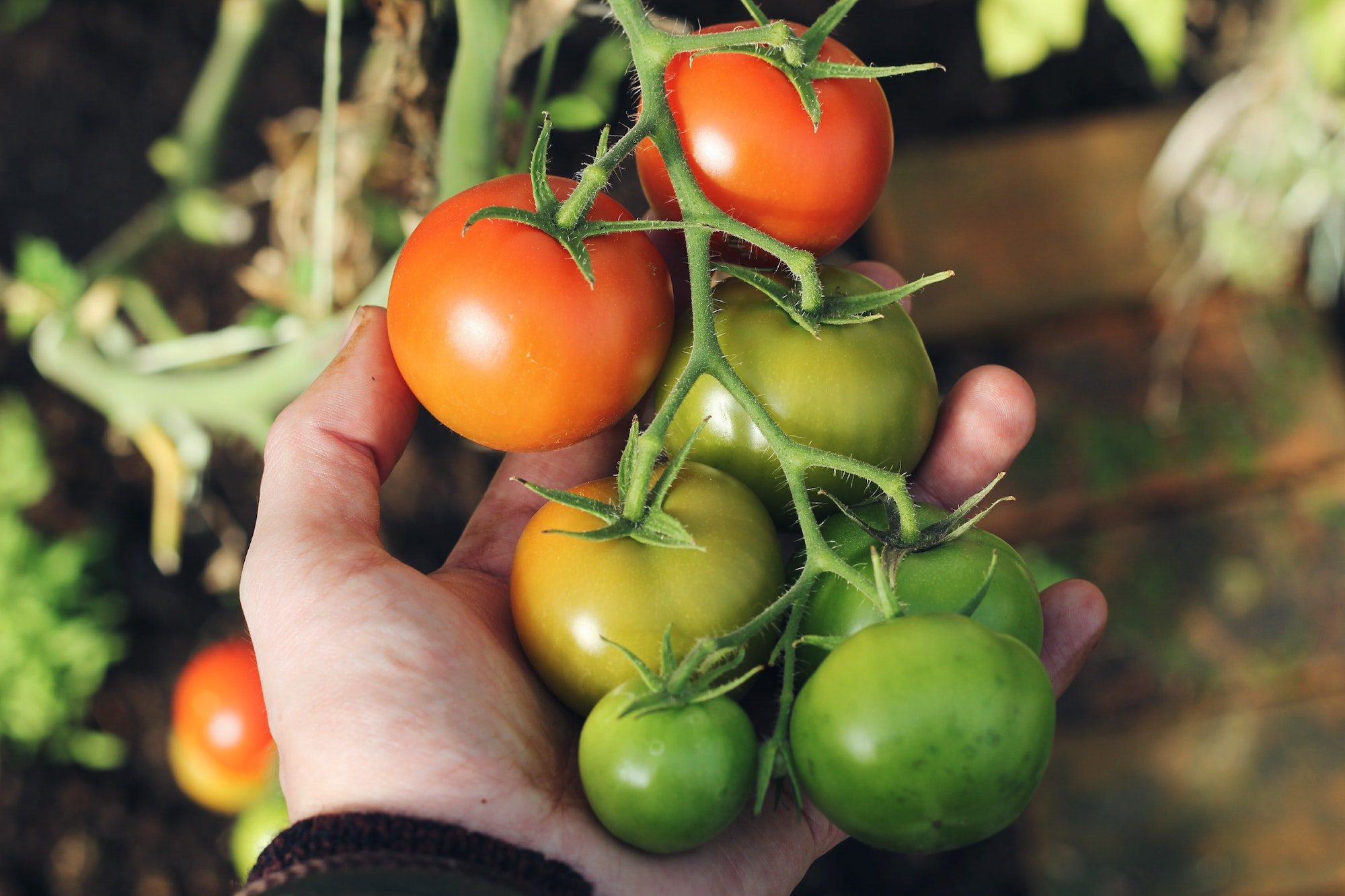
No, organically grown foods aren’t any healthier than nonorganically grown foods. The benefits of organic gardening go entirely to the environment. The nutritional value of a plant really depends more on the variety of plant than on the growing conditions.
Now you’re ready to start your organic garden. What you grow and how you grow it is up to you, but following these tips can certainly make things easier. Whether you’re growing flowers, fruits, or vegetables, organically or nonorganically, enjoying your garden is the important thing.