Growing your own food can be a daunting endeavor, especially if you’re attempting to grow vegetables inside. With that said, beginning an indoor herb garden can be a straightforward and rewarding project with planning and patience. Here’s everything you need to know about how to start an herb garden indoors.
Why grow herbs indoors
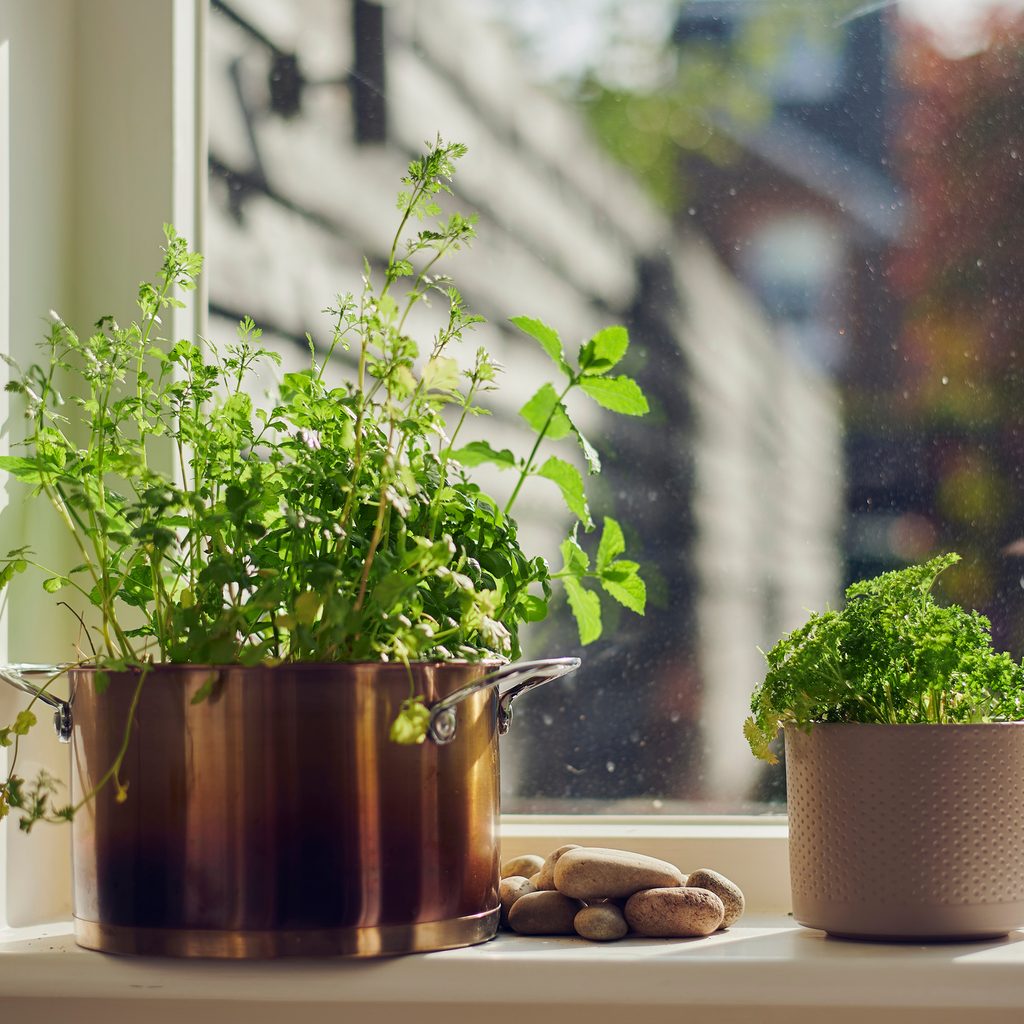
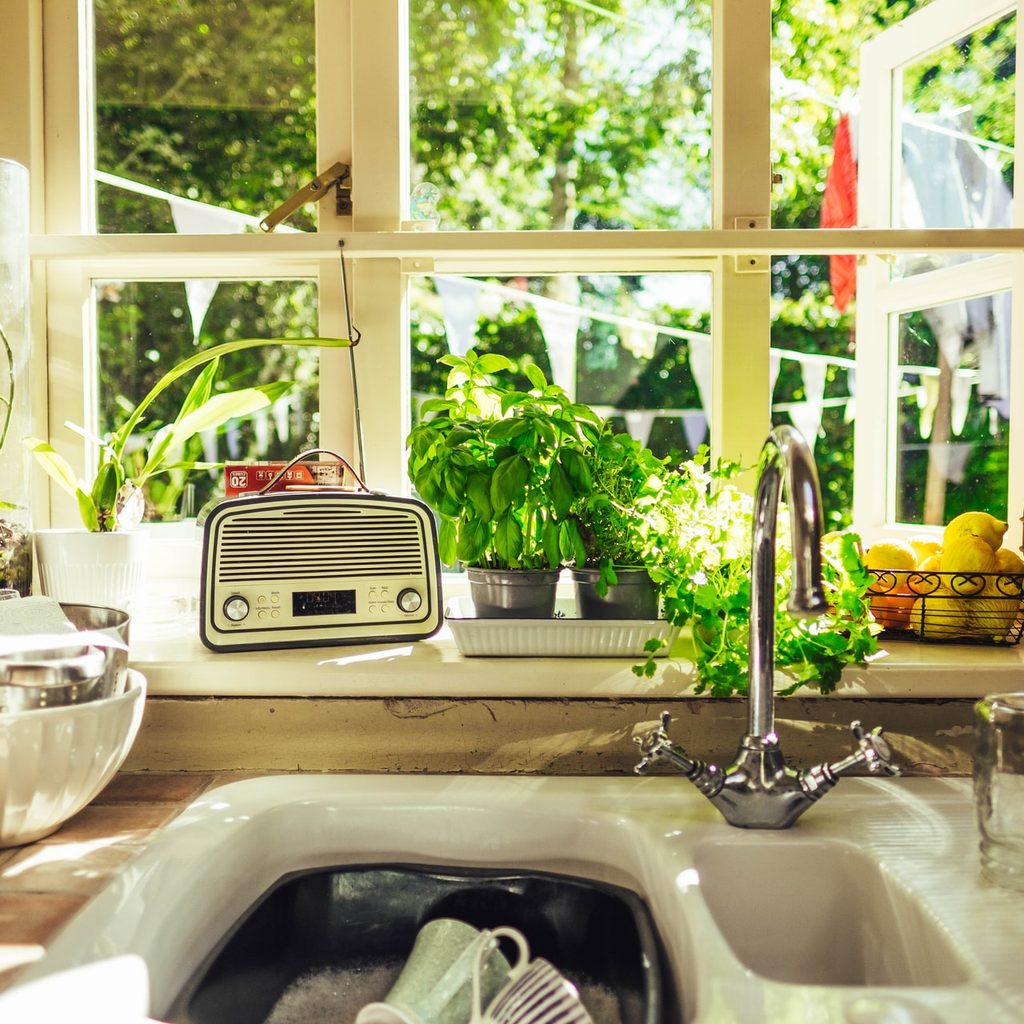
If you lack outdoor space to grow edible plants, you’ll be pleased to know that you can grow herbs indoors year-round. Herbs don’t require much space or maintenance to grow, so you can keep them in containers right in your home. Leaving them in your kitchen is ideal, as you can cut your herbs to use immediately while you’re cooking. Some people even install a wall-hanging herb garden to spruce up their interior design.
What are the easiest herbs to grow indoors?
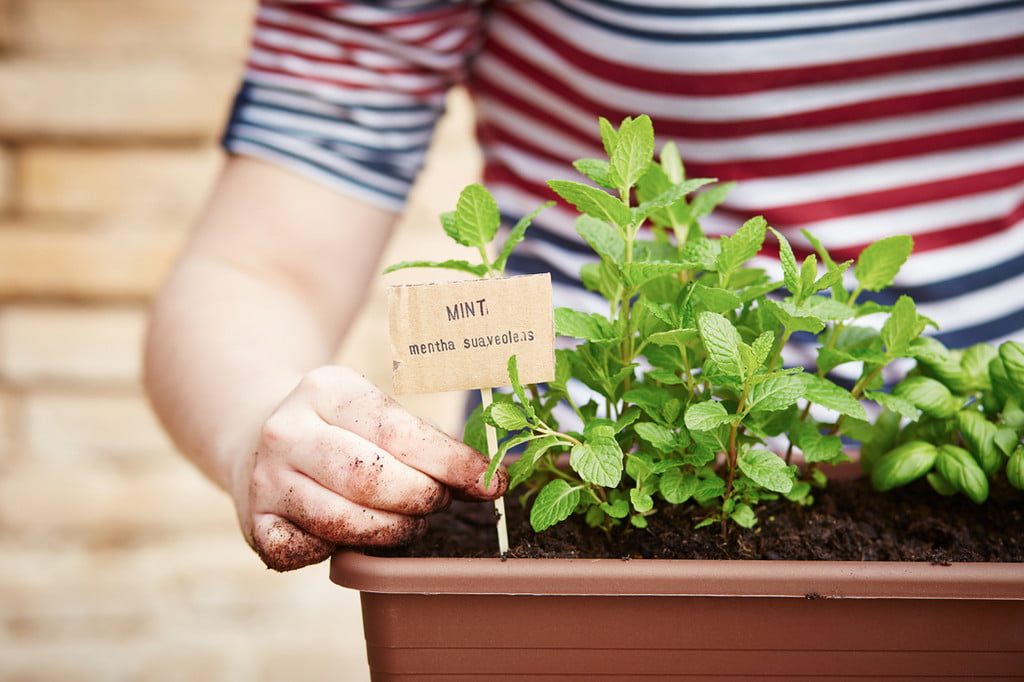
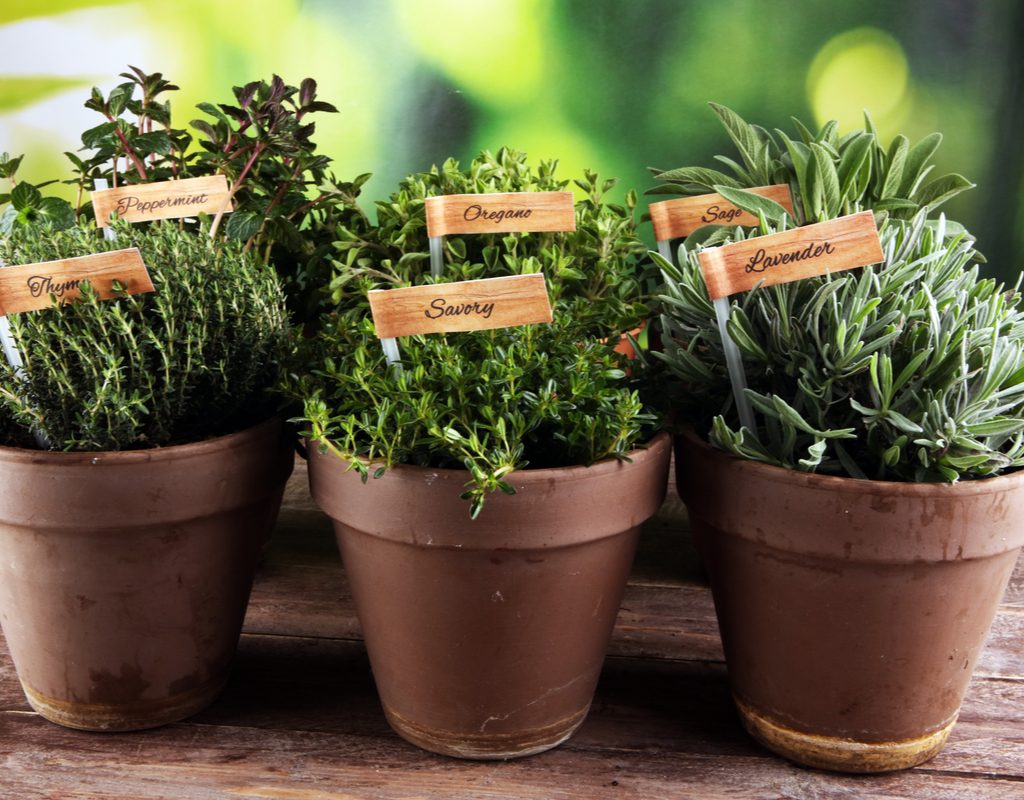
Before you start planting anything, consider what you want to grow. Most herbs are relatively easy to maintain, but there are quite a few that are beginner-friendly choices and easy to start inside the comforts of your kitchen. Some simple herbs for beginner gardeners are basil, parsley, peppermint, mint, thyme, cilantro, and lemon balm.
When should I start my indoor herb garden?
You can start your indoor herb garden any time of year, especially if you have your home at a consistent room temperature throughout the seasons. For extra light and warmth to work with, begin your indoor herb garden when the days are longer around spring and summer.
If you plan to bring your indoor herb garden outside, start your herbs about six to eight weeks before the last frost. Avoid transplanting your plants outdoors until your soil temperature is around the 50s or 60s at nighttime.
How do you start an indoor herb garden for beginners?
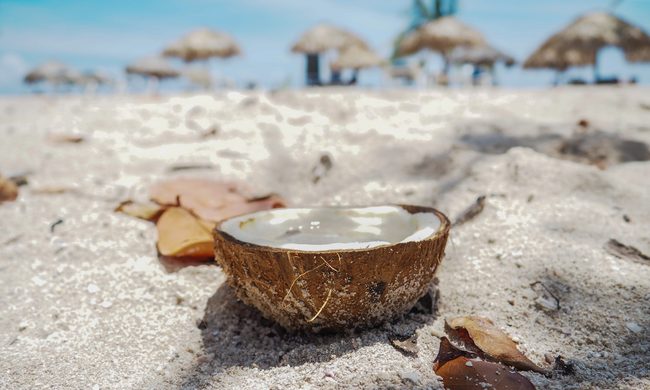
You can start your indoor herb garden with seeds, cuttings, or seedlings. To begin from seeds, sow your seeds on a sterile potting medium (such as peat or coconut coir). You can place your seeds in peat pots, but a toilet paper tube or a plastic cup with drainage holes may work, too.
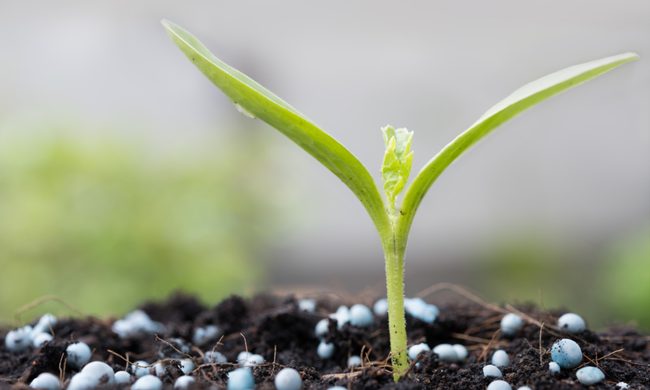
While not strictly necessary, peat pots are handy if you plan on transplanting your seedlings into the garden — they break down over time, so you can pop them in the ground without worrying about root constraint. It should take about 7 to 10 days for your seeds to start germination, the process in which a plant begins sprouting from seed as it takes up water, light, and oxygen.
If you plan on growing your herbs from cuttings, remove a few lower leaves from a viable sprig and place the exposed nodes in water or soil. A few weeks later, roots should start to form. Another helpful but not strictly necessary addition is rooting hormone, which you can rub onto the nodes to expedite root growth.
Of course, you can fast-track the growing process altogether by buying rooted seedlings at a nursery. What’s crucial here is to find healthy plants to start your herb garden — look for any pests, such as aphids and mealybugs. With store-bought plants, repot your herbs as soon as possible; these plants tend to be packed into nursery pots. Their roots need breathing room to uptake water and nutrients, so repotting them in a proper-sized planter is a must.
How to maintain an indoor herb garden
After getting past the initial hurdle of starting your plants, tend to their needs by giving them the conditions they need to thrive. Indoor room temperature isn’t usually a problem for herbs, but you want to keep them away from drafty windows, air conditioners, and heaters. The main factors that you want to keep an eye on are lighting, watering, fertilizing, and pruning.
Lighting
To get the most light possible, a south-facing window is the ideal location, especially for herbs that prefer full sun (such as basil and rosemary). An east-facing window still receives about 6 hours of light a day, but it’s more suited for herbs that prefer partial shade and cooler temperatures (such as mint). Consider supplementing natural light in low-light homes with grow lights for 12 to 16 hours a day.
Watering
With indoor plants, your soil may not dry out as fast from reduced sunlight and wind, so you want to water your plants deeply but sparingly. Wait until the first inch or two of your soil is dry before watering.
Fertilizing
Your indoor herbs need a bit of plant food in order to thrive. Herbs can’t get minerals from rain and soil indoors, so you want to give them plant food. A balanced liquid fertilizer should suffice — you can even get an organic fertilizer. Apply fertilizer at half strength to your plants once or twice a month, then cut back on fertilizer during the winter.
Pruning
Because herbs grow quickly, you want to cut them back to avoid legginess. Cut no more than a third of your plants at a time. With careful trimming, you can enjoy a bountiful harvest of herbs while encouraging your plants to grow back fuller.
Whether you begin one from seeds or ready-to-go nursery seedlings, an indoor herb garden is a feasible plant project for most homes. As long as you don’t overwater your herbs and you give them enough light, they should remain relatively happy and productive all year long. A few weeks after you start your indoor garden, you’ll be able to enjoy fresh herbs to spice up your recipes.