
With an increased interest in gardening, there’s naturally an increased interest in hydroponics. Luckily for gardeners, there are many different ways to set up hydroponic systems, so it’s easy to find one that suits your needs. Read on to discover what you need to know about Nutrient Film Technique (NFT) and how it might transform the way you garden.
What is NFT hydroponics?
Hydroponic Nutrient Film Technique is very similar to Ebb and Flow; however, NFT is a constantly flowing system where Ebb and Flow uses a flood and drain method to supply the plants with nutrients. It’s a less popular option for hydroponics beginners due to its complex setup. However, once you establish an NFT system, adding more channels is easy without adding too much work to your care routine.
The “film” part of NFT refers to the thin layer of water washed over the plant’s roots. It’s configured this way to ensure the plants’ roots have access to plenty of water but don’t drown in the constant flow of water.
To set up an NFT system, you need a reservoir to hold the nutrient-filled water. This can be a plastic tub or a five-gallon bucket you pick up from your favorite big-box store. Next, you’ll need to add a water oxygenator, also known as an air stone, to the reservoir. Depending on the size of your system, you might need more than one air stone.
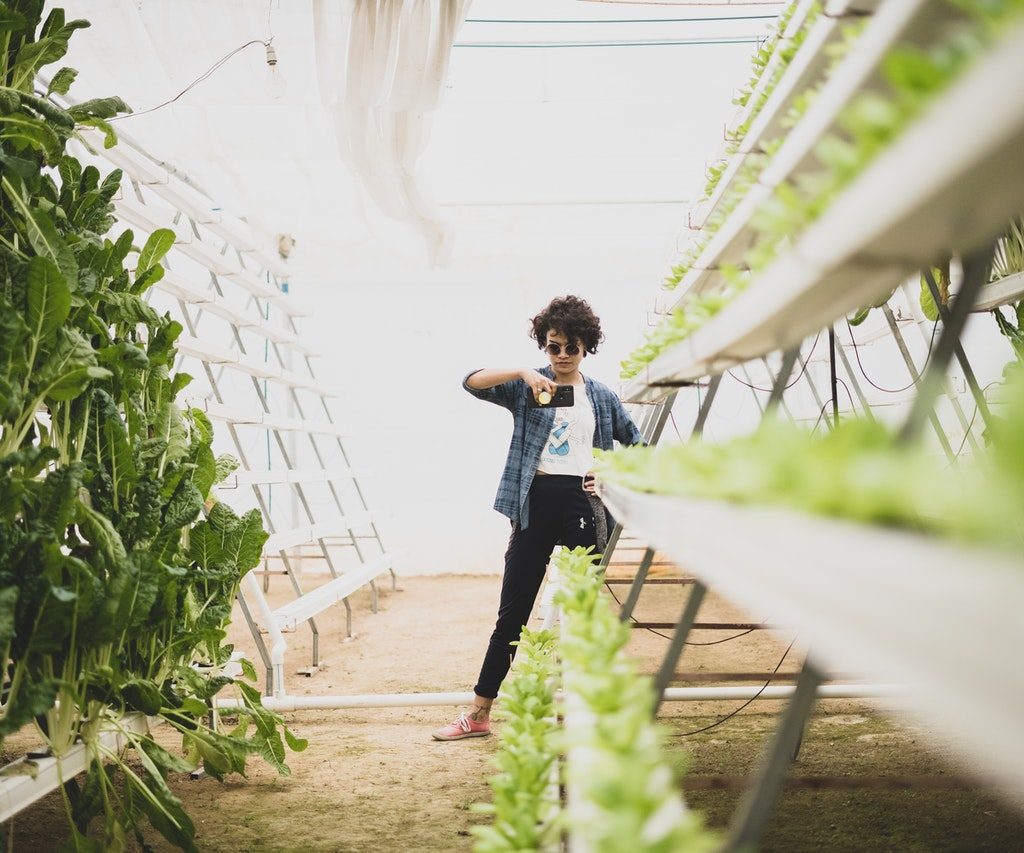
A water pump is then installed to carry the water from the reservoir up to the channel. The channel, which can be a PVC pipe or even a gutter, is where the plants will hang from their net pots. It’s helpful to have a timer to turn the pump on and off. Now you’re ready to hang the plants so their roots reach down into the channel and turn on the pump.
What are the benefits?
Because it’s a modular design, an NFT system can easily be sized up when you’re ready to take on more. Plus, adding more channels doesn’t mean more work in your everyday care routine. It’s also a water-saving system when compared to conventional gardening in soil. NFT systems are cleaner since they don’t use a medium to grow the plants, and it’s simple to check on root health or disinfect roots that might need attention.
What are possible complications?
As with any system, NFT also has some drawbacks, including the risk of clogging the channel. Since the roots of plants hang down in the channel, they can get tangled and prevent water from flowing through the system. If not discovered, this will be detrimental to all the plants within that channel.
Another risk is a failing pump. Whether from a power outage or a mechanical failure, a pump that isn’t working could kill a crop within hours if it’s not detected quickly.
Lastly, if you’re looking for a growing solution for plants such as tomatoes, cucumbers, or any other fruit-bearing plant, this system might not work for you. Setting up an NFT system to support heavier loads is time consuming and labor intensive, and it still might not work. The roots are hanging into the channel without any support from a medium and will likely fall over if a heavy tomato begins to form.
Things to keep in mind
While setting up your NFT system, consider the best slope ratio for the channel. It’s recommended that the channel be sloped at a 1 to 30 or 1 to 40. This is ideal for allowing the water to flow, but anything less risks the channel getting clogged. Anything more might mean the plants don’t have enough time to soak up the nutrients before they move on down the channel.
The ideal channel length is shorter than other hydroponic systems. The longer the channel, the less nutrients the plants at the end will receive. This could result in smaller and less productive plants. It’s best to have more short channels than fewer extended channels. Similarly, don’t overfill a channel with too many plants. An overfilled channel will get clogged more often and might end with plants at the end not getting enough food.
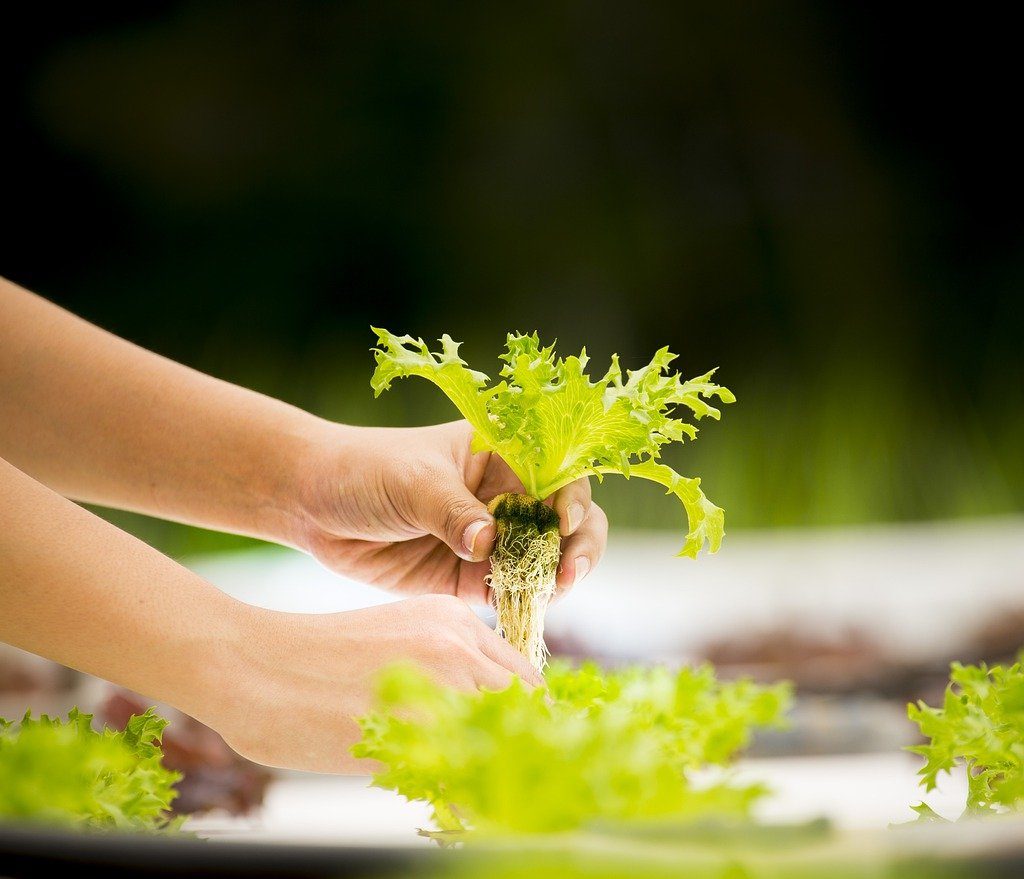
The roots of your plants are more exposed in an NFT system than in other systems, so it’s vital to control their environment. Elements such as air temperature and airflow could be deadly to the plants if not kept in check. Additionally, keep light out of the channel. This will reduce the risk of algae growing and makes it easier to keep them clean.
Plants that thrive in NFT
As mentioned before, plants with heavy fruits won’t perform well in an NFT system without extensive support. Plants such as lettuce, spinach, kale, basil, and parsley are excellent choices, though.
Hydroponics can feel intimidating, and Nutrient Film Technique is one of the harder systems to try. Don’t let this deter you from giving it a shot! You never know what system might work best for you — and you might even find this one is your favorite!