Growing plants without soil? Isn’t that like breathing without air? Hydroponic gardening has been around since the hanging Gardens of Babylon and the Floating Gardens of China, but scientists didn’t start studying it until around the 1950s. That was when the first explosion of interest in this method began. With more people becoming interested in growing their own food, the idea of starting a hydroponic garden is becoming explosively popular once again.
Do hydroponic plants grow faster?
The short answer is yes. With hydroponics, you’re giving your plants everything they need while providing the perfect conditions for them to use it. No cloudy days or surprise frosts to impede the growth of your plants! It is 30-50 percent faster than soil growing, and you get more yield out of each plant.
Why do they grow faster?
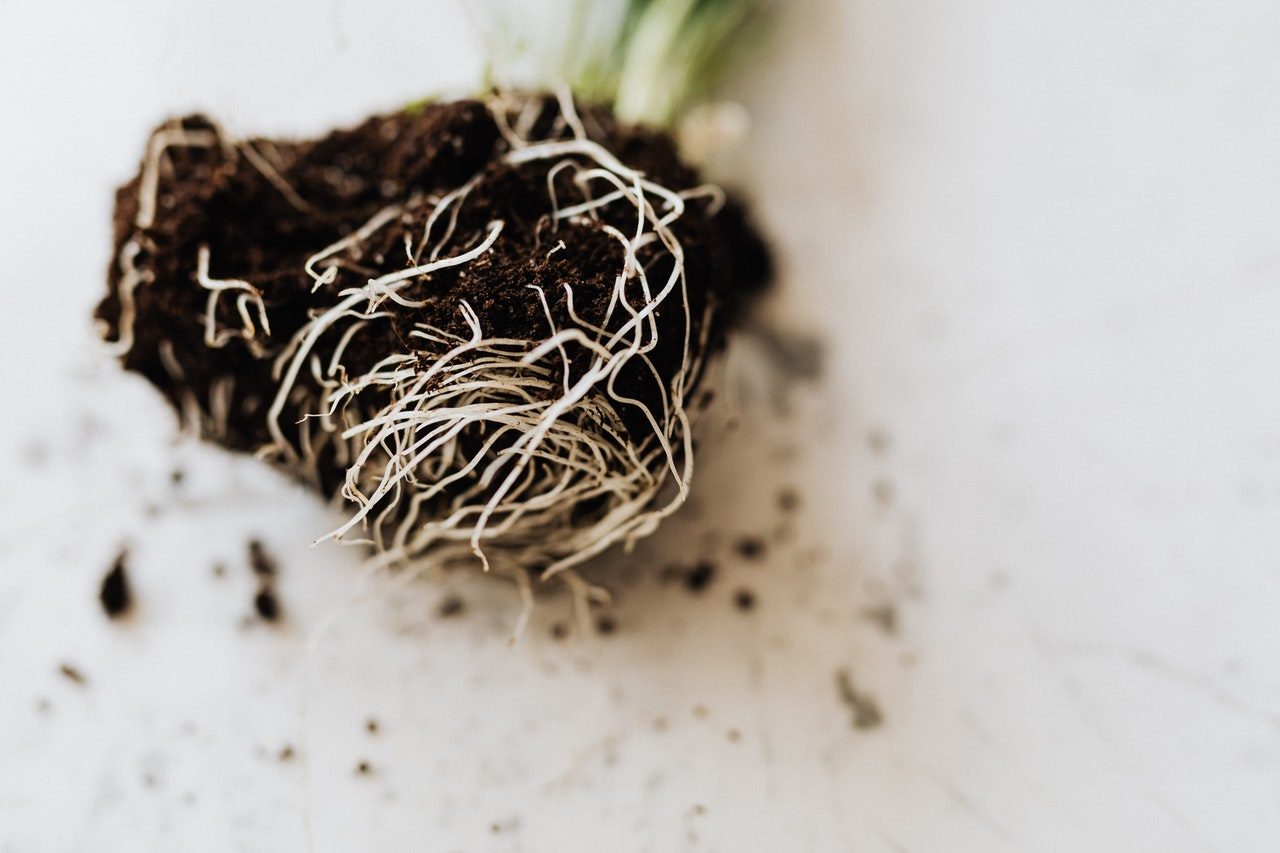
The mediums used to grow hydroponically allow for more oxygen to the roots, promoting better root growth. Ample oxygen also means the plants can absorb nutrients better.
You also have the “perfect” amount of nutrients available, meaning the plant doesn’t need to spend energy to go “searching” for what it needs. The plants also save energy by not having to break down the nutrients. In the water, the nutrients are already broken down, ready for the plant to absorb and use to grow.
The benefits of growing hydroponically
Hydroponic gardening is better for the environment. You use less water in hydroponics than you do in traditional gardening. Because of the lack of bug infestations, fewer pesticides are used on hydroponic plants, making for healthier and happier plants. Hydroponics can allow plants to increase their growth rate, which can sometimes be twice as fast as soil-grown plants.
In addition to faster-growing and healthier plants, studies showed that hydroponic plants have 50 percent more vitamin content than conventionally grown plants. So not only are the plants themselves healthier, but they are also more nutritious for us!
Growing hydroponically requires 20 percent less space than the same amount of plants in soil, and you can grow year-round. The amount of labor involved with hydroponic gardening is significantly less once everything is set up and going. Harvesting these plants is much more comfortable and less messy than plants grown in the ground.
Misconceptions about hydroponics
With such an extreme technique, there are naturally going to be opposing sides on growing hydroponically. Let’s take a look at some of the common misconceptions about hydroponics.
You need more space
This is absolutely wrong. As we mentioned above, you use about 20 percent less space growing hydroponically than you do in soil.
The plants grow HUGE
While plants grown this way are bigger, they are not abnormally or unnaturally large. Just like humans, plants can only grow so big. A cherry tomato will never be the size of a beefsteak, even if it’s grown hydroponically.
The fruits and veggies taste watery
This is not true. In fact, you control the plant’s nutrients and environment so much you can achieve an even tastier fruit or vegetable.
It’s expensive
In addition to affordable kits to get you started, hydroponics also uses 80-90 percent less water. Therefore you will probably end up saving money growing hydroponically.
It’s not natural
Contrary to what some may believe, plants do not care if their nutrients are found in a medium or soil. They will absorb them in the same way no matter what. You’re merely making it easier for the plants to get those nutrients instead of having them work harder for them.
It’s not organic
Just as there are organic soil gardens and non-organic soil gardens, the same goes for hydroponics. Some use only organic materials for their hydroponic garden, while others choose to use man-made chemicals.
It’s a pollutant and creates harmful runoff
While this could be true if the gardener is not conscious of where their runoff goes, it’s no different for a soil grower. However, a soil grower cannot collect the runoff from their garden. Many hydroponic systems are set up to manage the runoff and feed an aquarium where the fish can feed and purify the water and send it back to the plants to be used again. This is recycling at its finest.
Fast-growing hydroponic plants
Some of the best and easiest plants to grow hydroponically are herbs and lettuces. If you want to get started with your own hydroponic garden here are some of the top-rated plants to grow.
- Mint
- Oregano
- Basil
- Romaine lettuce
- Bibb lettuce
- Buttercrunch lettuce
- Cabbage
While soil gardening may seem like the more natural and easy way to go, hydroponic gardening is a fantastic sustainable option for everyone. Especially if you have limited space, the small amount required for hydroponics could be a way to grow more with less.