Succulents are an excellent way to provide extra life and color to your garden. Many people are using them indoors to add greenery to their homes, but these “California-friendly” plants are perfect for outdoor areas where there’s little rainfall. Succulents need about half as much water as other types of plants. They also add interest and visual depth when contrasted against shrubs and character and color of garden perennials.
We think some of the best ways to incorporate succulent plants into the garden are to use them as accent pieces and in groupings. In the following article, we’ll go over how to integrate succulents into your yard or garden properly.
What is a succulent garden?
Before we get into succulent landscaping and how to integrate these plants into areas you’ve already begun to cultivate, you should have a grasp of what a succulent garden is.
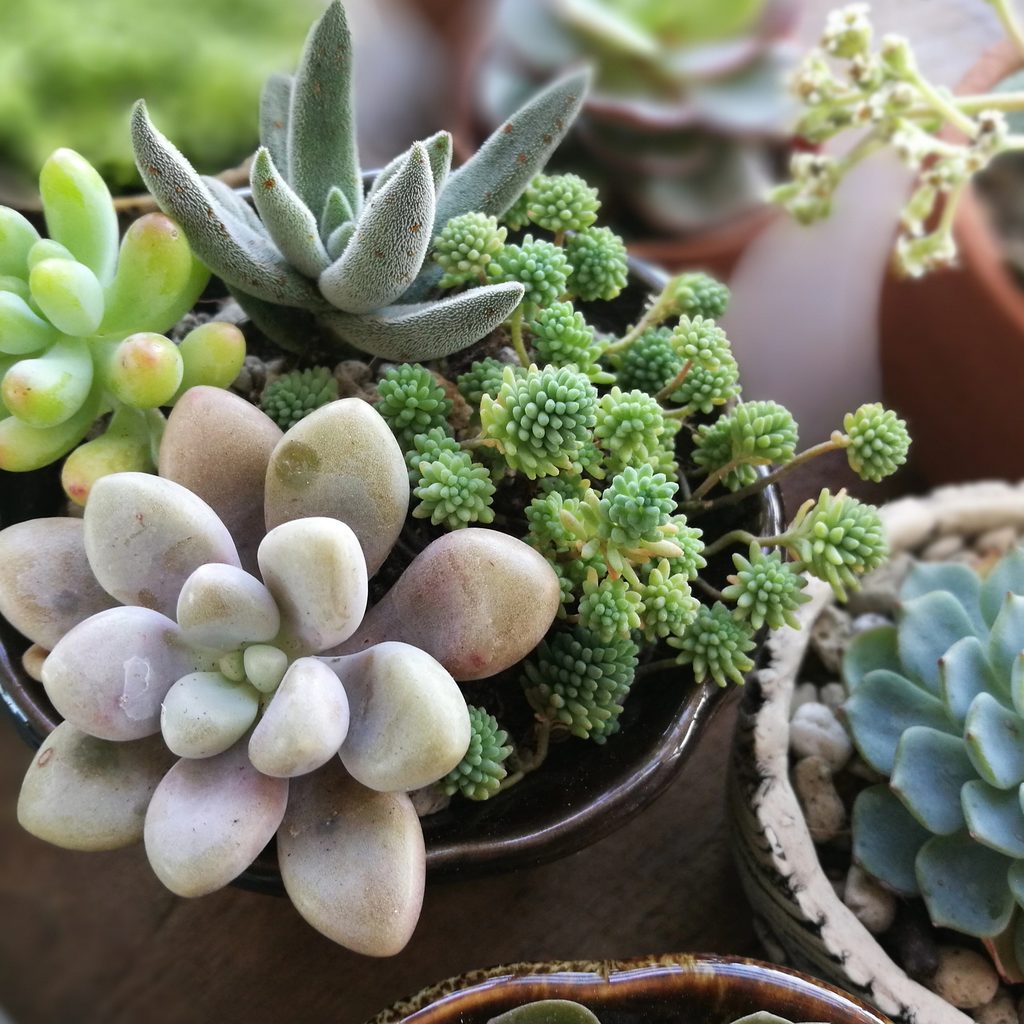
Succulents can be used in gardens and yards as accent pieces, ground coverings, or border plants. Succulent gardens provide visual depth, and the intense colors that succulents offer make them stand out even more against neutral backgrounds like stone, gravel, or sandstone pavers.
In fact, they complement these surfaces without detracting from the other greenery in your landscape design. For example, succulents grow in various colors, sizes, and shapes. They often have gorgeous rosette patterns, frills, and interesting spirals. Some of them also produce flowers with breathtaking colors.
Planting succulents in your garden
Many succulents grow well in pots, but some do best when they’re planted directly into the ground. When figuring out if whether or not a succulent would do better in a pot or in the ground, it’s important to consider the climate and the type of soil you plant them in. You also need to think about the amounts of sunlight and shade they’ll be receiving.
Some of these green beauties do prefer living in the ground. If they remain in a container, their growth is likely to be stunted. In many instances, they should live outside of pots or other containers because they require less care from you.
What regions do succulents thrive in?
Succulents are native to temperate regions and can be grown in most of the United States. Succulent plants like hot weather, so they’re typically not planted outdoors during the winter months or when temperatures average below 50 degrees Fahrenheit (roughly 12 degrees Celsius).
While they have fleshy stems and leaves, which allow them to store water and survive warm temperatures, they’re not desert plants. They can’t endure well for many hours in direct sunlight without some shade.
They also don’t need much water—overwatering will rot their roots. Succulents require watering every few weeks for healthy growth.
Tips for taking care of succulents
As suggested previously, succulent landscaping is a popular trend because they’re so easy to maintain.
The best way to care for succulents is by allowing their soil to stay moist but not soggy and providing enough light without overheating them through too much sunlight exposure. Succulents need bright indirect light with filtered morning sun if possible. Succulents kept outside in the summer should be brought indoors during winter months when temperatures drop below 50 degrees Fahrenheit.
Once every week or so, give your succulents an additional inch of water by pouring it right on top of the soil. This is especially helpful if there’s been rain. If you’re not sure whether they need more watering, use your finger to poke into the dirt: If it feels moist all the way down then don’t water them any further.
Enjoy your succulent garden
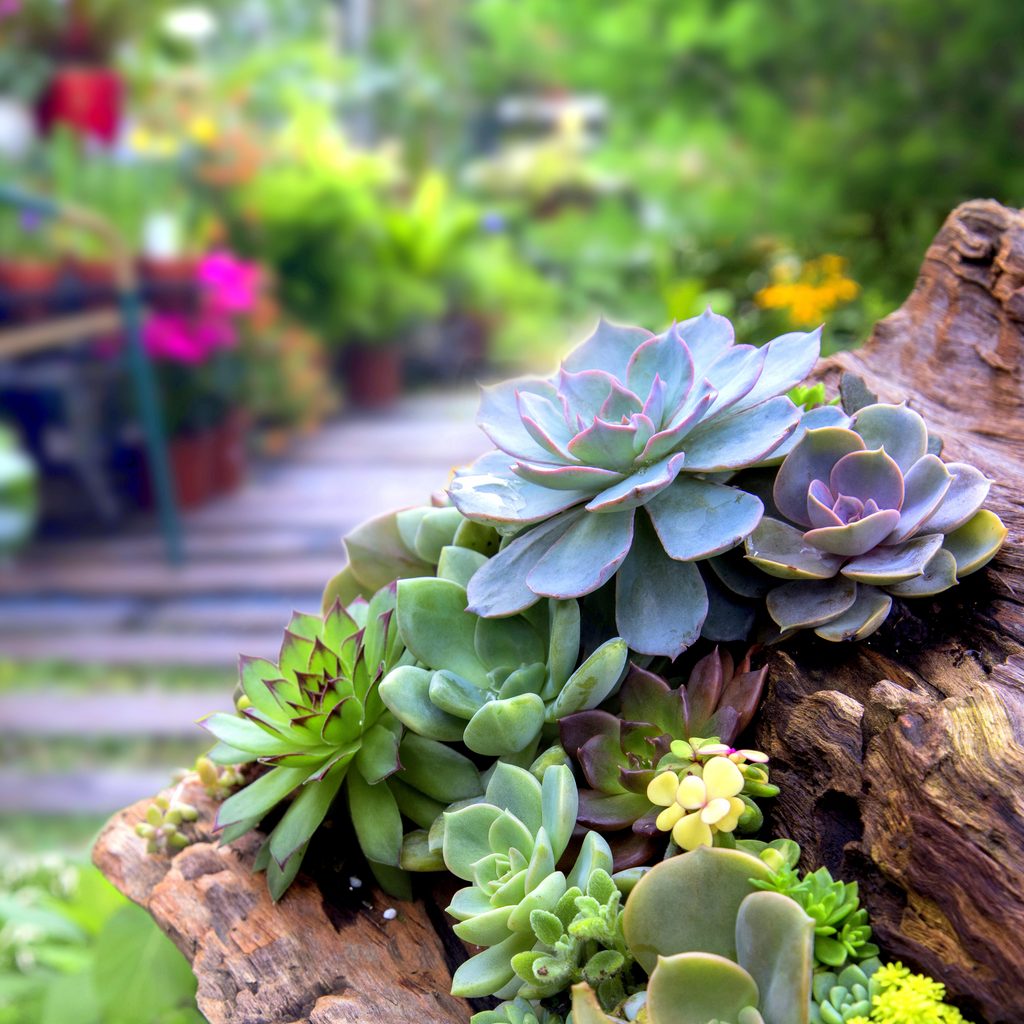
Succulents are simple to care for and can be a beautiful addition in the garden. Succulent plants thrive even when neglected, making them perfect for those who don’t have time or space to maintain more traditional gardens.
Although these plants don’t require constant attention, they still need occasional fertilizing and trimming of dead leaves. If you pay attention to your succulents and give them the care they need (which isn’t often), some varieties like Christmas cactuses and jade plants can last in your garden for up to 30 years!