If you’re a houseplant enthusiast who’s ever dealt with the headache of pests, chances are that you’ve probably heard of neem oil, which is supposedly a holy grail pesticide that’s natural, safe, and affordable. But what exactly is neem oil, and is it really as effective as it’s made out to be? For all your curious questions about neem oil, we’ve compiled a comprehensive guide on how to use neem oil on plants.
What is neem oil?

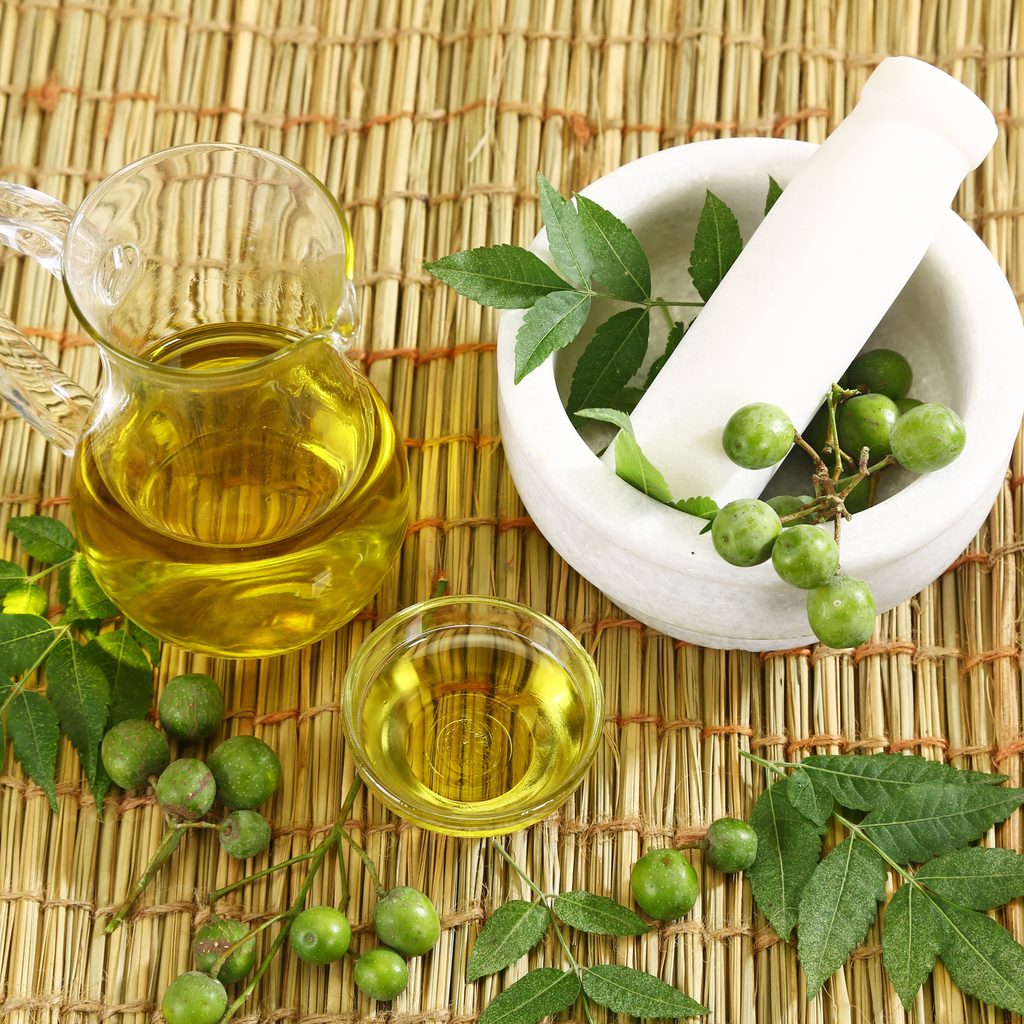
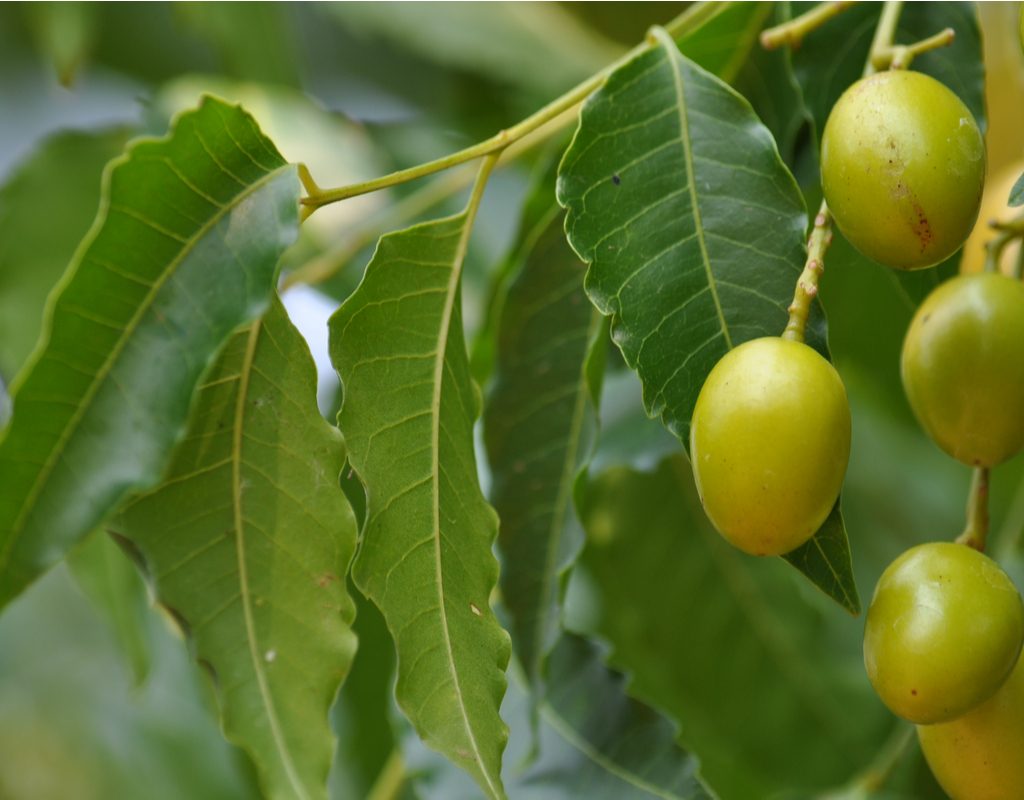
Neem oil is derived from neem tree seeds, which are broken open and pressed for oil. The neem tree is believed to be native to tropical and dry forests in India and other parts of South Asia, where it has been a key ingredient in traditional Ayurvedic medicine. Clear yellow in color, it has a bitter taste and a sulfuric and garlic-like smell.
For centuries, people have used neem oil for personal care items such as toothpaste and beauty products. Today, many gardeners view it as a reliable go-to for pest control.
How does neem oil work to control pests?
The active component in neem oil that helps repel pests is azadirachtin. This component essentially disrupts hormones in pests so they stop feeding, slowing down their growth and preventing their larvae from properly developing. Remember how we mentioned that it has a strong sulfuric and garlic-like smell? This scent repels the pesky insects that you want to get rid of as well.
Sometimes, neem can also suffocate insects if it contacts their breathing holes. Neem oil is especially helpful for managing pests such as mealybugs, thrips, scale, aphids, and more — essentially, these pests ingest the neem oil and then slowly die off.
How to use neem oil on houseplant pests
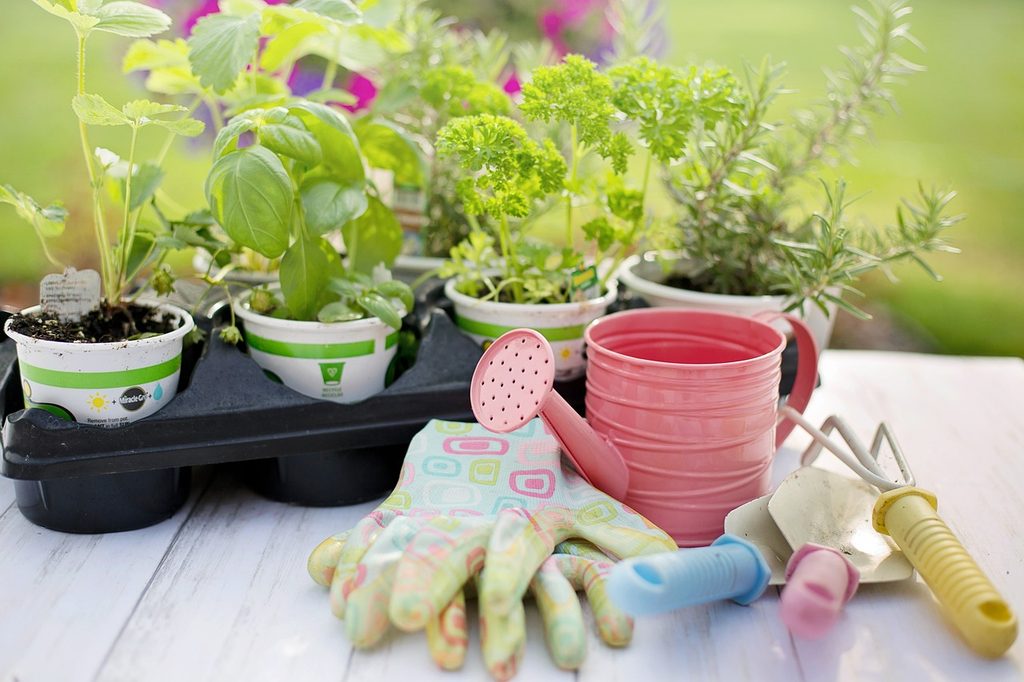
You can always buy insecticidal neem oil from your local garden center that’s mixed and ready to use. But if you want to create your own mix that’s potentially stronger, you have that option. The rough formula for a neem oil mixture to control pests is one gallon of water with one or two tablespoons of raw neem oil — the quantity doesn’t need to be super exact. Since neem oil is an oil, it needs an emulsifier to mix with water. One or two teaspoons of insecticidal soap or mild dish soap can work effectively for this.
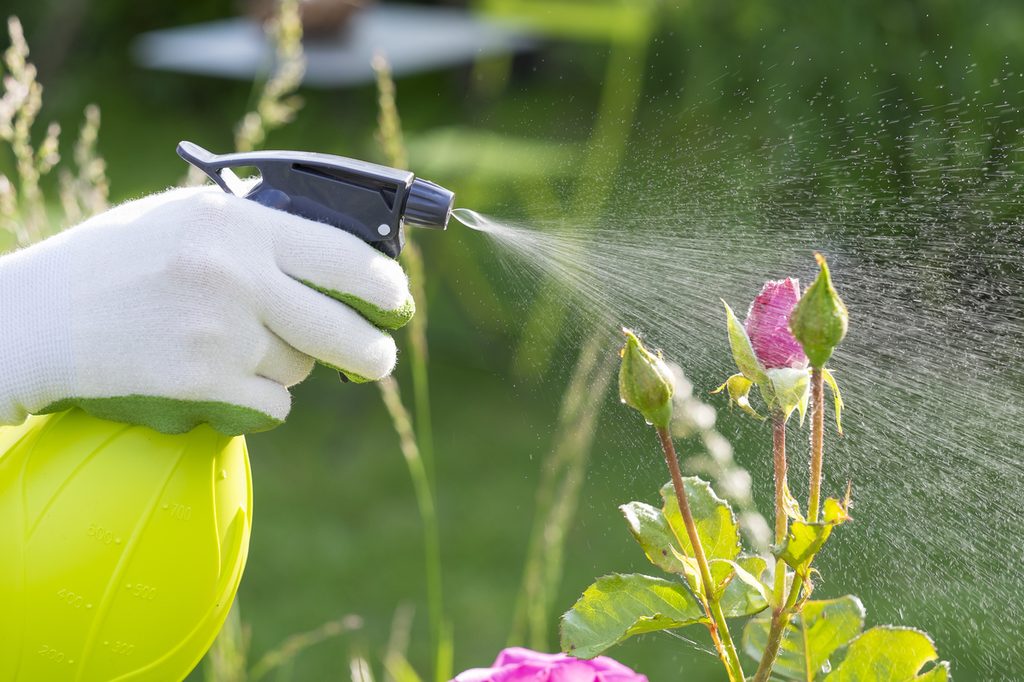
Pour your mixture into a sprayer and shake it up before use. Since pests typically feed on leaves, spray the solution directly onto the foliage. Make sure that your plant has some shade or only receives indirect light, as neem oil can cause foliar burn when combined with direct sunlight. Additionally, don’t overdo the spraying since that can also damage leaves. If you have a sensitive plant, patch test your neem oil solution on a small leaf or two to see if any adverse reactions occur. Then, proceed to spray your foliage every week until pests disappear completely.
How to use neem oil on plants with fungal diseases
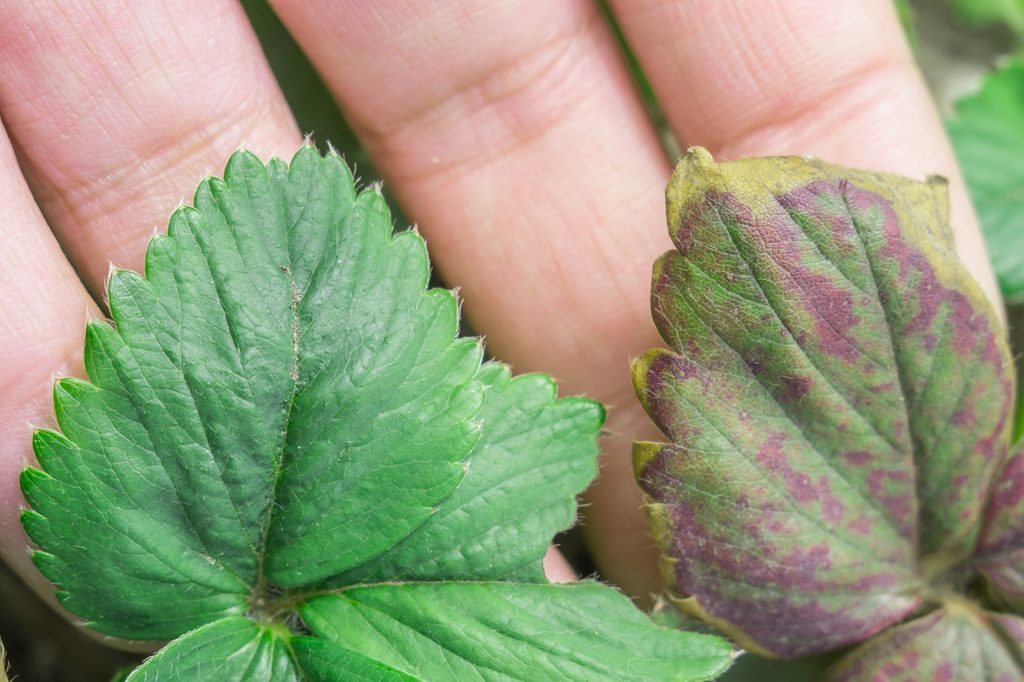
You can also use neem oil to manage fungal diseases, particularly powdery mildew and black spot. Essentially, neem oil may help keep fungal spores from germinating and damaging leaf tissue any further. You can use a neem solution on fungal infections as you would with pests, reapplying every one to two weeks as you deem fit.
Bear in mind that it works more like a treatment than a cure, so you’ll likely need to remove damaged or diseased tissue. If you buy a ready-to-use neem oil solution that’s marketed as a fungicide, follow the instructions carefully for the best results.
Pros and cons of neem oil
Pros of neem oil
Neem oil is a go-to for houseplant issues because it’s gentle and relatively easy to access. Gardeners enjoy using neem oil on plants because it’s naturally derived and (relatively) nontoxic, making it an appealing alternative to synthetic pesticides. Neem oil, in small, diluted quantities, is safe when used around pets and children. Additionally, neem oil usually doesn’t kill off beneficial pollinators such as ladybugs and bees since these critters don’t feed on foliage. Plus, the active component, azadirachtin, breaks down quickly after exposure to microbes and sunlight.
Cons of neem oil
One major drawback is that neem oil is a relatively indirect way of tackling pests, so it works more slowly than an insecticide that takes pests head on. As we’ve mentioned before, this natural pesticide can actually damage your plant if you’re not careful, so avoid spritzing it on plants that are overwatered, underwatered, or otherwise weak. When it comes to safety, there’s also the matter that in large quantities, neem oil can irritate the eyes, skin, and stomach. It’s a good rule of thumb to keep it away from your kids and pets out of an abundance of caution.
After spraying down pest-ridden plants with water and soap, your next best bet is neem oil. While this pesticide has its limitations, it’s worth a shot, given that it’s natural, gentle, and relatively accessible. With a spritz of a neem solution on your foliage every week, you’ll have a strong chance at defeating those headache-inducing pests once and for all!