
Starting a vegetable garden as a beginner can feel overwhelming; growing your own food is rewarding in the best way — but how do you make sure what you’re producing is safe and healthy for you and your family? Many gardeners swear by organic or non-GMO (genetically modified organism) seeds, but are they really necessary? What does it even mean if a seed is organic or non-GMO? We’re going to walk through the pros and cons of both of these types of seeds.
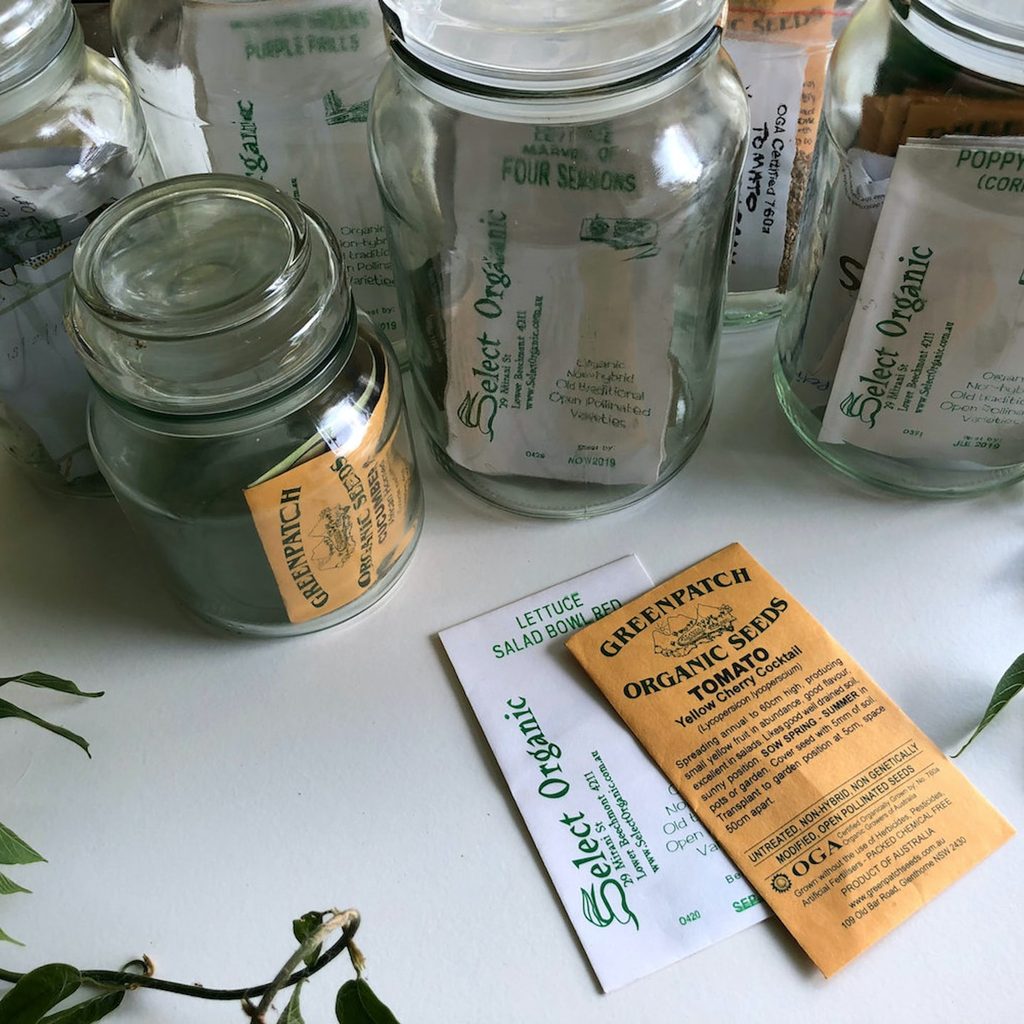
Organic seeds
Not every non-GMO seed is organic, but all organic seeds are automatically non-GMO. However, the seed is just a small part of that — if you treat your organic plants with pesticides, chemical fertilizers, or chemical weed control, the seed can no longer boast being organic. However, if a plant is grown without using those, congrats! You have an organic plant — and some tasty vegetables to boot.
Pros
With organic seeds, you can rest assured the plants and fruits that will come off that seed have never been treated with any chemical beyond what you would use at home. This can alleviate any concerns for health problems or diseases that some of the substances are known for. While there are discussions about whether these concerns are valid, you can avoid the headache altogether by using organic seeds.
Cons
Typically organic seeds are more susceptible to pests and diseases. To keep your garden organic, you can’t use any harsh chemicals to combat these irritating problems, and finding pest control solutions that don’t compromise your seeds can be a tough task if you’re short on time.
Organic seeds tend to be more expensive; however, when you think of the extra work it takes to protect and care for plants without chemicals, you can understand the price increase. Understanding does not alleviate the impact on your wallet, though, and that’s a choice you’ll have to make on your own.

Non-GMO seeds
The U.S. Department of Agriculture (USDA) says that 90 percent of all corn, cotton, and soybeans grown in the U.S. are planted with GMO seeds. Seeds that have been created with GMOs means that the plants that were used can not naturally pollinate each other. These types of plants are created in labs where DNA from organisms is forced together to produce plants with desirable traits. Whether or not you are okay with this is up to you, but know that if you’re interested in holding onto seeds to save money in the future, you can’t do that with GMO seeds.
The likelihood of you purchasing a GMO seed at your local garden center are slim to none. GMO seeds are only sold to large farmers growing corn, wheat, soy, and other large crops. Companies creating GMO seeds do not make GMO seeds for cucumbers, squash, carrots, and the like. So while it’s great to be informed, you don’t need to search the shelves for seed packets that say they are non-GMO.
Pros
There are some concerns that GMOs cause allergic reactions; with non-GMO seeds there’s no need to worry about that. You can read 100 articles about the pros and cons of GMO seeds and still be unsure about whether they are harmful or cause diseases. The good thing about non-GMO seeds is that you don’t have to worry one way or the other if you avoid them altogether — which should be easy since most seeds available to at-home gardeners aren’t GMO anyway!
Cons
GMO seeds are highly resistant to bugs, frost, disease, and drought. This makes them great for larger farms where growing massive quantities is vital to keeping the farm alive. But as mentioned above, you’re not likely to see any GMO seeds at the garden center, and unless you own a large farm to grow corn for half of the country, you won’t need to worry about avoiding GMOs.
While it’s great to know your stuff and be informed when purchasing seeds for your home garden, you don’t have to worry about GMOs. However, paying attention to whether or not a seed is organic might be worth your time. If you plan to sell or pass on fruits from your garden, you can’t boast that it’s organic unless the seeds you used to grow those plants were organic, as well. If you don’t care either way, your search becomes even easier!