As winter comes around, many of our lovely plants and flowers are beginning to die off. Often gardeners will spend their winters dreaming of, planning, and preparing for their next season’s garden. However, there’s one flowering bulb that has something to offer as late into winter as January! The amaryllis plant is a bright and brilliant flowering bulb that can bring a bit of spring cheer even in the dead of winter. These plants are often gifted during the holiday season and are a great way to brighten someone’s winter or start their new year with a beautiful red flower.
So how do you care for this plant to ensure it can keep providing you with stunning flowers year after year?
What is an amaryllis?
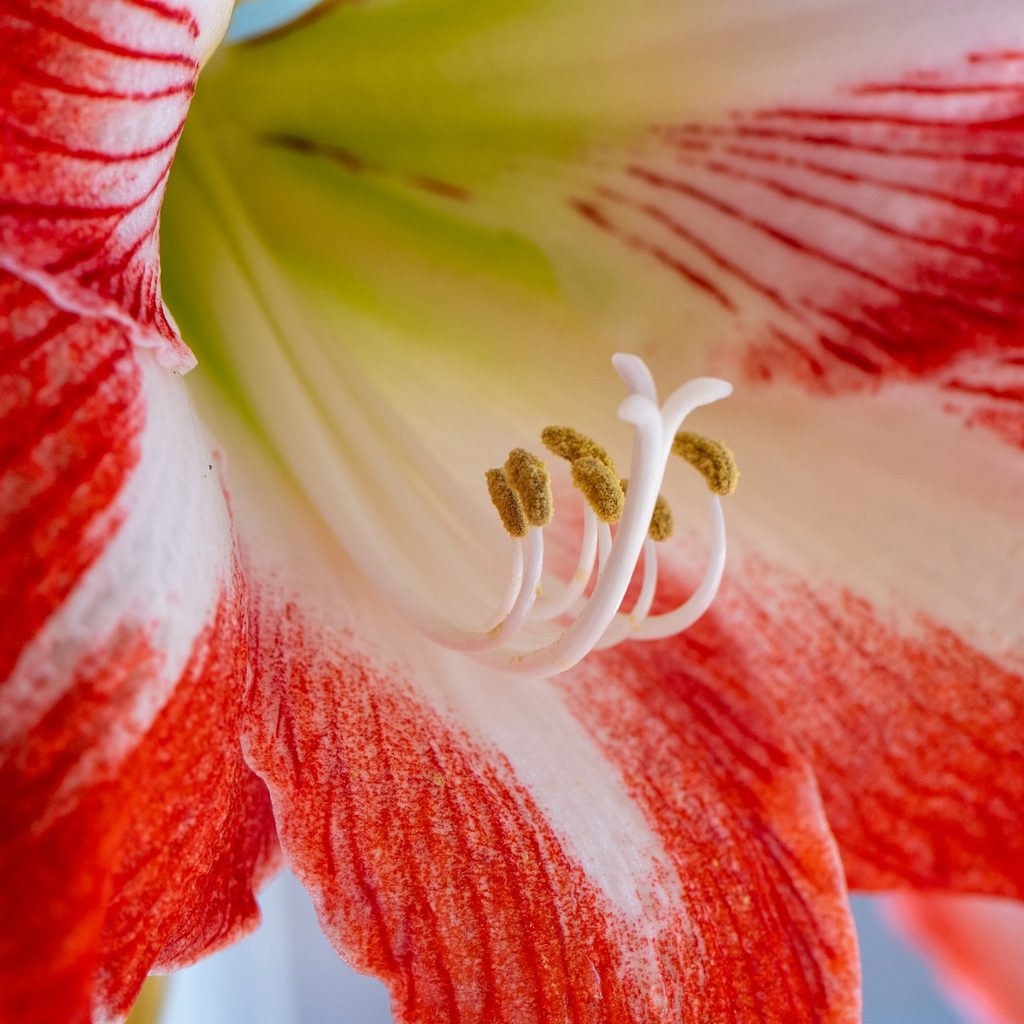
The amaryllis plant is a bulb flower that often blooms sometime in January. The name amaryllis is Greek and is a female name that means “to sparkle” because these flowers appear to sparkle when you see them. The most common colors found in the amaryllis bloom are white and red, but they also can be found in pink, orange, yellow, and even purple. The history of this pretty flower is as old as ancient Greek mythology. According to this mythology, the amaryllis originally comes from a beautiful maiden named Amaryllis’s love for the shepherd, Alteo. It’s also known in history as being associated with strength and determination or success. This might be why they’re often given as gifts after someone has a hard-won achievement.

Care tips for amaryllis
With a little bit of love and care, the amaryllis plant can give you stunning blooms year after year. So whether you received it as a gift or you’re thinking of getting one for yourself, here are the best ways to care for this sparkly flowering plant.
Water
While the amaryllis is growing and blooming, it likes to stay moist. This might mean you’ll have to water it weekly during the winter bloom since the furnace air is dry and will likely dry the plant out more quickly. However, once the plant is finished blooming, you’ll want to spread out waterings and allow the soil to dry out a bit.
Light
These flowering plants love bright indirect light. Find a window sill or tabletop that provides the leaves with bright filtered light to keep this plant happy. You might find that a window with sheer curtains works best.
Food
There are a lot of fertilizers out there, and it can get pretty confusing to know which one to use. However, you can keep it simple by finding an organic fertilizer that is optimized for bulb plants. This will provide the amaryllis with precisely what it needs to grow big, colorful, beautiful blooms.
Temperature
Amaryllis prefer a warmer climate — somewhere between 70 and 75 degrees is best. However, to encourage the plant to go into the dormant period, it needs to be exposed to temperatures around 50 to 55 degrees for a minimum of eight weeks.
Toxicity
The amaryllis plant is toxic to pets and can cause vomiting, diarrhea, abdominal pain, excessive drooling, and tremors. It’s also toxic for humans, but most institutions consider it only harmful if large quantities are ingested. Eating an amaryllis bulb might cause nausea, vomiting, salivation, and diarrhea.
Additional care
Sometimes an amaryllis plant might need a bit of extra support with the help of a stick. Additionally, to reduce the risk of falling over, you should turn the pot occasionally so the plant can grow straight. You can also plant it in a deep and heavy pot to ensure the top-heavy plant doesn’t topple over.
Whether you plan on giving this plant as a gift, you’ve received it as a gift, or you found one at your local plant shop, knowing how to properly care for it will allow you to grow and enjoy this plant for years to come. So if you plan to give it as a gift, maybe include care instructions for whoever you’re giving it to. That way, they can enjoy those sparkly flowers and think of you.