
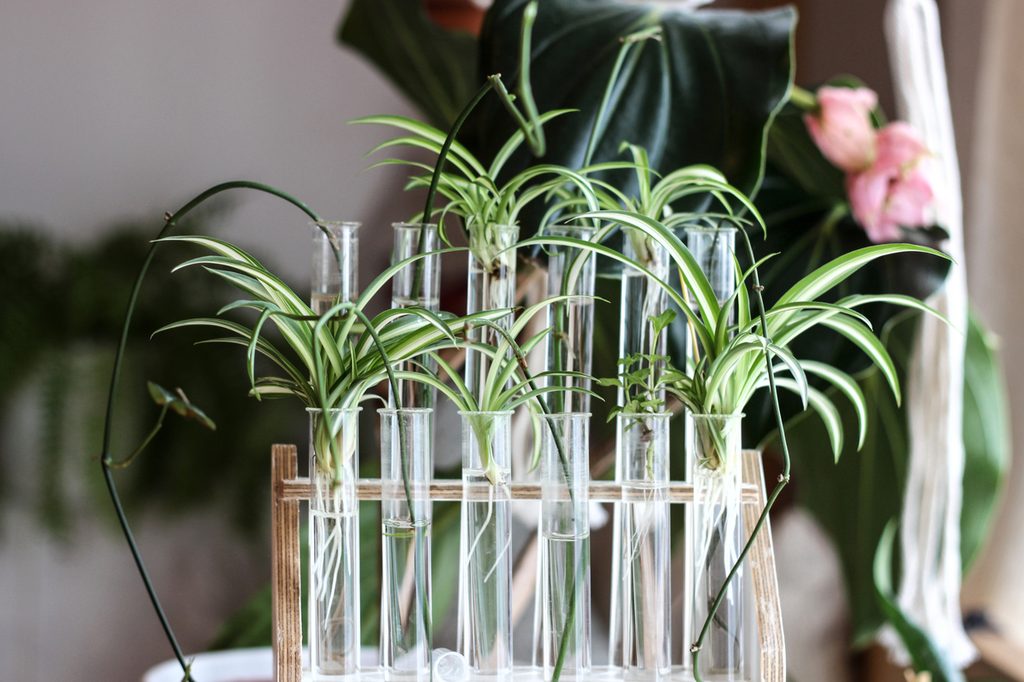
Propagating plants is one of the easiest ways to get new plants for your garden. You can propagate a plant you already have, or exchange plant cuttings with friends and neighbors to get new plants. Depending on where you live, you might even be allowed to take cuttings from local public areas. There are a variety of ways to propagate plants, too! Although turning one plant into two can seem daunting, there are actually many beginner-friendly propagation methods and plants. So if you’re curious about propagation and are looking for easy plants to propagate, here is what you need to know.

Select the plant you want to propagate
Before you can propagate a plant, you need to have a plant to propagate from. Here’s what to look for when selecting the plant itself.
First, be sure the plant you’re taking from is healthy. Look for any signs of disease, like wilting, discoloration, or holes. If you’re taking cuttings, the plant you’re cutting from should have plenty of branches or stems. Don’t take more than a cutting or two from a small plant, two or three from a medium plant, and three or four from large plants like trees. Use your best judgment to avoid taking too much from a single plant. The plant you’re taking from should be mature. Young plants have a harder time recovering from cuttings.
So, to summarize, you’re looking for a mature plant that is strong and healthy. The plant should have plenty of branches or stems if you’re taking a cutting. Be sure to leave enough behind for the plant to survive!
Finally, you’re ready to propagate. There are several ways to propagate plants, so here are brief instructions for each method as well as suggestions for the easiest plants to propagate using each method.

Taking cuttings
There are two types of cuttings. Softwood cuttings are taken in spring, when there is new growth, and are great for immediate use. Hardwood cuttings are taken in fall or winter when the plant is dormant. These are typically stored somewhere cool and dry until spring. Some plants propagate more easily from one type than the other.
With either type, the process is the same. Cut only a few inches from the end of the branch or stem, scaling to fit the size of the plant (bigger plants can handle bigger cuttings), using a sharp blade. Select a stem without flowers or buds, since the stem will want to finish blooming before putting out roots. Once you have your cutting, you can propagate it in several ways.
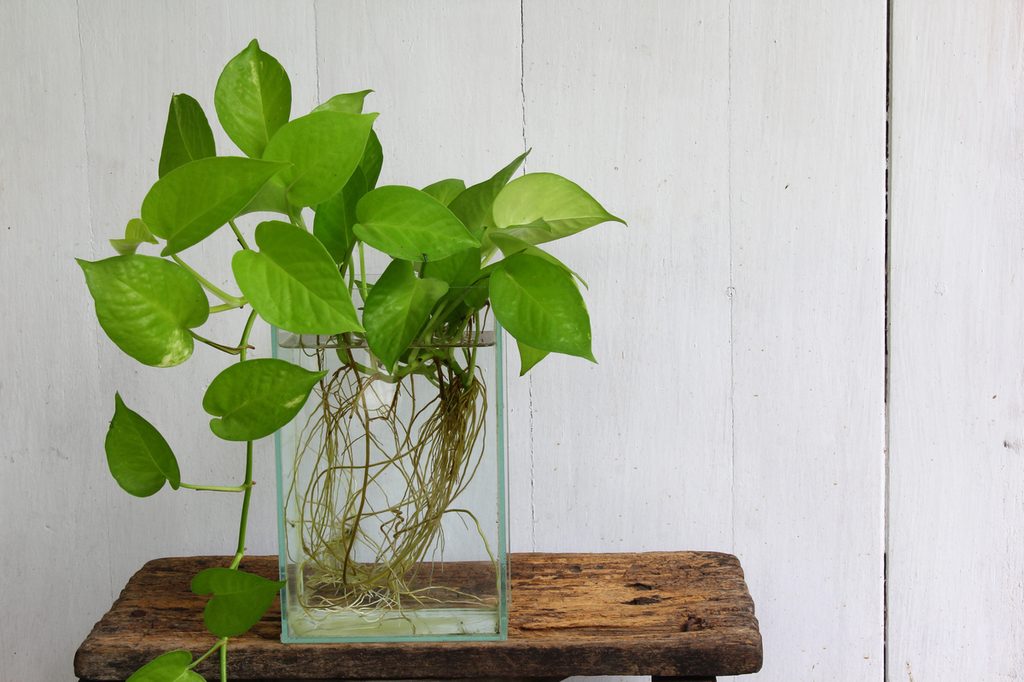
Cuttings in water
For propagating cuttings in water, you can start with either softwood or hardwood cuttings. Softwood cuttings tend to start producing roots faster, but the time difference isn’t significant overall.
Strip the leaves off the bottom half of the cutting, place the stem in a vase, jar, or other container of plain, room-temperature water, and make sure no leaves are touching the water. The cutting will start producing roots in a matter of weeks, but the first roots will be fairly thin. When it has some thicker roots, then transfer it to soil.
This method is especially easy with smaller plants, like flowers and herbs. Mint is a great one to start with, as are pothos, chain of hearts, and arrowhead plants.
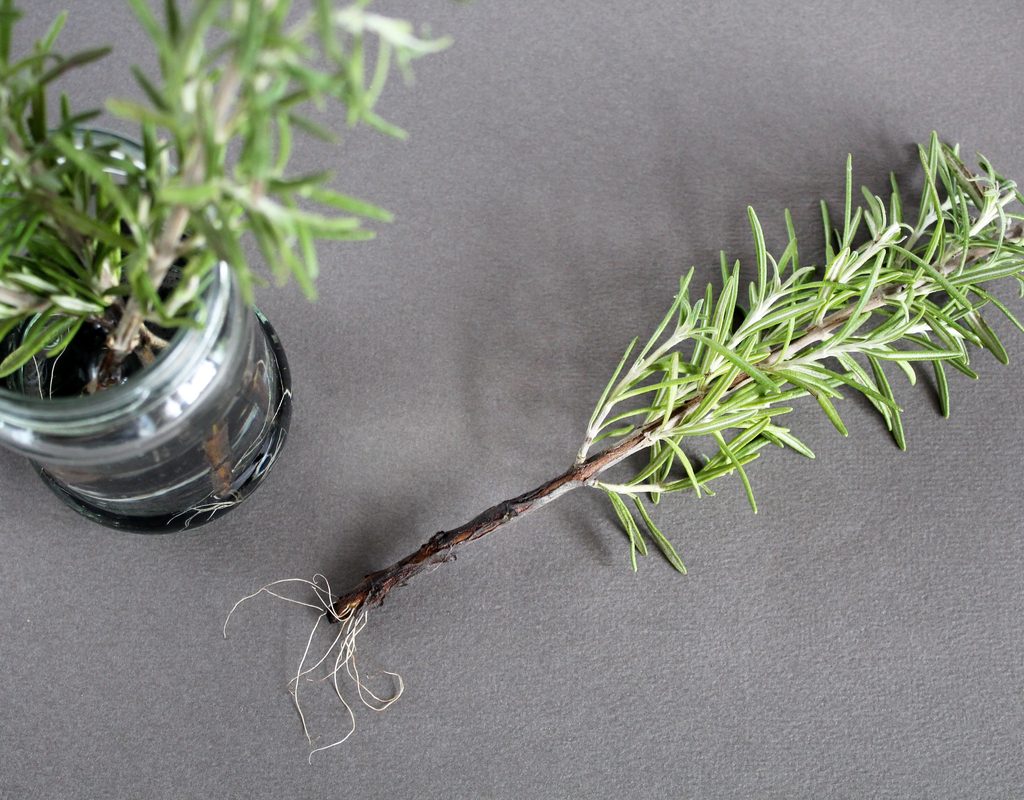
Cuttings in soil
Rooting cuttings in soil is very similar to rooting them in water. Take your cutting and strip the leaves off the bottom half. Plant it firmly in the soil and wait. To check if it’s rooted, tug very gently on it. If you feel resistance, congratulations! It’s rooted!
This method is excellent for larger plants, like shrubs and bushes, but some smaller plants, as well. Try this method with lavender, rosemary, or hydrangea for a colorful and aromatic garden.
Tipping or tip cloning
Tipping, also called tip cloning, is a way to propagate certain types of vining plants, and it’s remarkably easy. Simply bend one of the vines over, so that the tip is touching the ground, and bury it slightly. The end of the vine will put out roots, and you can cut the vine, separating the plant into two separate plants.
This is the easiest way to propagate blackberries and raspberries, as well as string-of-pearls.
Plantlets
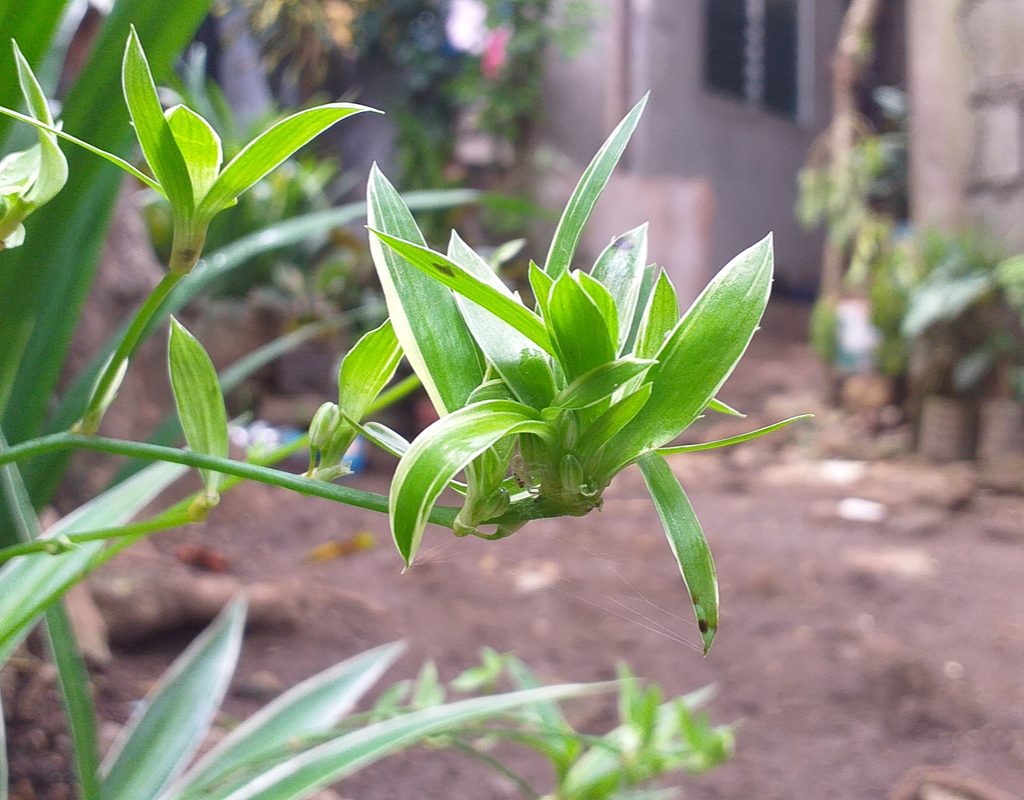
Some plants do most of the work for you by forming plantlets. Plantlets are little baby plants that form as offshoots of certain plants. For these, gently remove the plantlet once it is a few inches tall, and place the plantlet where you want the new plant to grow. It really is that easy, perhaps the easiest way to propagate any plant.
Spider plants are easy to propagate this way, but Chinese money plants, mother of thousands, and strawberry begonias are also great options for this method.
Root division
Root division is simpler than you might expect, and many gardeners actually have an easier time with this propagation method than taking cuttings! Not all plants can be propagated this way, so it’s important to double check your plants before getting started. Plants that grow from rhizomes or form clumps can usually be propagated using root division, and some easy plants to propagate with this methods are peonies, irises, snake plants, ginger, and peace lilies.
To propagate your plants through root division, first dig them up or remove them from their pot. Gently remove the excess dirt from around them and tease the roots apart. Separate your plant into two or more sections, each one with a stem and several large roots. You may need to cut the sections apart with a sharp, clean knife or shears. Then repot each section in it’s own container with fresh soil.
There are so many ways to propagate plants, and any plant can be propagated in one way or another. You can fill your home and garden with these easy plants to propagate and never run out of plants to grow! Propagated plants even make excellent gifts. Now you’re all set to start propagating your garden or houseplants!