Leeks are versatile vegetables when it comes to turning up the flavor in your autumn and winter recipes. With their sweet, oniony flavor, you can spruce up a wide range of savory dishes with them. Despite their long growing season, they aren’t particularly hard to grow. Here’s when and how to plant leeks for a delicious garden harvest.
What are leeks good for?
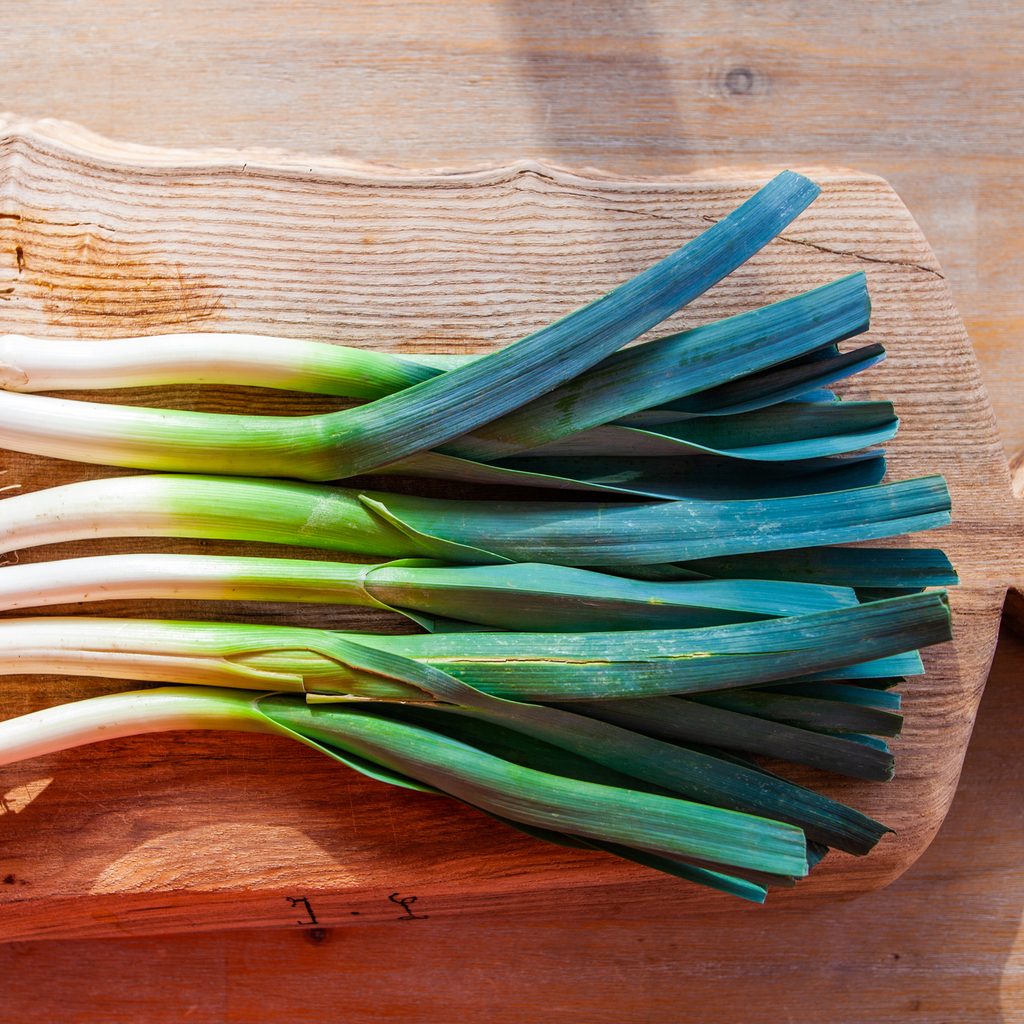
Leeks strongly resemble green onions, except they’re bigger. Like many edible plants in the allium genus, leeks are handy kitchen staples. Whether you use them as garnishes, fillings, or centerpieces of your recipe, they’re great for soups, roasts, stir-fries, and much more. Often, people eat the white parts only. But the green part, especially the lighter middle area, is perfectly edible, and you can also use the tough tops for compost. If you find yourself with more leeks than you need at the moment, you can always cut and freeze them for future use.
When to plant leeks
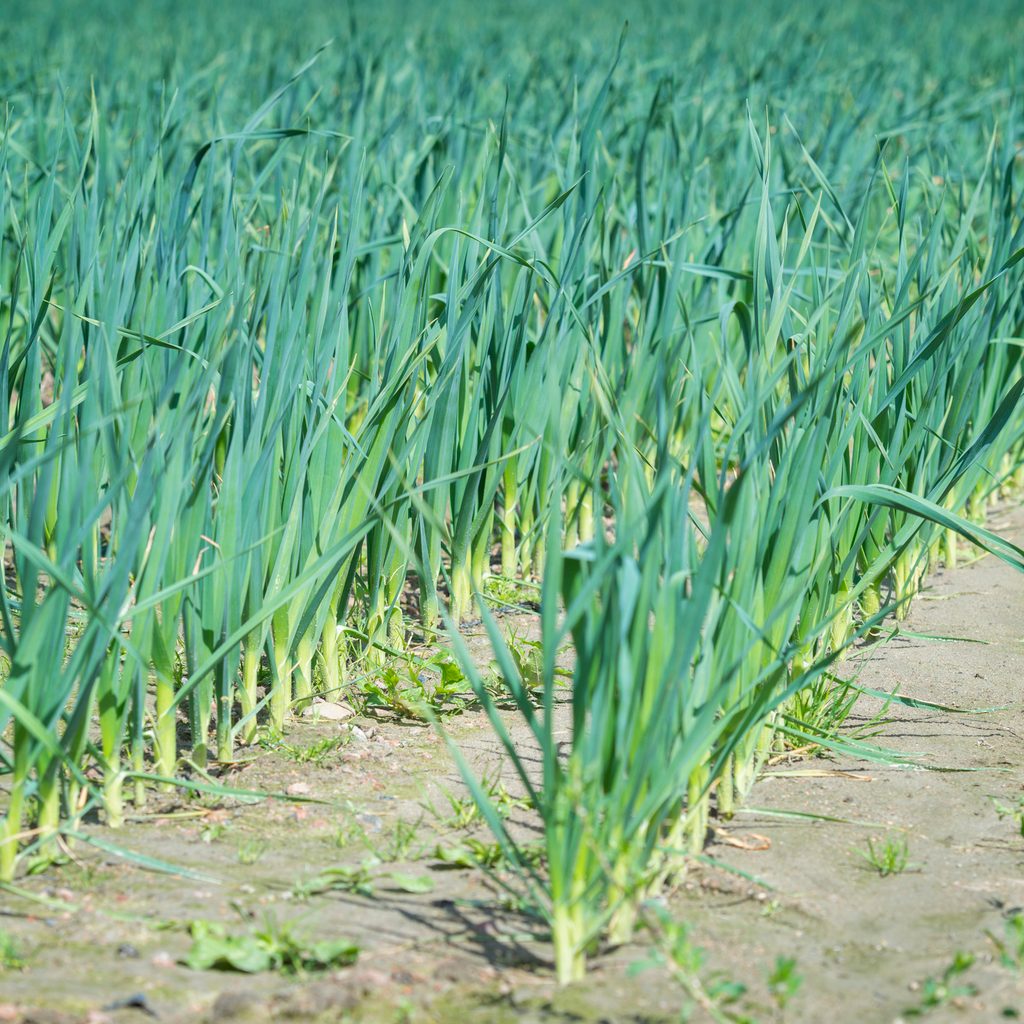
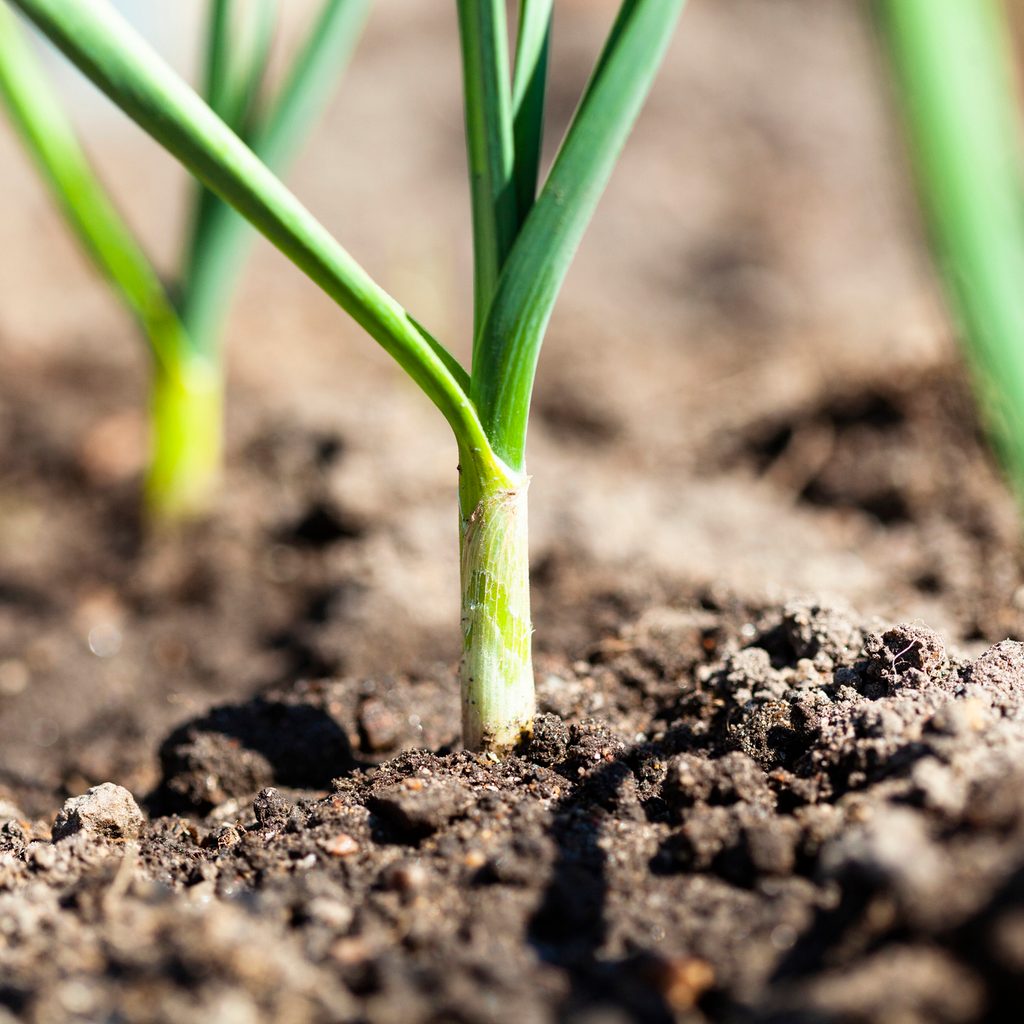
Leeks are relatively easy to grow. Within 10 to 12 weeks before the last frost, you can grow leek seeds in peat pots indoors, planting one seed per cell. When night temperatures stabilize to above 45 degrees Fahrenheit, consider planting your leek seedlings outside — they should ideally be 6 or 8 inches tall at this point. It helps to harden off your seedlings for at least a week before placing them in the ground to acclimate them outdoors.
When bringing your leeks outside, use a dibber or pencil to make 1-inch holes in your vegetable bed. While you can initially grow your leeks close together and then thin them out later, it’s ideal to place them 6 inches apart for the healthiest growth. If you’re not planting your leeks in the ground, it’s certainly possible to grow them in pots. Your planter should be spacious; at least 12 inches wide, to accommodate your leeks. Depending on how much space you have, it may be wise to thin out your leek seedlings in your pot.
Starting your leeks indoors weeks before the last frost is one of your options, but it’s certainly not your only option. After the last frost, you can plant your leek seeds directly in the ground. (Side note: Remember, plants in the allium genus might not be the best companion plant in the garden, so watch where you grow them.) March is when many gardeners start their leeks, but timing is obviously contingent on your climate zone and leek type. Plus, you can save yourself the trouble of starting from seeds altogether, as it’s possible to find leek seedlings at your local nursery.
How long do leeks take to grow?
Leeks have a long growing season, typically 120 to 150 days. That said, you can harvest some varieties as soon as 90 days. Gardeners usually harvest leeks in the autumn or winter, depending on when they plant their leeks.
How to grow leeks
Leeks aren’t particularly difficult to grow, but they appreciate thoughtful maintenance throughout their extensive growing season. While tending to your leeks, here are a few helpful notes on their care needs.
- Water: Leeks need ample moisture to nourish their shallow roots, and you should aim to water them 1 inch per week. Young leeks appreciate more watering. The key, in any case, is consistent watering, but you never want the soil to be soggy.
- Sunlight: Bright light is best for your leeks, which require 8 hours of partial sun a day. If you leave your leeks in full sun, plan on watering them more often.
- Temperature: Doing best in temperatures around 60 degrees Fahrenheit, leeks are cold-tolerant plants, and some varieties may be able to handle temperatures down to 20 degrees Fahrenheit. However, warm soil is ideal when you start them. As we’ve mentioned above, night temperatures should be at least 45 degrees Fahrenheit when you transplant seedlings. If it’s too chilly outside, consider installing cold frames or leaving your leeks in a greenhouse.
- Fertilizer: Leeks appreciate nutrient-dense soil, and they especially need nitrogen to thrive. When planting your leeks, mix compost into the soil. Throughout the growing season, feed your leeks monthly with a balanced fertilizer.
How to harvest leeks
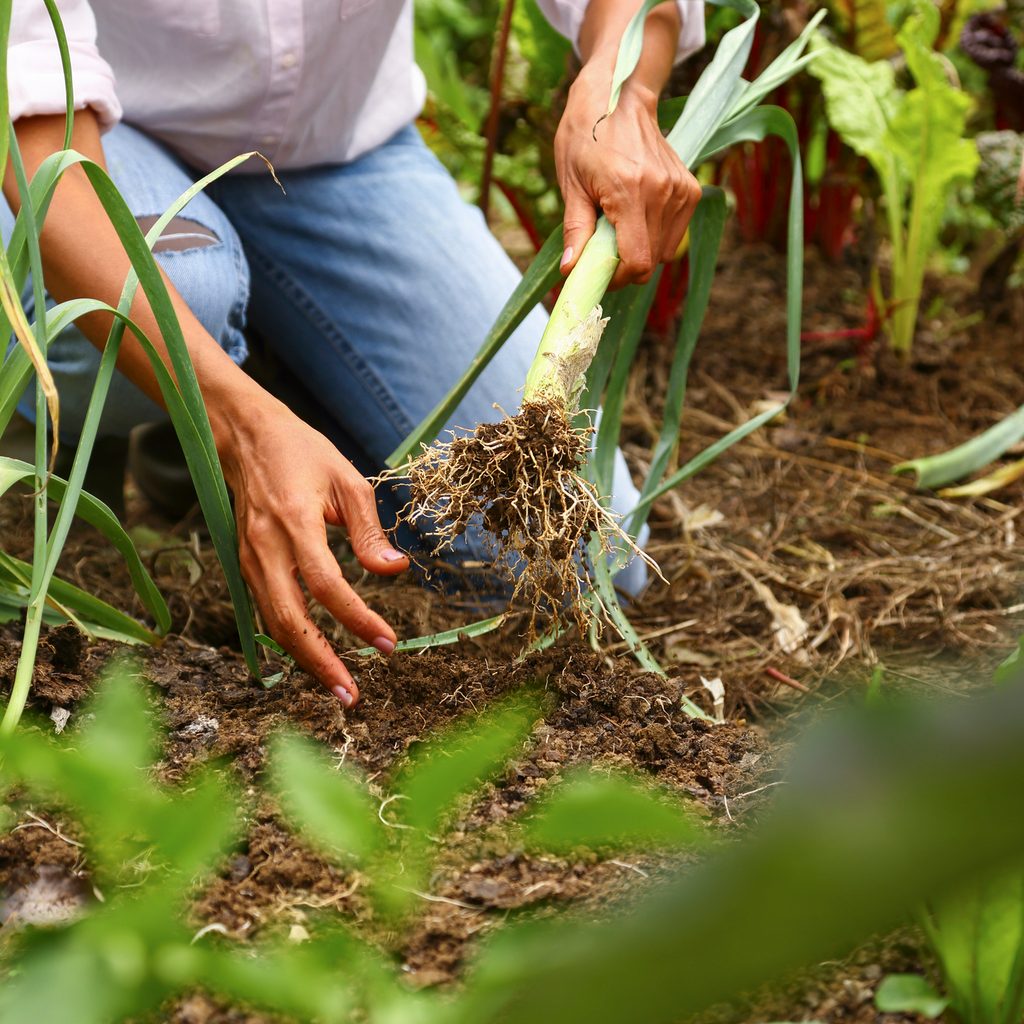
Leeks are ready for harvest when the stem width is at least 1 inch. The white shafts should also feel firm and be at least 3 inches long. To harvest leeks, twist them gently and pull them up or dig them out and carefully pick them from the ground. After harvest, you can keep your leeks in the refrigerator for a few weeks.
Will leeks come back?
Leeks are typically biennials, meaning they die after the second year of growth. After that second year, you can actually let your leeks flower and harvest the seeds. You also have the chance to regrow your harvested leeks when you place the root ends in water (similar to lettuce propagation). To ensure your plants survive through that second year, give them winter protection with measures, such as greenhouses and cold frames.
For a mild, oniony flavor in your dishes, toss in leeks. Luckily, leek plants are some of the easiest garden vegetables to grow, and they’re relatively hardy, too. With careful attention to light, watering, and temperature, you should have a bountiful harvest in due time.