
Gardeners know that one of the essential parts of having a healthy and flourishing garden is excellent soil. There are many ways gardeners improve and alter their soil to increase the production of fruits and veggies or even the amount of blooms in their flower gardens. So it’s no surprise that things like compost, soil test kits, and soil conditioners have become increasingly popular. With so many options, how do you know which one is right for you? Here we’ll be discussing soil conditioners, what they are, how they’re different from compost, and when they’re ideal to use in your own garden.
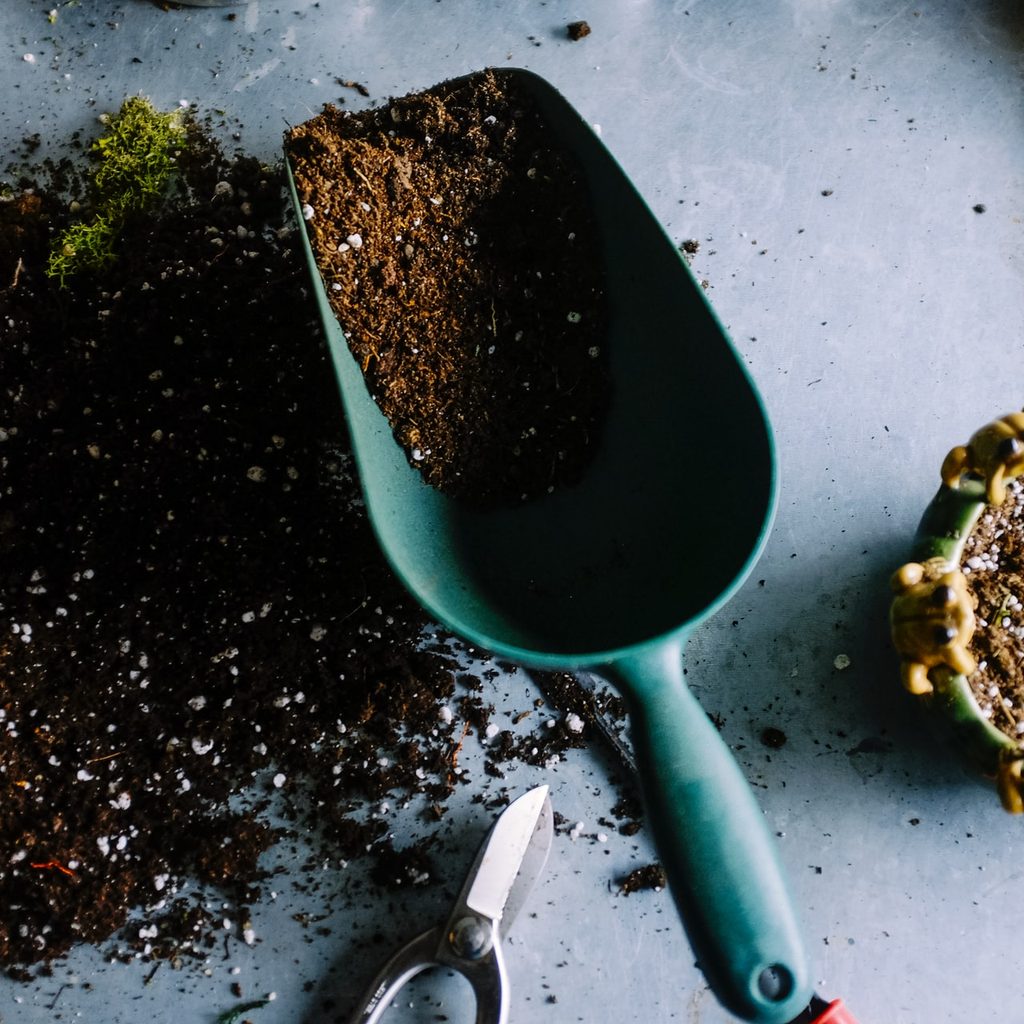
What is a soil conditioner
There are many different kinds of soil conditioners that solve a wide range of soil issues. Some can improve drainage and aeration in hard or clay soil; others are designed to add nutrients and texture to worn-out soil. So what is the difference between a soil conditioner and compost? Nothing! Compost is actually a type of soil conditioner. As we said before, a soil conditioner is any material that improves the soil’s physical structure. However, there’s a difference between soil conditioners (including compost) and topsoil. Gardeners can purchase topsoil at garden centers all over the country, and while many are screened and shouldn’t have any weeds, rocks, or other debris, the soil isn’t guaranteed to have a high quality of nutrients. Topsoil is often an excellent choice for lawns where grass will be planted, but it’s almost always better to use a soil conditioner in gardens.
Types of soil conditioners
There are two main types of soil conditioners, organic and inorganic. This doesn’t mean one is better than the other. Organic soil conditioners are made with things like animal manure, compost, cover crop residue, sewage sludge, sawdust, or peat moss. These materials were all “living” and are the reason for their name. Organic soil conditioners are often used to improve nutrient content and water retention. These types of conditioners are almost always a fantastic addition to any kind of soil and will likely enhance it no matter what.
Inorganic soil conditioners are made with materials like pulverized limestone, slate, gypsum, and glauconite. These are, of course, “dead” materials. Inorganic soil conditioners are used to fix a specific soil issue, while organic conditioners are often an excellent addition to any soil type. For example, gypsum adds calcium, and pulverized limestone increases the pH and adds calcium. Depending on your soil’s specific needs, inorganic soil conditioners might be the best solution for you. However, if you add them without knowing the condition of the soil, you could be doing more harm than good.
To figure out which is best for your specific needs, it’s best to start by testing your soil with a soil test kit. You can purchase many online, or you can send a sample to the nearest college with a horticultural department. They’ll often test your soil for you and send you back the results.
How to use it on flower and vegetable gardens
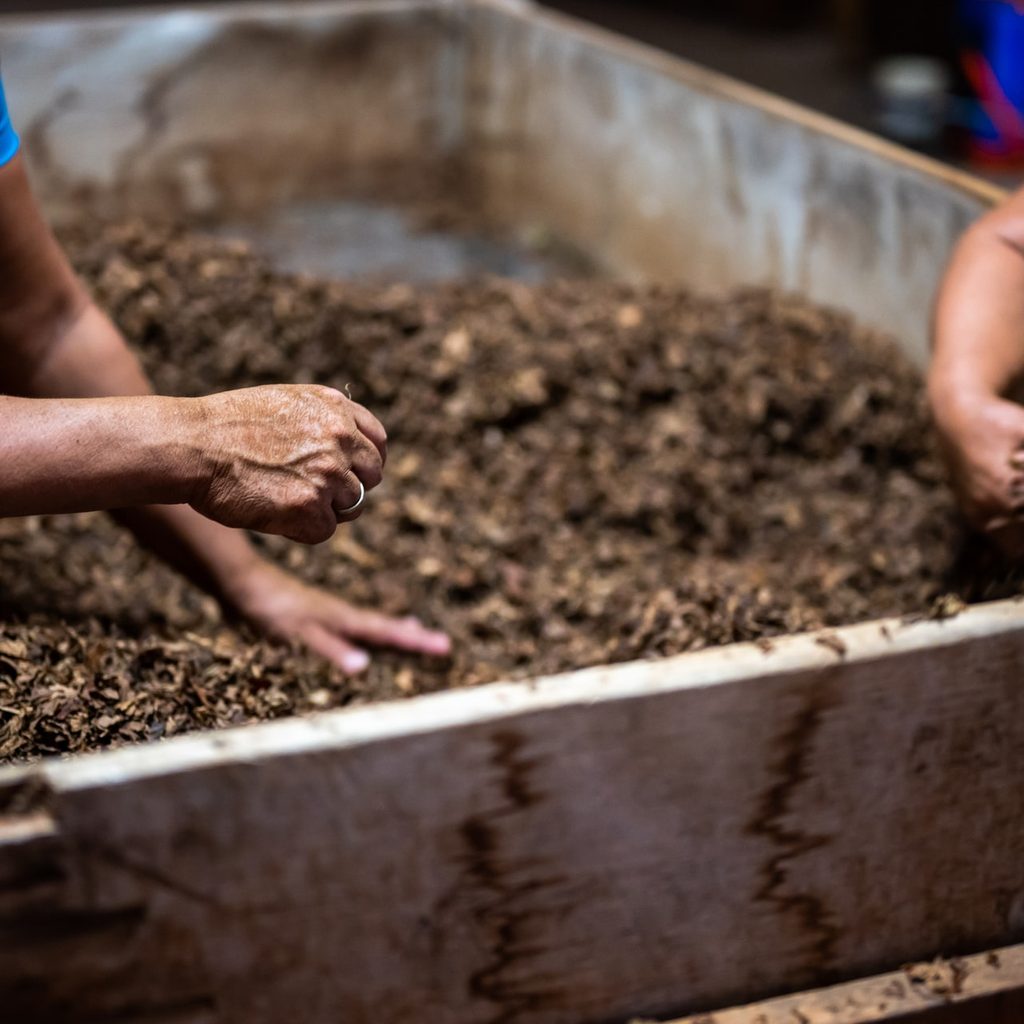
When preparing a bed for new plants, it’s best to begin by testing the soil. Once you’ve figured out what your soil may be lacking, you can then prepare the beds by removing any debris. This could be weeds, rocks, or other unwanted plants in the area. To add the soil conditioner easily, lightly till up the soil around 4 to 5 inches deep. Spread the soil conditioner over the tilled ground and use a rake to mix with the topsoil. Now your soil is ready for any plants you’d like to grow.
So now that we know compost and soil conditioners are the same thing and topsoil is best used for grass lawns, you can get to testing, amending, and planting your soil with all the correct soil conditioners. Your soil and your plants will be thanking you for the help!