When people think of summer, what flower usually comes to mind? Maybe it is the simplicity of the daisy or the vibrance of tulips. However, no plant says summer quite like a sunflower (it’s basically in the name). No one can look at a sunflower and not feel at least a little happy. Not only are they one of the more visually appealing flowers, but they are also one of the easiest to grow.
Sunflowers are naturally heat tolerant, pest resistant, and grow fairly quickly. They are also native to North America meaning they grow in many temperatures and climates. Once mature, the flowers can be used for many things: displaying them in an arrangement, leaving them outside to show off their natural beauty, roasting and eating their seeds, plus the petals themselves are edible. With summer quickly approaching, it is not too late to grow your own sunflowers.

What are sunflowers?
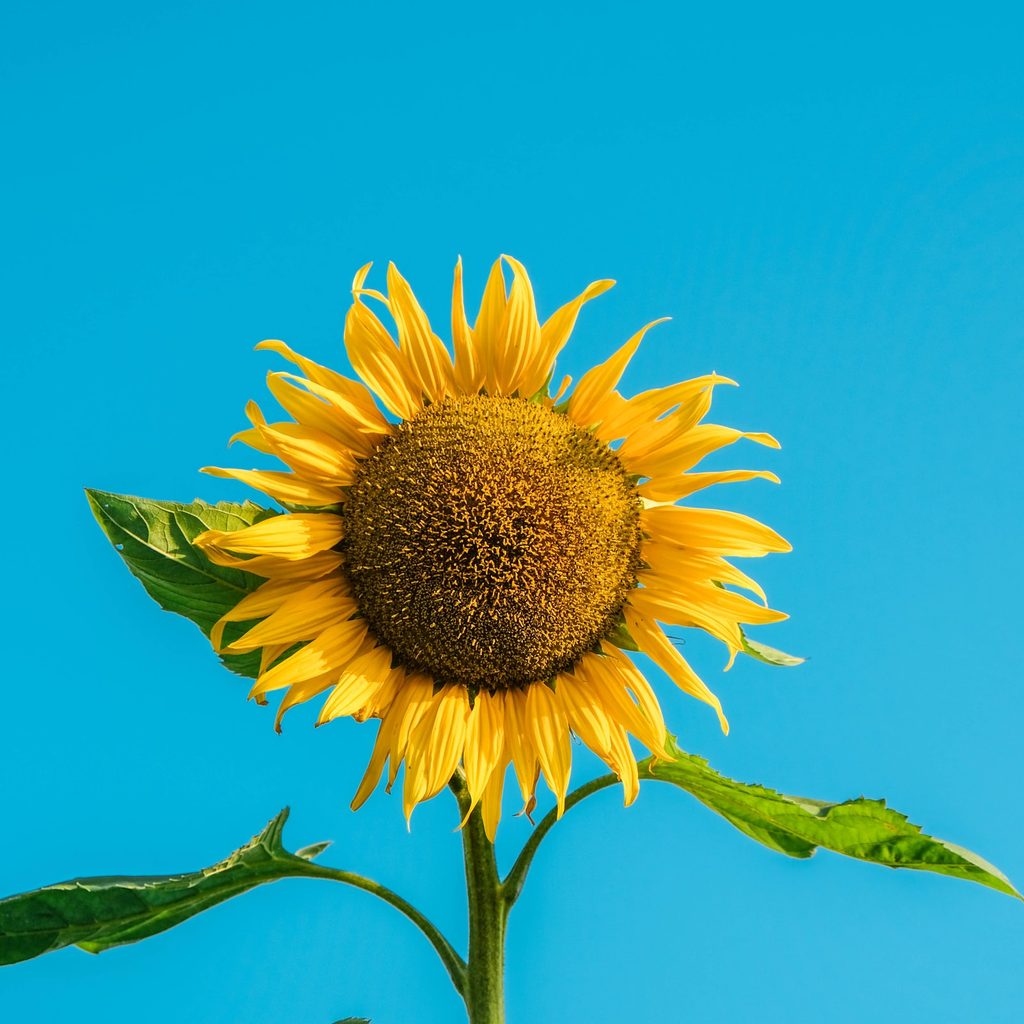
Let’s get the basics out of the way first. Most sunflower varieties will bloom for several weeks in the middle of summer in plant hardiness zones 2 to 11 (so basically all of them). The technical term for the plant is Helianthus annuus, looking like bright daises with yellow (although they can be red or brown) petals and a head filled with edible seeds. Sunflowers are tough plants, able to grow in many different climates, with some varieties shooting up to 14 feet tall while others are suitable for growing in containers at 1 foot tall. Many types of sunflowers will attract bees and other pollinating insects and animals, making them the perfect companion for any flower garden.
Planting sunflowers
While sunflowers are very resilient that does not mean you can throw them in the ground and forget about them.
Where to plant
- As the name suggests, sunflowers soak up a lot of sun so place them in spots where they will get blasted for six to eight hours per day.
- Sunflowers have long roots so plant them in loose, well-drained soil with a pH of 6.0 to 7.5.
- As mentioned before, growing sunflowers in containers is possible if you have a small variety. Make sure to choose a pot deep enough to support their long roots.
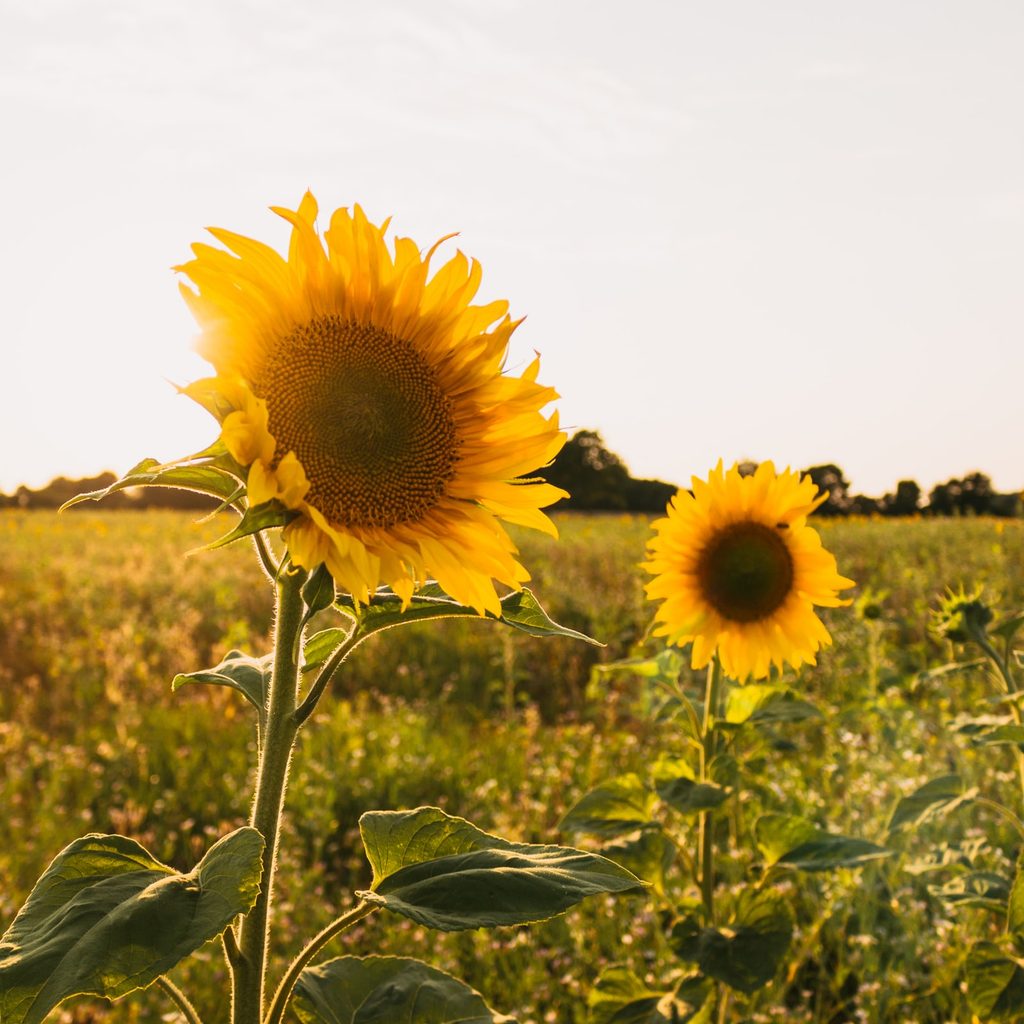
- If you chose one of the huge varieties, say ones that grow 10 feet or more, plant them next to a fence or other sheltered location so a strong gust of wind does not blow them over.
How to plant
- How late can you plant sunflowers? Plant seeds once the temperature of the soil reaches 60° F., usually between March and May depending on your location.
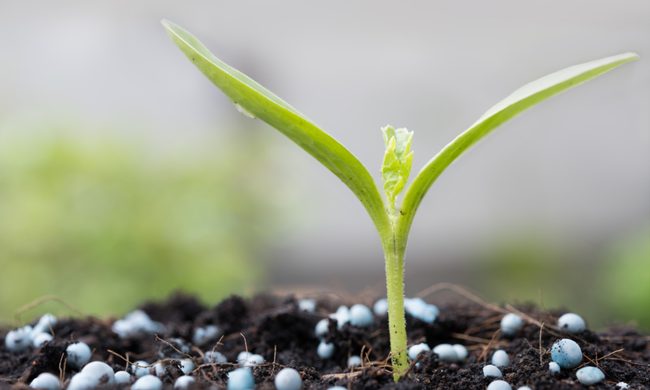
- Plant the seeds an inch deep and 6 inches apart. Once the seedlings reach 6 inches tall, then thin them out and leave the the strongest about 12 inches apart.
- If you want constant blooms, stagger when you plant, creating a new row every two to three weeks.
- From the time you plant the seeds, it will take 80 to 120 days to fully bloom depending on the variety.
Caring for sunflowers
Once the seedlings reach 6 inches, water the area around the roots, roughly 4 inches away from the plants. Once the sunflower has become established in the container or garden, water deeply but infrequently so the plant wants to grow long roots. For each sunflower, water once a week but use several gallons of water, increasing the amount if the weather is unusually hot or dry. If you chose tall varieties, then make sure to also provide support using bamboo or other wood supports.
Finally, fungal diseases, such as downy mildew and rust and powdery mildew, can attack the plants. If this happens, simply spray the infected leaves with a general organic garden fungicide.
Final thoughts
Summer is approaching, which means now is the best time to grow sunflowers. It takes almost three to four months for sunflowers to fully bloom so if you wait until June they may not have enough time to grow before fall hits. However, taking care of them is easy as can be. Plant them in direct sunlight for most of the day and water them once a week with gallons of water. If you follow these instructions, beautiful sunflowers will be blooming by the end of summer.