
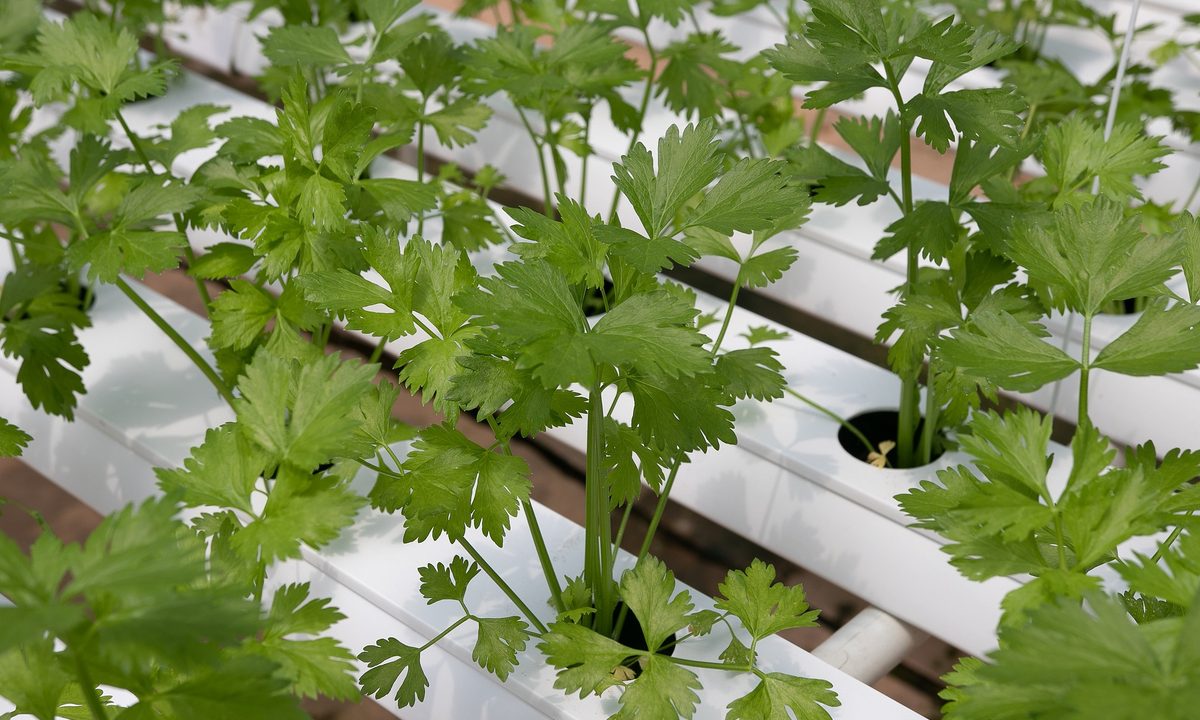
Hydroponic gardens are a fascinating way to grow plants indoors. There are many different plants that can grow hydroponically, and they can grow year-round with some preparation. In winter, there tends to be less light and more drafts. You may need to adjust by moving your hydroponic garden to a better location, supplementing with a grow light, or adding some extra protection to keep the drafts away.
Not everything has to become more difficult in winter, though. Some plants will grow just as well in winter, setting you up for success. This guide to winter hydroponic garden crops will help you choose what to plant.
Cilantro
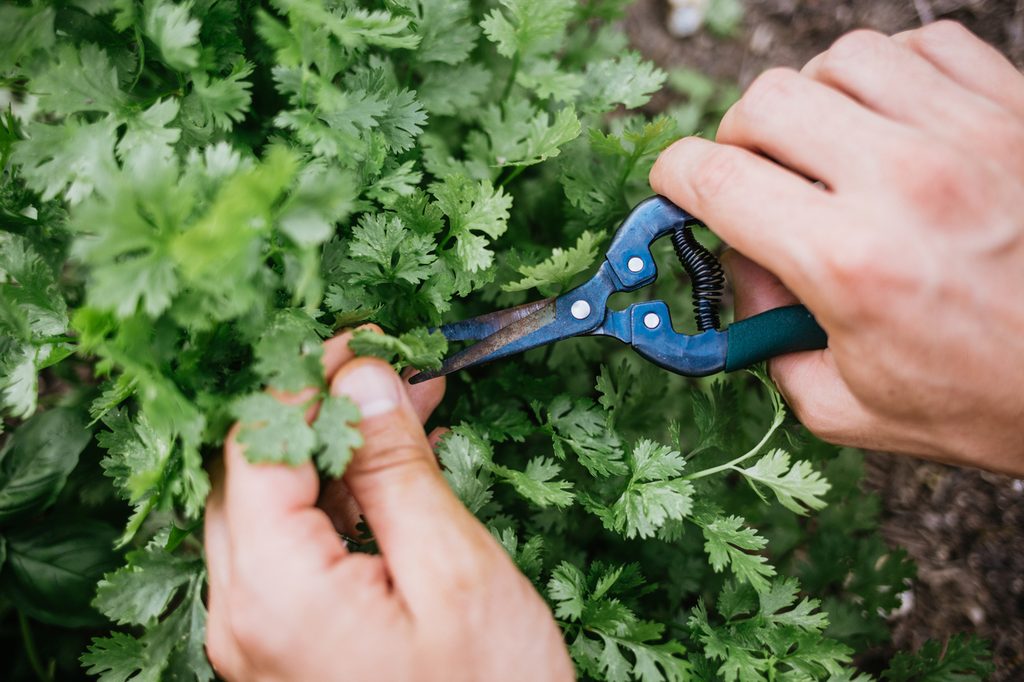
Cilantro is a controversial herb, but if you’re part of the population that enjoys it, it’s a great choice for winter hydroponic gardens. Cilantro prefers cooler temperatures and has a tendency to bolt (produce flowers, rendering the leaves bitter and unpleasant to eat) quickly in warmer weather. It does need roughly 12 hours of light a day for optimal growth, so a grow light may be helpful. Be sure to keep cilantro above the water level in your system, as it can develop bacterial leaf spot if the leaves become damp.
Carrots
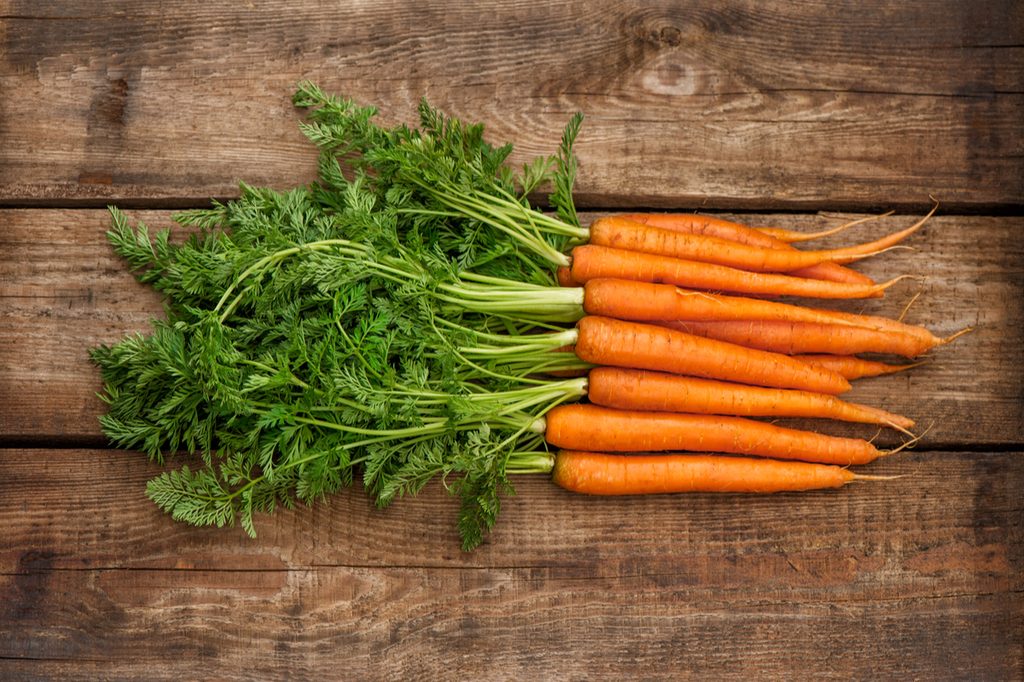
Carrots can be a little trickier to grow hydroponically than other vegetables, because, as root vegetables, they need some extra support to keep them upright and healthy. Some systems that better accommodate carrots are wick, drip, and ebb and flow, as these systems grow the carrots in a solid medium, rather than suspending them directly in water. With these systems, carrots can be grown easily throughout winter with only a few considerations. Carrots need plenty of room to grow, or else they may become stunted or malformed. They also need 12 to 16 hours of light a day.
Oregano
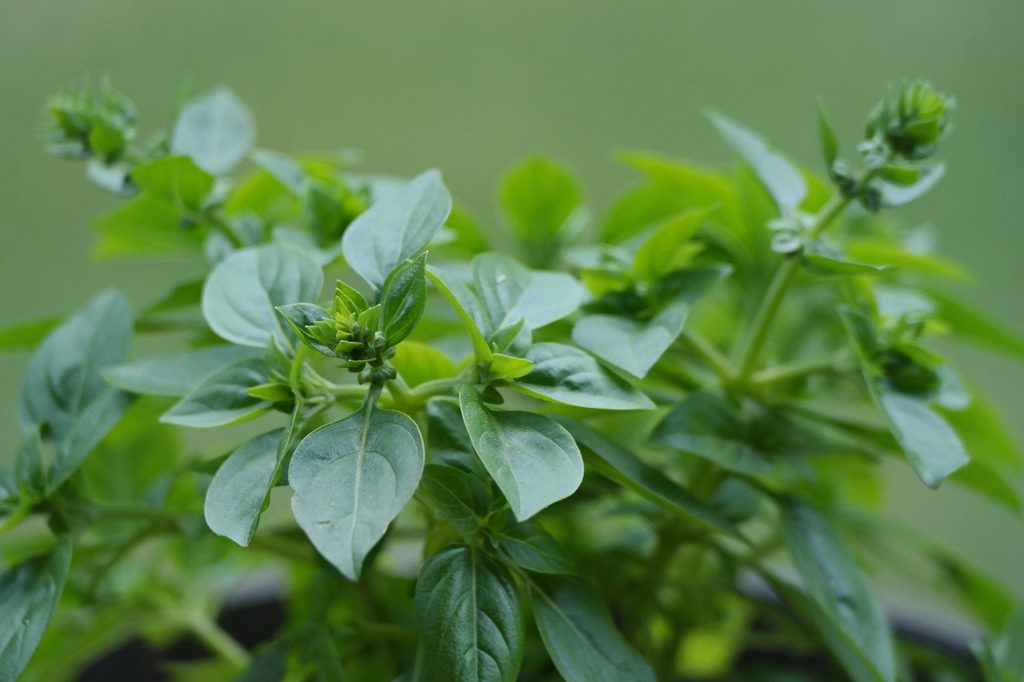
If you’re looking for something that’s a little easier to grow than carrots, then you might want to try oregano. Oregano prefers temperatures that are slightly warmer than cilantro or carrots, but still well within average room temperature. It also needs only 12 hours of light a day, so you may or may not need a grow light, depending on where your hydroponic garden is situated. One benefit to oregano, besides its many uses, is that one plant can be harvested multiple times. Since you harvest the leaves, one plant can provide you with a continuous stream of oregano.
Chives
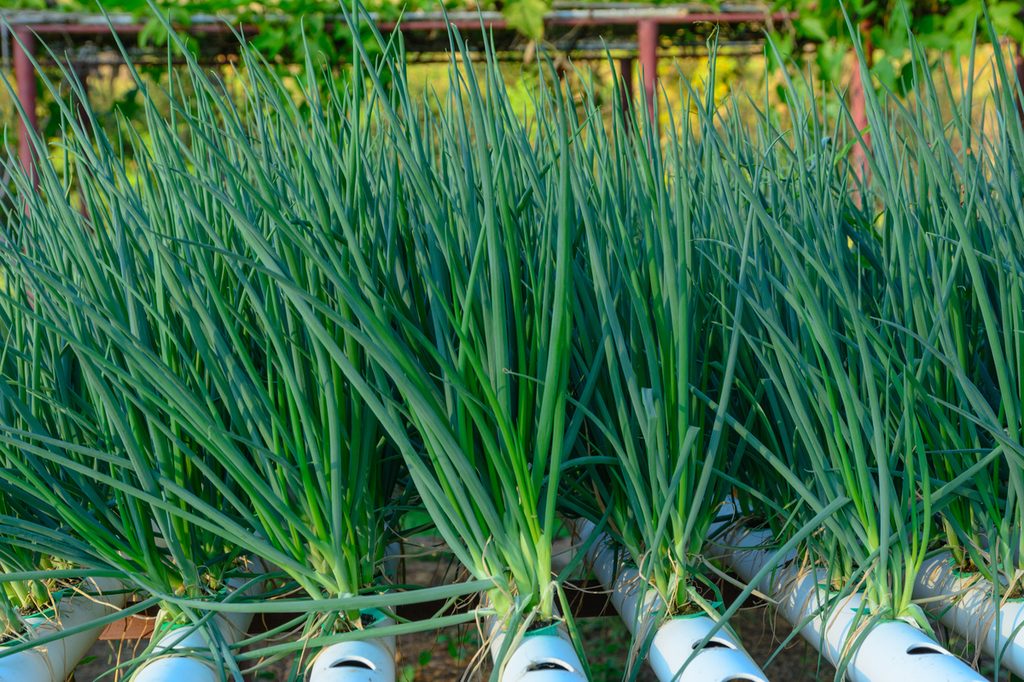
Both chives and garlic chives are easy to grow indoors, even in winter. They prefer warmer weather, from 60 to 80 degrees Fahrenheit. In many cases, this is within average room temperature ranges, but it does mean they need to be kept clear of any drafty windows. Chives will almost certainly need grow lights, as they need 14 hours of light a day. Chives can grow with less light, but they are likely to go dormant, resulting in a smaller harvest. However, chives that are not dormant can provide sizable harvests, starting when the plants reach about six inches tall.
Spinach
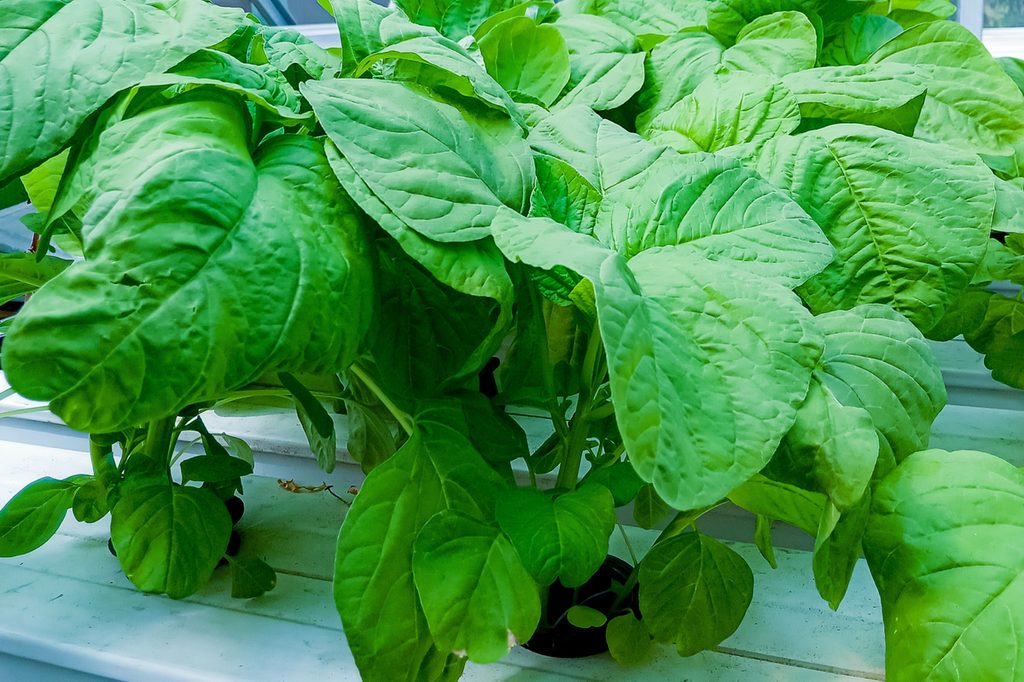
Spinach is a common addition to fall vegetable gardens, but you can grow it through winter in a hydroponic system. Spinach enjoys cooler weather, so you don’t need to worry about turning up the heat. 60 to 70 degrees Fahrenheit is the ideal range for spinach, and temperatures over 75 degrees Fahrenheit can cause it to wilt. Give your spinach 12 hours of direct light, either from the sun, a grow light, or a combination of both.
Keep an eye on it when it gets close to harvest time, to avoid spinach that has bolted and become bitter. Spinach is sensitive to pythium, a parasite that is sometimes found in hydroponic systems and causes root rot. Be sure to clean your system and any surfaces the plant will be touching before you plant it.
Broccoli
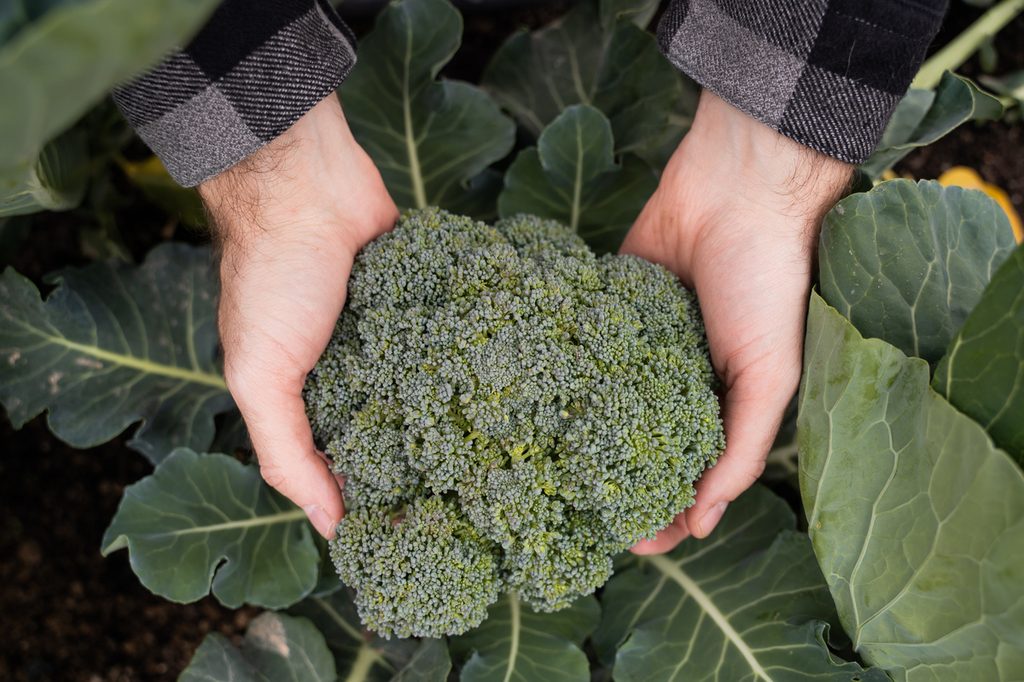
Broccoli is surprisingly easy to grow in a hydroponic system, and it can grow in any season. It grows fairly quickly, being ready to harvest in only a few months. Broccoli is naturally a cool weather crop, and it begins to bolt when temperatures reach 70 degrees Fahrenheit. This preference for cooler temperatures, even compared to other cool-weather vegetables, makes it a great choice if you like to keep your home on the chilly side.
It needs 14 to 16 hours of light a day, but be sure your grow lights aren’t too close to the broccoli, as they can heat the air. The main thing to consider when growing broccoli is spacing. They need at least a foot of room to grow properly.
Lettuce
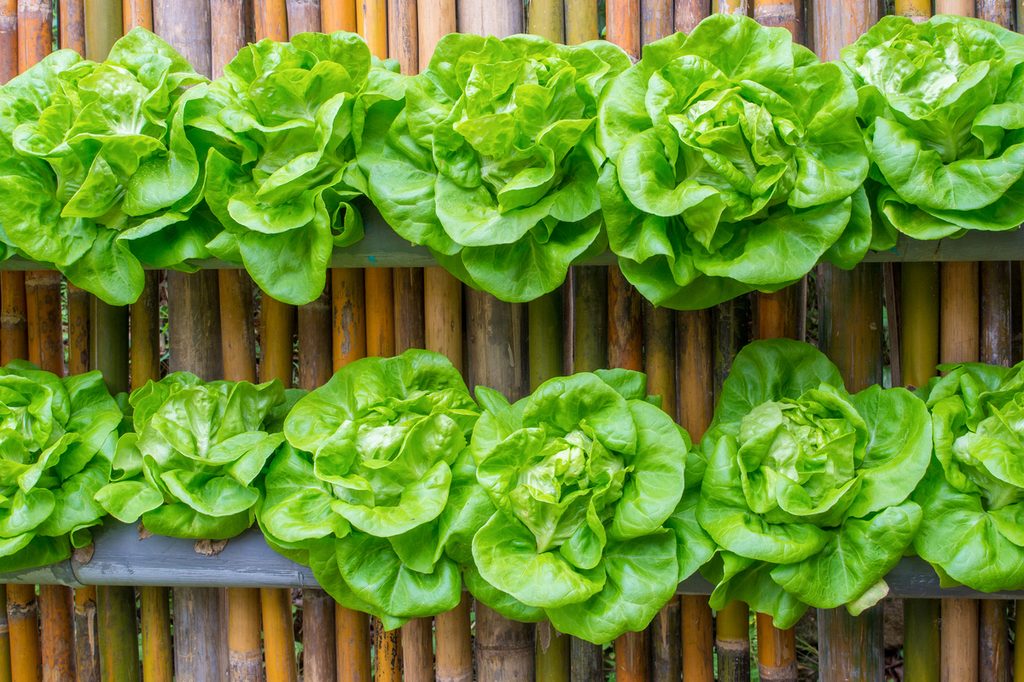
Lettuce is among the easiest vegetables to grow hydroponically, so easy that you can even regrow a partial head of lettuce using only a lettuce stem and a glass of water. Even during winter, you can grow plenty of fresh, crunchy lettuce in your hydroponic garden.
Additionally, it grows quickly. This doesn’t just mean you can start harvesting faster; it also makes this winter hydroponic garden crop easier to experiment with. Try growing a new type of lettuce, and if you don’t like it as much just switch again! Lettuce typically prefers full sun (although it can tolerate some shade) and grows best in mild temperatures around 60 degrees Fahrenheit.
These seven vegetables and herbs will make a wonderful addition to your winter hydroponic garden. Depending on the location of your hydroponic garden and what temperature you like to keep your home at, you might not even have to do much prep work! You can enjoy crisp, fresh vegetables even in the middle of winter by adding these plants to your hydroponic garden.