If you’re new to greenhouse gardening, you may not have a green thumb yet. You might have chosen the wrong kind of plants for the season, or you may have watered them too much or too little. You might have even over-fertilized them. In that case, you may have also ended up with a greenhouse full of dead plants.
Here’s the thing: Especially when you’re a beginner plant parent, you’ll want to choose hardy greenhouse plants that can survive both you and the winter. Thankfully, there are many common greenhouse plants that you can’t easily kill. Of course, the kind of plants you choose can heavily depend on where you live and the sort of greenhouse you have, but there are some plants you can grow just about anywhere. Let’s take a look at some greenhouse plants that even the most inexperienced plant owner will find hard to kill!
Winter lettuce
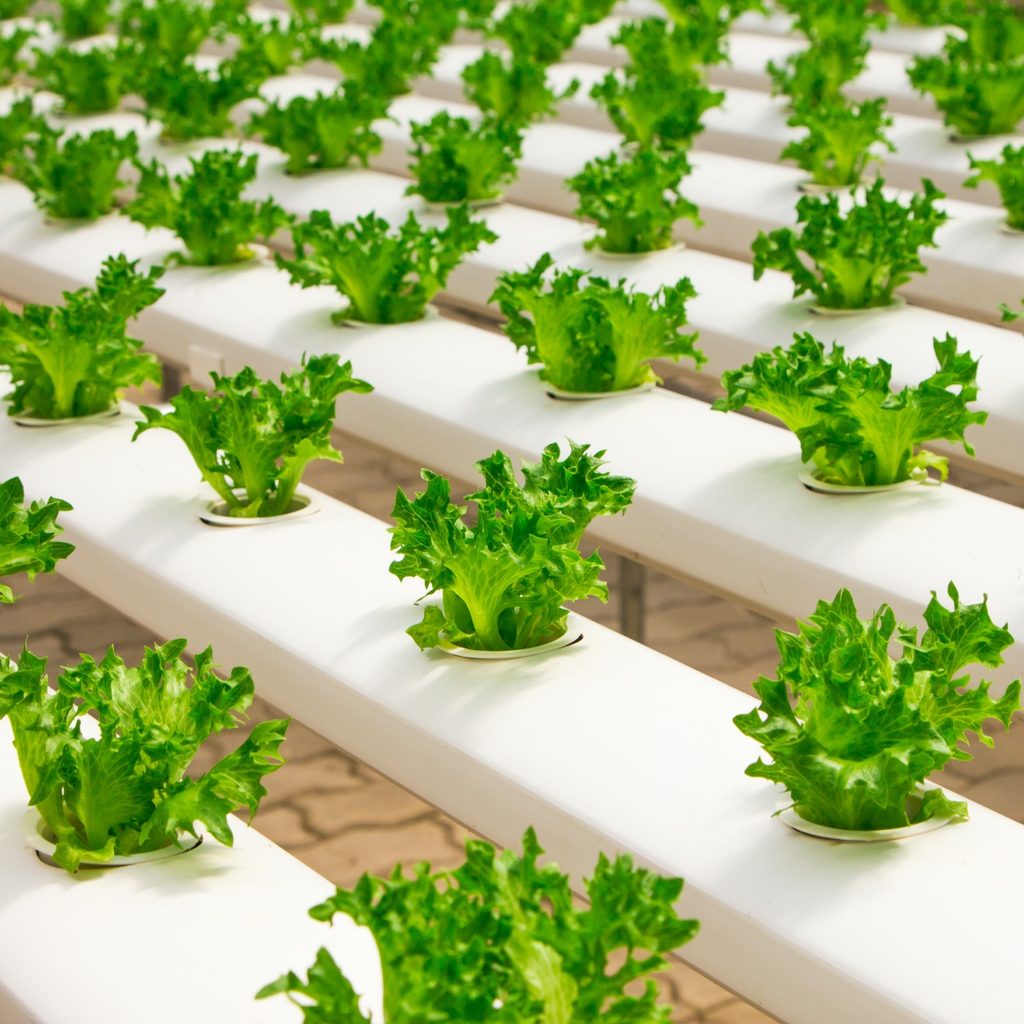
Believe it or not, greenhouse plants used to make salads are both hardy and easy to grow. As a bonus, you’ll have a greenhouse full of edible and delicious plants that you can use for salads all year long! You can raise a few different kinds of lettuce. Lamb’s lettuce, little gem lettuce, and rocket lettuce are perfect for growing in a greenhouse and are quite hardy. They grow pretty quickly, too.
Planting and growing these plants is really easy — the only tough decision you have to make is how you want to grow them.
- When planting lettuce in containers or seed trays: Take the seeds and spread them over the seed tray’s soil. Then, gently press the seeds under with your fingers.
- When planting lettuce in the ground: Normally, you can plant around one or two weeks before the last frost date. However, it’s safe to plant a bit earlier in the greenhouse since the structure provides protection against the harsh outdoor weather.
Herbs
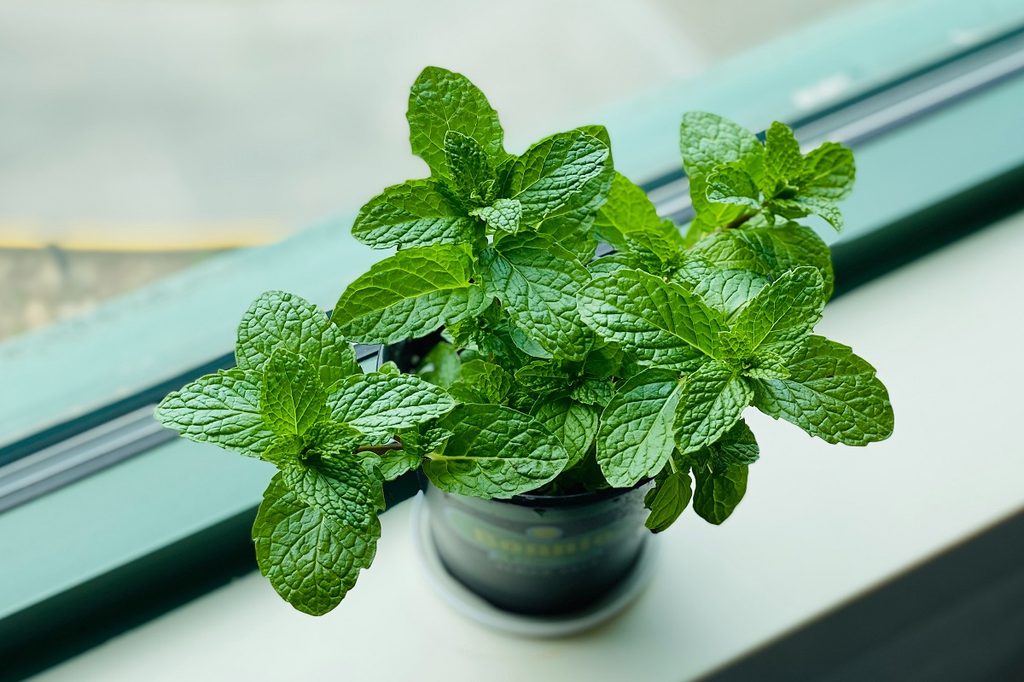
While many herbs would die if left out in the elements, they spring up like crazy inside a greenhouse. Some of the best herbs to choose from include dill, mint, coriander, and parsley. Some of these, like parsley, can even survive outside in the snow, so you know they’re able to live through harsh conditions (at least for a little bit of time).
Other common herbs from a Mediterranean climate, like sage and thyme, aren’t quite as hardy. However, as long as you’re keeping them warm in a greenhouse, they can be great plants for a beginner to grow!
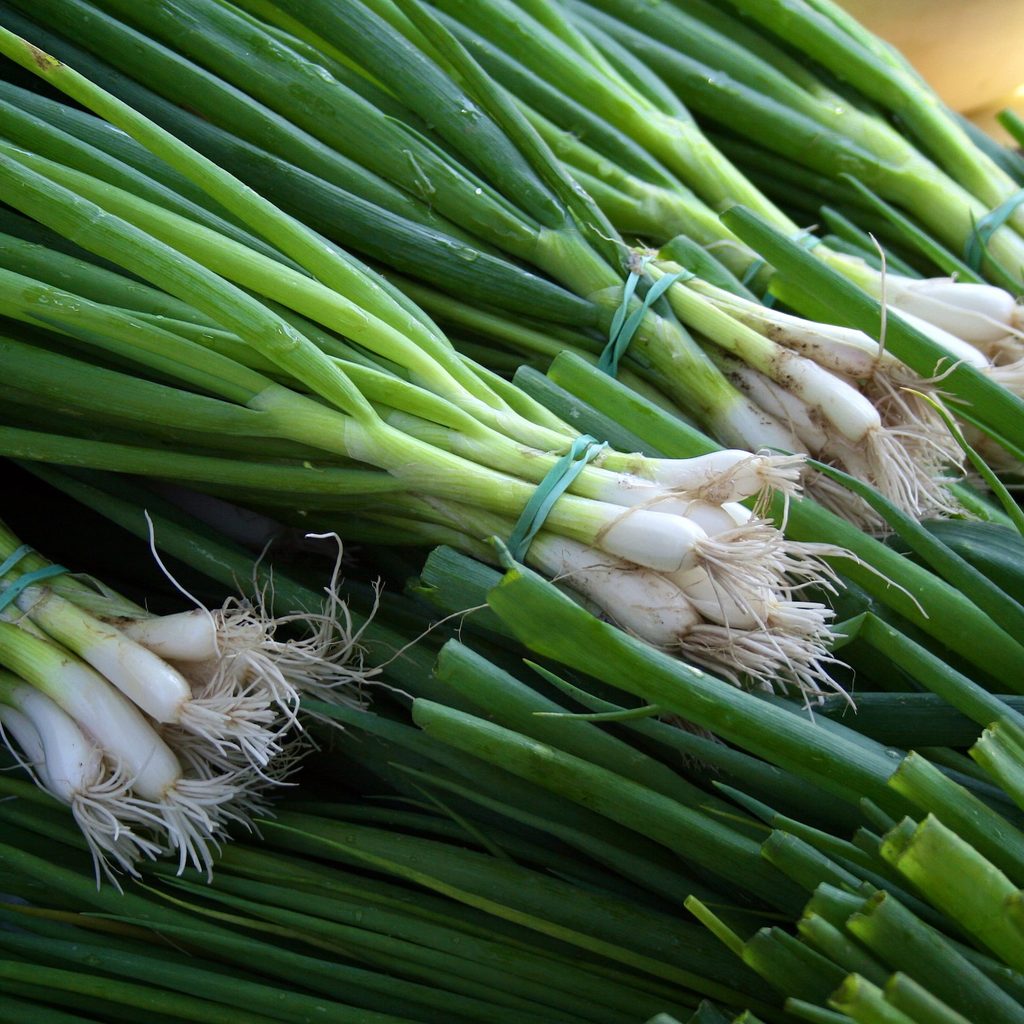
Green onions
Green onions are easy to grow, and they develop swiftly within climate-controlled greenhouses. In fact, they’re almost “set-and-forget,” as they grow in just about every season and can handle temperature extremes.
Green onions require almost no maintenance whatsoever and are therefore great for beginning greenhouse gardeners. You can plant green onions from both seeds and sets. If you grow them from sets, be sure to plant the bulbs in soil that’s well-drained.
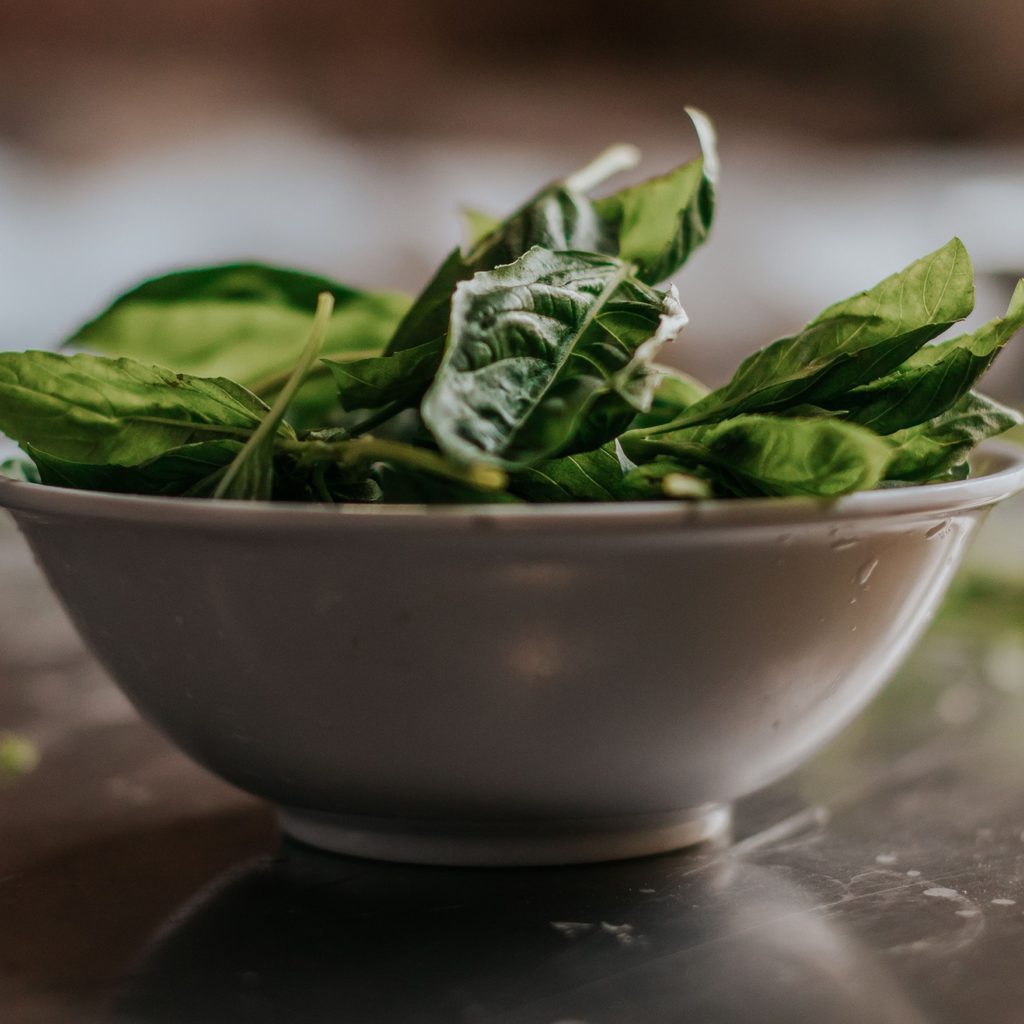
Spinach
Spinach is another super easy-to-grow veggie. Like the hardy green onion, it grows practically year-round, although it does tend to do better in cool weather. One of the best things about growing spinach is that it’s extremely nutritious. You can eat the plant raw or cooked, and there are numerous ways to prepare it.
When growing spinach in your greenhouse, place your plant in an area with a lot of sunlight. The soil you plant in should also be well-draining. One caveat to planting spinach is the fact that seedlings are hard to transplant. Spinach isn’t quite as hardy as some of the others on this list, especially when young. Be sparse with how much you feed spinach, and ensure that you keep the soil moist by using mulch.
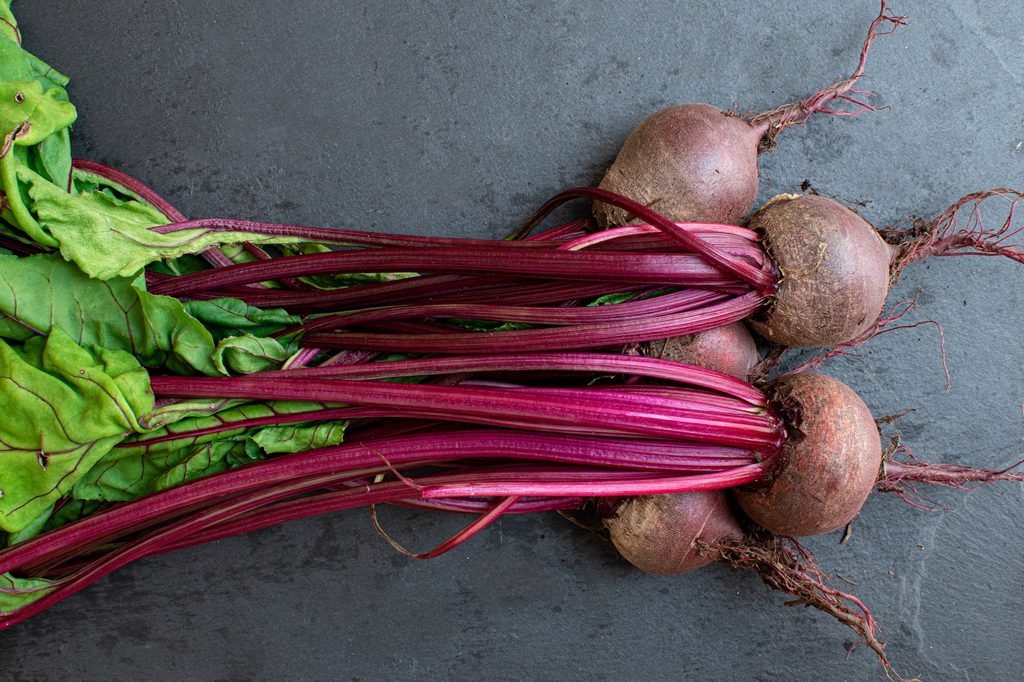
Turnips
The humble turnip is an excellent choice when deciding on plants that are hard to kill. Like the others mentioned, they grow fast and are supremely adaptable to weather conditions. If you choose to plant turnips, you should never plant them in the same place twice in a row. Practicing crop rotation can help prevent diseases to which turnips are sometimes susceptible. That said, disease and pests aren’t generally big problems if you’re growing turnips in a greenhouse.
These plants grow and mature quickly. Their roots (that most recognize as the actual turnip) should be ready to pluck about a month following maturation.
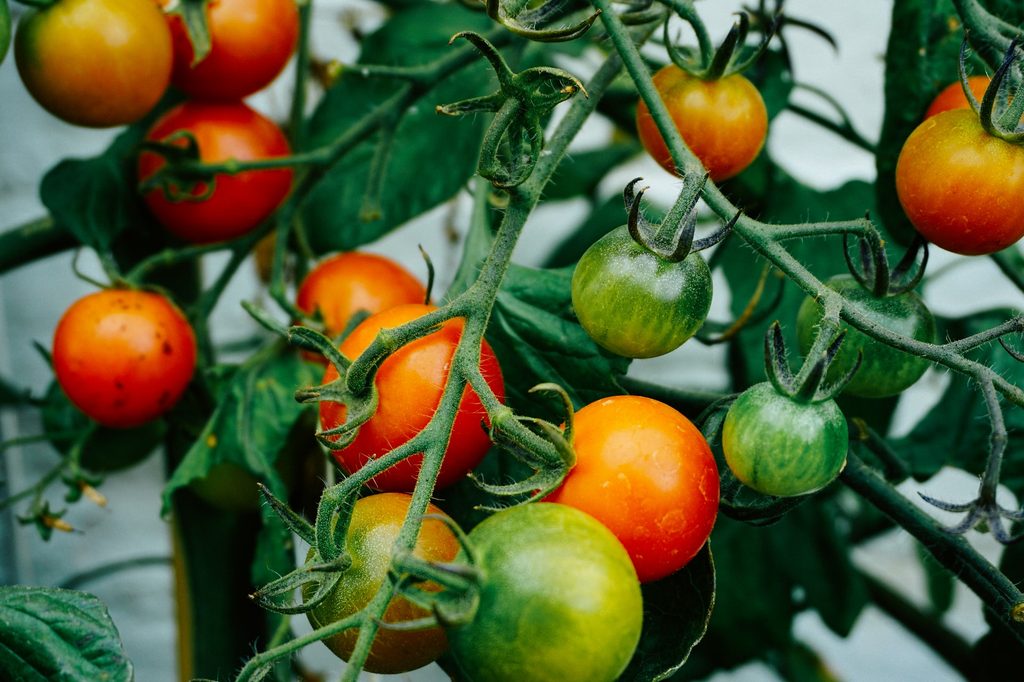
Tomatoes
Juicy and versatile, tomatoes are also easy to grow inside of greenhouses. While tomatoes do best in warm weather, a greenhouse can help prolong your growing season. In a small greenhouse, it’s ideal to choose a compact determinate variety that you can keep in a deep pot or grow bag — while these don’t need staking, it doesn’t hurt to install a trellis to support them and maximize your vertical space. When you’re growing tomatoes inside greenhouses, make sure that they stay adequately warm. You also want to give your greenhouse plenty of air circulation to prevent pests and diseases.
Tomato seeds germinate quickly, so you can grow them from seed if you can’t find any seedlings. As your seedlings grow, give them at least six hours of bright light a day and keep the soil moist but never soggy. Transplant them when they are roughly 4 inches tall, and continue supplying them with adequate warmth, light, and moisture.
Many people who love the idea of greenhouse gardening don’t even attempt it because they’ve had “bad luck” when it comes to growing plants. For whatever reason, their plants didn’t grow well or died quickly. Perhaps it was due to a lack of knowledge on the part of the grower. Maybe it was because the plants chosen were a bit harder to grow than others. Whatever the reason, choosing the hardy greenhouse plants on this list is a surefire way to begin greenhouse gardening without the fear of “getting it wrong” and killing the plants you love.