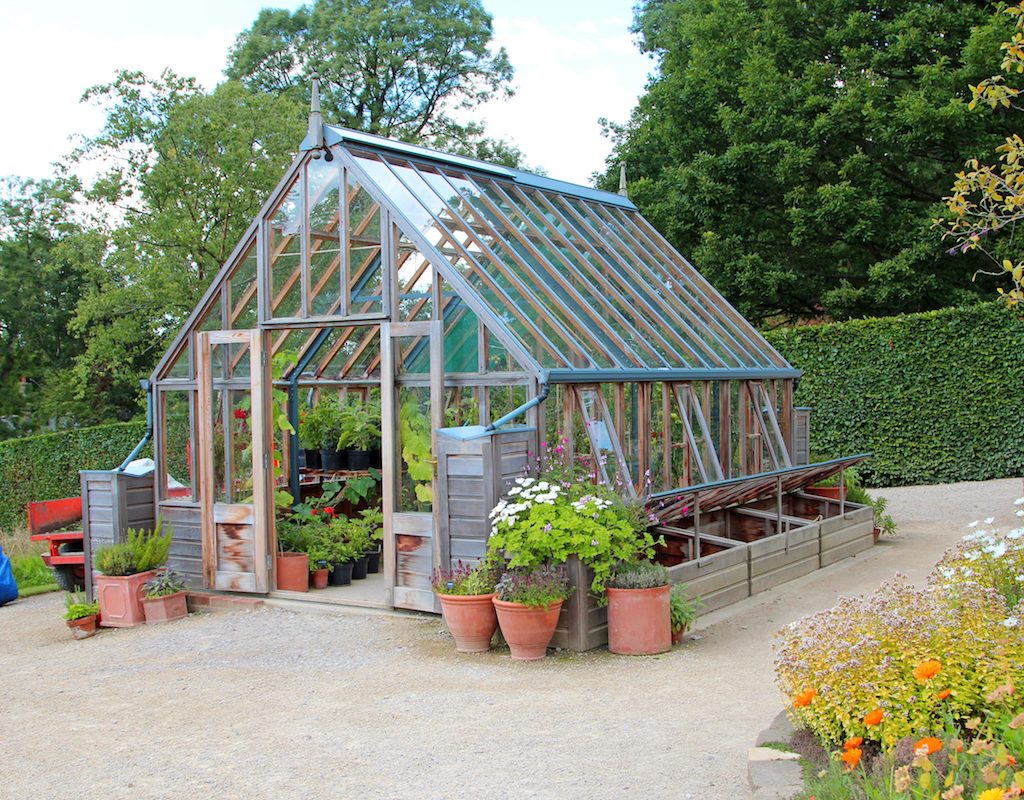
Greenhouses come in all shapes and sizes, but they all work the same way: They’re insulated structures that provide warmth and protection to growing plants. Vegetables, fruits, and ornamental plants do well in greenhouses. As with any environment, you’ll want to spruce up this space so your plants can thrive in their home. Ahead, we break down why you should maintain your greenhouse and go through which tasks you should put on your greenhouse cleaning checklist.
The benefit of having a greenhouse
One of the main reasons people use a greenhouse is to extend the growing season. This space offers bountiful sunlight and warmth so you can successfully start vegetables in early spring and autumn. While your plants receive enough energy to photosynthesize, they can also avoid rain, snow, and wind. After starting your plants, you can bring seedlings out into your garden once they grow big enough or the weather becomes warm enough.
Reasons to maintain your greenhouse
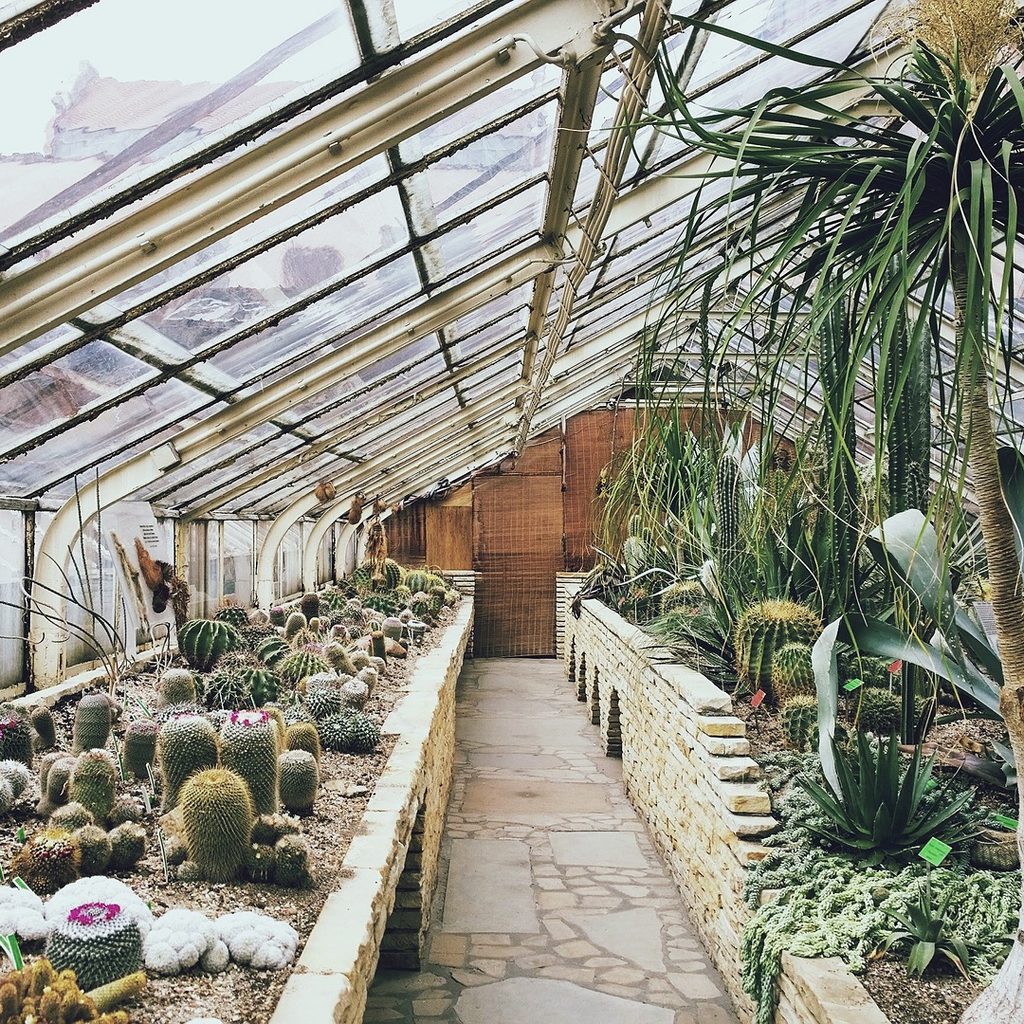
Your greenhouse is a beautiful plant-filled space, but it still needs love and care like every other space.
Orderliness
While you may use a greenhouse for the sole purpose of keeping your plants warm, it’s presumably an area where you’ll spend a lot of time as a gardener. Maintaining this space will make it not only more visually appealing but also more functional. You want to navigate this space with ease. Designating areas for specific plants, tools, and resources will make greenhouse gardening more efficient.
Pest control
Garden-friendly insects exist — ladybugs help with aphids, and bees aid with pollination. But not all critters will be good in a greenhouse. Pests and diseases that kill plants can quickly grow out of hand in a hot and humid greenhouse if you don’t keep an eye on your soil and foliage.
Temperature regulation
Regulating the temperature in your greenhouse makes it comfortable not only for you but also for your plants. Extreme temperatures in the winter and summer can be strenuous on your green friends. Concentrated heat especially becomes an issue in hot weather, so you want to give your plants enough shade and ventilation so they don’t burn and wilt.
Optimal photosynthesis
Greenhouses essentially trap light and heat. Plants convert sunlight into energy to grow, and they need warmth to survive, as well. Optimizing photosynthesis in a greenhouse will require clean windows and walls so that sunlight can enter. When it comes to warmth, many greenhouses will have thermal mass, which refers to stored heat. Gardeners will keep water jugs or bricks around in this space so these materials absorb excess heat during the day and release it when it’s cold at night.
Your greenhouse maintenance checklist
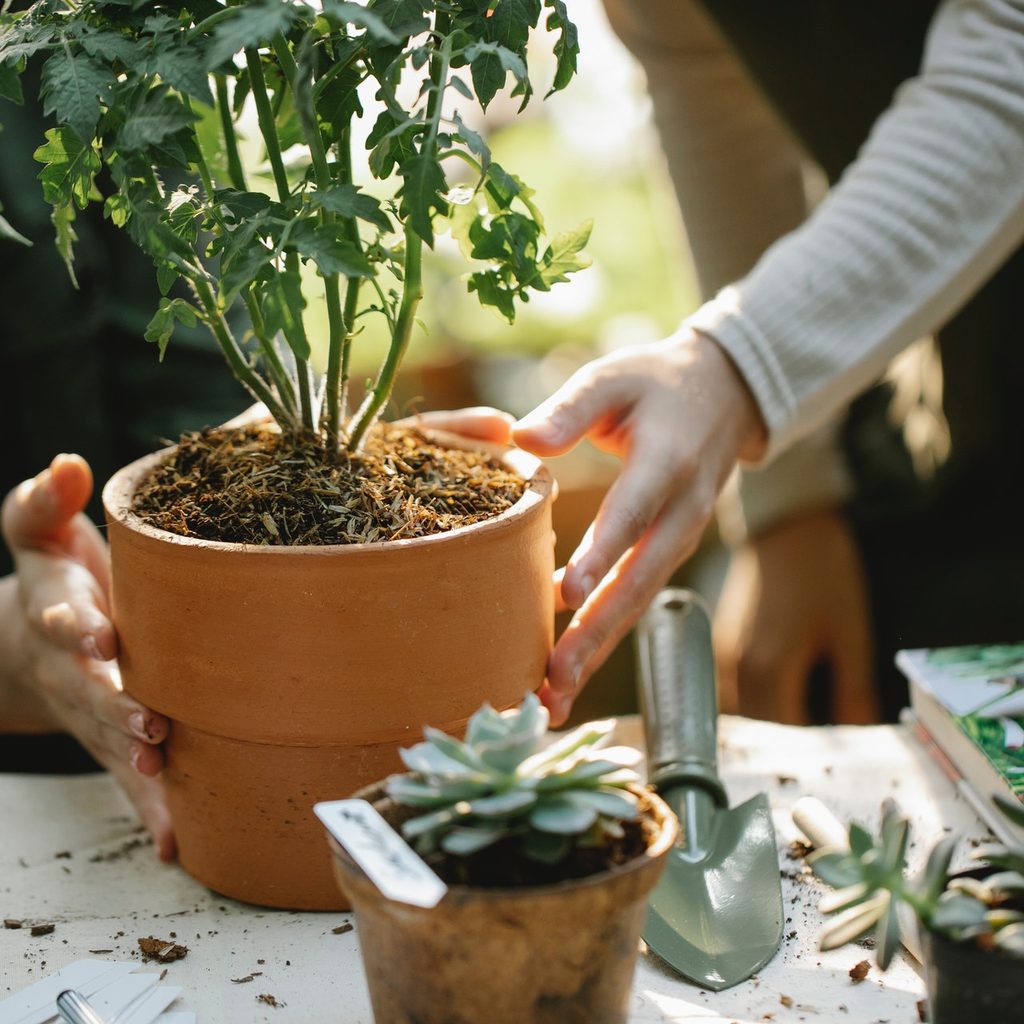
Not sure where to start? We’ve got you covered with our inclusive maintenance checklist.
Tidy up your greenhouse
Tidy up your greenhouse by sweeping away debris and pulling weeds. Arrange your plants by similar requirements — you wouldn’t want to put a thirsty begonia next to a succulent aloe vera plant. Assess your space and see if you need any extra organizers or shelves for your plants and tools.
Check your soil and leaves for pests and diseases
Every so often, check the undersides of your leaves for any signs of pests. Also, observe your soil for any growths or odors. It’s best to start with healthy plants from your local garden center so you won’t have to spend so much time with pest control. To keep plants happy, add compost and fertilizer to encourage growth.
Dead leaves and residual dirt may make your greenhouse a hospitable environment for insects such as fungus gnats. If you have plants impacted by pests such as spider mites and scale, take care of them as soon as possible with water, alcohol, or neem oil. You don’t want the pests to stick around for long as they may spread to other plants.
Gauge if your greenhouse needs extra ventilation or heat protection
During the summer, it’s critical to give your vegetables and plants enough ventilation. There are many ways that you can go about doing this. First of all, you can install fans in your greenhouse. If your plants start looking burnt, add shade cloths to the roof or windows. Gardeners who are still in the process of designing their greenhouses should consider installing windows and doors that open.
Keep in mind the opposite — heat retention, which is a concern for cold nights. If you don’t close up your greenhouse altogether during the winter, consider using frost blankets and cardboard covers to protect your plants. You can throw glass panels over seedlings to warm them up and supplement them with heat mats. Use thermal mass in the form of water barrels, hay bales, or gravel. Thermal mass will absorb heat during the day and release it during the night. Some gardeners may even add a small space heater.
Clean your greenhouse roof and walls
To make sure your greenhouse receives enough sunlight, you want to clean its walls and windows. Greenhouses are made from a translucent plastic or glass material, so water and mild soap should get the job done. Wipe away buildups of dirt, algae, and other debris so your plants can efficiently convert sunlight into energy.
Maintaining your greenhouse may feel like a daunting task. However, if you break the work up into a checklist, you’ll be well on your way to creating a hospitable home for your plants.