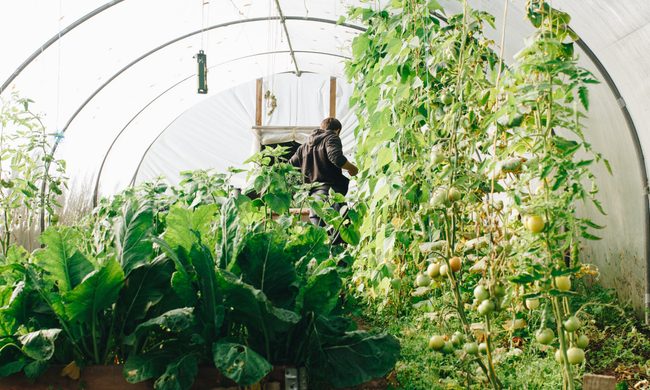
If you aren’t sure what to grow in a greenhouse, but you would really like to up your gardening game, then look no further! It can be daunting to try a new gardening technique, but using a greenhouse is much easier than it seems. Growing plants, flowers, and even veggies in a greenhouse can open up new options, allowing you to grow interesting plants that might not survive in your home or yard.
In this beginner’s greenhouse guide, we’ll talk you through the basics, and at the end, we’ll list some of the easiest plants you can grow in a greenhouse.
Why you should have a greenhouse
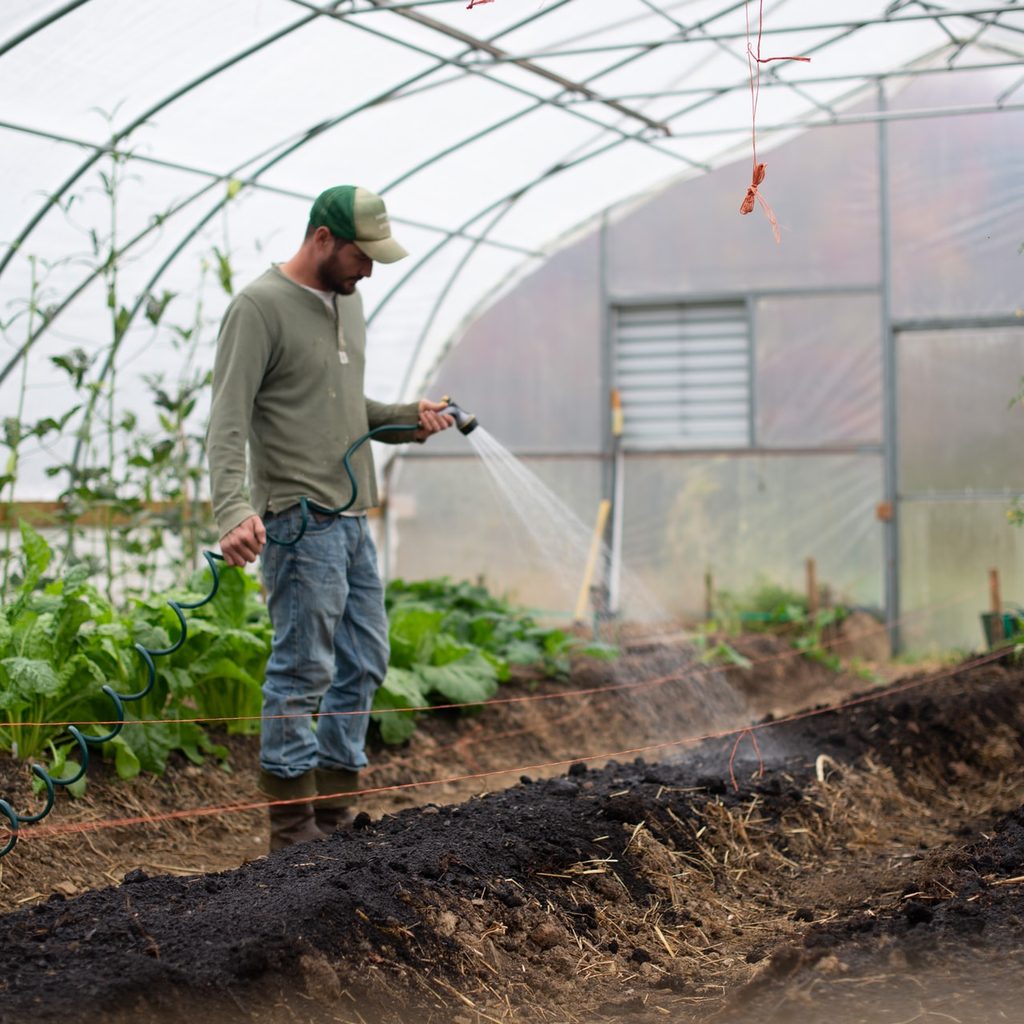
First, let’s talk about why you should have a greenhouse. There are several reasons a greenhouse will help you on your gardening journey. Greenhouses allow you to get a jump start on the gardening season and grow more robust plants to transplant once the weather warms up. The indoor environment also gives the baby plants a safer place to grow. In a greenhouse and a controlled environment, the tiny plants don’t have to worry about diseases, insects, or rodents coming along and killing them before they get a chance to grow.
Additionally, growing in a greenhouse allows you to grow plants you might not otherwise be able to grow in your climate. For example, in zone 4 and 5, it’s tough to grow tropical plants; with a greenhouse, you might finally be able to grow your dream plant that likes warmth and high humidity.
For those with flourishing flower gardens during the summer, you likely miss those colorful blooms in the middle of winter. Luckily, greenhouses provide the perfect place to grow gorgeous cutting flowers all year round. You could also grow herbs in your greenhouse for fresh spices for your cooking!

Consider this before you choose which plants to grow
There’s a lot to consider before choosing which plants you’ll want to grow in your greenhouse. Here’s what to keep in mind.
Care requirements
What plants need greatly determines if they’re a good fit for growing in a greenhouse. So, research the plants in question and find out what lighting, soil type, and moisture level they thrive in. If those requirements can’t be met within your greenhouse, we suggest avoiding growing those plants. While you might be able to keep the plants alive, they won’t flourish and will probably only end in you being frustrated and wasting your time and money.
Temperatures
One of the most significant aspects of a greenhouse is having a warm place to grow plants for more extended periods. However, this can only go so far and there’s a certain point where even a greenhouse can’t keep out the cold. So be sure that the plants you’re planting will be able to survive the temperatures that your greenhouse can provide.
Alternatively, during the summer, the greenhouse will be much hotter. Many plants may suffocate and die. We don’t often think about it being too hot to grow certain plants, but this is a concern when growing in a greenhouse. Plants that like it hot are tropical plants and peppers! Hot peppers love the heat and taste better if exposed to scorching summer temperatures.
Transplanting
When growing veggies for the garden, you can use a greenhouse to get a head start on your seed starts. However, a bit of math is required to ensure your plants are at the proper development stage to be transferred to the outdoor garden. This simply means looking at their seed to transplanting dates and backtracking.
First, find out what your last frost date is; that’s when you’ll be able to transplant most of your plants out of the greenhouse and into the soil. Second, check on the seed packets to determine how many days it takes those seeds to germinate and grow to be ready for the soil. Third, take that number and count backward from the frost date. Now you know when to start your seeds in the greenhouse!
Additionally, some plants are sensitive to the stress caused by transplanting. Plants with delicate roots, especially root vegetables like beets or carrots, often fail to thrive when transplanted. That doesn’t mean you can’t grow them in your greenhouse, though! You’ll just want to grow them in pots that you can move out of the greenhouse without disturbing their roots.
Plants that grow well in greenhouses
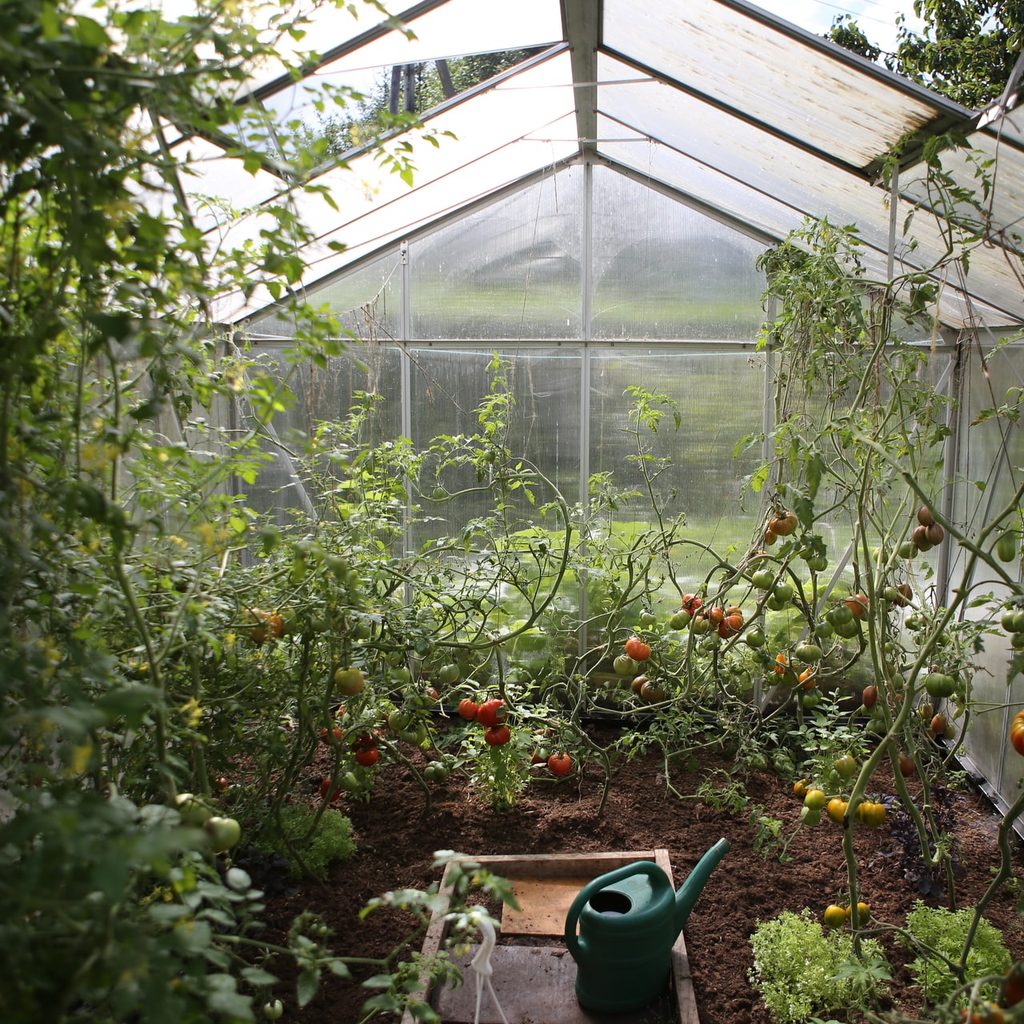
With the proper setup, most plants can grow in a greenhouse. If you want to give yourself an easier time starting out, here are a few of the easiest and most popular greenhouse plants:
Vegetables
- Lettuce
- Broccoli
- Peas
- Carrots
- Cucumbers
- Tomatoes
- Squash
- Peppers
Flowers
- Geraniums
- Impatiens
- Petunias
- Salvia
- Caladiums
- Ferns
- Poinsettias
- Chrysanthemums
- Pansies
- Coleus
- Gazanias
Exotics
- Orchids
- Venus flytraps
- Cacti
Getting a greenhouse is an excellent way to take your garden to the next level. Luckily, there are many different options and many unique setups depending on what you’re looking to grow. So do some research on what type of greenhouse you might need and get started producing some big, luscious, and healthy plants!