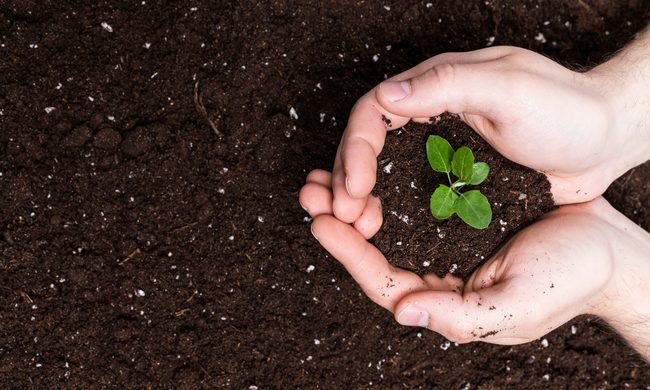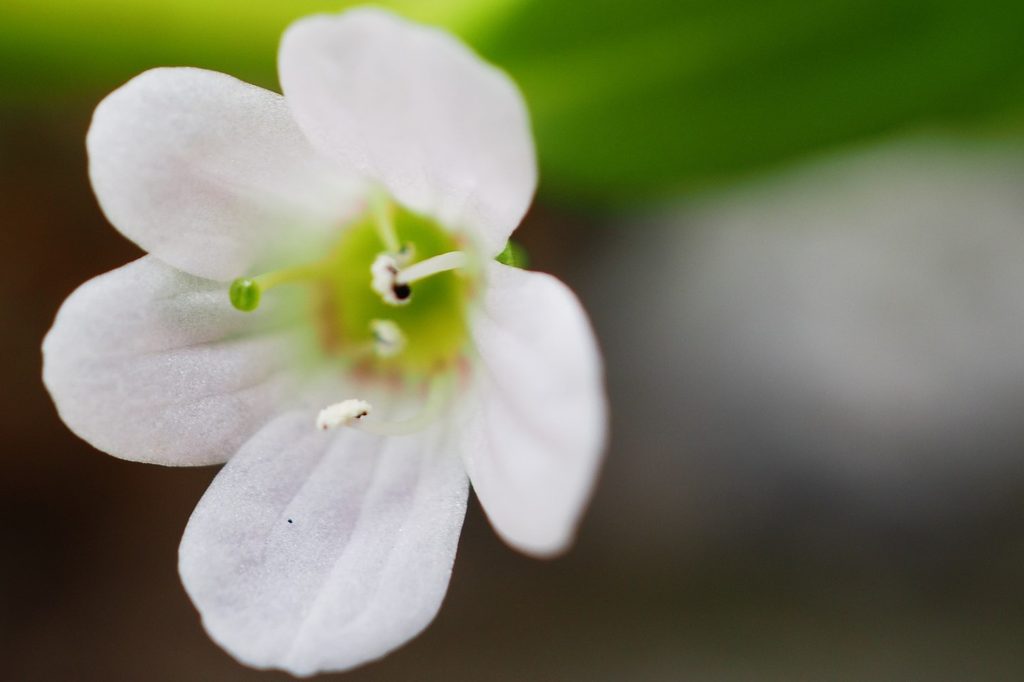
Spring and summer flower gardens are known for their bright colors, sweet smells, and cheerful atmospheres. There are many options when it comes to choosing what flowers to plant, but what if you’re looking for something new? You might be interested in bacopa. Bacopa is a great choice for any flower garden, from outdoor gardens to indoor ones, hanging planters to window boxes. In this bacopa care guide, we’ll walk you through all the steps of planting and caring for your new bacopa plant.
What is bacopa?
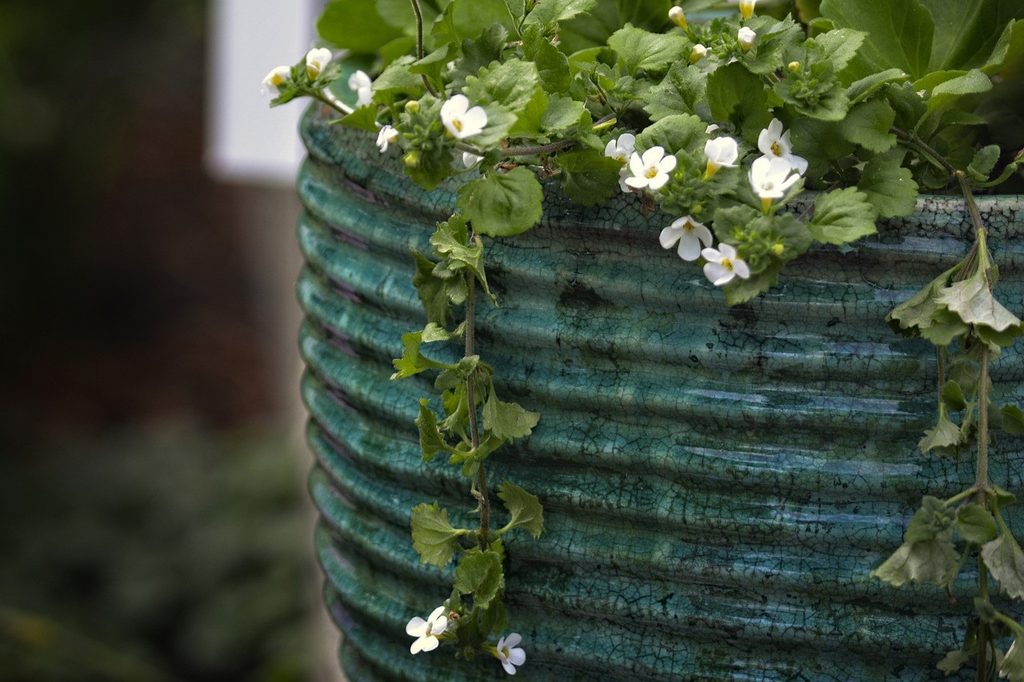
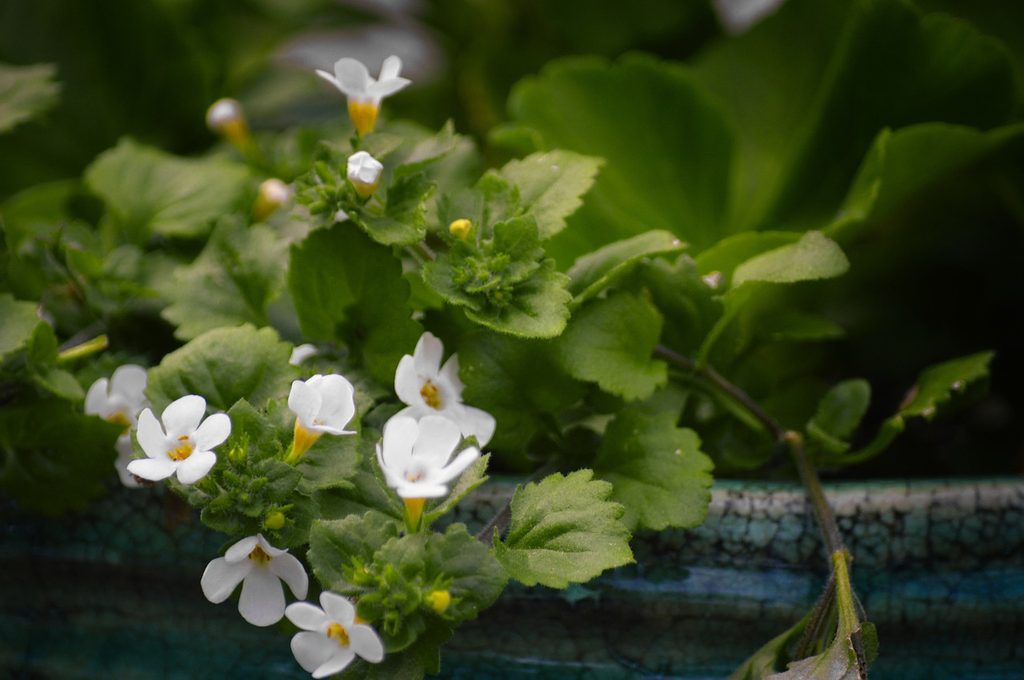
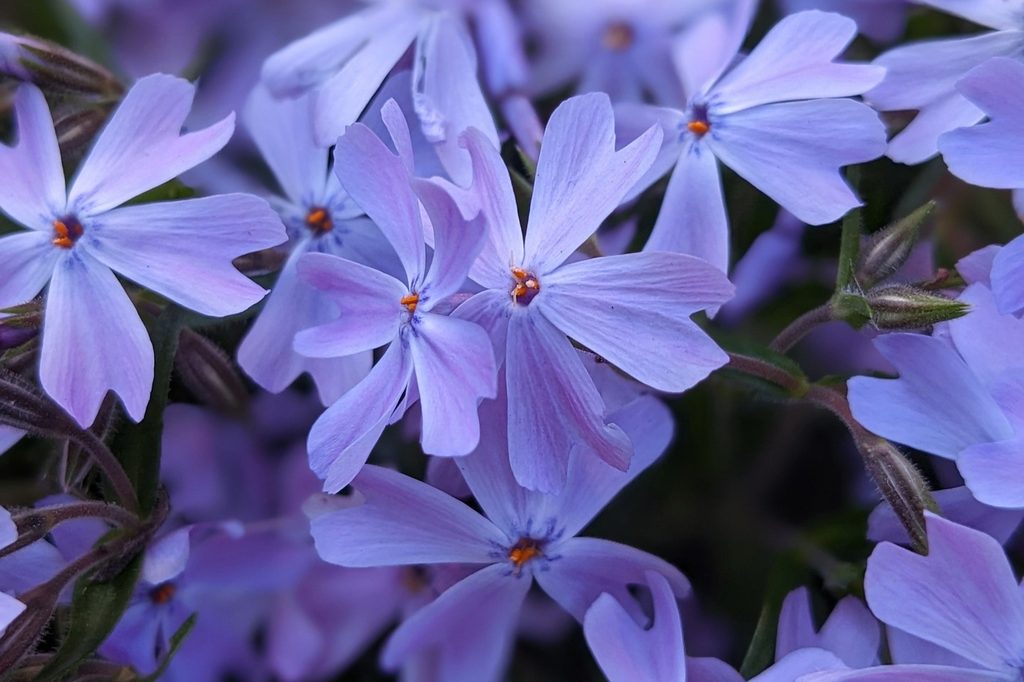
Bacopa (Chaenostoma cordatum) is a beautiful flowering plant from South Africa. It has trailing vine-like stems that grow flowers in shades of white, pink, and purple. A single bacopa plant will produce many flowers, creating a small mound of flowers for your garden. Their trailing stems make bacopa plants perfect for hanging planters and window boxes, while the number of flowers makes them great for traditional gardens.
Bacopa can grow as a perennial in warmer climates, but cooler climates may have to settle for growing it as a summer annual. Fans of Nintendo may recognize bacopa’s other common name, the Pikmin flower! This name comes from the Nintendo video game characters that grow these flowers on their heads.
Planting your bacopa
You can plant bacopa in full sun to partial shade. However, more sun means more flowers, so planting your bacopa in full sun will give you the best results. Bacopa doesn’t thrive in dense soils, and it prefers rich, well-draining soil. Consider mixing compost into your soil before planting your bacopa to lighten the soil, improve drainage, and add more nutrients to the soil.
The plant is well suited for hanging baskets and window boxes, but make sure the containers have good drainage holes and are large enough to accommodate their spread. Bacopa typically stays under 1 foot in height, but it can spread up to 3 feet wide. While the trailing stems may spread longer and hang over the edges of pots, you may need to repot your bacopa if it begins to outgrow the container as a whole.
If you’re starting your bacopa from seed, make sure to do so either indoors or after the last frost has passed. When sowing the seeds, don’t cover them with soil. Bacopa seeds need light to germinate and won’t grow if they are covered.
Bacopa care
Bacopa flowers are easy to care for in most cases, and all they need to thrive is sun, occasional waterings, and warm to mild weather. Keep the soil moist but not soggy, as bacopa doesn’t tolerate wet feet. In most cases, this translates to watering them once or twice per week. You don’t need to deadhead bacopa, but it can benefit from occasional pruning. Lightly pruning bacopa can help to control its size, as bacopa will grow quickly. During the growing season, you can give your bacopa liquid fertilizer if it needs a boost.
Bacopa is a beautiful, easy-to-grow flower that looks stunning in containers and gardens alike. Whether you’re looking for a new addition to an established garden or planning your next garden from scratch, bacopa might just be the perfect flower for you. The trailing stems look lovely hanging from baskets, window boxes, or even the tops of walls, but they’ll look just as nice stretched out across your garden!