When you’re outside enjoying your garden or hiking through the woods, mosquitoes are an itchy annoyance. They can spread disease and cause discomfort, so it’s no wonder people turn to insect repellents. There are many commercial repellants available, but these often contain chemicals that have negative impacts on the environment.
Eco-conscious consumers are constantly on the lookout for natural plant-based alternatives. If you can grow your own mosquito repellent, that’s great for the environment and your budget! How effective is this strategy, though? Is it a placebo, or is there real evidence to back it up? If you’re interested in finding out if basil repels mosquitoes and you want to make your own basil mosquito repellent, then this guide will answer all your questions.
Does basil keep bugs away?
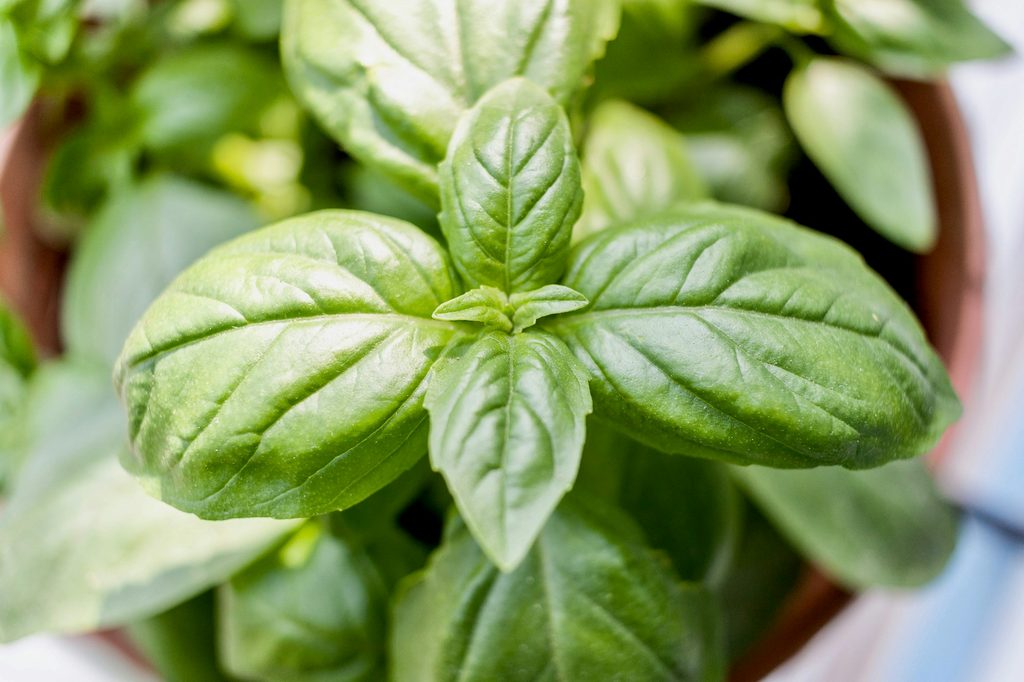
Mosquitoes and ticks are some of the most dangerous insects on the planet. They reside in habitats across the globe and are known to transmit dozens of viruses, parasites, and bacteria that can cause serious illness or death. Basil is proven effective at repelling both mosquitoes and ticks. The key is knowing how to use it effectively and balancing your expectations.
Different strategies and products are used to kill bugs (insecticides) versus those used to keep insects away (repellents). Commercial repellents disrupt the bug’s ability to detect the body’s carbon dioxide emissions for an extended amount of time. They do not kill bugs. Basil’s traits fall in line with other repellents.
Sweet basil, Ocimum basilicum, contains four volatile compounds that can help deter mosquitoes: citronella, estragole, limonene, and nerolidol. But the plants don’t simply spew these compounds around the yard, they must be extracted to work as bug repellent. Potted plants, steamed leaves, burnt leaves, and 100 percent basil oil have all proven effective in different ways.
How does basil repel mosquitoes?

Four volatile compounds in basil plants interrupt the mosquito’s heat and carbon dioxide sensors, reducing their ability to recognize a meal. The compounds confuse and irritate the mosquitoes, forcing them to leave in order to recover their senses. We can harness this natural repellent property in several ways.
Skin protection
In a lab test, pure sweet basil oil applied directly to the skin showed 100 percent effectiveness in repelling mosquitoes for 70 minutes. This treatment could become rather costly using store-bought basil essential oil. One alternative is to make your own fresh basil mosquito repellent.
- Place 6 ounces of freshly picked basil leaves into a pint jar and pour 4 ounces of boiling water over them.
- Cover the jar and let it sit for four hours.
- Strain the liquid into a spray bottle. Be sure to squeeze the remaining liquid from the leaves.
- Add a half cup of vodka or witch hazel to the spray bottle. For added potency, add 25 drops of basil essential oil (optional). Cover and gently shake to mix.
- Apply the repellent directly on any exposed skin for protection against mosquito bites.
Companion planting
Basil has long been used as a companion plant with a variety of vegetable crops like asparagus, root vegetables, tomatoes, and peppers because it helps keep pests away. If you happen to be working in the garden in the evening, it can also keep the mosquitoes off of you. Simply brushing against the plant to release the oils will help. For even better protection, pluck a handful of foliage and gently rub it over exposed skin.
Burning
Burning fresh basil vaporizes its helpful bug repellent compounds along with the smoke, which can partially protect anyone in the immediate area, but don’t just toss a few leaves into the campfire. To get the desired effect, the basil needs to burn long, slow, and smoky like incense. Fresh foliage won’t catch fire easily, but can be used in a potpourri burner. Dry and bundle sprigs of basil for repellent “incense” sticks that will smolder, smoke, and help keep the bugs at bay.
Scattered leaves
Scattered basil leaves won’t do much to keep mosquitoes away alone, but they will add a layer of protection to a more robust bug repellent strategy. Crush, shred, and scatter a few handfuls of leaves around the patio in the evening before sitting down to enjoy a few moments of quiet conversation. If the bugs are bad, you will probably need to spray on some repellent or burn a few bundles of basil sticks, too.
When should you not use basil mosquito repellents?

While basil mosquito repellents are safe and effective for most situations, they aren’t always the best option. If you have a basil allergy then you should avoid using basil mosquito repellents. It may seem obvious, but it’s worth remembering! If you are using basil as a repellent and notice rashes, hives, nausea, or difficulty breathing, you should stop using the repellent and see a medical professional, as you could be experiencing an allergic reaction.
You should also opt for a stronger commercial mosquito repellant if you live in an area with a higher risk of mosquito-borne illnesses. While basil can discourage mosquitos from biting you, the protection it offers is less intense and doesn’t last as long as commercial sprays, meaning you may still be bitten while using basil mosquito repellents.
Do all types of basil repel mosquitoes?
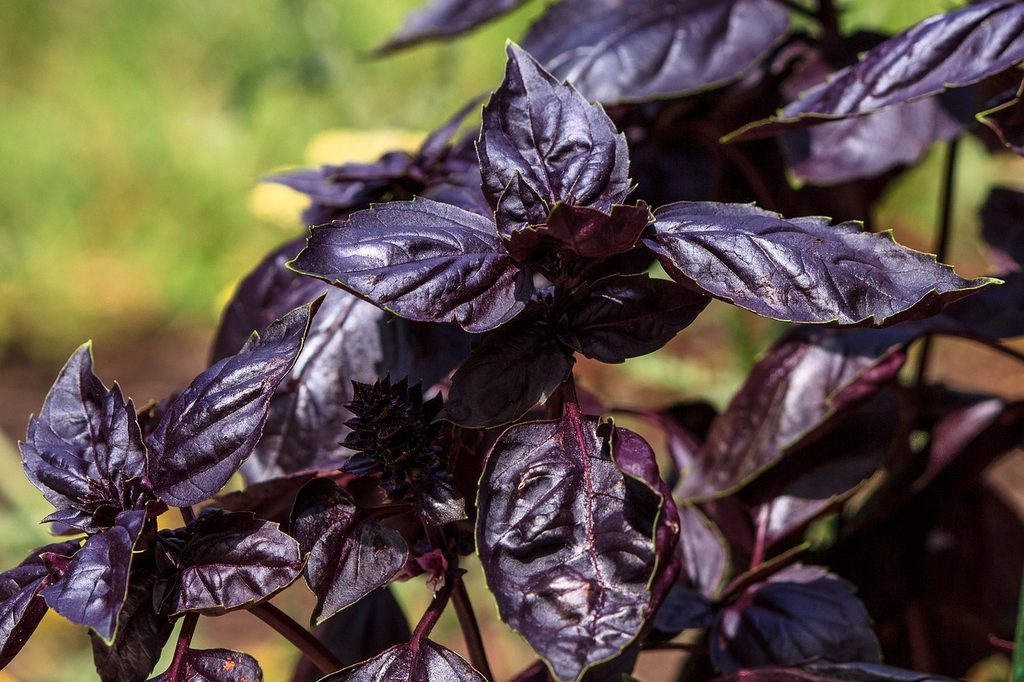
There are many delicious basil species that you can add to your herb garden to make your meals more flavorful, but do they offer the same protection as sweet basil? Yes, actually! While sweet basil is the most studied variety, anecdotal evidence from gardeners reports success with any type of basil. Gardeners generally report better success with stronger-smelling basil varieties, such as lemon basil. Other gardeners don’t see much of a difference, so this is something that you might want to test for yourself by growing your favorite types of basil and seeing which one works best for you!
Sweet basil is a proven natural mosquito repellent and a viable alternative to chemicals for casual protection from bug bites. It won’t replace the long-lasting effectiveness of commercial bug repellants for wilderness expeditions, but it works well enough for evenings around the fire pit or sitting on the patio at sundown.