Spring marks the beginning of another growing season, bringing new life and a fresh start to your garden. Although you can start seeds indoors at any time, regardless of your climate zone, direct sowing begins just after the last frost. This makes spring the perfect time to start many vegetables, but which vegetables should you choose?
We’ve got our top four spring vegetables lined up for you. Whether you’re a gardening pro or are just about to start your first garden, these vegetables will be right at home in your garden.
Radishes
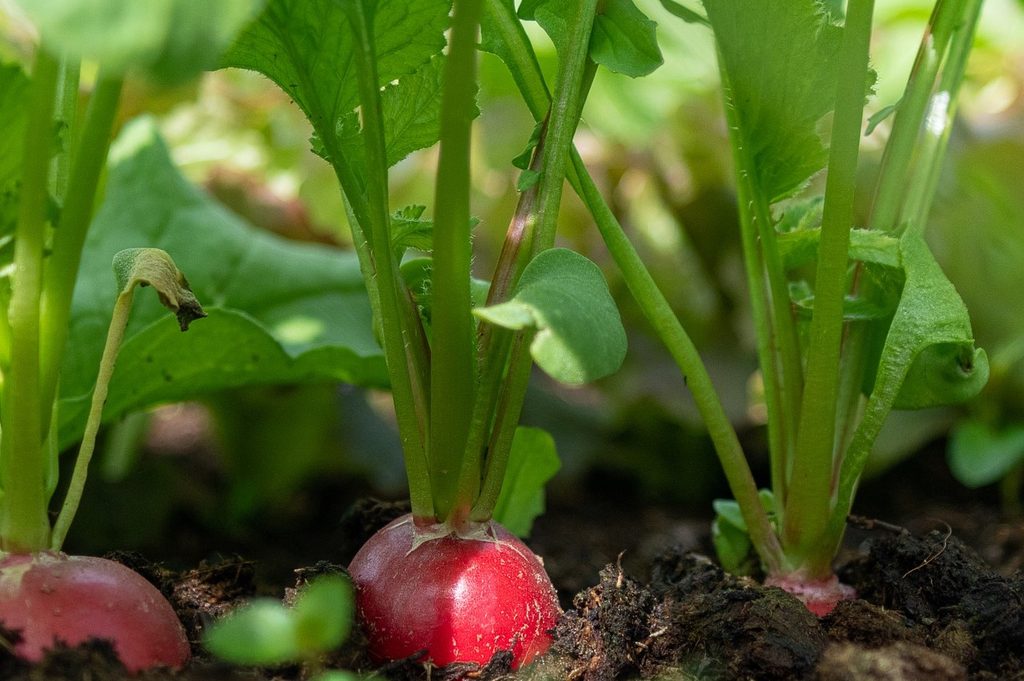
Radishes are a great vegetable to start with, especially for beginners. They’re easy to grow, hardy, take up very little space, and grow quite quickly. There are plenty of varieties to choose from, including the smaller and sweeter French Breakfast, the massive German Giants, and even the more unusual Black Spanish.
Radishes need to be planted in full sun. Although they’ll grow in shade, this leads to larger leaves and smaller radishes. They prefer soil that is rich in organic matter, and loose rather than tightly compacted. Radishes can be grown in containers, but don’t transplant very well.
Radish seeds can be planted directly in your garden as soon as four to six weeks before the last frost date, making them one of the earliest vegetables in your garden. For a continuous harvest, plant a second batch of radishes seven to 10 days after the first. You can continue planting them for as long as cool weather persists. Keep them evenly moist, but not soaking wet. Most radish varieties can be harvested after only three weeks.
Peas
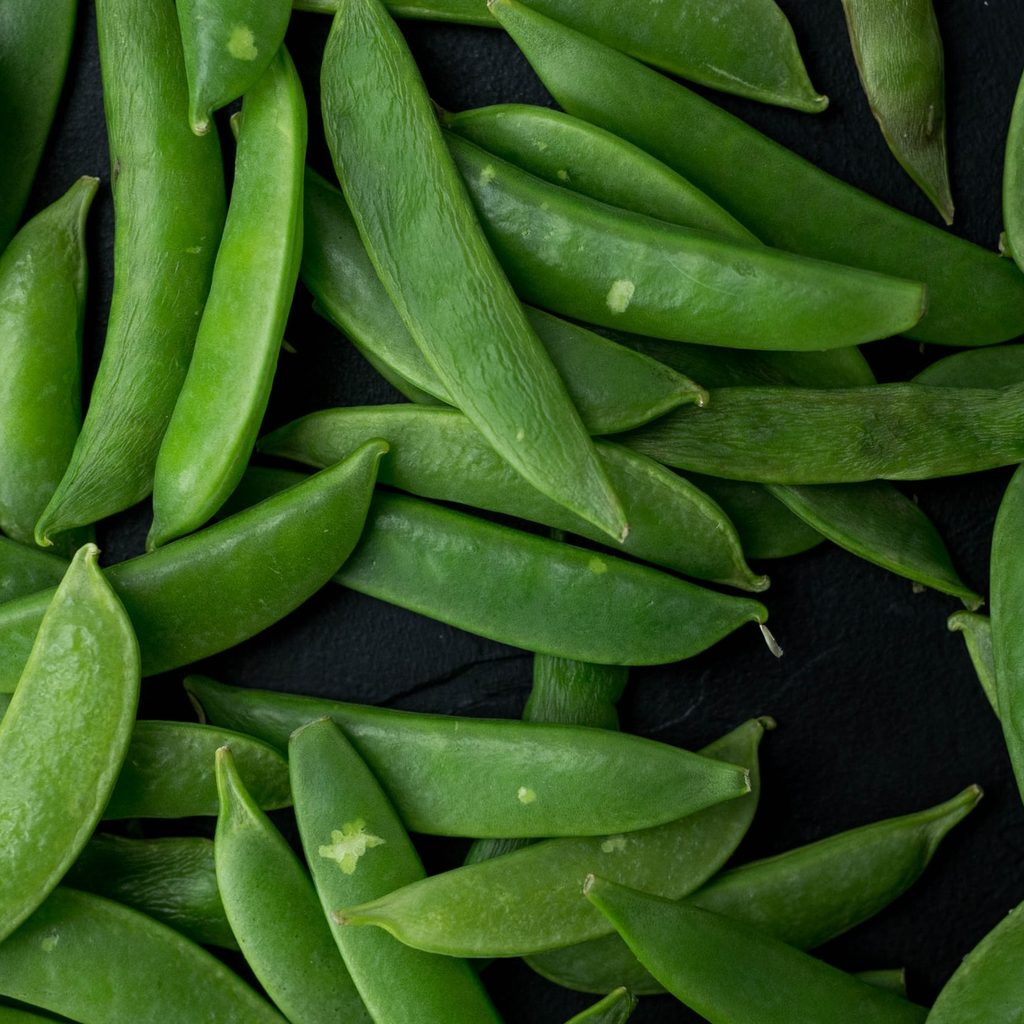
Peas are versatile spring veggies, and they make a great companion for radishes. You can plant sugar snap peas, snow peas, and sweet peas in early spring. You can plant them at the same time as radishes, four to six weeks before the last frost date. They germinate slower than radishes, so don’t panic if you don’t see immediate progress. Soaking the seeds before planting can help jump-start germination. Similar to radishes, peas don’t transplant very well.
You’ll see a larger harvest if you plant peas in full sun, but they will grow in partial shade as well. Make sure the soil is well-draining, as peas don’t enjoy wet feet. If you’re growing a vining variety, such as sugar snap peas, then you’ll need a trellis, fence, or stake to support them. Peas are sensitive to overwatering, but they’re not particularly drought resistant. Water them regularly but lightly. Most pea varieties are ready for harvest after 60 to 70 days.
Spinach
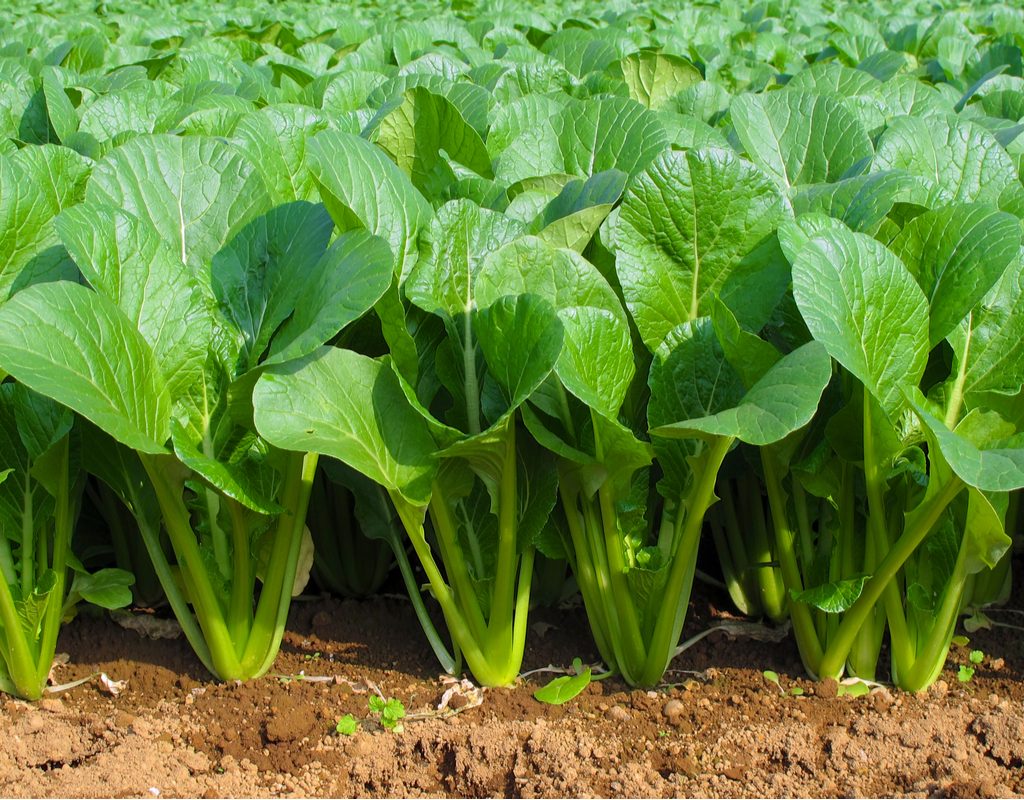
Spinach is a cool-weather green, so it’s a lovely early addition to spring gardens. Plant your spinach six weeks before the last frost date, so that it can grow while the weather is still cool. Hot weather causes spinach to bloom, called bolting, which makes the leaves bitter and unpleasant.
Plant your spinach in full sun and keep the soil moist. Mulch can help significantly with this. To lessen the impact of leaf-eating insects, plant spinach alongside radishes, carrots, or other root vegetables. This spreads pest damage out across several plants while minimizing damage to your harvest.
Most spinach varieties are ready to begin harvesting after 35 to 45 days. However, baby spinach is typically ready for harvest after 20 to 30 days. Spinach also benefits from continuous harvesting. This means harvesting a few leaves at a time, as you need it. New leaves will grow to replace them.
Carrots
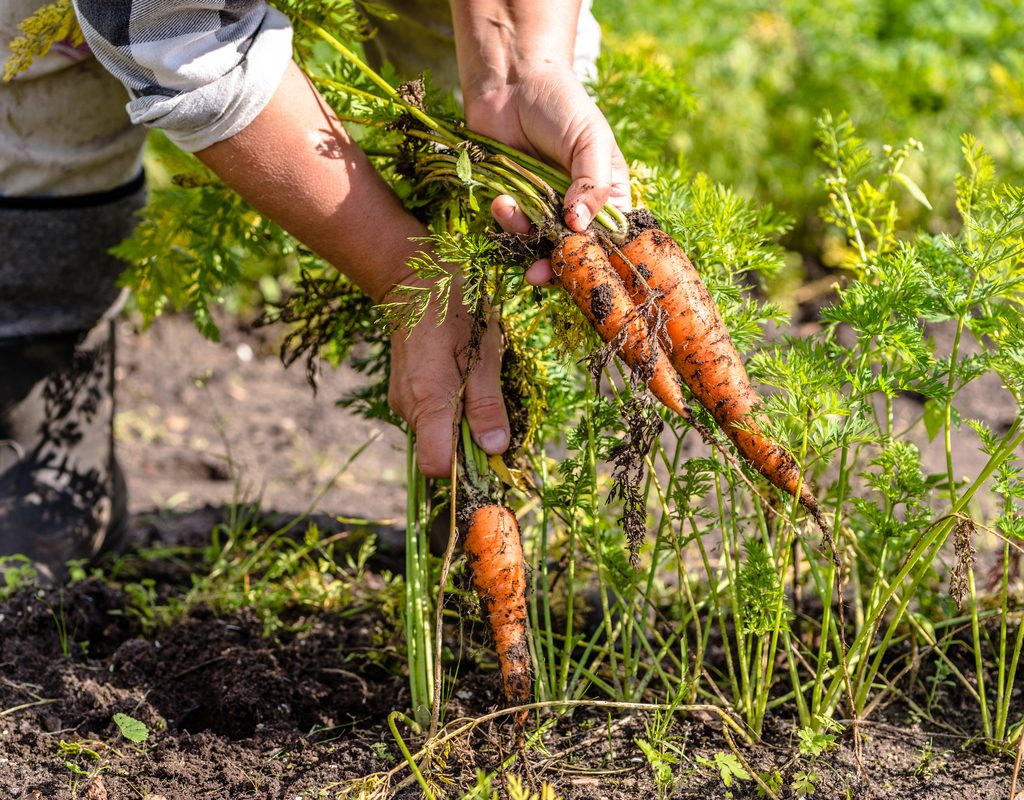
Although we typically think of carrots as orange, there are plenty of fun carrot colors and varieties to explore. No matter what color you choose, plant them in light, loamy soil about four weeks before the last frost date. Carrots don’t grow well in tightly compacted or clay-heavy soil. Carrots thrive in full sun but can tolerate partial shade as well.
Carrots are slow to germinate, so patience is key. It isn’t unusual for carrots to take two or three weeks before showing any signs of growth, so don’t panic if you don’t see immediate results. Harvest your carrots around 50 to 60 days after planting. Leaving them longer results in larger carrots, but many gardeners find they prefer the taste and texture of smaller carrots.
Any of these four plants would be a great addition to your vegetable garden. You can even plant all four of these vegetables together. They make great companion plants, and none of them are difficult to care for. There’s nothing quite like garden-fresh vegetables. Whether you plant one of these, all four of them, or even none of them, we hope you enjoy a bountiful spring harvest!