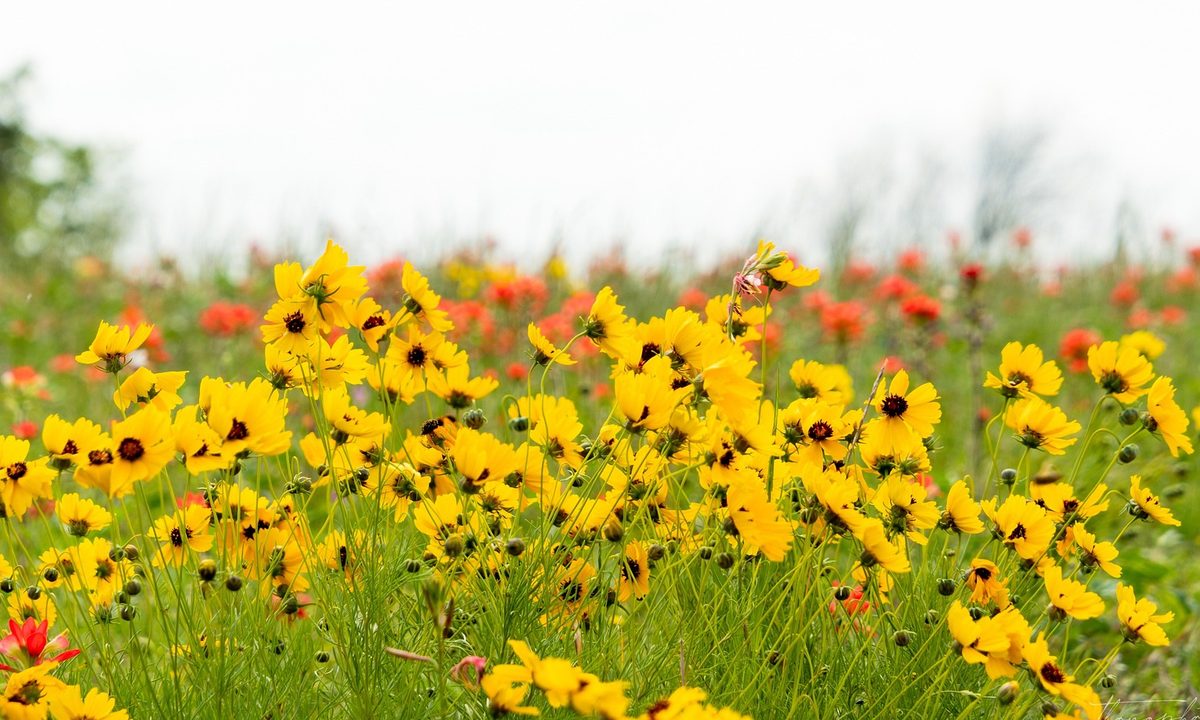
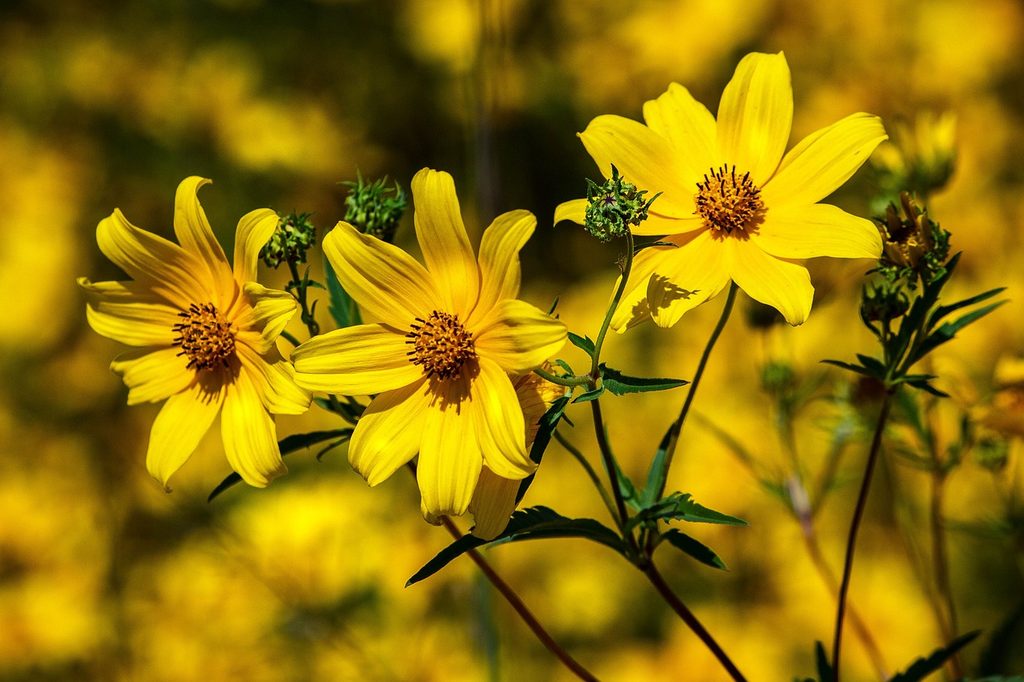
When planning a garden that is low maintenance and environmentally friendly, one of the first plant categories you should look to is native wildflower species. These flowers aren’t just beautiful — they’re also easy to care for and provide food and shelter for many native creatures! One such wildflower is coreopsis, a cheerful yellow flower native to most of the U.S. If you want to get started growing your own coreopsis flowers today, then here’s what you need to know about coreopsis care.
Planting coreopsis
Coreopsis can grow from seedlings or mature plants, but are often started from seeds. Like other types of wildflowers, coreopsis seeds are easy to grow. Seeds should be planted no deeper than half an inch and can either be planted directly in your garden after the last frost of the year has passed or started indoors a few weeks beforehand and transplanted after the last frost. If you want a more natural-looking wildflower garden, you can scatter the seeds over the area rather than planting each one individually.
Whether you’re transplanting a mature plant or starting from seed, you’ll need a planting site with plenty of sun and well-draining soil. Full sun is ideal for these plants, but they will still grow in light shade. Too much shade can lead to reduced blooms, though. Coreopsis plants aren’t terribly picky about soil type, but you should avoid planting them in soil that drains slowly.
Coreopsis plant care
Coreopsis flowers don’t need extensive care, and they’re mostly self-sufficient plants once they’re established. Young and newly planted coreopsis flowers are not drought tolerant and will need regular water to ensure they grow properly. However, mature and established plants are fairly drought tolerant and only need watering during long-lasting droughts or heat waves. Even though they can survive without being watered, you will see more flowers if your coreopsis plants are receiving regular water.
Likewise, coreopsis plants don’t need regular fertilizing. A light dose of balanced fertilizer or compost in the spring can provide a nice boost to your coreopsis, particularly if your soil is naturally poor. However, it isn’t strictly necessary, so don’t worry if you don’t have the time to fertilize them. In fact, overfertilization actually poses more of an issue, as this can lead to an explosion of leafy growth and fewer flowers.
While they don’t need pruning, deadheading your coreopsis plants will encourage them to keep blooming. Removing old or faded flowers frees up space and energy for your plant to produce new flowers. You can also leave the old flowers in place to let them develop seeds, which are useful for planting more coreopsis or making homemade bird food.
Common pests
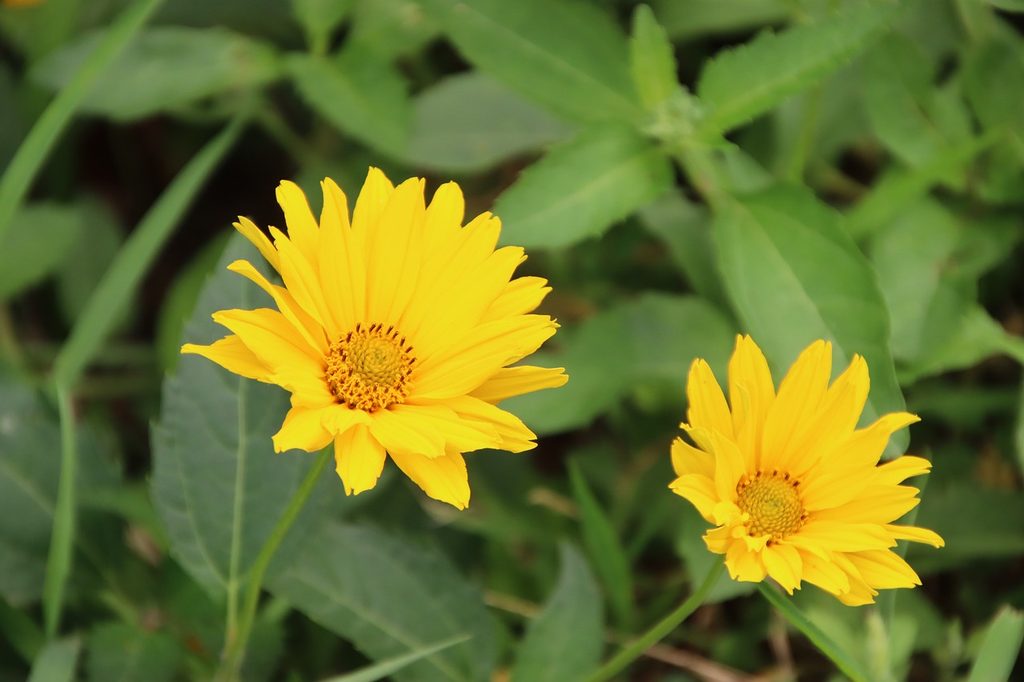
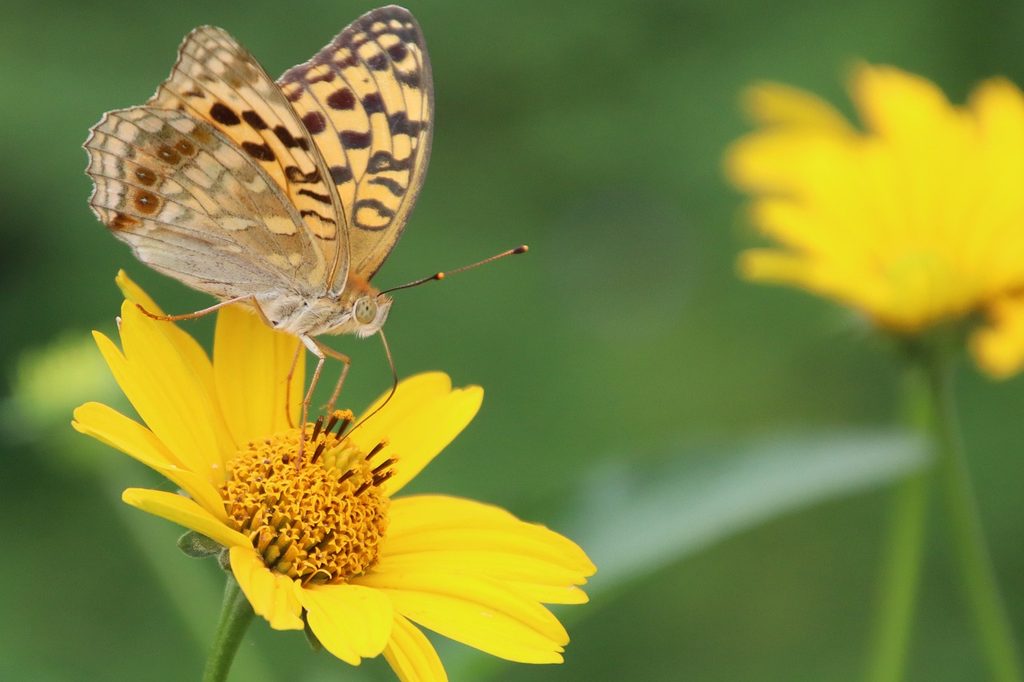
Although coreopsis pants have the common name tickseed, you don’t actually need to worry about them attracting ticks. The name refers to the size and shape of their seeds. However, you may see other insects and creatures visiting your coreopsis flowers. Most of the insects that are attracted to coreopsis flowers are actually beneficial. Ladybugs, bees, and butterflies all appreciate these lovely wildflowers.
You may occasionally see pests such as slugs and snails, as well as aphids. While these pests can cause cosmetic damage, they typically don’t cause significant harm to the plants. Additionally, it can be tricky to keep them away without harming your more beneficial visitors. Luckily, the food chain is working in your favor. Some of the beneficial animals and insects brought in by your coreopsis will actually eat the pests as well. Ladybugs eat aphids, and some birds that enjoy snacking on the coreopsis seeds will also eat slugs and snails.
Will coreopsis self-seed?
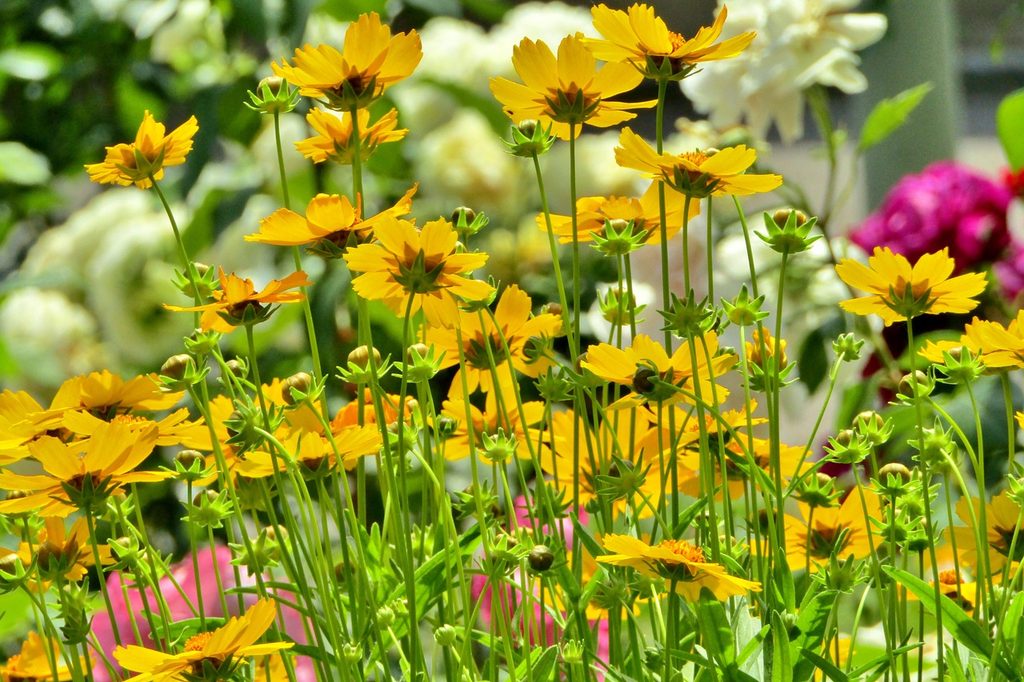
Coreopsis flowers spread in a few ways, and one of those ways is through self-seeding. This means that if the old flowers are left to produce seeds, those seeds will fall on their own and grow into new plants without human intervention. Coreopsis will also spread underground through rhizomes, and the plant can even be propagated through root division like a peace lily. Coreopsis plants can spread quickly, so if you want to keep them confined to a specific part of your garden, you’ll need to keep a close eye on them. Putting up a physical boundary can help slow the spread of your coreopsis plants as well. Luckily, they’re native to the U.S., so you don’t need to worry about them escaping containment and becoming invasive.
Coreopsis flowers are bright, cheerful, and incredibly easy to grow. If your garden could use a pop of color, why not try these lovely native wildflowers? Before long, you’ll have plenty of gorgeous coreopsis flowers spreading across your garden. They even mix well with other wildflowers to create an incredible low-maintenance and eco-friendly garden.