
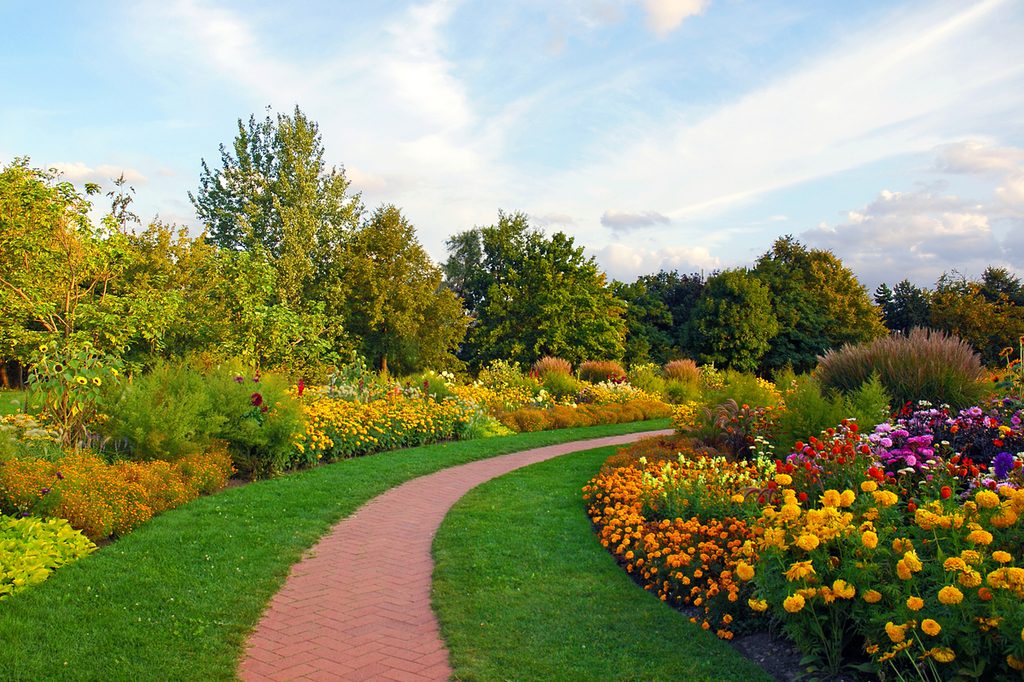
A beautiful year-round landscape is the result of planning for diversity. After all, plants come in a huge range of forms and types, from the tallest trees to the tiniest flowers. The appeal of each kind changes throughout the seasons, with some showing off early in the year and others displaying peak interest much later. Plenty of attention goes to the bright foliage of deciduous trees in autumn, but let’s not overlook the fall-blooming perennials.
Perennials are the herbaceous (non-woody) plants that grow back year after year. Although they typically offer a much shorter blooming season compared with annual flowers, perennials offer a variety of other benefits. These late bloomers look their best as the summer annuals begin to look ragged and worn. By blooming within a window of only a few short weeks, they add to the evolving seasonal interest of the landscape. Plus, many attract and support native wildlife, like butterflies, birds, and bees, by producing the nectar, pollen, and seeds they need for nourishment.
Below are eight beautiful types of perennials for you to consider planting in your garden.
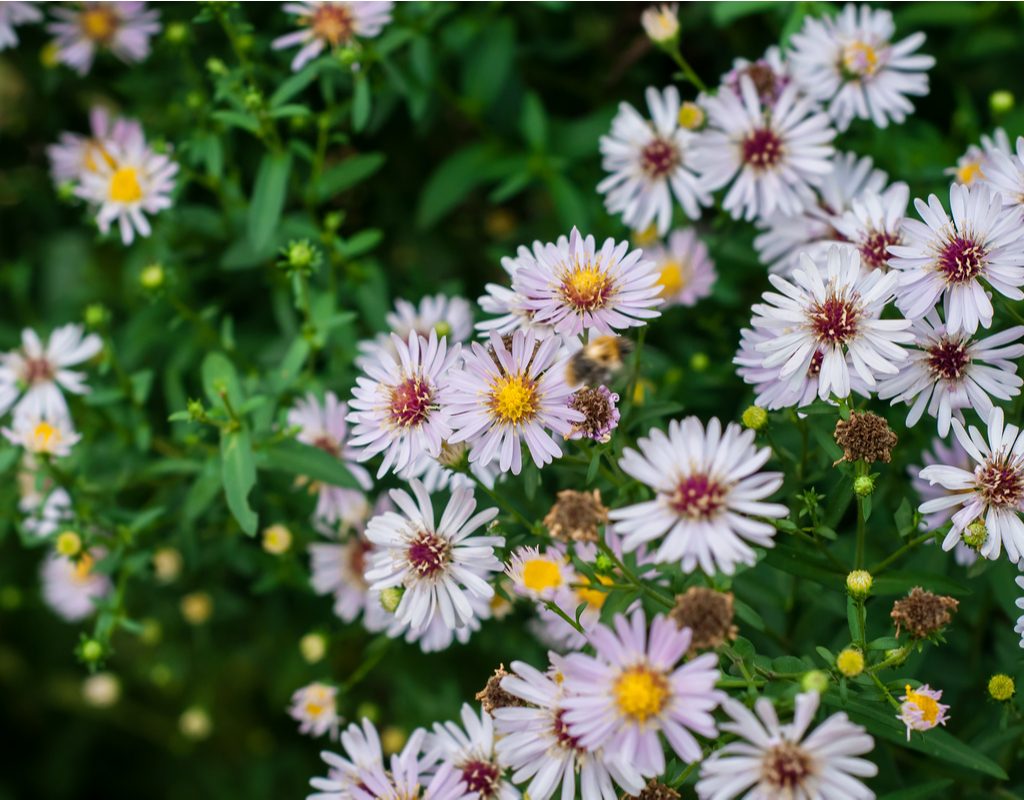
1. Aster, Symphyotrichum spp.
Asters include more than a half dozen species and many hybrids and cultivars that bloom between late summer and the end of fall. Most selections grow 1 to 3 feet tall and wide, usually in a mounding form. They produce an abundance of small, daisy-like purple, blue, pink, or white nectar-producing flowers that attract butterflies and bees.
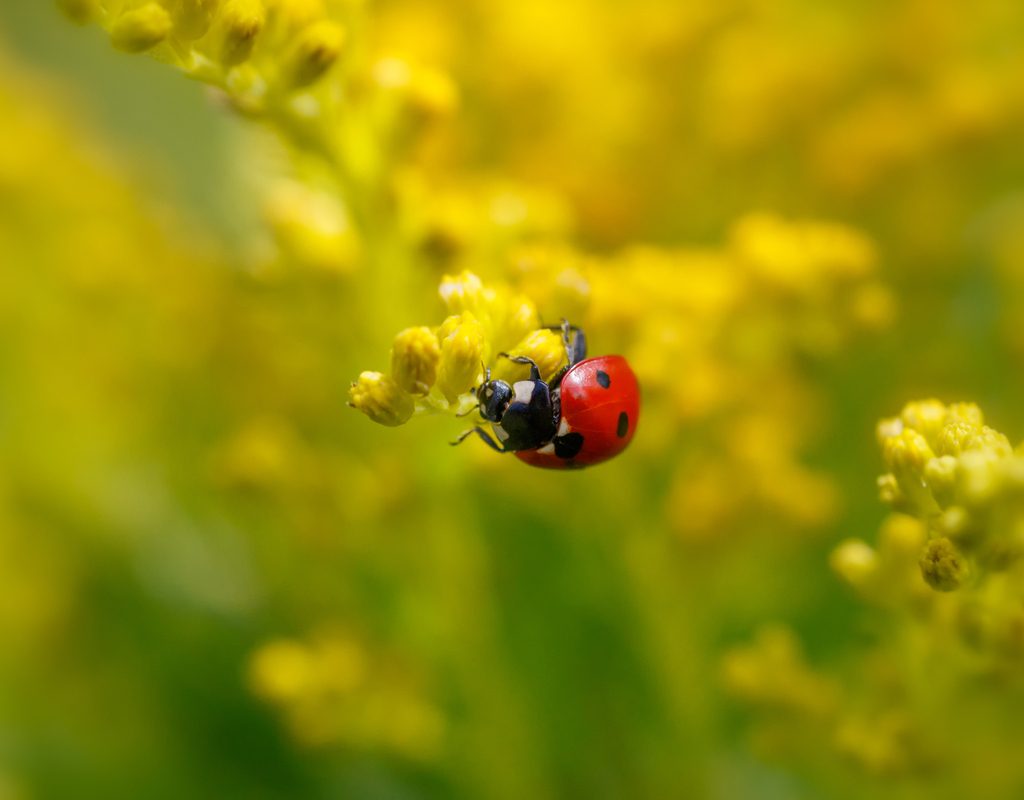
2. Goldenrod, Solidago spp.
Native goldenrod grows as a large clump of erect stems with lance-shaped foliage throughout the summer season. At the end of summer, bright, golden-yellow spiked clusters of tiny flowers erupt to brighten fields, roadsides, and gardens, and to feed hungry pollinators. From more than 75 goldenrod species that are native to North America, plant developers have introduced just a handful of improved cultivars, mostly with more compact growth than the wild species. Look for ‘Fireworks,’ ‘Wichita Mountains,’ or ‘Golden Fleece’ at your local garden center.
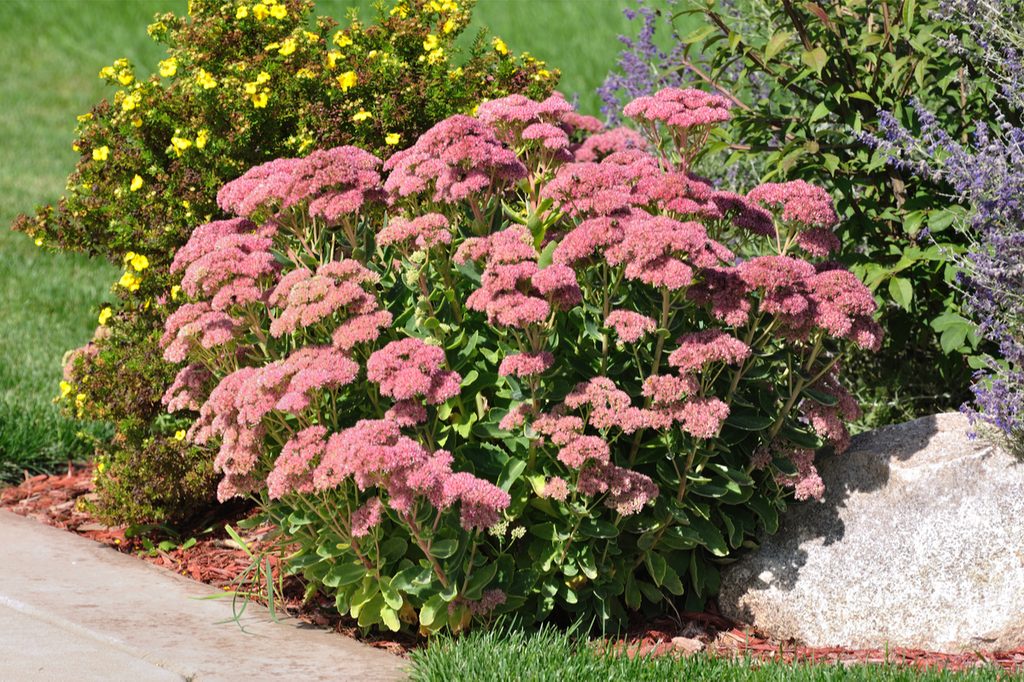
3. Sedum, Hylotelephium spectabile
Sedum is a succulent perennial plant that grows in either a trailing or mounding form. The all-time favorite for fall gardens is ‘Autumn Joy,’ with its smooth blue-green foliage and large pink flower clusters that open in mid-August or September. This selection, along with the deeper red ‘Autumn Fire,’ and brilliant ‘Purple Emperor,’ provides a complementary texture and color when paired with black-eyed Susans and white-flowered asters.
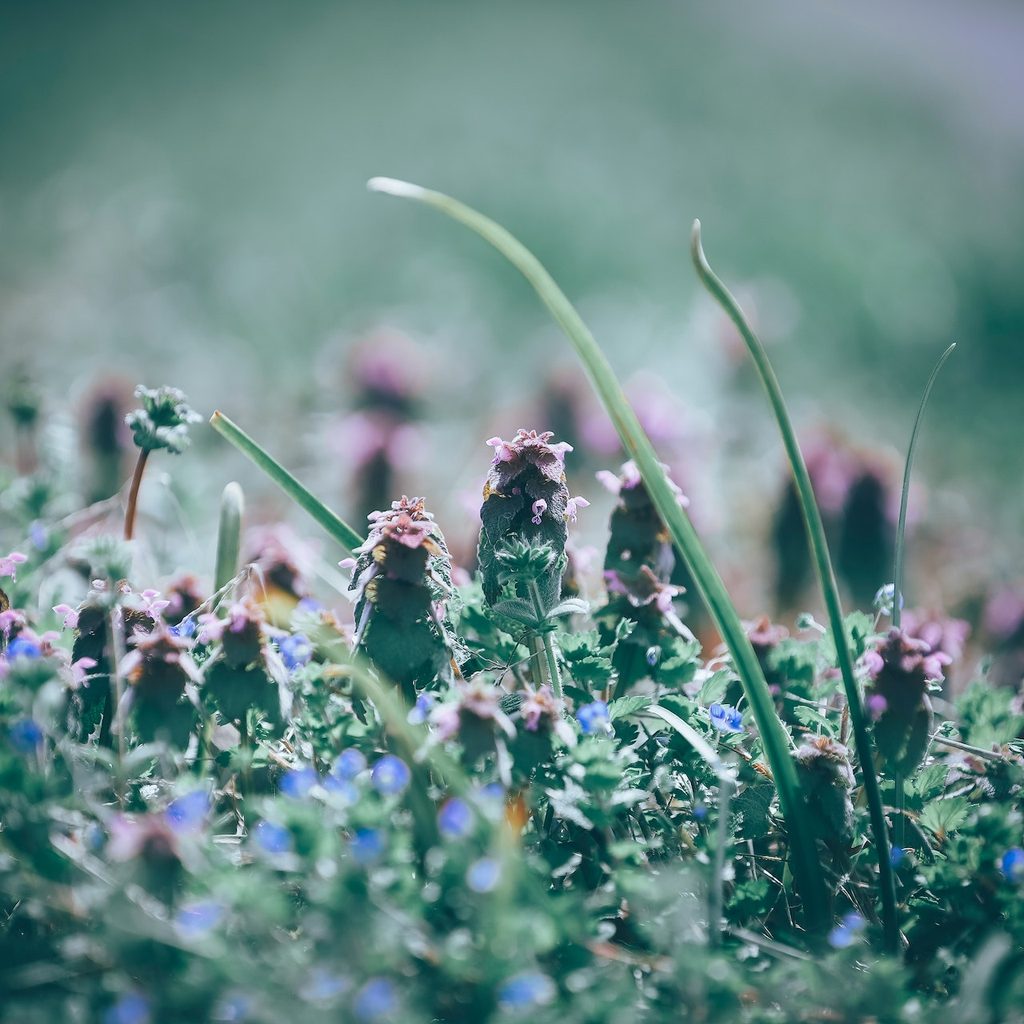
4. Joe Pye Weed, Eutrochium purpureum
Joe Pye Weed has been a part of American native herbal remedies since ancient times. It also looks great in fall gardens. Through the growing season, the stems gradually attain a height of 5 to 6 feet before bloom time, making it a perfect privacy perennial. The large pink flower heads make a bold statement at the back of the perennial border, interplanted with similarly sized goldenrods and ironweeds.
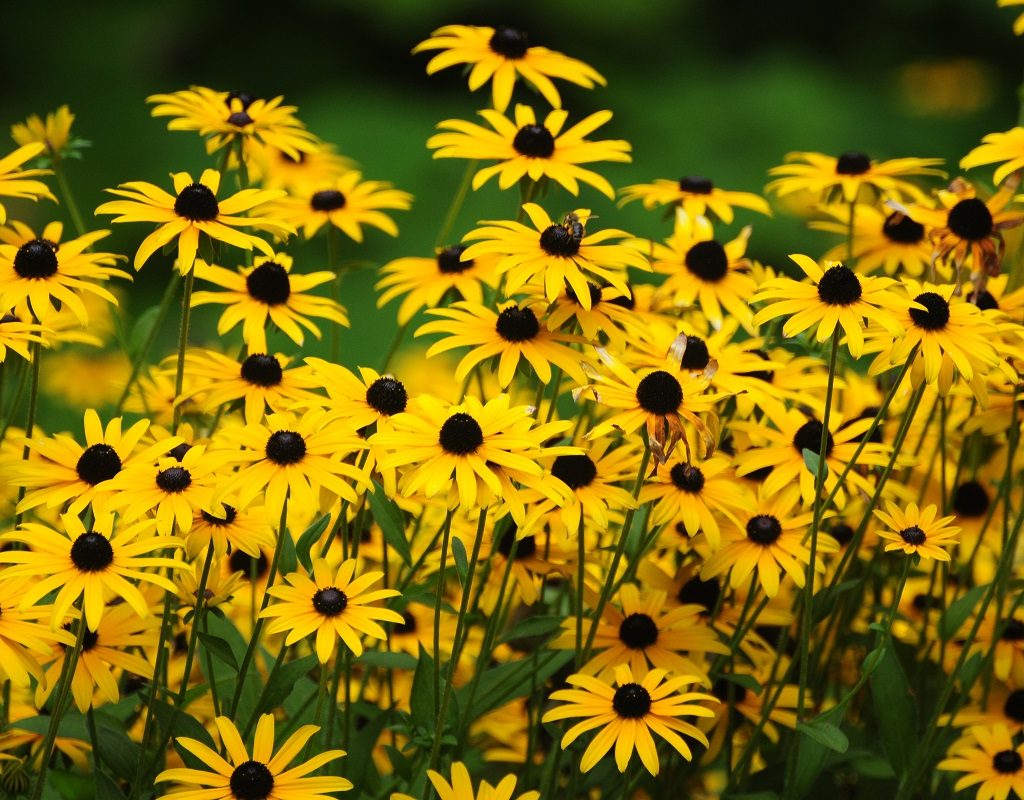
5. Black-eyed Susan, Rudbeckia fulgida
The bright, cheerful blooms of Black-eyed Susan typically begin to emerge around the time back-to-school ads begin. They are some of the most popular annual plants, partly for their massive displays of large flowers that last for two months or longer, but also because they retain a more compact size. This is an excellent choice for smaller landscapes, dry gardens, mass plantings, mixed perennial borders, and most other garden situations.
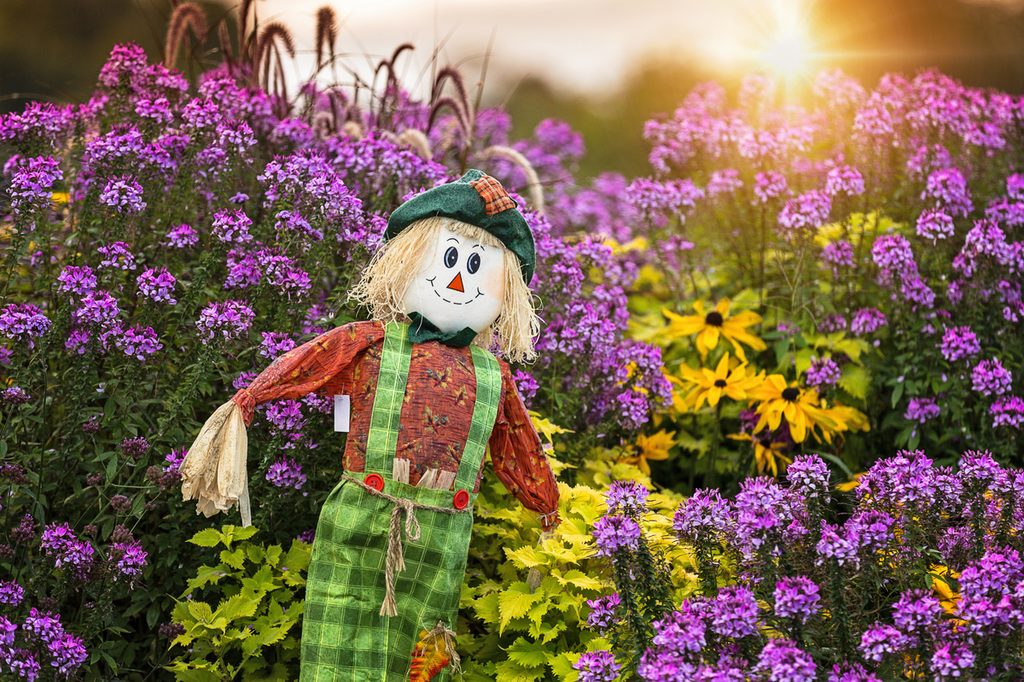
6. Ironweed, Veronia spp.
Ironweed is prized for its rich purple flowers, deep green foliage, and stiff, upright structure. It may grow as high as 8 feet or remain below 3 feet, depending on the species, cultivar, and growing conditions. It loves moist soil, making it an excellent choice for rain gardens, but also tolerates dry conditions. Ironweed may be difficult to find at the local garden center, but online retailers carry it.
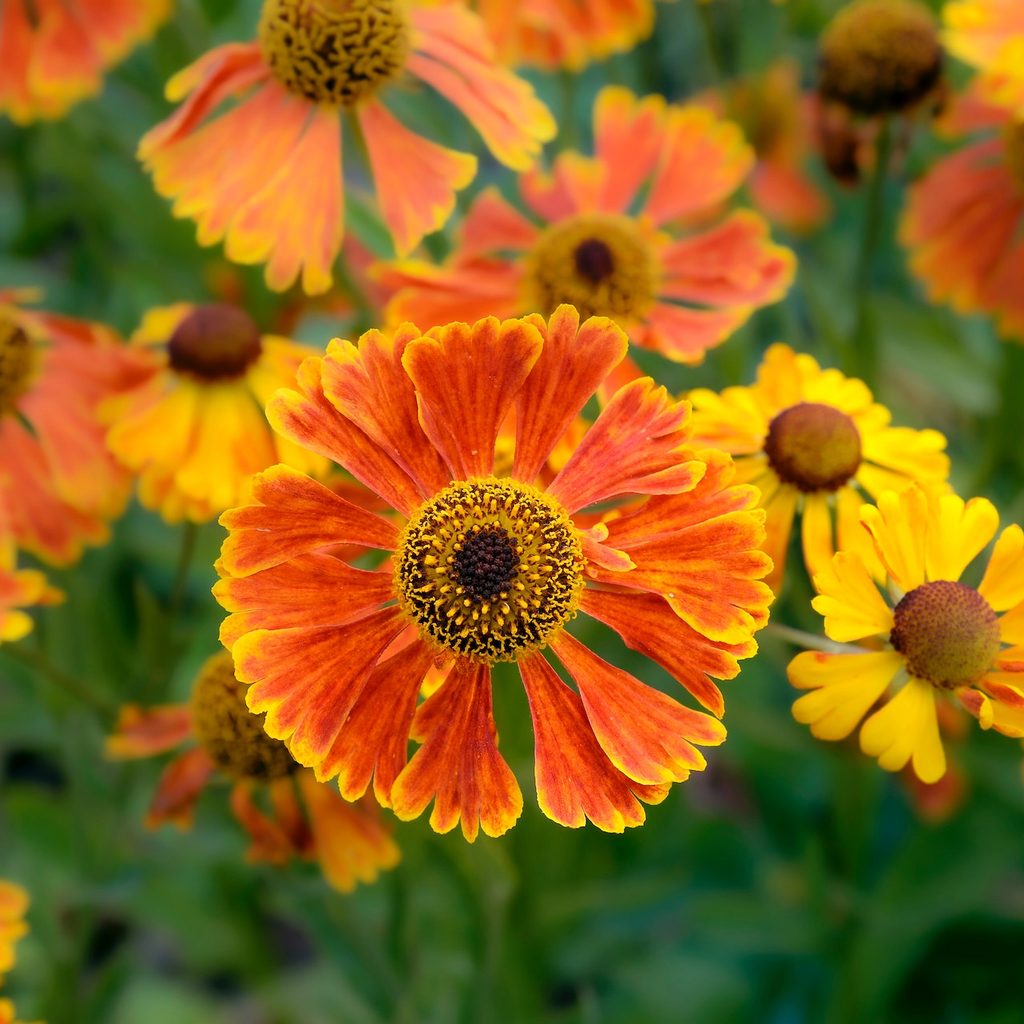
7. Sneezeweed, Helenium autumnale
Don’t let the name deter you. It’s called Sneezeweed because of an old medicinal use. Legend has it that the dried foliage was used to make snuff that would induce sneezing, and thereby rid the body of evil. It does not contribute to your typical seasonal allergies. Sneezeweed grows into an attractive 3- to 5-foot tall plant that covers itself in bright, green-tinted-yellow, daisy-like flowers each fall.
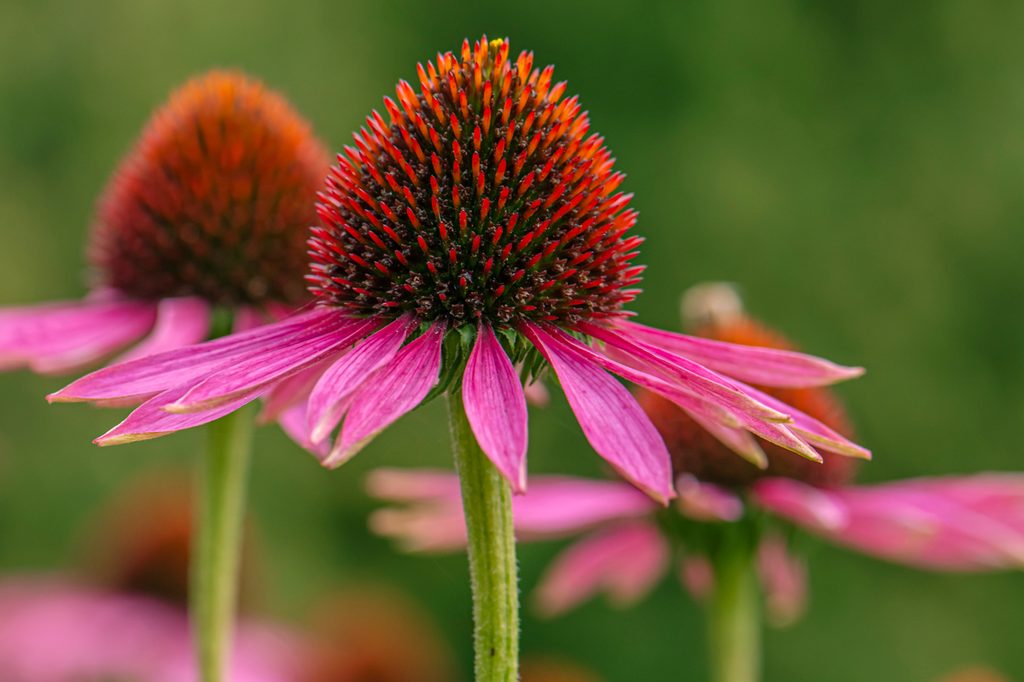
8. Coneflower, Echinacea
Coneflowers are hardy blooms in the daisy family that come in a wide variety of cheerful hues such as red, orange, yellow, white, pink, and purple. Available in single-, double-, and triple-petaled varieties, they can grow up to 3 feet tall, which makes them perfect for adding height to your flower borders. If you’re looking for an easy-going bloom, coneflowers are also relatively low maintenance, tolerating bouts of drought. Plus, they resist deer and attract pollinators such as birds and bees. Coneflowers are also easy to find at garden centers, so you can pick some up the next time you drop by your local nursery.
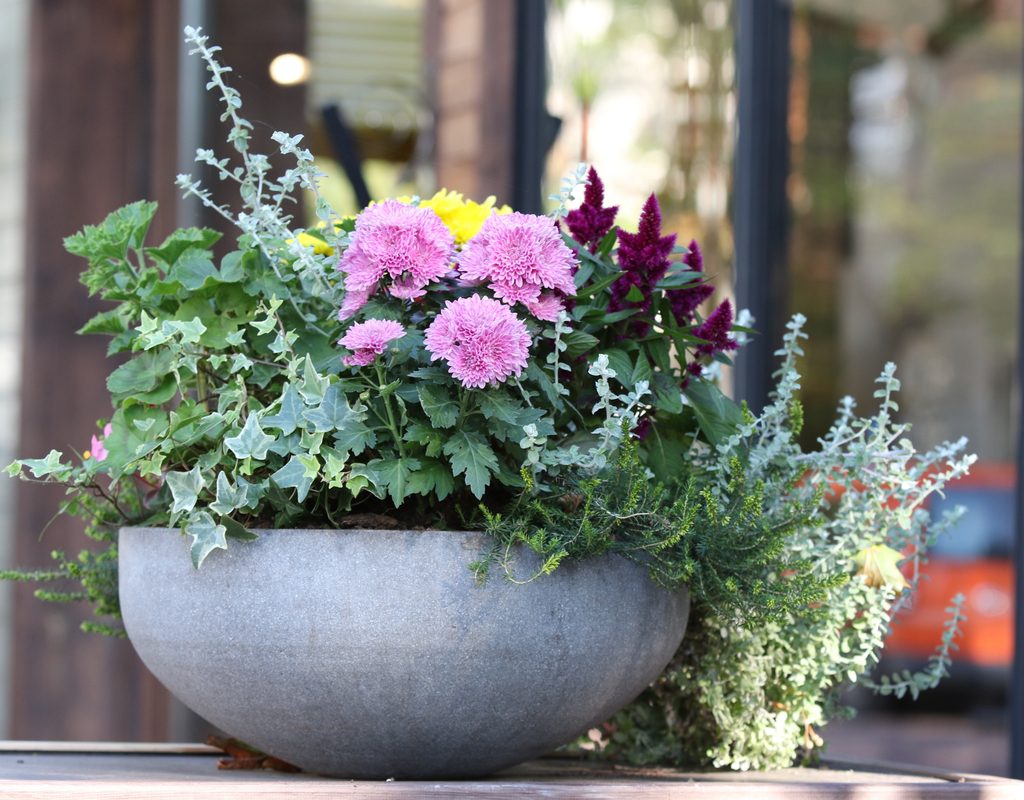
How to grow fall blooming perennials
The best time to plant perennials is in the spring. That way, they can become established through the summer and provide their full impact in fall. However, the second best time to plant them is whenever they’re available to purchase. If you plant them in late summer or fall, when the selection tends to be best at local retailers, the plants will thrive with a moderate amount of care.
Plant perennials in average garden soil that has been amended with a 2-inch layer of compost. After planting, cover the root zone with a 2- to 3-inch layer of mulch and water well. Water new plants daily for the first week or so, until they begin to produce new growth. Then, water two or three times per week, if it hasn’t rained. Monitor the plant’s progress, and increase or decrease the watering schedule when necessary.
After the growing season, allow the brown stems to stand in the garden through winter. In the spring, when the new foliage emerges, remove the prior year’s old, brown growth.
With these blooming perennials at the top of your mind this season, go forth and establish a lush, vibrant garden this autumn. With careful maintenance as the temperatures wind down, you’ll be able to enjoy these flowers in the coming spring.