Grafting fruit trees is a great way to make sure you know what variety of fruit you’re getting, diversify your orchard or yard, and get some extra fruit for snacks or meals! The process itself is fairly simple, and there are plenty of resources out there to help you with the technical parts. The timeline can be a little more confusing. When is the best time to graft fruit trees? How long does grafting a fruit tree actually take? If you aren’t sure about when to start grafting to get the best results, then this guide is for you.

When is the best time to take cuttings?
There are two types of cuttings: hardwood and softwood.
Hardwood cuttings are taken in late fall, winter, and early spring, when the tree is dormant. These cuttings are the growth from the previous spring and so have had several months to a year to mature. They’re less flexible but sturdy.
Softwood cuttings can only be taken in spring as they are the new growth for the season. These cuttings are more flexible and tend to attach faster but aren’t as sturdy.
When grafting trees, flexibility is more important than sturdiness, so take softwood cuttings in the spring. You can still use hardwood cuttings, but they take longer to adjust to being part of a different tree and are slightly more likely to fail.
When is the best time to start grafting?
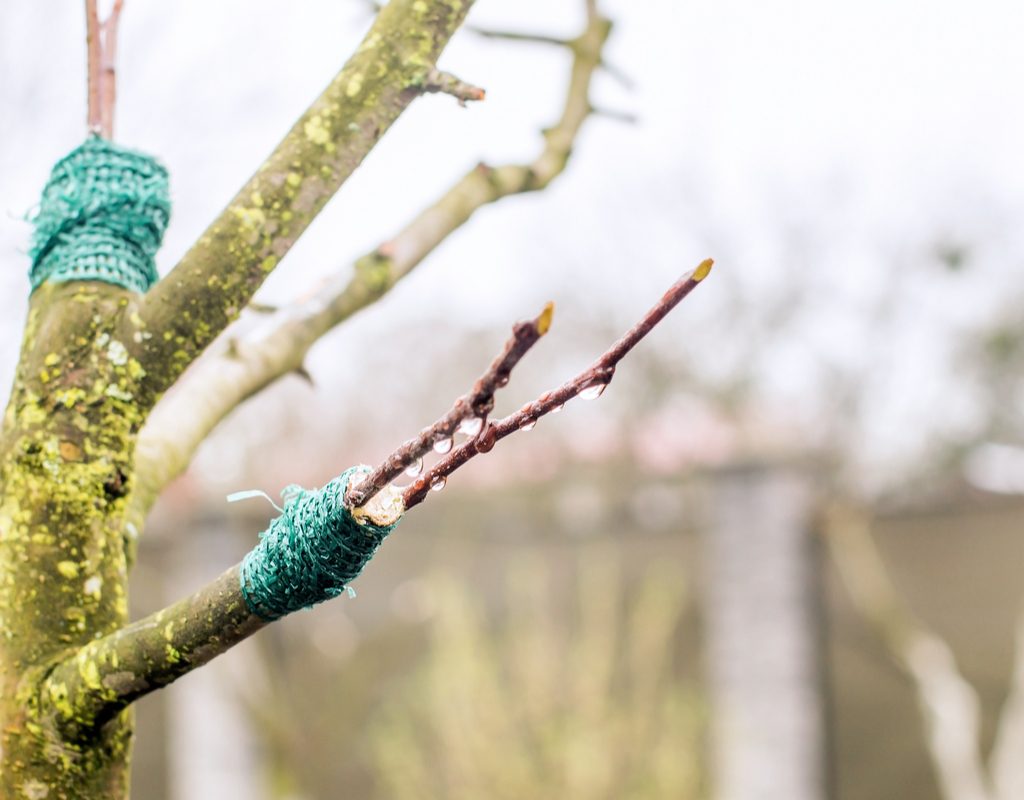
The best time to graft fruit trees is around spring, when plants begin gearing up to grow, making it easier to establish a connection between the two trees. There are a few routes you can take with this.
If you’re taking softwood cuttings, you can graft your trees right after you take the cuttings without issue. If you choose to take hardwood cuttings, or if you’re purchasing cuttings and have to wait on them to arrive, you can graft them in summer. It may not recover as quickly, but the difference shouldn’t be significant. If you have hardwood cuttings or softwood cuttings that have been stored, another option is to begin grafting in late winter, right before spring.
The only times that you should avoid starting your grafts are fall and early winter. This is when trees are dormant, meaning they aren’t putting out new growth. The grafts will attach in fall, especially in early fall in a mild climate, but it takes roughly twice as long. Late winter is OK because the graft won’t have to wait long before beginning to grow. If you graft in fall or early winter the cut ends of your graft will be exposed to the elements for much longer and are more susceptible to rot or disease.
How long does grafting take?
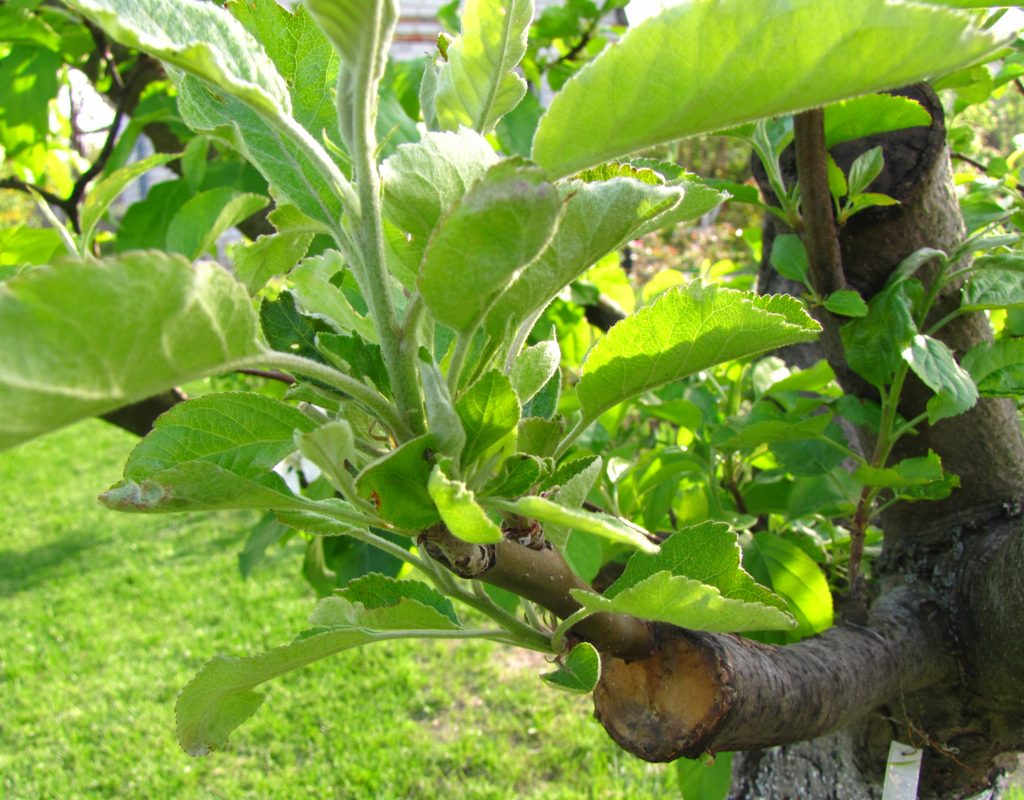
The amount of time it takes depends on the type of graft you use. In general, the more material you have grafted or the larger your graft is, the longer it will take to heal and grow. Grafts that are only a single branch grafted onto an existing tree will heal and become part of the tree in a week and a half to two weeks. From there, the branch grows as normal, and you can expect flowers and fruit on schedule with the type of tree you’ve grafted from.
Larger grafts, however, take longer. If you’re using a technique such as whip grafting to grow a new tree from the root stock of another, that is a more strenuous undertaking for the tree. A graft like that will take three to six weeks to heal and become a single tree. It then grows as normal, and you can reasonably expect to see flowers and fruit a year later.
There you have it, the timeline for grafting fruit trees! Now you know when you can expect to be able to take the dressings off your graft and how soon after that you can expect fruit. Be sure your shears are sharp when taking your cuttings, bind your graft tightly, and start in the late winter, spring, or summer for the best results. Small grafts should take only a week or two to heal, while larger ones may take a month or two. Enjoy your extra fruit!