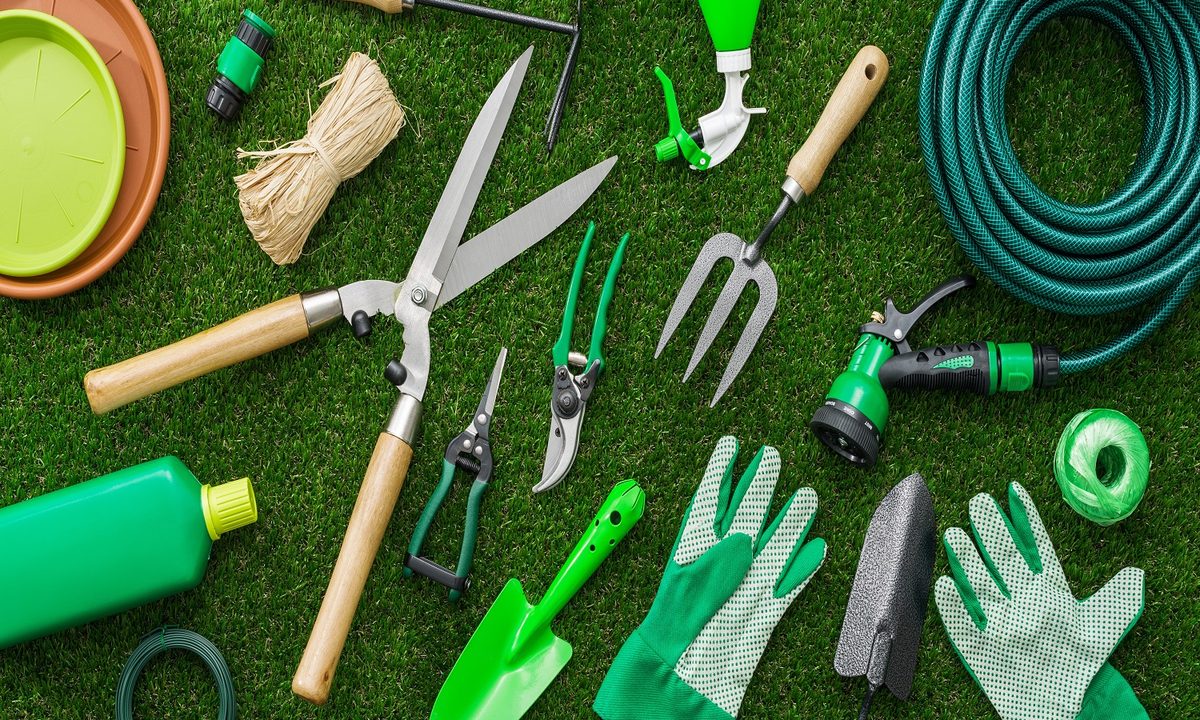
Gardening can be a simple hobby, or a complicated one, depending entirely on the time and effort you’re able and willing to invest in it. There are tons of options when it comes to gardening tools, and almost all of them promise to provide essential benefits and make gardening easier, more efficient, or more fun. If you’re just starting out and looking to cover just the basics, this list can be hard to sort through. That’s why we’ve put together this simple guide to garden essentials. Here are the garden tools you need to start out with.
Gloves
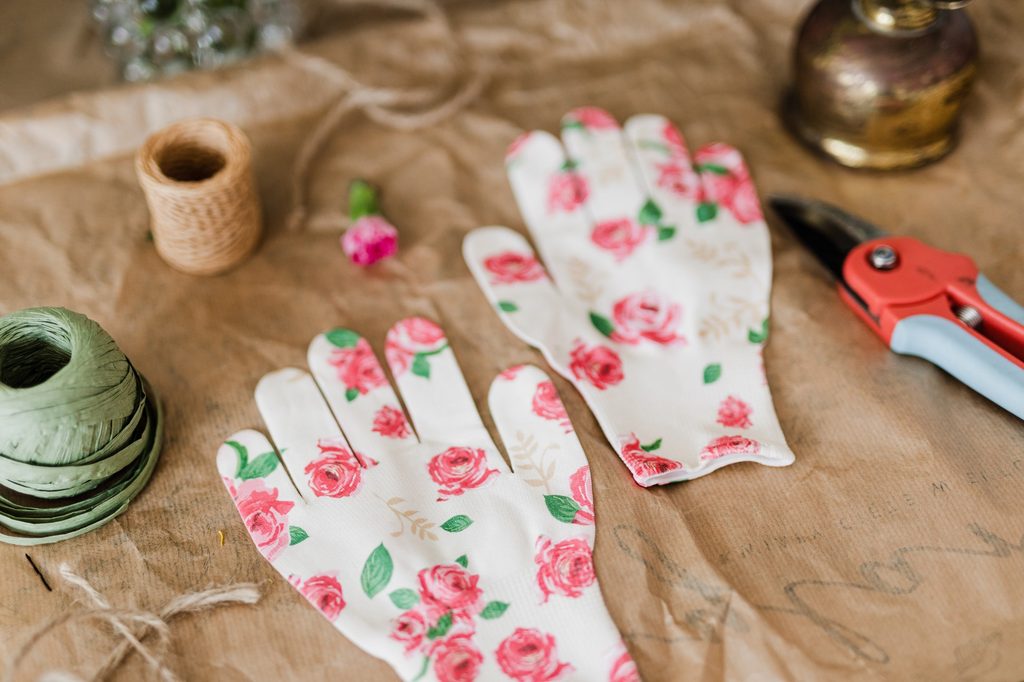
A good pair of gloves will make your life as a gardener much easier. Some plants can cause skin irritation, others have thorns, and pruning trees or shrubs can give you splinters. Not to mention, they make dealing with pests easier. Spot a slug trying to invade your vegetable garden? Scoop it up without getting slime on your hands.
Your gloves don’t need to be super thick or fancy, but they should be gardening gloves as opposed to fashion gloves. Knitted gloves are warm, but won’t offer much protection from thorns. If you only want to keep your hands from getting too dirty or irritated, then simple cotton or polyester gloves will work just fine. For heavier gardening, including tearing out poison ivy or pruning your trees, you should look for something thicker, with leather covering the front of your hand, if not the entire glove.
Trowel
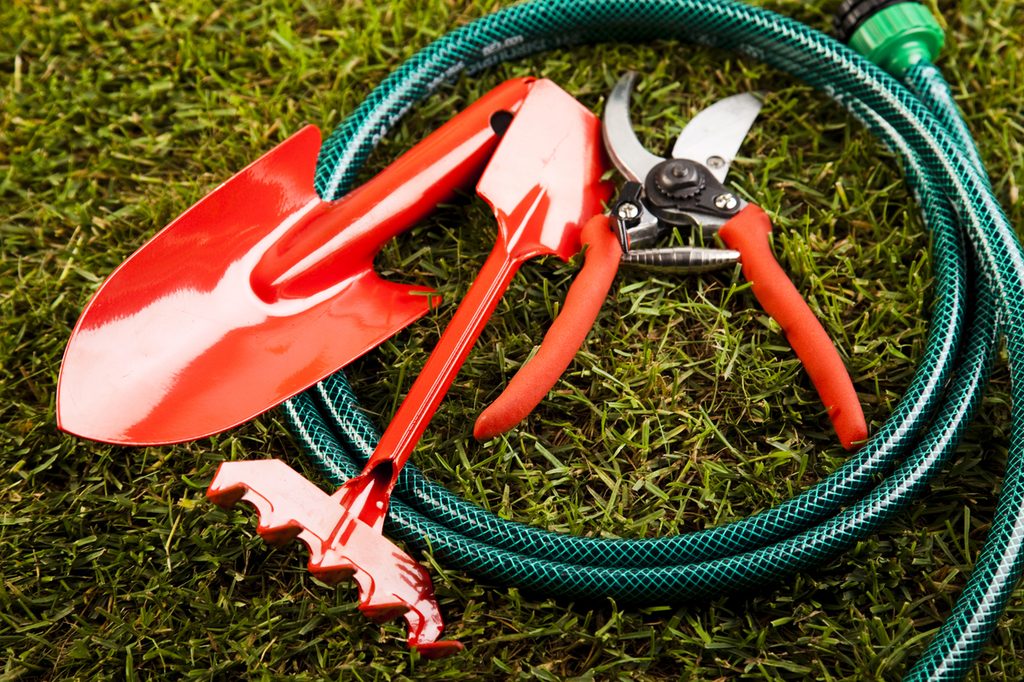
Trowels are small hand shovels, perfect for digging up weeds and planting spring flowers. While a full-size shovel is nice if you’re going to be planting a lot of trees or shrubs, the average gardener will get much more use out of a garden trowel. You can even dig holes for larger plants with a trowel, although your arms will get tired more quickly.
There are a lot of fun colors and patterns available to match your personal aesthetic, but all you really need is a simple stainless steel garden trowel. As long as you clean the excess dirt off of it after use and store it somewhere sheltered, you’ll get years of use out of any decently made trowel.
Shears

Shears are the most useful for gardeners with trees or shrubs, but there are actually plenty of times when shears are handy to have, even if you don’t have woody plants. You can use shears to cut annuals back after they fade to make them easier to dig up and replace or to cut perennials back to regrow in spring. Some plants spread through their roots, and you can cut the roots to propagate the plant or slow its spread. While you can cut the roots with a trowel, shears make a cleaner cut, which is useful for propagation.
Shears come in a range of sizes, and you should consider what plants your shears will need to cut through when choosing the right size for you. Look for shears with stainless steel blades. Bypass shears (which have two sharp blades) are better for general-use gardening, as they are less likely to crush the plant than anvil shears (which have one sharp blade and one flat blade). However, anvil shears are great for getting rid of dead plants, as they tend to have more strength.
Watering can (or hose)
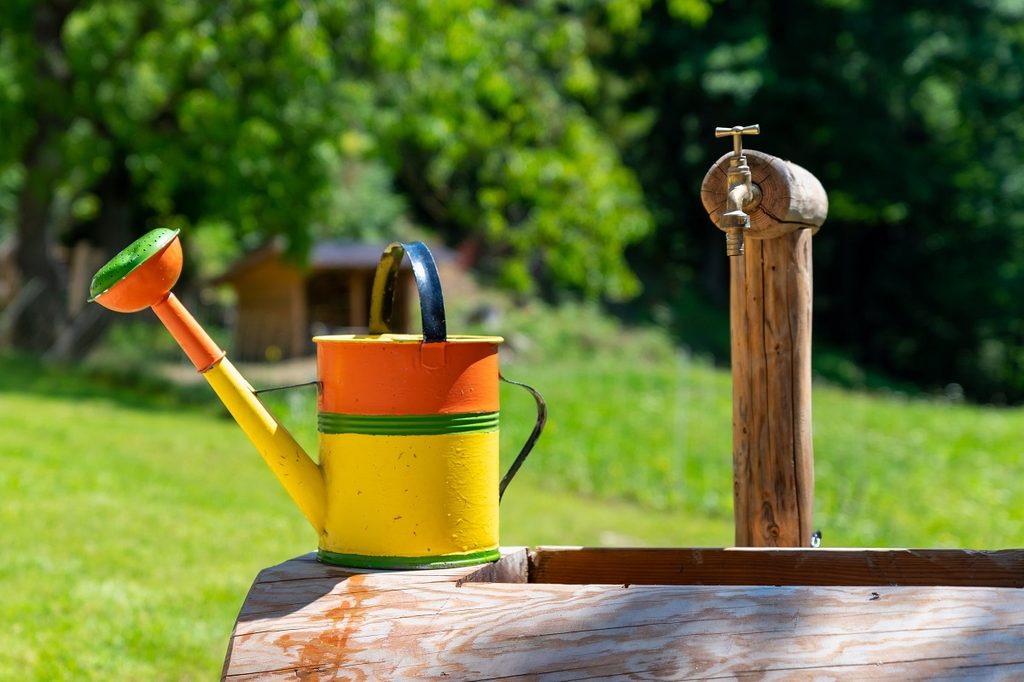
Plants need water, and watering cans are an easy and effective way to get it to them. If you have a larger garden, then a hose might be a better option. Just make sure your hose is long enough to reach your plants. You can use a spray attachment to adjust the intensity of the spray or simply cover part of the opening with your thumb and aim the hose above the plants, so the water falls from above rather than being sprayed directly at them.
Watering cans are great for a variety of gardens. If your plants are indoors, spread out, need liquid or water-soluble fertilizer, or require different amounts of water, then a watering can is usually a better option than a water hose. There isn’t usually a huge difference from one watering can to the next, so focus on finding one that is easy for you to use. You can opt for a simple plastic watering can or a modernist watering can with an unusual shape if that’s what you prefer. As long as you can fill it with water, carry around, and tip it over to pour out the water, any watering can will do.
These gardening essentials will cover all the basics, so you can successfully start your first garden. With the basics covered, you’ll have plenty of time to peruse all the stranger and more specialized garden tools and gadgets. You might find some that are really useful for you. If not, at least you have these gardening essentials to help you out.