  1. Home
  2. Gardening
  3. How tos

This easy homemade hummingbird food attracts all the rufous hummingbirds you can handle

Use these tips to draw rufous hummingbirds to your yard

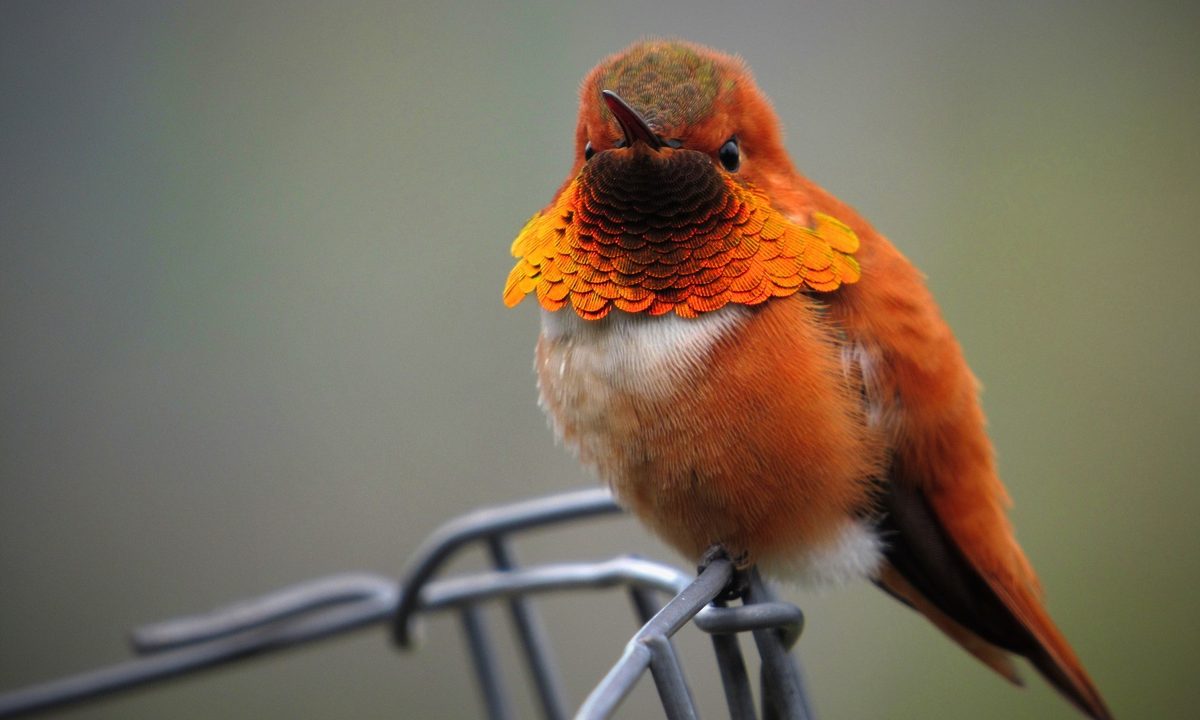
Male rufous hummingbird
BlenderTimer / Pixabay

If you’re a fan of birds, you’ve probably heard of rufous hummingbirds. These little birds are incredibly beautiful, with copper feathers that sometimes appear to glow in sunlight. It’s no wonder so many people put out hummingbird food and plant flowers just to attract them. If you’d like to see these stunning birds in your garden, here’s what you need to know.

Recommended Videos

Difficulty

Easy

Duration

45 minutes

What You Need

  • Refined white sugar

  • Water

  • Stirring utensil

  • Boiling pot (optional)

  • Hummingbird feeder

Male rufous hummingbird sitting on pink thorny vines
Image used with permission by copyright holder

Where can you expect to see rufous hummingbirds?

Unfortunately, rufous hummingbirds aren’t found everywhere. If you live on the East Coast, you’ll have better luck attracting ruby-throated hummingbirds. However, rufous hummingbirds are migratory, and they cover a fairly wide range.

During winter, they live in Mexico and along the Gulf Coast. In early spring, they migrate to their breeding grounds in the Northwest, including parts of Washington state, Canada, and even southern Alaska. During their migration, they pass through the central and western parts of the U.S.

They don’t travel in groups, which makes it difficult to predict if you’ll see them or not. The good news is that they are creatures of habit. If you’ve seen them in your garden before, they’re likely to return, especially if you keep putting out food!
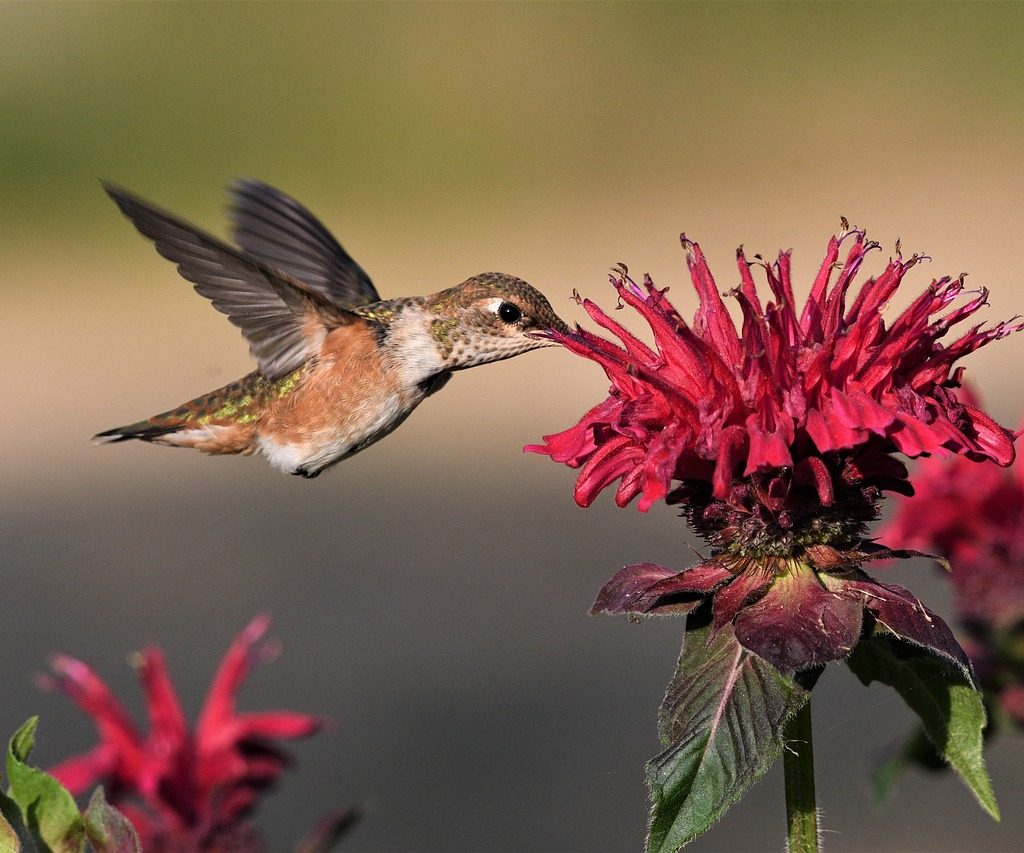
Female rufous hummingbird visiting a pink flower
Veronika_Andrews / Pixabay

Flowers rufous hummingbirds love

Like most hummingbirds, rufous hummingbirds eat nectar from flowers as well as insects (so you may want to stop using pesticides during their migration). Tube-shaped flowers are the best for attracting hummingbirds, as their beaks are specially developed to feed from them.

Rufous hummingbirds in particular love brightly colored flowers and seem to favor red ones.

Here are a few of the best flowers to plant if you want to attract rufous hummingbirds:

  • Scarlet sage
  • Paintbrush
  • Gilia
  • Penstemon
  • Currants
  • Larkspur
Female rufous hummingbird drinking from a copper hummingbird feeder
Image used with permission by copyright holder

How to make homemade hummingbird food

Don’t worry if you don’t have room to plant flowers, or if it’s too late in the year for you to start planting. Rufous hummingbirds will eat from hummingbird feeders as well as flowers. Making homemade hummingbird food is quick and easy. You can start now and be ready to feed hungry rufous hummingbirds within the hour!

Here are the simple steps to make food for hummingbirds:

Step 1: Mix 1 part refined white sugar with 4 parts water.

Refined white sugar is the same as regular table sugar. Avoid using other kinds of sugars, as some have added ingredients that aren’t safe for birds.

Step 2: Stir the sugar until it fully dissolves.

To help it dissolve faster, you can heat the sugar and water solution in a pot for 1 to 2 minutes and then let it fully cool down.

Step 3: Fill your hummingbird feeder.

Step 4: Store excess sugar water in the refrigerator.

Step 5: Avoid using dye or colors in the hummingbird feeder.

Extra color can make it easier to see when the feeder is low, but artificial dyes aren’t good for birds.

Step 6: Refill the feeder when it is empty.

Step 7: Empty and clean the feeder twice a week, refilling it with new sugar water afterward.

This prevents mold from growing in the feeder.

Rufous hummingbirds are beautiful, and they’ve got a long way to travel during their migration! Growing flowers or setting out a feeder for them to rest at is an excellent way to help them; plus you get to see their lovely feathers.
Topics
Keep Bermuda grass at bay with these lawn care strategies
Tips on keeping unwanted Bermuda grass under control
Manicured Bermuda lawn

Bermuda grass, also known as Cynodon dactylon, is a common type of lawn grass. Its toughness, adaptability, and creeping growth habit attract either appreciation or disdain from the homeowners, gardeners, landscapers, and others who plant it or are invaded by it. While it's hardy nature makes it a resilient lawn grass, its habit of spreading can make it a serious nuisance. Even worse, once it's spread into an area it's incredibly difficult to get rid of. If Bermuda grass is spreading into your lawn from the surrounding area or you've just moved into a new home with a Bermuda grass lawn you'd like to replace, then here are our tips for controlling it.

Read more
Sustainable gardening: Tips for a greener, eco-friendly garden
Make your garden more sustainable with these tips
Cupped hands holding soil and little seedling

Gardening can be a rewarding, fun, and useful hobby, but it can also be challenging at times. If you’re struggling to keep your garden healthy and happy, then it might be time to consider switching to a more sustainable gardening method. Sustainable gardening can make your garden easier to care for, and it’s better for the environment. If you’re wondering about what exactly sustainable gardening is and how it works, then this is the guide for you! We’ll explain what it is and help you get started with some tips and tricks.
What is sustainable gardening?

Sustainable gardening doesn’t have a single concise definition, and it can take many different forms. Unfortunately, that sometimes leaves gardeners (especially beginners) a bit confused. To break it down, sustainable gardening methods focus on the environment, including being mindful of what chemicals or invasive species are being introduced to the ecosystem and trying to mimic the natural conditions of the environment in your garden.

Read more
How to get rid of gnats without harming your plants
Follow these tips and get rid of gnats now
Potted herbs on a windowsill

In most cases, gnats are little more than a nuisance. For gardeners, though, a gnat infestation can spell devastation. While adult gnats don’t damage plants, the larvae will eat roots and leaves. In large numbers, they can cause serious damage. There are many pesticides on the market, but some plants are sensitive to the chemicals in them. Luckily, there are other options for controlling a gnat infestation, so you can save your plants without scorching their leaves. This guide on how to get rid of gnats in plants will explain everything you need to know.

Read more