
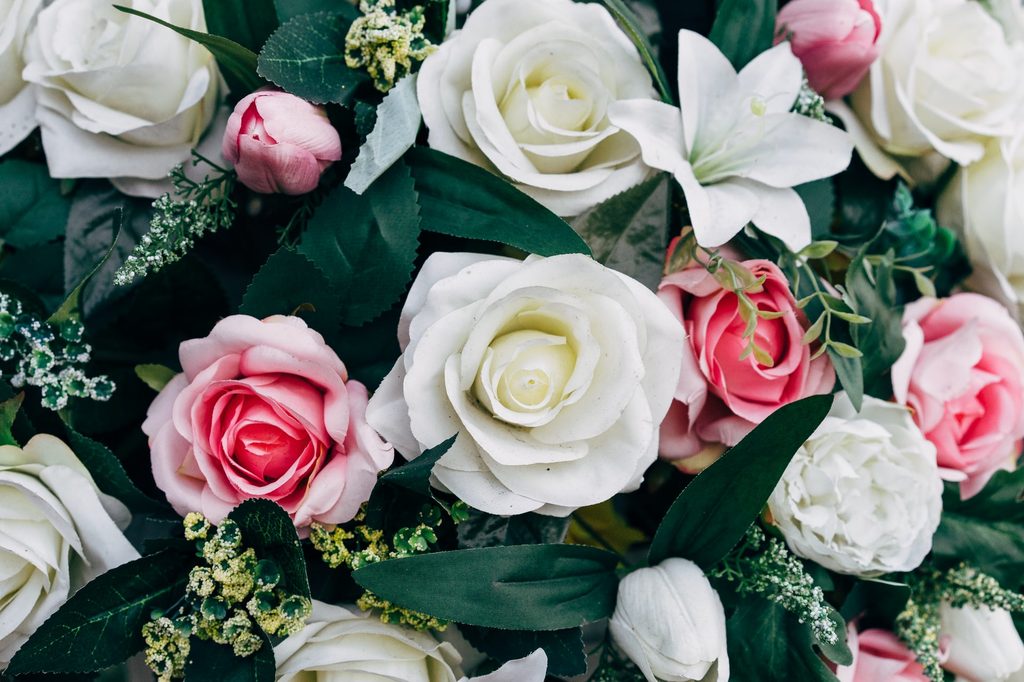
Silk flowers are a beautiful way to add elegance to your home. They make wonderful gifts, can brighten up areas where houseplants don’t typically thrive, and won’t wither if left unattended. They are not, however, immune to dust, dirt, and stains. So what do you do when your indestructible flowers start to look a little less lively? We have the answers, from brushing away natural dust buildup to storing your flowers for longevity. Without further ado, here’s your guide on how to clean silk flowers and keep them in flawless condition.

Where can you buy silk flowers?
Commonly found at weddings and memorials, silk flowers are made of silk, so they’re a bit more elevated (and more realistic looking) than the plastic flowers that you might find at your local dollar store. Start at specialty floral shops and home goods stores to find silk flowers for the occasion.
Since they’re so common at weddings, you may also consider renting them from bridal businesses — they can definitely be an inexpensive alternative to freshly cut flowers. Bought or rented, silk flowers come in a variety of styles, so you can choose whichever type of flower you love no matter the season.
When should you clean your flowers?
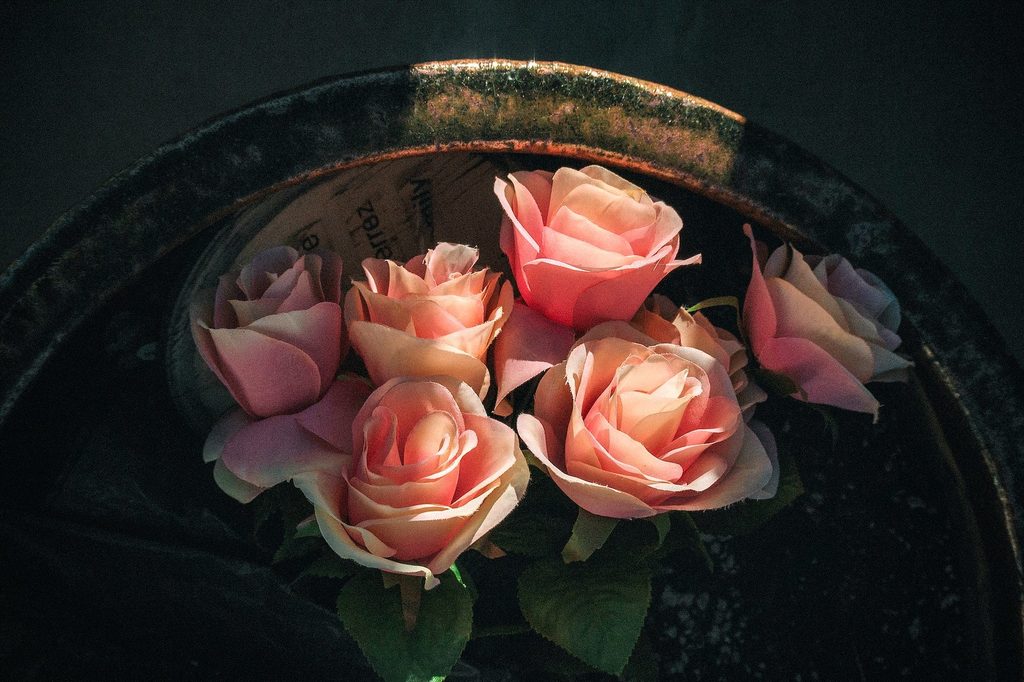
Silk flowers are low maintenance and will not immediately fall apart if you neglect them. As such, you can set a cleaning schedule that best suits you. Some may prefer to clean them only whenever they see the flowers getting a bit dingy, while others may prefer to keep a set schedule of every three months or so.
If something is spilled on the flowers, or if they become dirty with something other than the regular buildup of dust, then you should clean them as soon as you can. Silk is easily stained, so letting something other than dust settle on the fabric for too long could lead to permanent damage.
Likewise, if you notice that your flowers are damaged, repair them quickly. Damage can quickly become worse if ignored. Luckily, it’s fairly easy to keep your flowers from becoming damaged in the first place.

Cleaning and touch-ups
You have a few options when it comes to getting dust and grime off of your silk flowers, and different methods are better suited for different situations. Dry methods are quick, easy, and best for flowers that are just a little dusty or that need to be freshened up after storage. The wet method takes a little longer but is better at getting other contaminants off of your flowers.
For dry methods, you can place your flowers in a bag of either plain, uncooked rice or cornstarch. Gently shake the bag so that the flowers have full contact with the rice or cornstarch. Another dry method is to use gentle air pressure, either from a can or from a hair dryer, to blow off any dust. If you use a hair dryer, don’t use it on a heat setting. Heat can damage the glue, causing your flowers to weaken or fall apart.
The wet method is to wash your flowers in warm, soapy water. The soap needs to consist of a gentle formula, and avoid using bleach or anything harsh. You want your water to be warm but not hot. If you’re dealing with a stain, it may need to soak for a while. Keep a careful eye on your flowers to avoid soaking them for too long and damaging them. If your flowers are exceptionally delicate or already damaged, you should repair your flowers before washing them. After washing, you can let them air dry or use a hair dryer on a cool setting.

Storing your silk flowers
A large part of protecting your flowers and maintaining their beauty is storing them correctly. You want to choose a large enough flower container to fit your pieces without bending, folding, or crumpling any petals or stems. The container needs to be airtight or as close to it as possible. Moths can and do eat silk, so be sure that the lid is on tight. If you plan on storing multiple flowers together, you may want to wrap them individually in soft paper or fabric.
Repairing your silk flowers
There are two common, simple repairs that you may need to do. First, the ends of petals can sometimes fray, especially in flowers that are older. You can use a small amount of fabric glue or a fray stop , which can be found online or in most craft stores. All you have to do is gently apply the glue to the ends of your petals. You might need to trim away errant threads if the petal is already partially frayed.
Second, if the glue on your flowers dissolves, you need to reapply it. A dab of hot glue at the base of a flower can reattach it to the stem if they come apart. Fabric glue is a better option for reattaching petals. You may need to use tweezers to reattach petals, depending on their size.
Now you know the best ways to maintain your silk flowers. These almost-real blooms are easy to care for and only need occasional cleaning and repairs to keep them in top shape. Be gentle with your flowers, and they can last you a lifetime. Use this simple guide to keep your flowers bright, clean, and intact for years to come.