Herbs and spices are a key part of many kitchen gardens, and there are lots of fantastic and unusual plants you can add to your herb garden to flavor your meals. Growing your own plants isn’t just a great way to get fresh herbs — it can also save you money.
One of the most expensive spices is saffron, but it’s also one of the most delicious. Growing your own saffron plants sounds like a great way to get this flavorful spice without breaking the bank, but how hard is it to do? We’ll explain everything in this simple guide on how to grow saffron at home.
What is saffron?
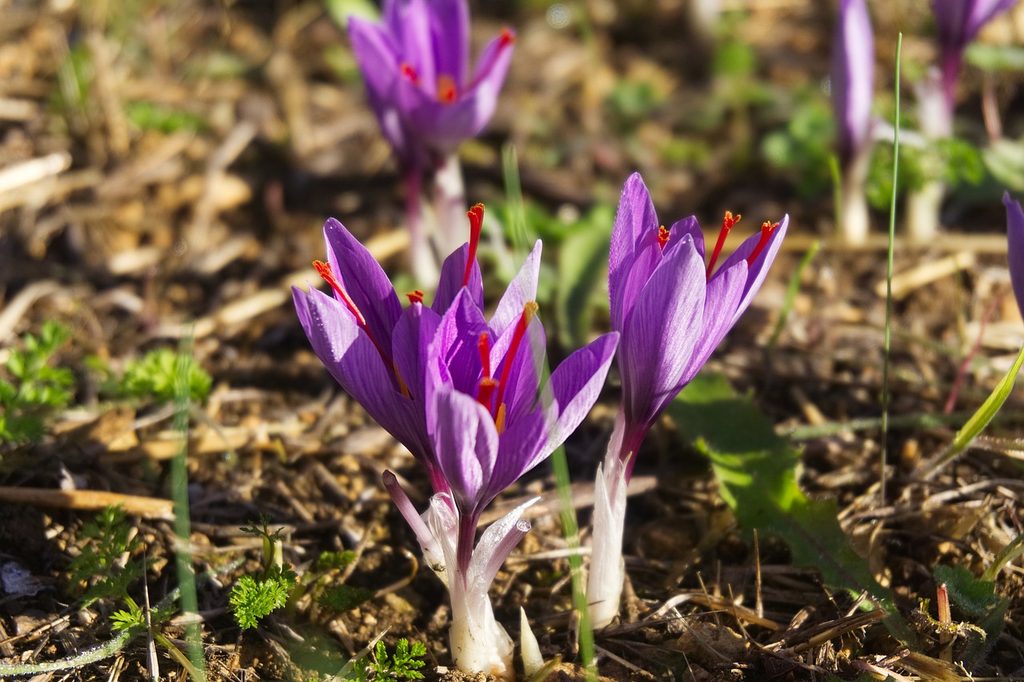
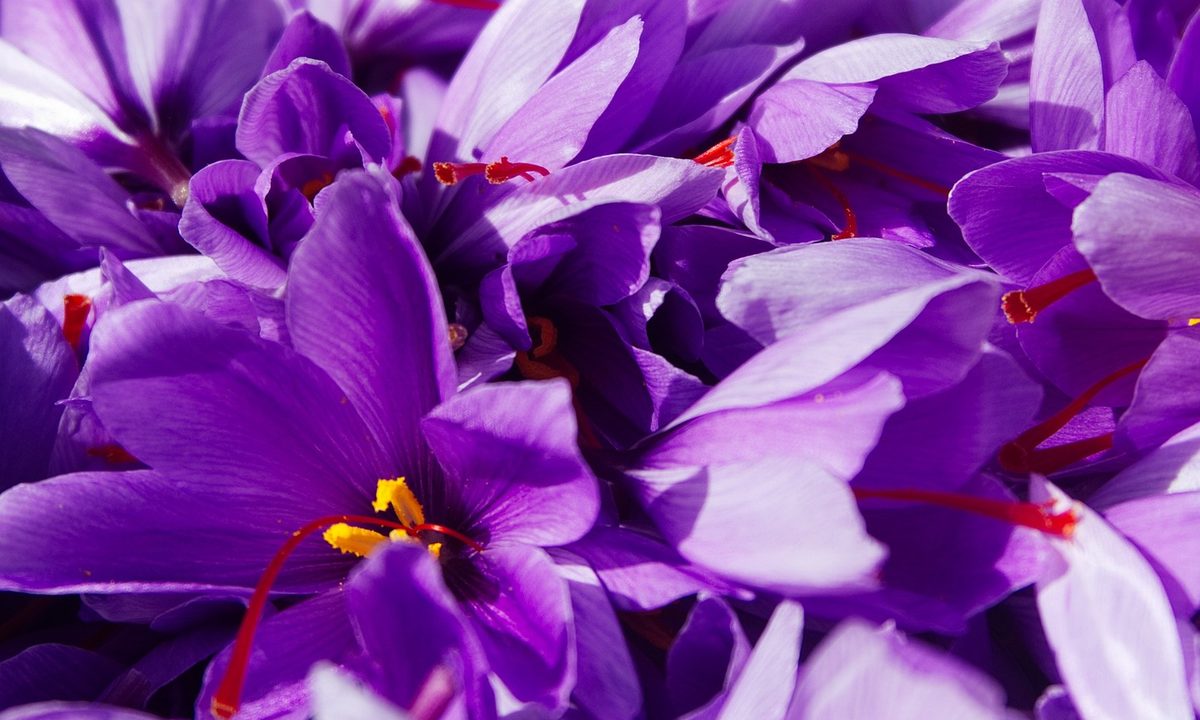
Saffron is the dried style and stigma of the saffron crocus, also called the autumn crocus or Crocus sativus. The style and stigma are the parts of the flower that collect the pollen and transfer it to the plant’s ovaries to create seeds. In the saffron crocus, these are bright red and typically longer than the rest of the flower, making them easy to spot.
Other than these vibrant stigmas and styles, which are typically called saffron threads, saffron crocuses do not appear different from other types of crocus flowers. They have beautiful, purple, cup-shaped flowers, and they grow fairly quickly. As the name suggests, autumn crocus flowers bloom in autumn rather than in early spring.
What are the downsides to growing your own saffron?
While growing your own saffron crocus flowers is not particularly difficult, there are some downsides. If you’re hoping to grow saffron to harvest and use regularly, you’ll need a lot of flowers. To make even a single gram of saffron, you would need nearly 200 flowers. Saffron crocuses are fairly small, but it still takes a lot of room to grow so many of them.
Additionally, saffron has to be harvested by hand due to how delicate the threads are. This is why saffron is so expensive — imagine harvesting thousands of tiny delicate saffron threads by hand! However, if you only want to grow a few saffron plants to use as a special treat, because you enjoy the flowers, or just so you can say you’ve done it, then growing your own saffron at home is much more feasible.
Planting saffron
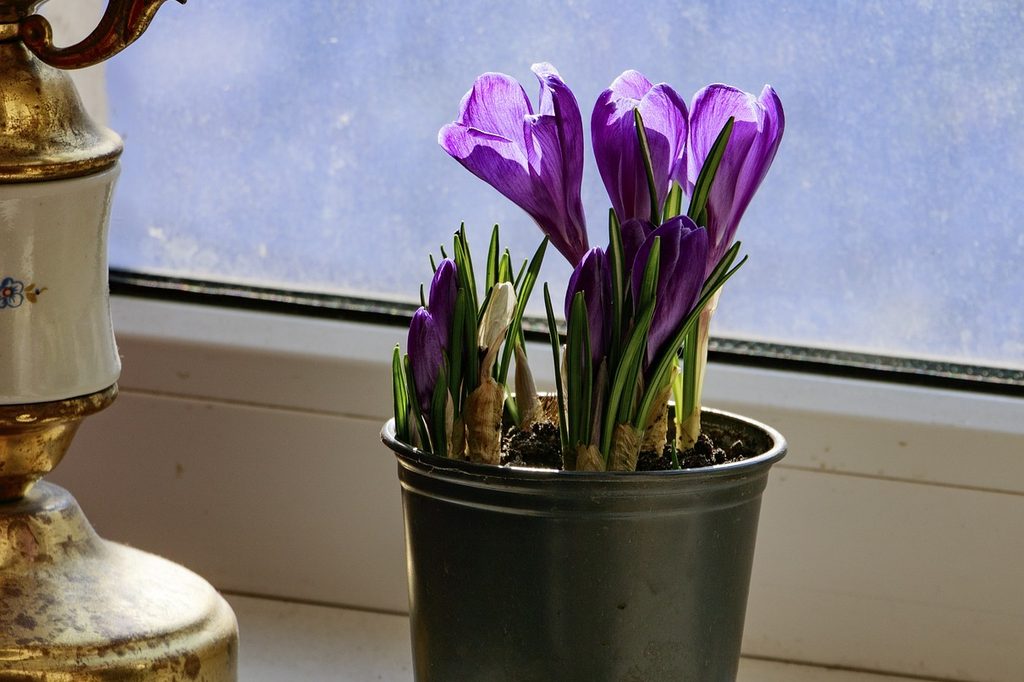
Like other types of crocus flowers, saffron crocuses grow from bulbs. Start by choosing healthy, undamaged bulbs that are a good size for the container or location you’re planting them in. Larger bulbs typically mean larger plants, but they’ll also need to be planted slightly deeper. When planting, make sure the pointed end of the bulb is facing up, as that’s where the stem will grow from.
Choose a planting site with well-draining soil that is light and has organic matter. Avoid heavy, dense, or clay-heavy soils, and consider amending your soil with compost before planting. If you’re growing your saffron in a container, be sure the container has drainage holes as well. The area should be in full sun to partial shade.
Plant your saffron crocuses in late summer to early fall, when the weather is still warm but not hot. In most places, August and September are the best months to plant, but keep an eye on the weather predictions. You want the crocus bulbs to be well established before the first frosts of the year. Space them 3 to 5 inches apart, and plant them 3 to 5 inches deep.
Saffron plant care

Once they’re planted, saffron crocus plants require little care. Keep the soil moist but not soggy for the first week after planting so that the bulbs come out of dormancy and begin to grow. Afterward, only water them when the soil is completely dry. Saffron plants can easily become overwatered and develop root rot, so avoid watering them if the soil is still damp. If the bulb rots, you’ll lose both the tasty saffron and the beautiful flower!
Saffron plants don’t need to be heavily fertilized, but mixing compost or other additives like bone meal into the soil can help give your soil a boost. This is best done at the beginning of the growing season. Saffron crocus plants are perennials, meaning they will return year after year as long as they receive proper care. You can even propagate them through root division, similar to peace lilies.
How and when to harvest saffron
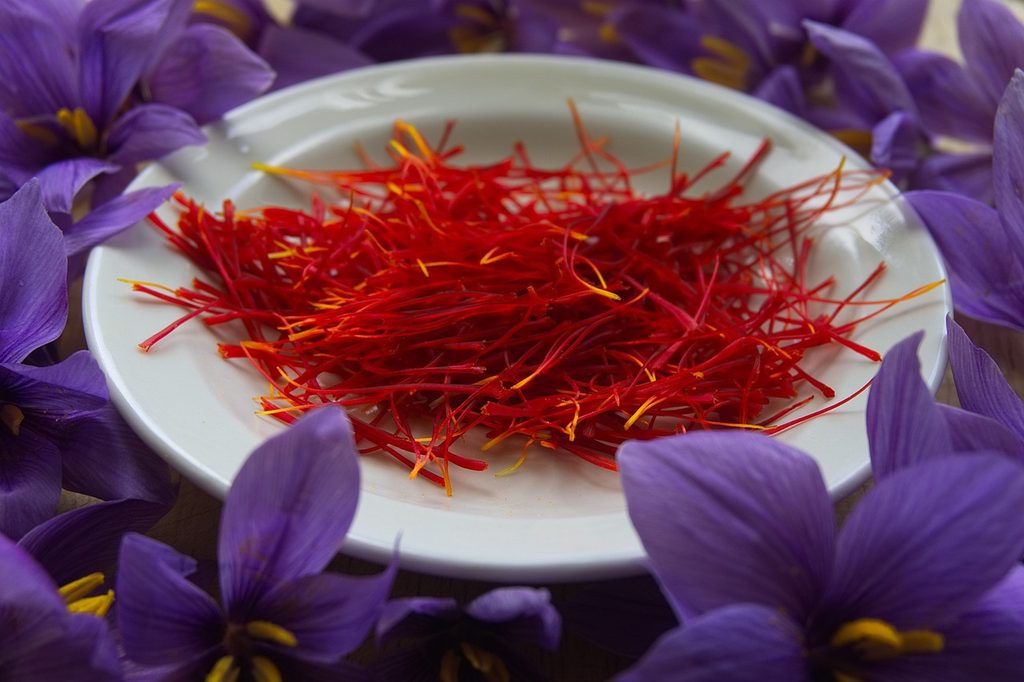
Saffron crocuses grow quickly, but they have a short window for harvesting them. If left too long, the flowers will wilt and fall away, leaving you without your saffron. Wait for the flowers to begin to bloom in early to mid-fall. You should be able to see the bright red saffron threads if you look between the petals.
You can pick just the threads themselves, but many people find it easier to cut the whole flower off the plant and separate the threads from the rest of the flower in a more comfortable place. Avoid picking flowers that are still completely closed, as they may not be done growing their threads yet.
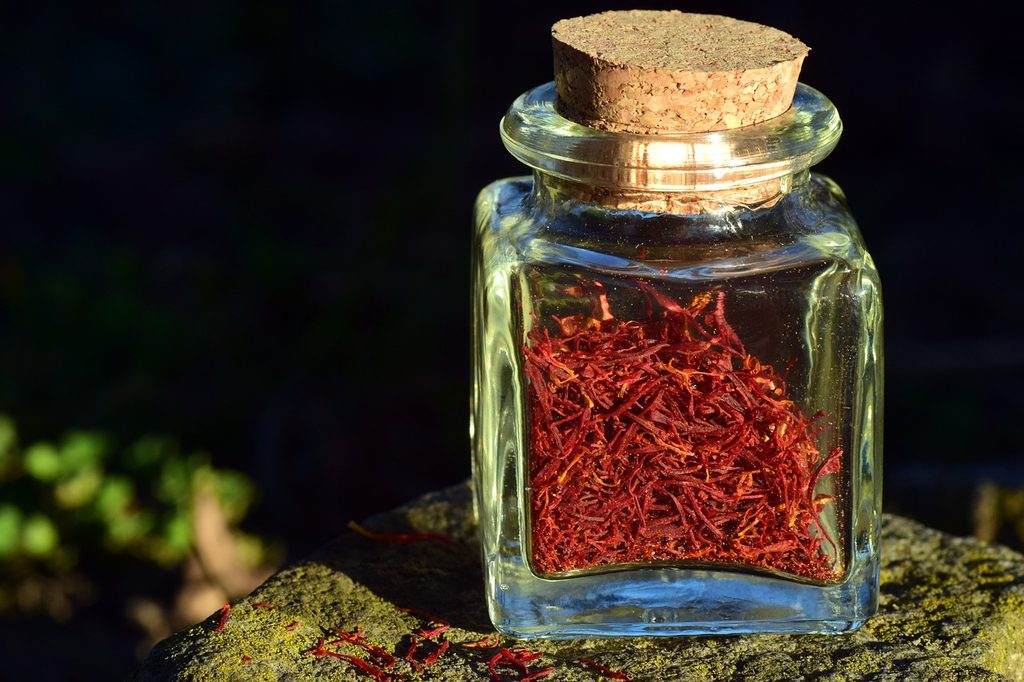
After harvest, dry your saffron threads and store them in a cool, dry place. You can store whole threads in jars or grind them into powder. While you won’t get a full ounce unless you grow many, many flowers, you can build up quite the supply of saffron over years of harvesting if you treat your plants well.