
  1. Home
  2. Gardening
  3. Evergreens

Quaking aspens are tall, beautiful, and easier to care for than you might expect

Read here and learn how to grow quaking aspens

Yellow quaking aspen leaves
Steppinstars / Pixabay

Quaking aspens are native deciduous trees with striking and easily recognizable silhouettes. They have tall, thin trunks wrapped in white or silver bark. Although they are stunning all year long, with small white flowers in the spring and round green leaves in the summer, quaking aspens are perhaps most famous for their brilliant gold color of fall foliage. In addition to their beauty, quaking aspens are also extremely good for the environment. If you’re thinking about planting a quaking aspen tree in your yard, this is the care guide for you.

How to plant a quaking aspen

When choosing your planting site, there are a few key things to look for. First, your planting site should be well away from power lines, buildings, or other structures that tree growth could damage. Quaking aspens typically grow to between 30 and 50 feet tall (although some can grow much taller) and their longest branches can grow up to 30 feet long, so make sure your tree has plenty of room.

Recommended Videos

Your location should also be in full sun with rich, moist soil. Quaking aspens need at least 4 to 6 hours of sun each day in order to grow properly. In addition to the sun, a quaking aspen needs plenty of water and nutrients. Adding compost to your soil before you begin planting can help improve poor soil. Although it needs moist soil, avoid planting your quaking aspen in wetlands or dips where water pools, as too much standing water can lead to fungal infections.
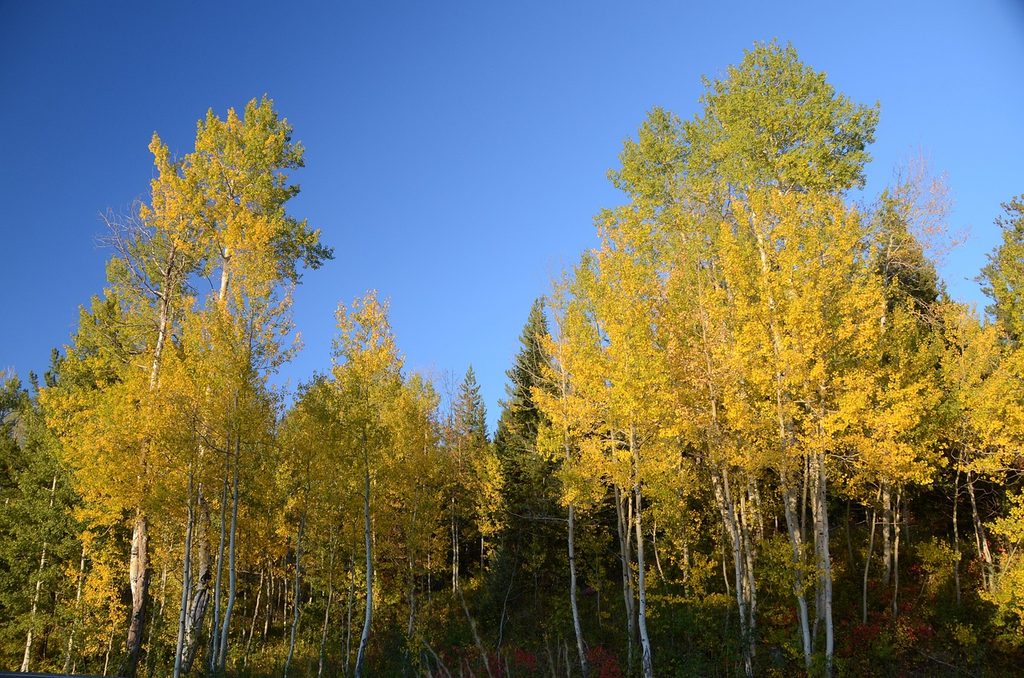
Quaking aspens in the fall
Steppinstars / Pixabay

Caring for and maintaining your quaking aspen

Keep the soil moist but not soggy while your quaking aspen is growing, especially during the summer when it is hot and dry. However, take care not to overwater it. If it has rained recently or the soil is still wet, then wait to water it until the soil dries. This is primarily to prevent fungal infections which thrive in wet soil. The most common fungal infections quaking aspens suffer from affect the leaves, causing them to discolor and drop early.

Regular pruning and trimming can keep your quaking aspen healthy and keep its size in check. Remove any diseased or damaged branches, as well as those that are growing too close to any structures or hazards. As your aspen grows, you may need a ladder or heavier equipment to prune it properly. Be careful, and have someone close by to help if there is an emergency.

Feed your quaking aspen in early spring with a high-nitrogen fertilizer. Fertilizers that contain a lot of organic material, such as compost or leaf mulch, are particularly good for quaking aspens. Avoid fertilizing quaking aspens more than twice a year, though, as they’re sensitive to overfertilization.

These amazing trees will be right at home in your yard or garden, especially now that you know how to care for them. Give your quaking aspen plenty of sunshine, room to grow, and rich, wet soil, and watch it thrive!
Keep Bermuda grass at bay with these lawn care strategies
Tips on keeping unwanted Bermuda grass under control
Manicured Bermuda lawn

Bermuda grass, also known as Cynodon dactylon, is a common type of lawn grass. Its toughness, adaptability, and creeping growth habit attract either appreciation or disdain from the homeowners, gardeners, landscapers, and others who plant it or are invaded by it. While it's hardy nature makes it a resilient lawn grass, its habit of spreading can make it a serious nuisance. Even worse, once it's spread into an area it's incredibly difficult to get rid of. If Bermuda grass is spreading into your lawn from the surrounding area or you've just moved into a new home with a Bermuda grass lawn you'd like to replace, then here are our tips for controlling it.

Read more
Sustainable gardening: Tips for a greener, eco-friendly garden
Make your garden more sustainable with these tips
Cupped hands holding soil and little seedling

Gardening can be a rewarding, fun, and useful hobby, but it can also be challenging at times. If you’re struggling to keep your garden healthy and happy, then it might be time to consider switching to a more sustainable gardening method. Sustainable gardening can make your garden easier to care for, and it’s better for the environment. If you’re wondering about what exactly sustainable gardening is and how it works, then this is the guide for you! We’ll explain what it is and help you get started with some tips and tricks.
What is sustainable gardening?

Sustainable gardening doesn’t have a single concise definition, and it can take many different forms. Unfortunately, that sometimes leaves gardeners (especially beginners) a bit confused. To break it down, sustainable gardening methods focus on the environment, including being mindful of what chemicals or invasive species are being introduced to the ecosystem and trying to mimic the natural conditions of the environment in your garden.

Read more
How to get rid of gnats without harming your plants
Follow these tips and get rid of gnats now
Potted herbs on a windowsill

In most cases, gnats are little more than a nuisance. For gardeners, though, a gnat infestation can spell devastation. While adult gnats don’t damage plants, the larvae will eat roots and leaves. In large numbers, they can cause serious damage. There are many pesticides on the market, but some plants are sensitive to the chemicals in them. Luckily, there are other options for controlling a gnat infestation, so you can save your plants without scorching their leaves. This guide on how to get rid of gnats in plants will explain everything you need to know.

Read more