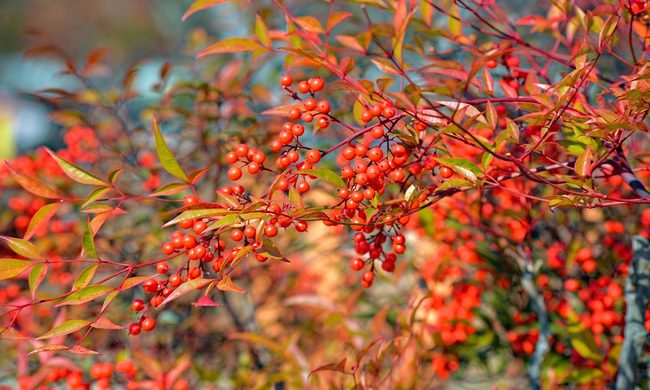
There’s a lot of appeal in growing palm trees. They have a relaxed, sunny atmosphere to them that can turn any garden into a tropical paradise. If your yard isn’t big enough to support a tree, or if you’d like to bring the relaxation into your home or office, then a smaller palm may be more in line with what you need. There are plenty of small or slow-growing palms, and we’ve whittled down our top five favorites that you can bring into your home today.
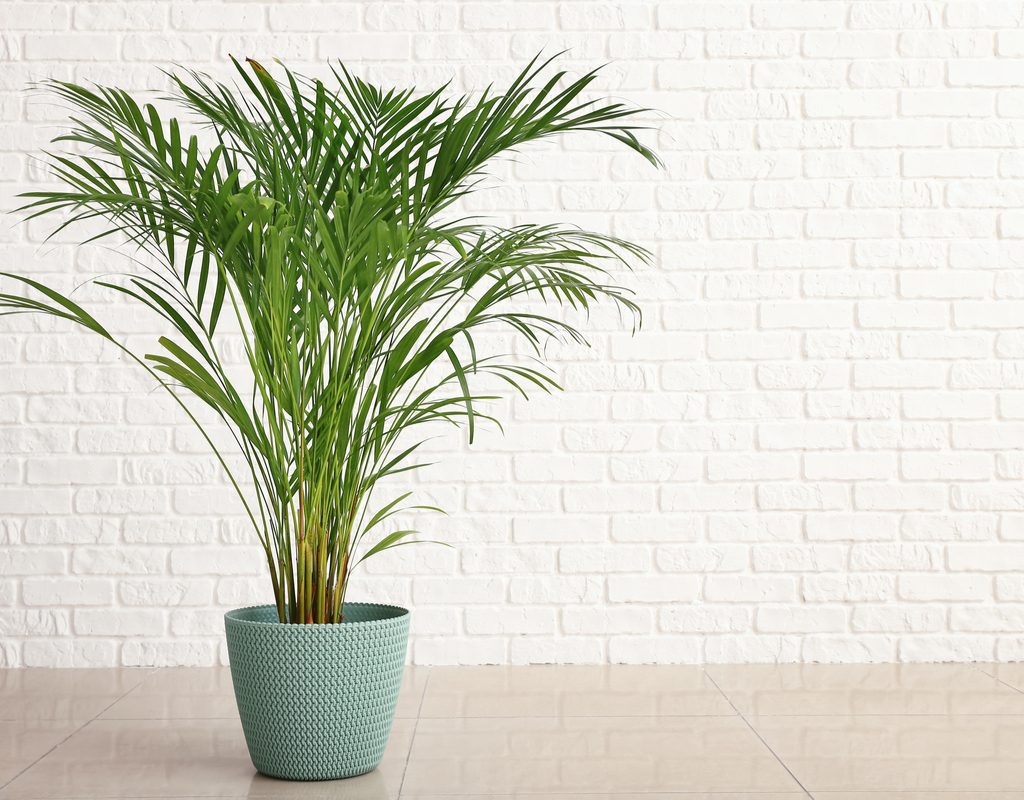
Areca palm
Areca palms are beautiful and relatively easy to care for. They enjoy bright light and consistent moisture. They can develop root rot, though, so be sure to keep the soil moist but not soggy. Soil that is well-draining or a pot with plenty of drainage holes can assist with that. Fertilize your areca palm through spring and summer, but you don’t need to worry about feeding it during fall or winter. Although it isn’t particularly good for eating, it is nontoxic, so you don’t need to worry if a pet takes a nibble.
One interesting quirk of areca palms that makes them excellent houseplants is that they prefer smaller pots. Although they do still need to be repotted every few years, this is more to refresh the soil and clear away any fertilizer buildup. The roots of the areca palm grow in a tighter formation and don’t take too kindly to being loosened. You can even repot an areca in the same pot, just with new or mostly new soil.
Sago palm
Sago palms are a common house palm, and they make great houseplants. Be advised, though, that sago palms are toxic, so if you have pets that enjoy chewing on leaves, it’s better to skip this one. Otherwise, though, the small size and distinct appearance of these palms make them a favorite of many.
Sago palms are moderately shade tolerant but definitely prefer bright light. Sago palms, like many other palms, are sensitive to root rot and cannot tolerate overwatering. However, they still need semi-regular waterings. Test the soil before you water your sago, and, if it’s still damp, you don’t need to water.
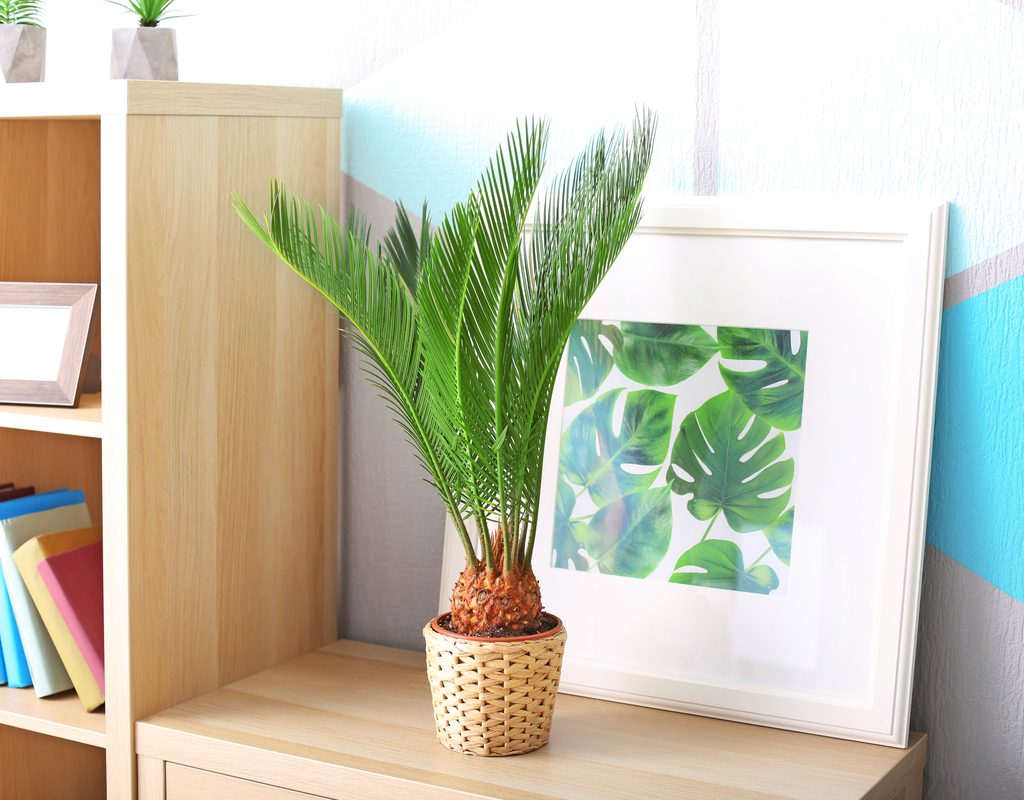
Cascade palm
Cascade palms, also called cat palms, are cute, fern-like palms that will get up to three feet tall indoors. Cascade palms are easy to care for, perfect for first-time palm owners. They don’t need frequent fertilization or repotting once they reach their full height. Plant in a mid-sized pot with plenty of drainage holes, and use palm potting soil for best results.
Choose a location that is sunny, but avoid placing it directly under or in front of heating or cooling vents. These tend to dry out the leaves of cascade palms. This palm is safe for dogs and cats, making it a great option for pet owners.
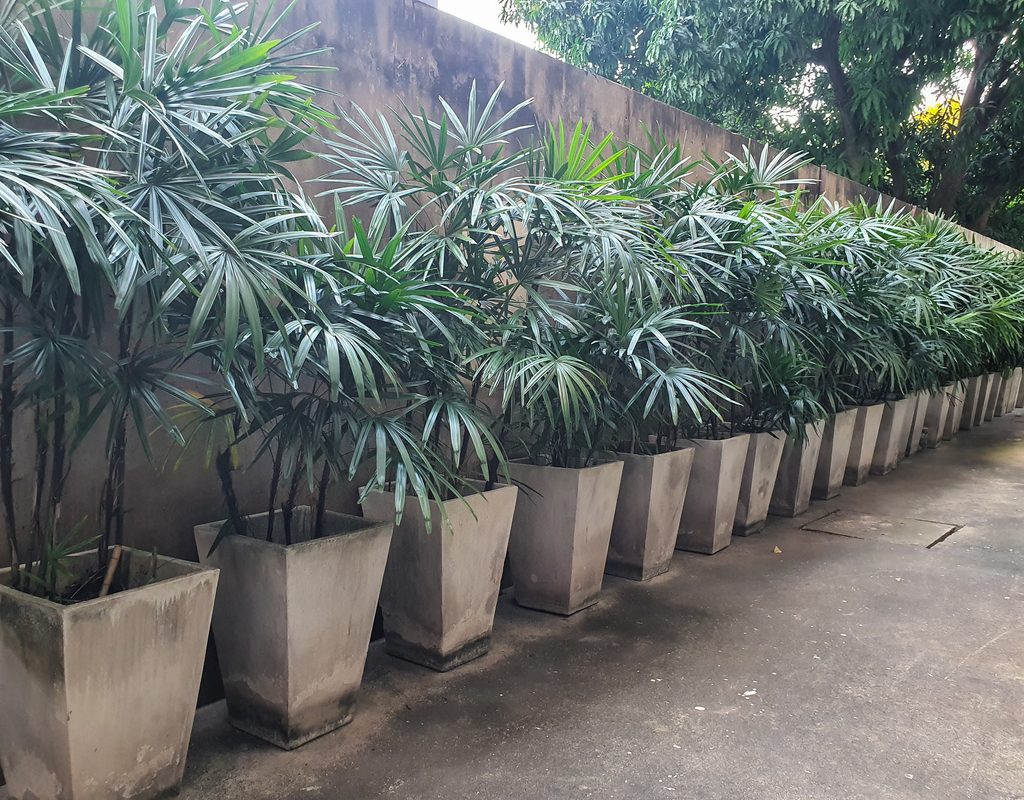
Broadleaf lady palm
Broadleaf lady palms grow a bit taller than some others on this list, but they grow slowly, so you don’t need to worry too much about them outgrowing your home. This is especially true if they’re grown in partial shade rather than sun. These palms are among the easiest to grow and can tolerate a wide range of conditions.
When growing them indoors, you’ll see the best results in well-draining soil and full to partial sun. The only thing to be concerned about with broadleaf lady palms is overwatering. They’re sensitive to root rot but can tolerate an occasional short dry period. Broadleaf lady palms are also safe for pets.
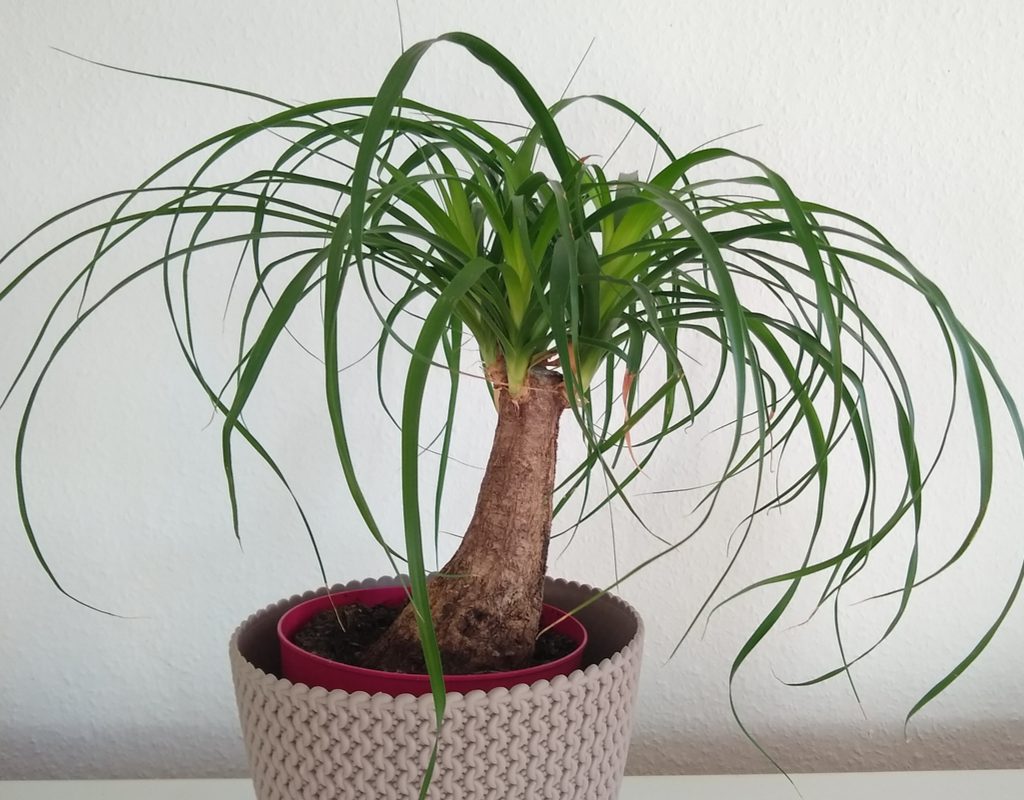
Ponytail palm
Ponytail palms, while technically not true palm trees, are great houseplants. They have classic palm trunks combined with a set of fun, ribbon-like leaves, and their small size makes them good choices for desk plants or areas with limited space.
Ponytail palms enjoy a lot of sun and only a little bit of water. They’re ideal for people who are looking for plants that are more hands off. Ponytail palms are nontoxic for pets and people.
These small palms are great choices if you’re looking to bring some fun in the sun indoors. Sago palms and ponytail palms are excellent desk plants, while areca palms, cascade palms, and broadleaf lady palms can be desk plants when young but are better suited as floor plants. Avoid sago palms if you have pets; but areca, broadleaf lady, cascade, and ponytail palms are all nontoxic and safe for your furry friends.