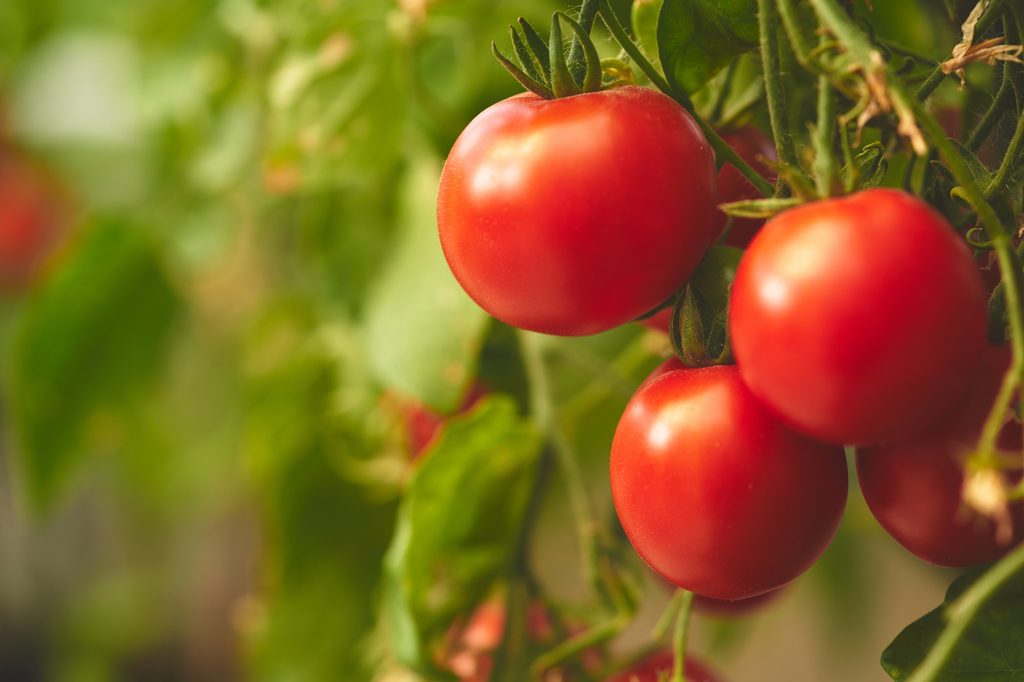
When building out your summer garden, you might have tomatoes on your mind. With ample sunlight, well-draining soil, and a sturdy trellis, you’ll be able to start a healthy and delicious crop. Luckily, there’s no shortage of delicious tomato companion plants out there that help repel pests, bring in pollinators, and improve fruit yield. When planning your garden beds and borders around tomatoes, here are the best plants to keep by their side.
1. Borage
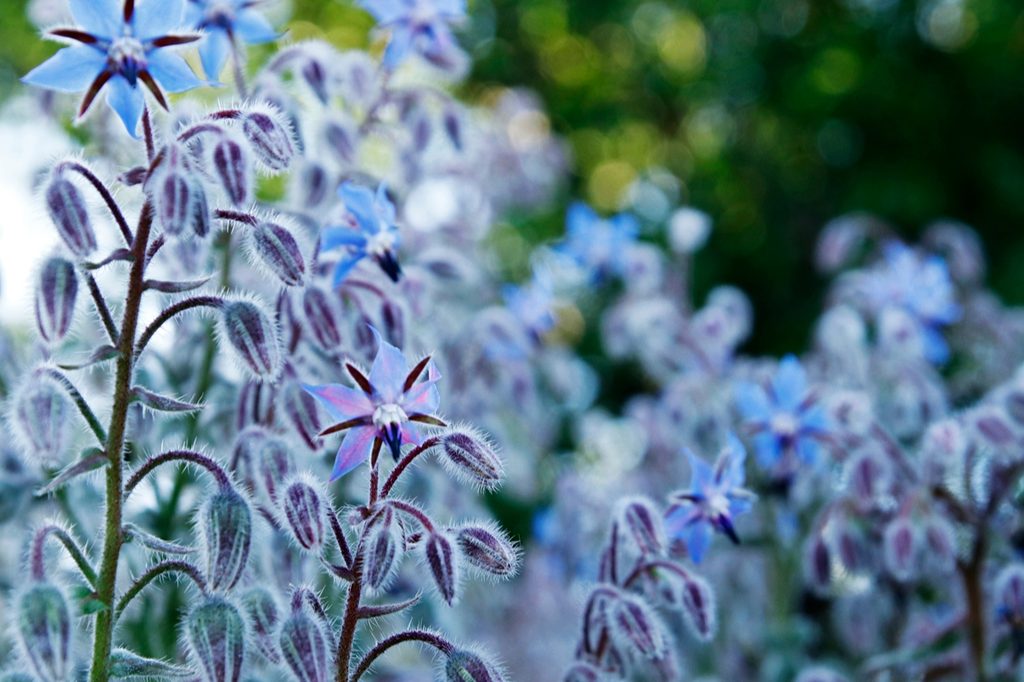
Borage, a flowering herb with star-shaped blue flowers, goes well with tomatoes because it helps repel destructive tomato hornworms, which feed on tomato leaves and fruits. It also attracts pollinators thanks to its blossoms. You’ll commonly find tomatoes, borage, and squash planted together because squash shares similar care requirements as tomatoes and benefits from borage’s pollinator-attracting properties. What’s great about borage is that you can also use it as a garnish on your dishes.
2. Basil
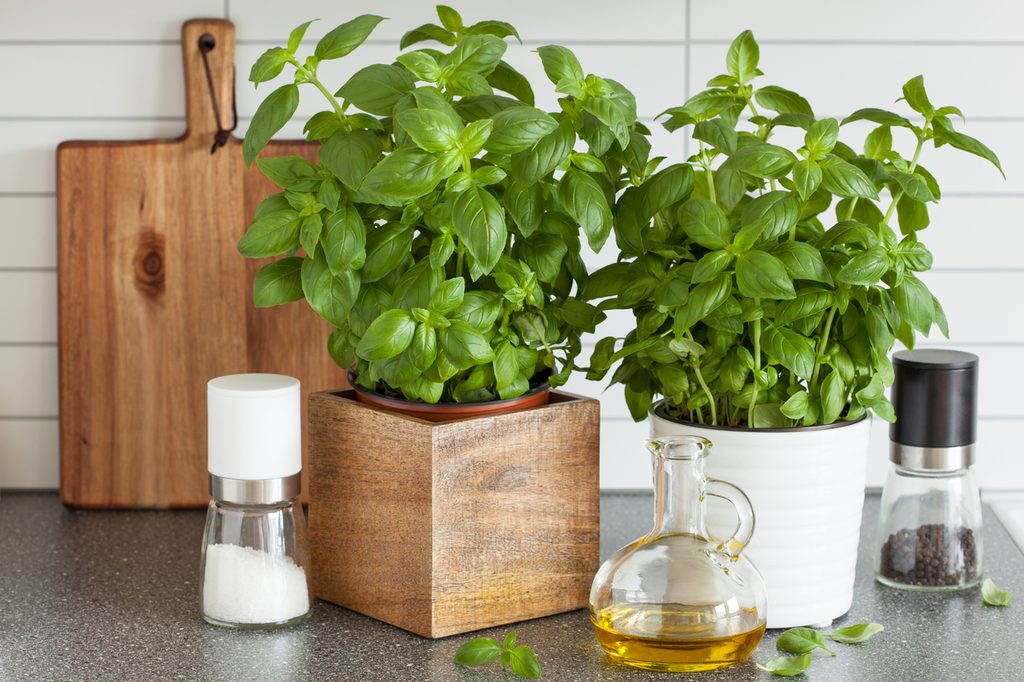
Tomato and basil pair together beautifully in the garden and the kitchen. Because it’s an aromatic herb, basil can repel destructive pests like whiteflies and hornworms. Basil may also help enhance the flavor and yield of your tomatoes. When it comes to care, both basil and tomatoes do well with consistent watering and full sun, so you can put them on the same plant care schedule.
3. Marigolds
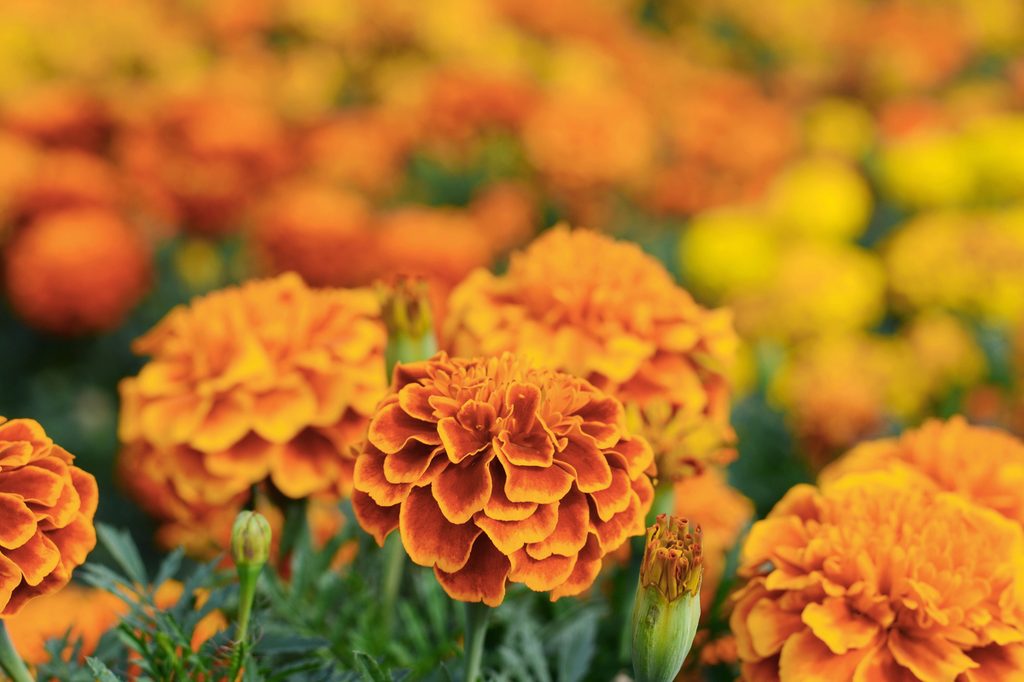
Vibrant marigolds add cheer to your garden and make great neighbors for your tomatoes. These excellent companion plants keep out root-knot nematodes that are particularly parasitic in hot climates. As a bonus, marigolds’ strong odor repels other pests as well. Like tomatoes, these lovely flowers do well in full sun. Although typically annuals, they self-seed, so you can enjoy them year after year. Besides making for beautiful borders, marigolds can also add a golden color and a light citrusy flavor to your food. Not all marigolds are edible though, so double-check if your particular variety is.
4. Asparagus
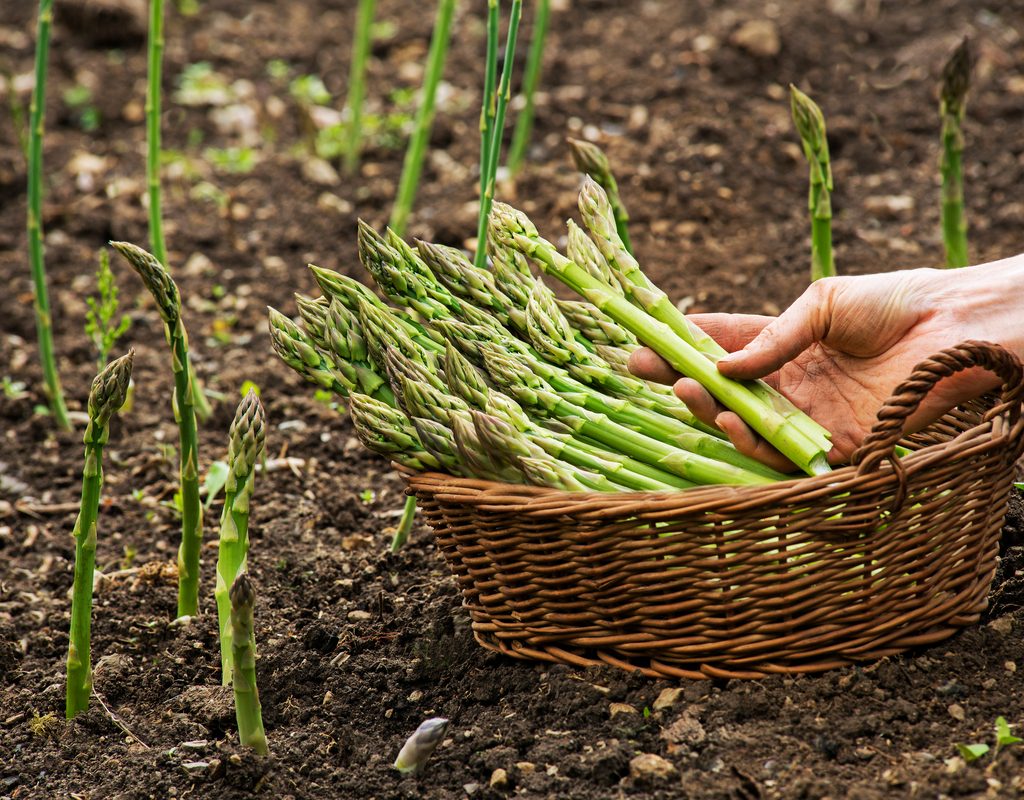
Asparagus and tomatoes make for the perfect duo, both providing each other with benefits. Asparagus keeps out nematodes that feed on tomato roots, while tomatoes deter asparagus beetles.
5. Carrots
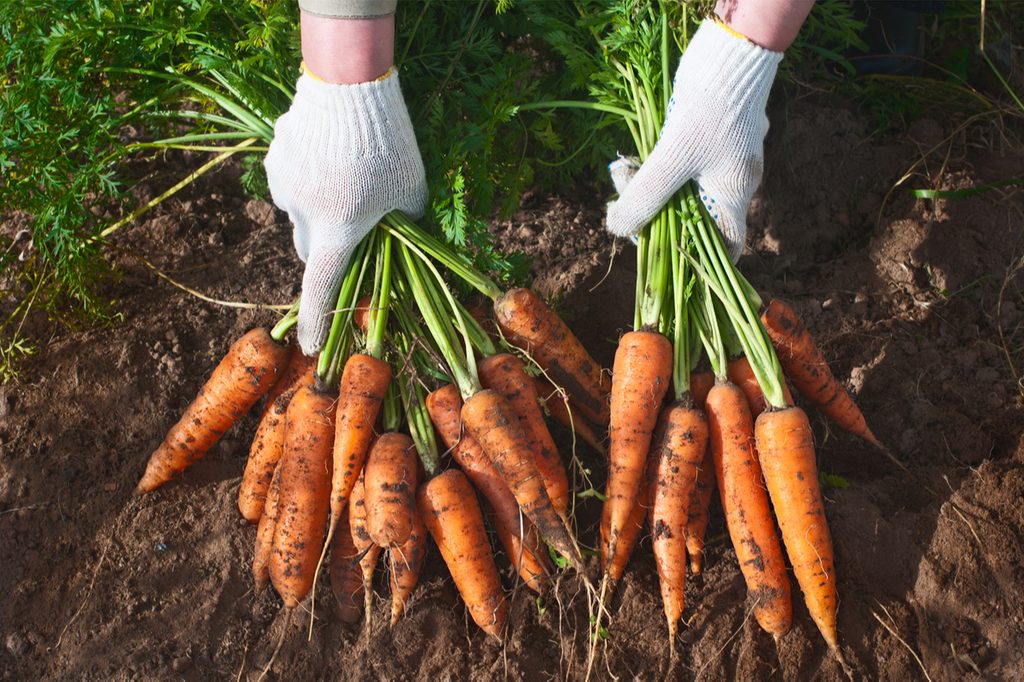
Tomatoes can benefit from how carrots naturally aerate soil. On the other hand, carrots also appreciate the shade tomatoes offer. If you’re growing these plants together, start tomatoes first, then grow carrots when you have tomato seedlings. As a reminder, fennel, which is related to carrots, is not a tomato-friendly plant because it can spread diseases and slow down tomato growth.
6. Garlic
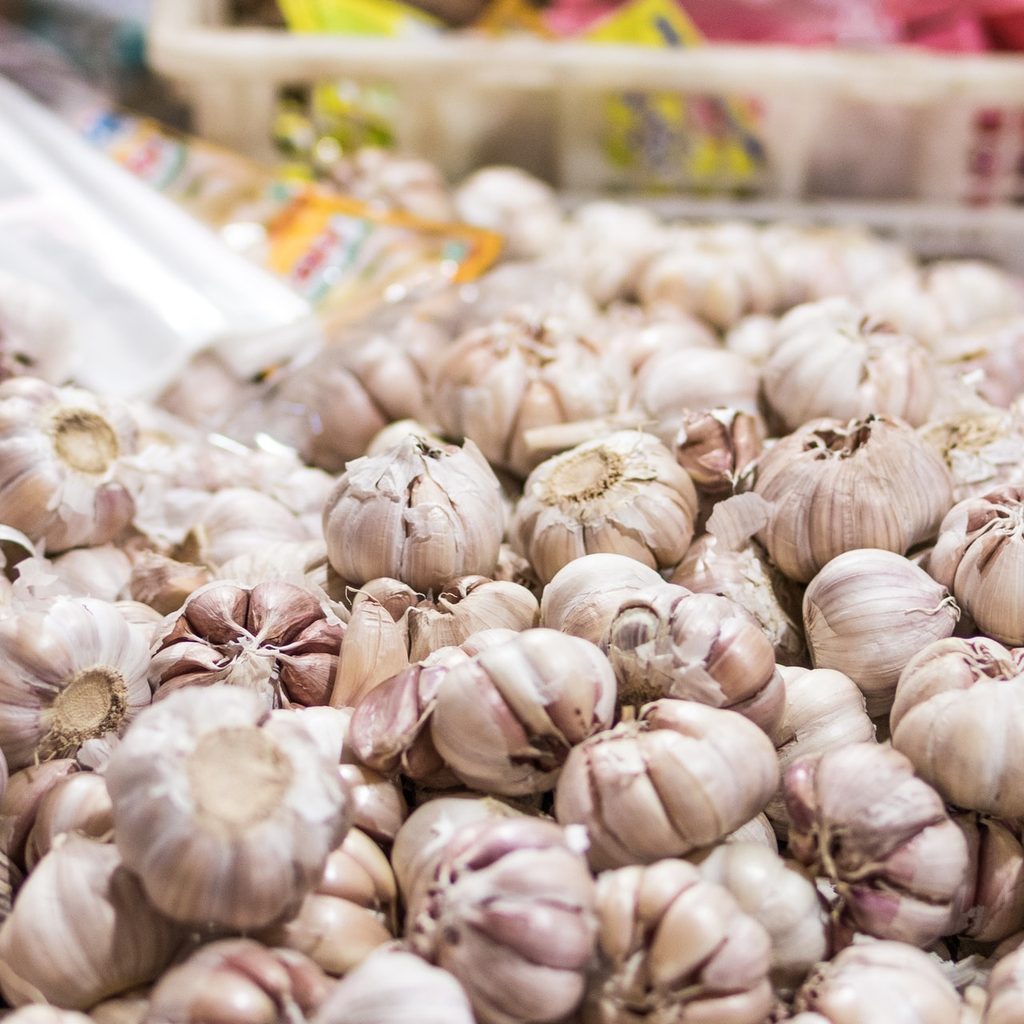
Plant your garlic in the fall to benefit your tomatoes around spring and summer. Garlic is not only a versatile kitchen staple, but it’s also a pretty handy plant in the garden. Garlic helps repel spider mites and can prevent nightshade diseases like blight. Its pungent odor also deters other garden pests that may nibble on your tomato vines and fruits. And clearly, tomatoes and garlic pair nicely in many dishes after they’re ready for harvest!
7. Lettuce
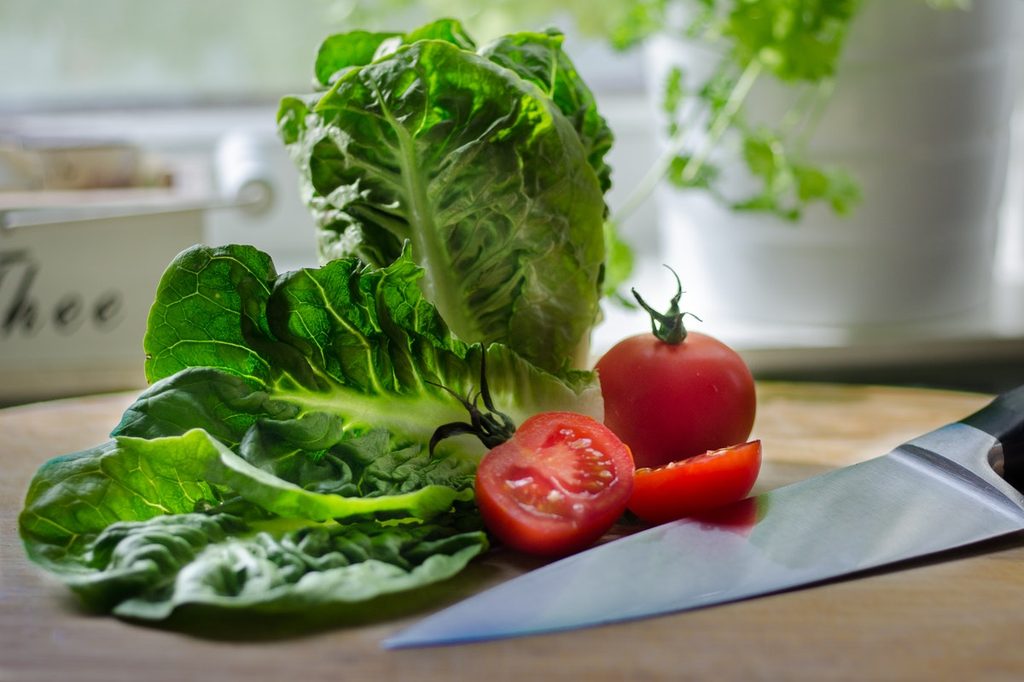
Tomatoes and lettuce are summer salad staples, and it turns out that they also do well in the garden together. Tall tomato plants offer lettuce shade, while lettuce leaves can act as a ground cover to provide tomatoes with moisture-retaining mulch.
8. Mint
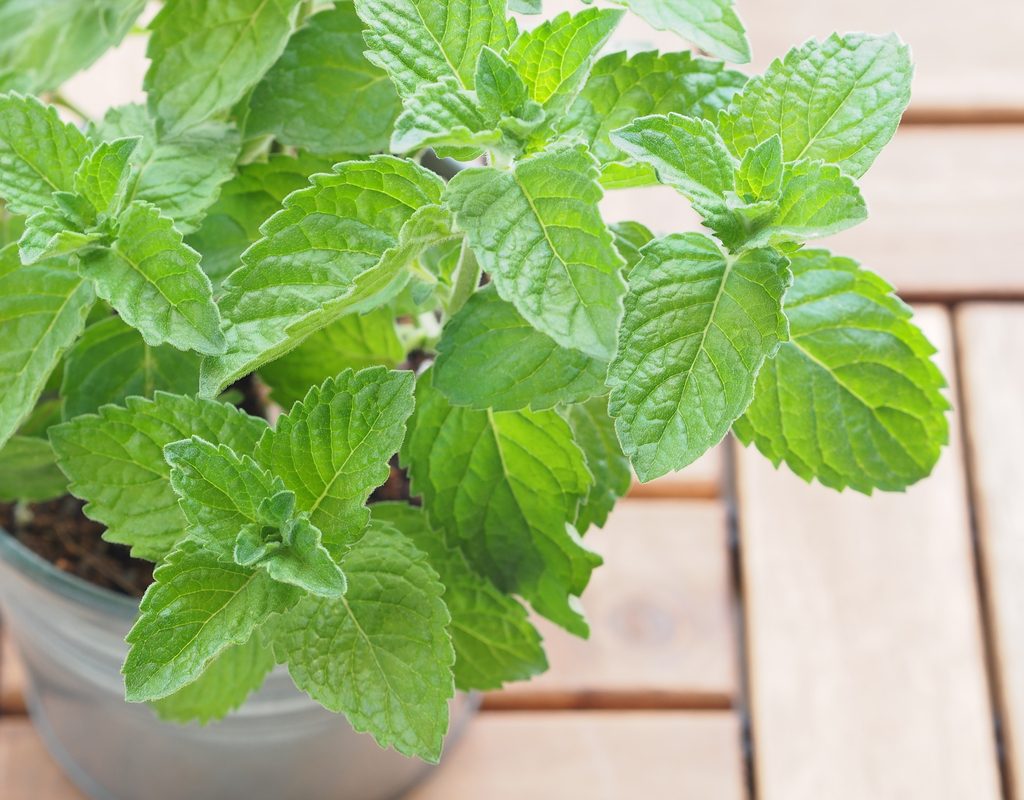
Other than being a great garnish and tea base, mint is also one of the best companion plants for tomatoes. (And why not top your favorite tomato bisque with mint?) Because of its strong fragrance, it helps keep out pests such as ants, mosquitoes, and fleas. Mint does grow prolifically, so you might want to prune it back or keep it in its own pot.
9. Lavender
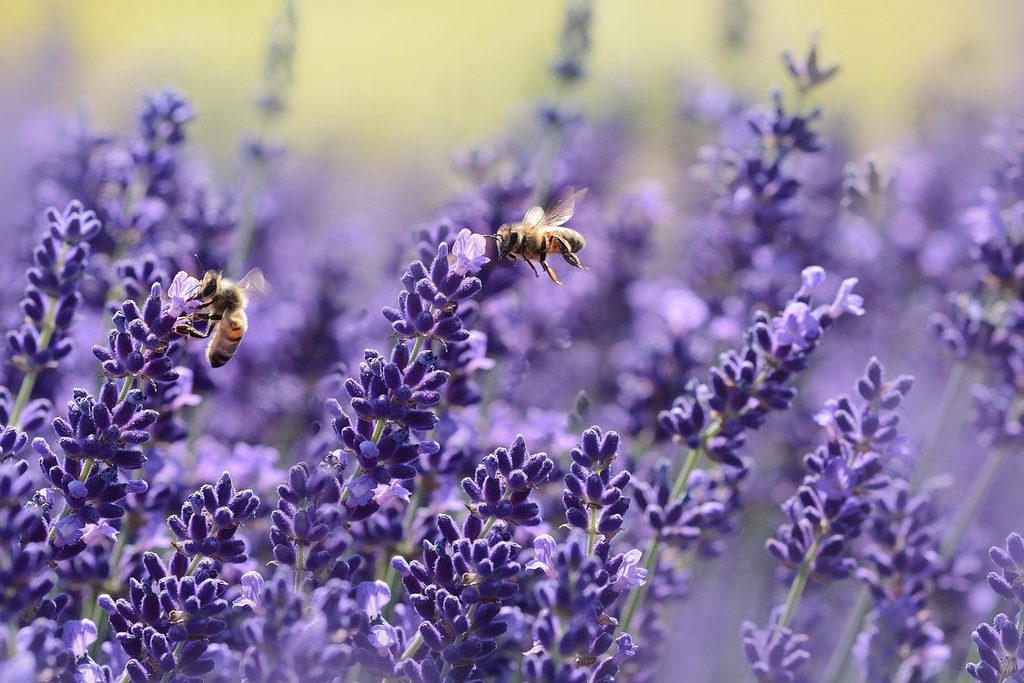
If you’re looking for another edible bloom, try lavender plants, which, like tomatoes, appreciate full sun and warm temperatures. A lovely addition to treats and beverages, lavender flowers also happen to be excellent companions for tomatoes. With their delicate purple blooms, they bring in bees that help tomato plants produce fruit. Plus, their strong fragrance, while appealing to humans, repels pests such as whiteflies and spider mites. It’s best to grow lavender in its own separate container, though. This is because lavender tends to prefer drought to the moist soil that tomatoes need. You could also keep a potted tomato plant by a lavender bush.
What should you not plant next to tomatoes?
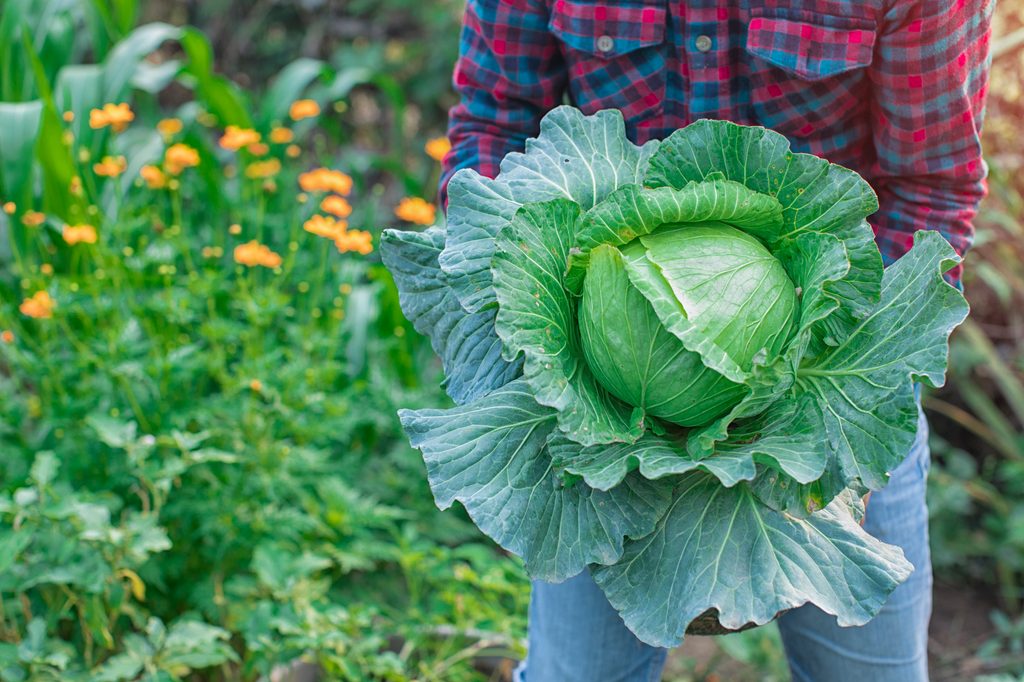
The list of plants that go well with tomatoes seems to go on and on, but there are some plants that you shouldn’t keep next to your tomato crops because they can spread disease or stunt growth. You should keep the following as far as possible from your tomatoes.
- Other nightshades (eggplant, potatoes, and peppers): Tomatoes are nightshades, and other nightshades don’t make for the best neighbors with them. Nightshades tend to attract the same diseases (such as blight).
- Brassicas: Members of the cabbage family (think cabbage, cauliflower, broccoli, and kale) can stunt tomato growth as they compete for space and nutrients.
- Walnuts: Walnut trees produce juglone, a chemical that can stunt tomato growth. Avoid leaving tomato plants underneath walnut trees.
Tomatoes are summer staples that are easy to grow alongside many plants. You can keep your tomatoes next to complementing veggies, such as garlic, lettuce, and basil, as well as flowers, such as marigolds. With these companion plants in mind, enjoy a harvest of fresh, plump tomatoes in your warm-weather recipes.