  1. Home
  2. Gardening
  3. Evergreens

This is when you should start seeds indoors

Everything you need to know about timing your seed-growing journey

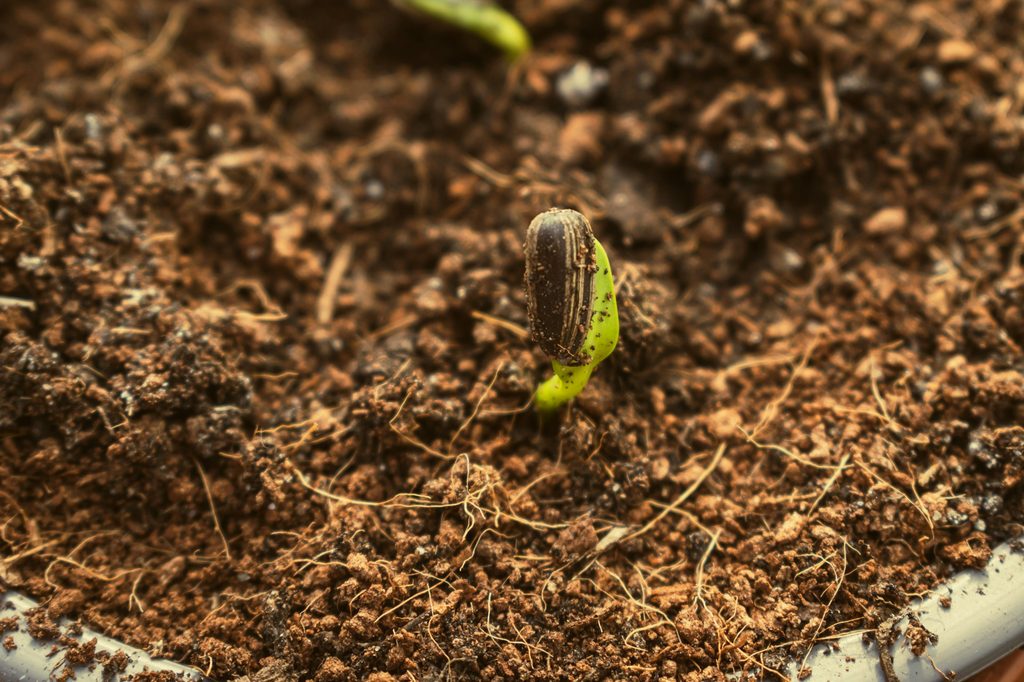
Seedling growing from soil
Nikolett Emmert / Unsplash

For gardeners, late winter can be an exciting time of year. When the weather gradually warms up, that means that you can finally start your seeds indoors. Even if the temperatures aren’t quite warm enough outside, you can grow seedlings to transplant into your bountiful garden for spring. But if you’re wondering when to start your seeds indoors, you’re definitely not alone. To give your seedlings the best chances of survival, here’s what you need to know about timing your seed starting. 
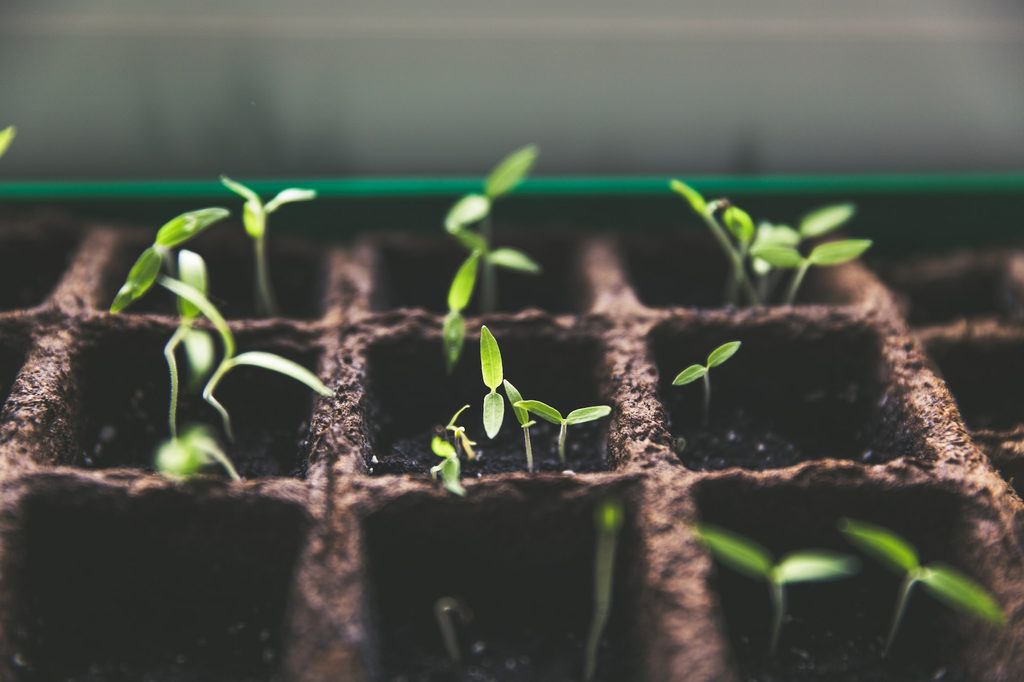
Seedlings in plant tray
Markus Spiske / Unsplash

Why you should wait to start your seeds

In the winter, cold soil temperatures make it difficult for plants to get the water and nutrients that they need in order to grow healthy and strong. Even if your plants do grow, they can be prone to disease and cold damage. Unless you’re using a greenhouse or live in a warm climate, it’s probably best to delay growing anything outside until after the last frost. You especially want to delay growing your annuals too early, as they’re not suited to grow out in your climate zone all times of year. 

Recommended Videos

Starting your seeds indoors gives you a bit of time to get them ready before the last frost. This approach allows you to control germination aspects such as light and temperature. You can take advantage of your warm indoor conditions and transplant your seedlings outside when outdoor temperatures are suitable for planting. Just keep in mind that not all seeds can be started indoors. 

Some plants, such as carrots, do not handle transplant shock well, so you need to start them outside. The timing for when you should do so varies from plant to plant, but seeds for cold-season veggies, like carrots, should be sowed a few weeks before the last frost. When in doubt, look up your plant’s seed-starting requirements to ensure healthy plant growth. 
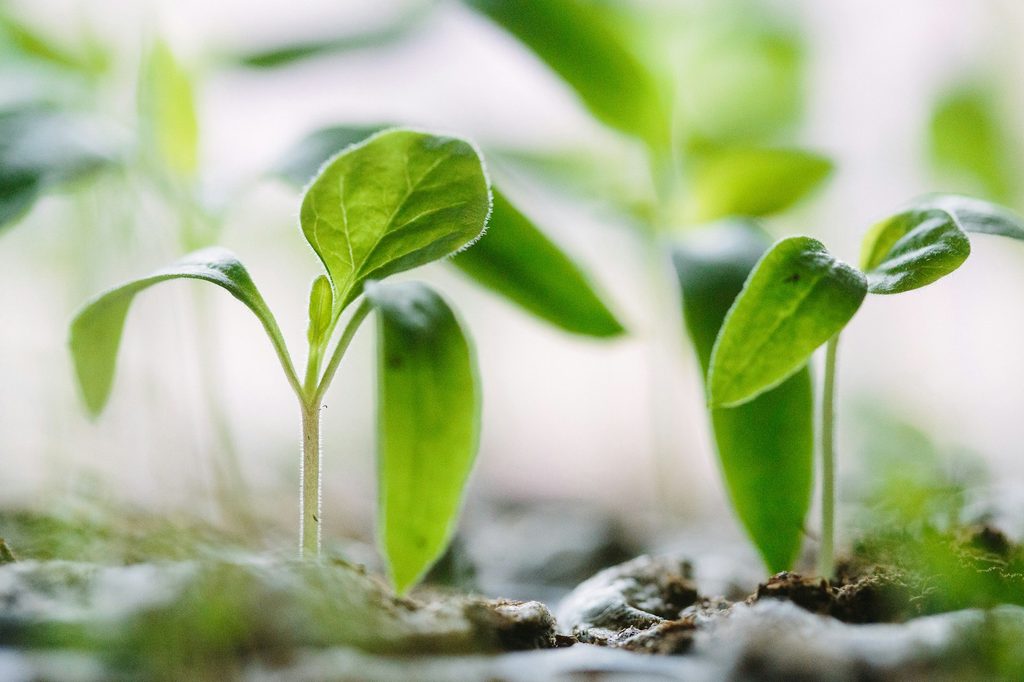
Growing seedling
Francesco Gallarotti / Unsplash

The best time to start seeds indoors

Read your seed packet carefully to figure out the best approach for growing your plant. Typically, seed packets will suggest starting your plant indoors four to six weeks before the last frost. There are plenty of websites online that allow you to look up your last frost date, including Old Farmer’s Almanac. You simply input your zip code to figure out your prospective last frost date. 

After starting your seeds indoors, be sure to give your growing seedlings plenty of warmth and bright indirect sunlight. Keep your seed-starting mix moist but never soggy. In some cases, it may be helpful to create a humidity dome around your seed starter tray. Some plants, such as tomatoes and peppers, also appreciate a warm heat mat.

Remember that it’s a safer rule of thumb to start your plants a little late in warm temperatures than too early in frost-impacted soil. Sowing your seeds for spring can be exciting, but you want to get your timing just right. Starting them indoors can help you control a wide range of factors, namely light and temperature, so that you can enjoy a lush harvest with as few bumps in the road as possible. 
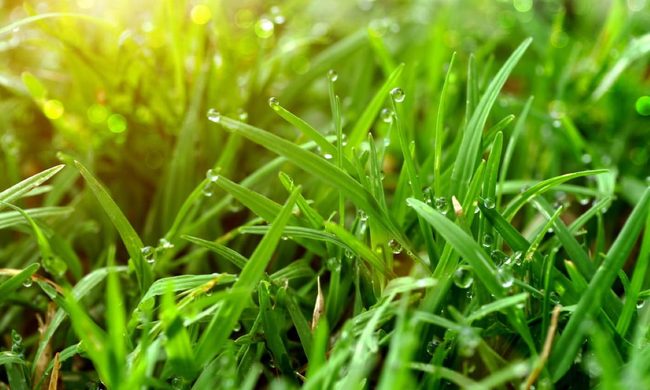
Keep Bermuda grass at bay with these lawn care strategies
Tips on keeping unwanted Bermuda grass under control
Manicured Bermuda lawn

Bermuda grass, also known as Cynodon dactylon, is a common type of lawn grass. Its toughness, adaptability, and creeping growth habit attract either appreciation or disdain from the homeowners, gardeners, landscapers, and others who plant it or are invaded by it. While it's hardy nature makes it a resilient lawn grass, its habit of spreading can make it a serious nuisance. Even worse, once it's spread into an area it's incredibly difficult to get rid of. If Bermuda grass is spreading into your lawn from the surrounding area or you've just moved into a new home with a Bermuda grass lawn you'd like to replace, then here are our tips for controlling it.

Read more
Sustainable gardening: Tips for a greener, eco-friendly garden
Make your garden more sustainable with these tips
Cupped hands holding soil and little seedling

Gardening can be a rewarding, fun, and useful hobby, but it can also be challenging at times. If you’re struggling to keep your garden healthy and happy, then it might be time to consider switching to a more sustainable gardening method. Sustainable gardening can make your garden easier to care for, and it’s better for the environment. If you’re wondering about what exactly sustainable gardening is and how it works, then this is the guide for you! We’ll explain what it is and help you get started with some tips and tricks.
What is sustainable gardening?

Sustainable gardening doesn’t have a single concise definition, and it can take many different forms. Unfortunately, that sometimes leaves gardeners (especially beginners) a bit confused. To break it down, sustainable gardening methods focus on the environment, including being mindful of what chemicals or invasive species are being introduced to the ecosystem and trying to mimic the natural conditions of the environment in your garden.

Read more
How to get rid of gnats without harming your plants
Follow these tips and get rid of gnats now
Potted herbs on a windowsill

In most cases, gnats are little more than a nuisance. For gardeners, though, a gnat infestation can spell devastation. While adult gnats don’t damage plants, the larvae will eat roots and leaves. In large numbers, they can cause serious damage. There are many pesticides on the market, but some plants are sensitive to the chemicals in them. Luckily, there are other options for controlling a gnat infestation, so you can save your plants without scorching their leaves. This guide on how to get rid of gnats in plants will explain everything you need to know.

Read more