
At the cusp of wintertime, ‘tis the season to be jolly, but is it the season to plant new trees? It depends. If you live in an area where the temperatures don’t drop below 0 degrees Fahrenheit, you actually have a pretty decent chance of planting a new tree without hurting it. The dormant season can, indeed, be the ideal time to start growing trees. If you’re wondering when to plant a new tree, read ahead.

How to evaluate conditions for planting a tree during the dormant season
Basically, the dormant season falls during wintertime. After the leaves fall and before buds bloom, plants go to sleep and stop pushing out new growth for a few months. Most plants don’t appreciate being moved around too much this time of year, as their root systems can get jostled around and they can suffer from shock. However, the dormant season can be the best time to plant trees.
During this period, trees are asleep and their metabolism slows down. The cool temperatures and rain around late fall can make it ideal for trees to settle down their roots while helping them harden off. Plus, trees don’t have to compete with weeds and other plants when the temperatures drop. As nature takes its course in the winter, that also means less maintenance on your end.
But of course, no plant, not even a tree, really wants to deal with a heavy freeze. It's a good idea to check up on the conditions before you plant a new tree. Just make sure that you plant your tree before the ground becomes frozen solid — it’ll be easier on you when you’re digging a hole and your sapling when it’s growing roots. Roughly speaking, climate zones 6 and above will have better luck settling down trees in early winter.
Step 1: Evaluate the ground for any frozen soil. Some snow is OK, but frozen solid ground will make it hard for your sapling to root.
Step 2: Check on the temperature for the next month or two. You don’t want the temperature to dip below 0 degrees Fahrenheit the six weeks after you plant your tree.
Step 3: Put off planting trees until late winter or early spring if it's too cold or will be too cold soon.
How to plant a tree during the dormant season
Step 1: Understand what your tree needs, namely its soil pH and fertilizing requirements.
Step 2: Find an area in your yard that gets sufficient lighting.
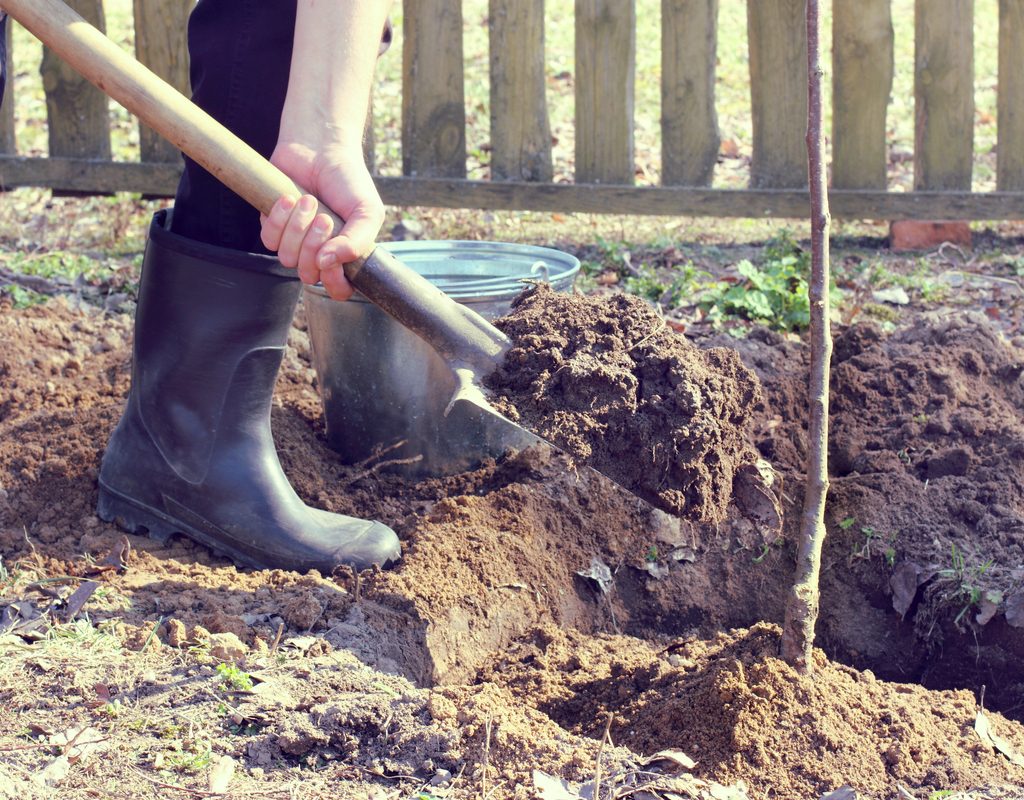
Step 3: Measure the width of your sapling's root ball, then use a shovel to dig a hole that is two to three times as wide and about an inch less deep.
Step 4: Mix in manure, compost, or a balanced fertilizer into the soil. The first two are better to use during winter, as over-fertilizing can harm plants during dormancy.
Step 5: Water the root ball deeply.
Step 6: When situating your tree, make sure that the trunk flare is on top of the soil and not placed too deeply into it.

How to maintain a tree during the dormant season
After you plant your tree down for the dormant season, it’s a one-and-done deal. You won’t need to touch it too much during the winter since it’s essentially in a state of hibernation. Avoid pruning your trees this time of year since that can add undue stress to them. That said, it’s still a good idea to keep an eye on it.
Step 1: Occasionally apply mulch at the base of your tree to keep it warm against the cold and to help it retain moisture.
Step 2: If your region has a bit of a dry spell, give your plant a good drink when the soil feels dry. Use a moisture meter to gauge when to water again.

Relevant troubleshooting tips
When you plant a tree in the winter, there are a few issues you might run into. Here's what they are and how you can address them.
Step 1: Wind: With windy conditions, support your trees with stakes.
Step 2: Drought: Apply a wilt preventative spray to evergreens impacted by dry wind, which can cause needles to drop. Don’t worry too much about snow — it can actually insulate branches from subzero temperatures.
Step 3: Frost heaving: Frost that freezes and expands can take a toll on roots and heave your tree out of the ground. To keep your tree secure, add a 4- to 6-inch layer of mulch.
With the right late fall to early winter conditions, you can pick out a tree and plant it in your yard sooner than you think. Generally speaking, you’re in luck if you don’t have to work with frozen ground. With minimal maintenance and a good layer of mulch, you can sit back, relax, and wait for beautiful growing season foliage and blooms!