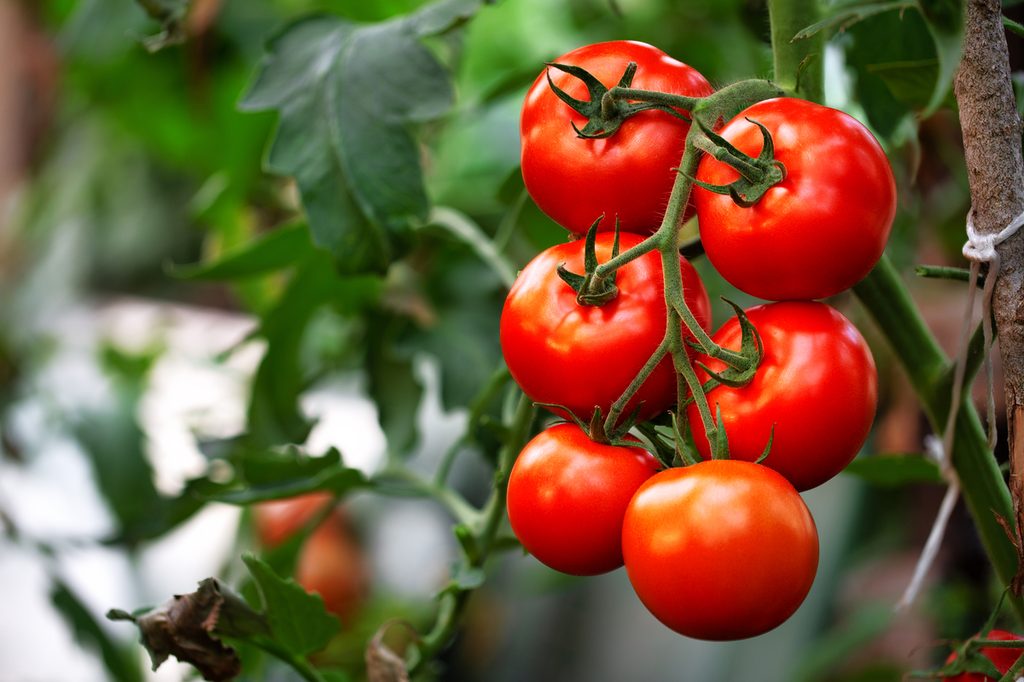
Freshly harvested tomatoes from your garden are delicious, whether you prefer them sliced on sandwiches, diced in salads, or pureed into sauces. Growing your own tomatoes is a great way to get hearty, organic tomatoes, but what should you do if your plant starts to look sickly? If you’re asking yourself, “Why are my tomato leaves turning yellow?” then this is the guide for you! We’ll walk you through the steps of troubleshooting and correcting the problems that lead to yellow tomato leaves.
Should you remove yellow leaves?

When you first find yellow leaves on your tomato plant, you might be hesitant to remove them out of fear that doing so will cause more harm. However, in most cases, removing yellow leaves from tomato plants is OK. If left alone, they will typically fall off on their own. If you remove them, do so carefully to avoid damaging the stem.
You may want to wait until you’ve determined what is making your tomato plant look sickly. The yellow leaves can provide visual clues, and in some cases, more of the plant may need to be removed, so waiting to remove the leaves can save you some time.
Nutrient deficiencies
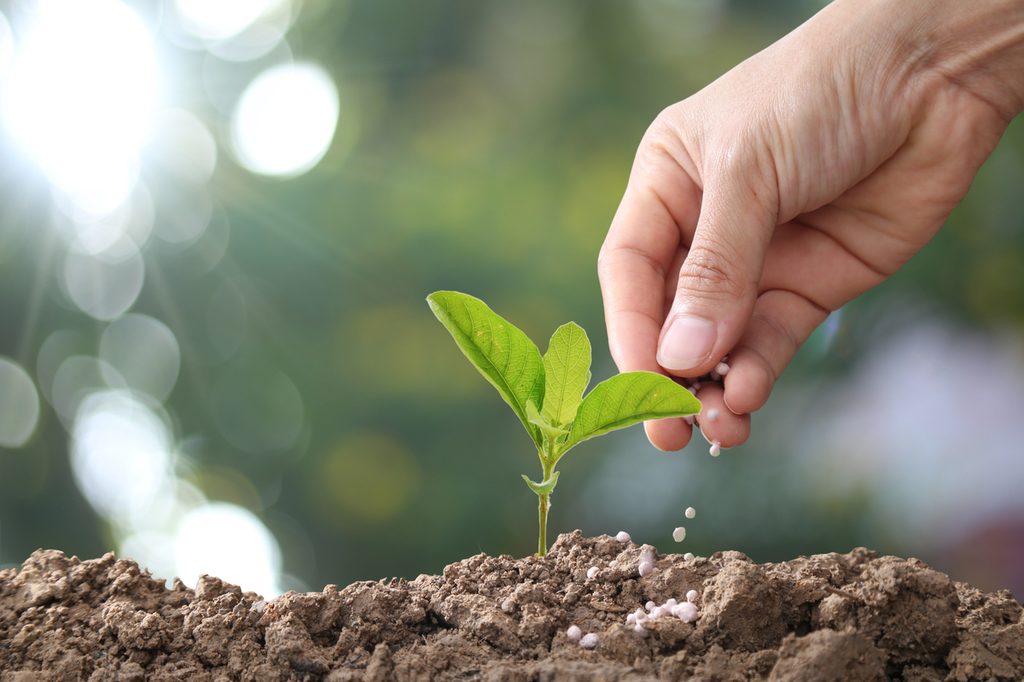
If the soil around your tomato plant can’t provide it with all the nutrients it needs, then some of its leaves may turn yellow. This is most common if your tomato plants are growing in a container, in naturally poor soil, in soil that has been planted in before, or too close to heavy feeder plants.
You can get a soil test kit to check the levels of all nutrients, but the easier way to troubleshoot this is to check your fertilization schedule. How often are you fertilizing your tomatoes? You should feed your tomatoes every few weeks to once a month during the growing season.
Water
Overwatering and underwatering can both cause yellowing leaves. The best way to troubleshoot this is to check your watering schedule. Tomatoes need an inch or two each week. This equates to a deep watering once a week in mild weather and watering every few days during hot weather.
You can also check the leaf’s texture to help determine if the problem is overwatering or underwatering. Overwatered plants tend to have limp, soft, or even squishy leaves, while underwatered plants may have dry, crispy, or leathery leaves. This is not a perfect way to determine your plant’s problem, but it can be helpful.
Sunlight

Both too much and too little sun can cause your tomato plant’s leaves to turn yellow. Luckily, this cause is easy to troubleshoot. Simply look at where the yellow leaves are on your tomato plant and how much sunlight they receive. If the yellow leaves are in full sun during the hottest part of the day, it’s likely sun scorch.
If the yellow leaves spend most of the day in the shade, they’re not getting enough sun. Sun-scorched leaves will sometimes have brown edges, and you may see only part of the leaf turning yellow if the rest of the leaf is protected. Once you’ve determined if the issue is too much or too little sun, adjust your tomato plant’s position to accommodate it.
Shock or stress
If you’ve recently transplanted your tomato plant, you may see a few yellow leaves. This is particularly common if the plant is being transplanted from an environment that is significantly different. Transplant shock and stress can weaken your plant, but this is usually temporary.
Once your tomato plant adjusts to its new home, it should perk right back up. You can mitigate some of the stress of transplanting your tomato plant by hardening off your seedlings before moving them into your garden. This process lets your plant adjust to the outdoors more gradually by setting them outside for increasingly long periods of time.
Diseases
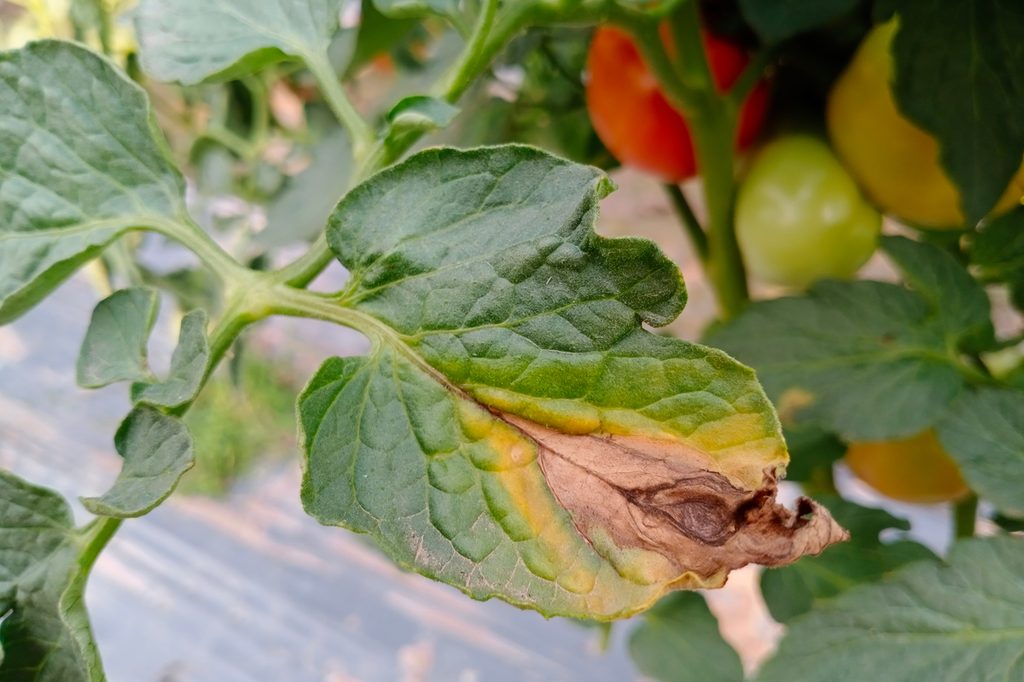
Certain tomato plant diseases can also cause yellow leaves. In particular, watch out for blight and fusarium wilt. Blight is a fungal infection that causes brown and yellow lesions on fruit and leaves, followed by rotting. Growing blight-resistant tomato varieties, increasing airflow, and avoiding getting the foliage and fruits wet when watering your tomato plant can help prevent blight. If you notice signs of blight, it’s important to remove any infected leaves and stems and dispose of them. Don’t compost them or leave them in the garden, as this can spread the blight.
Fusarium wilt is another fungal infection. The earliest signs are stunted or misshapen growth, alongside the bottom leaves of the plant turning yellow. From there, the entire plant begins to turn yellow and brown and wilt. If your tomato plant has fusarium wilt, it needs to be removed entirely to prevent the infection from spreading. The fungus lives in the soil, so susceptible plants cannot be planted in the same soil for several years.
There are many reasons your tomato plant leaves may be turning yellow, and while some are easy to fix, others are not. Hopefully, now that you’re more prepared, you can identify problems as they pop up and before they become major issues. Then, you can get back to the best part of gardening — enjoying your delicious harvest!