
If you have cats, then you’re already well aware that they sometimes like to chew on plants they shouldn’t, and keeping cats away from your plants can be tricky at best. Some plants are harmless to your cats, while others can have disastrous consequences. Orchids are beautiful, elegant, and popular indoor plants, but are orchids poisonous to cats? We have the answers for you so you can keep both your feline friend and your pretty plant safe from each other.
Are orchids poisonous to cats?
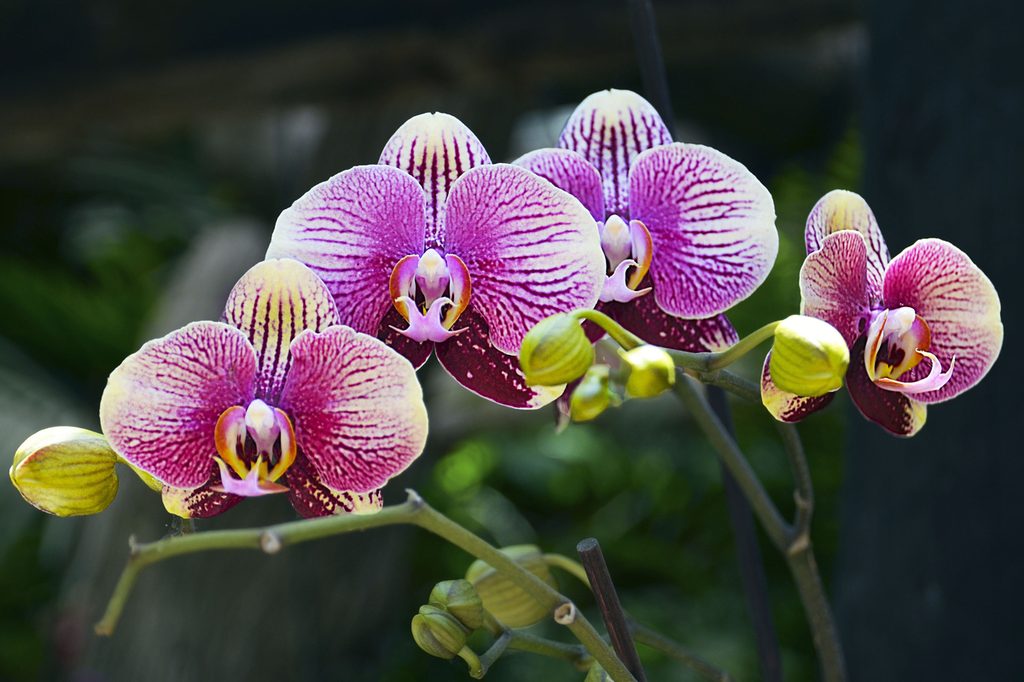
Good news — orchids are generally not considered poisonous to cats! While it isn’t great for your orchid’s health to let your cat chew on it, your cat is at low risk. There are a few notable exceptions, however. If your orchid has been treated with any sort of pesticide or has recently been given a fertilizer that might be lingering on the soil’s surface, then your cat could become sick after coming into contact with or ingesting it. It’s a good idea to be cautious when using any chemical sprays or products on your houseplants, since pets and children have a higher likelihood of coming into contact with them.
The other notable exception is the Lady Slipper orchid, or orchids in the Cypripedium genus. These orchids have a skin-irritating property, which means they can potentially irritate your cat as well.
What happens when a cat eats an orchid?
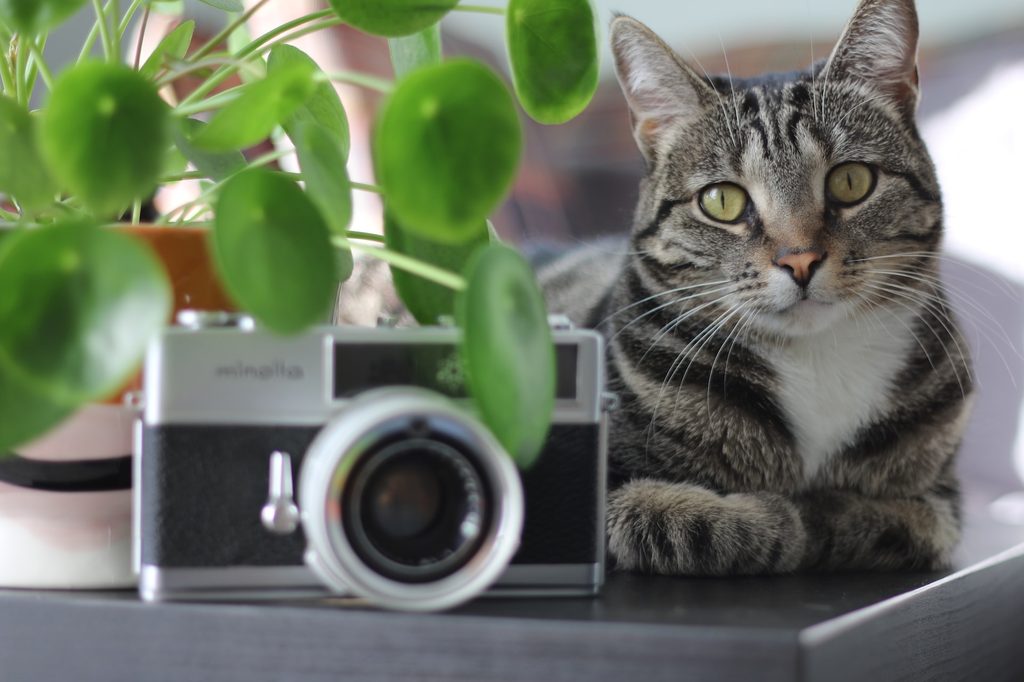
What happens when a cat eats an orchid depends on how much they ate. If your kitty only nibbled at the edge of a leaf, your pet should be fine. Watch your cat for signs of distress, such as drooling, lethargy, coughing, or vomiting, and contact your vet if you notice anything out of the ordinary, but don’t panic.
If your cat has eaten more than a little nibble, they may get sick afterward. While orchids aren’t toxic, they aren’t exactly part of a balanced diet for cats, either. Your kitty may vomit or show signs of having a stomachache. Keep an eye out for additional signs of distress and let your vet know what’s going on if you have concerns. In most cases, however, the cat’s upset stomach will pass relatively quickly.
Are orchids safe for dogs?

While some plants may be toxic for one animal and not for another, this isn’t the case here. Orchids are safe for dogs and although, the same concerns exist for dogs in regard to eating plants that have been treated with pesticides. If your dog eats too much of the orchid, you may see similar signs of an upset stomach, including vomiting or diarrhea. These symptoms typically pass after some time, but your vet can help treat the symptoms if they are severe or causing a lot of discomfort.
How to keep pets away from your orchids

First, consider moving them into a room that can stay closed off when you aren’t in it, such as an office, bedroom, or bathroom. Hopefully, your pets can’t open doors, and if they can, then the sound of the door opening will warn you that they’re up to something!
If that isn’t an option, look for somewhere higher or more difficult to access to put your orchid. Unfortunately, this makes caring for the orchid more inconvenient, but it’s worth it to keep your pets healthy. If there isn’t anywhere else your orchid can be moved to, consider building a shield of sorts. A semicircular sheet of clear plastic that blocks the orchid from your pets, doesn’t obstruct the view of your orchid, and leaves room for some airflow might be the solution you need.
Orchids are gorgeous, and many gardeners love bringing them into their homes. If you have curious pets that love to chew on plants, bringing a new plant home can be nerve wracking, especially if you aren’t sure if the plant is safe for cats. Hopefully, this guide has helped soothe some of your fears. Now you know what to expect if your cat or dog takes a bite out of your beautiful orchid flower.


