Hanging plants that trail over pots and sway in the wind are fun and relaxing. If your hanging plants are outdoors, you can grow geraniums, lobelia, and even morning glories. However, not all outdoor hanging plants make good indoor hanging plants. Some plants struggle to thrive indoors, while others prefer it. If you’re looking for an excellent indoor hanging plant to add to your home, office, or dorm room, then here are a few of our favorites!
Spider plant
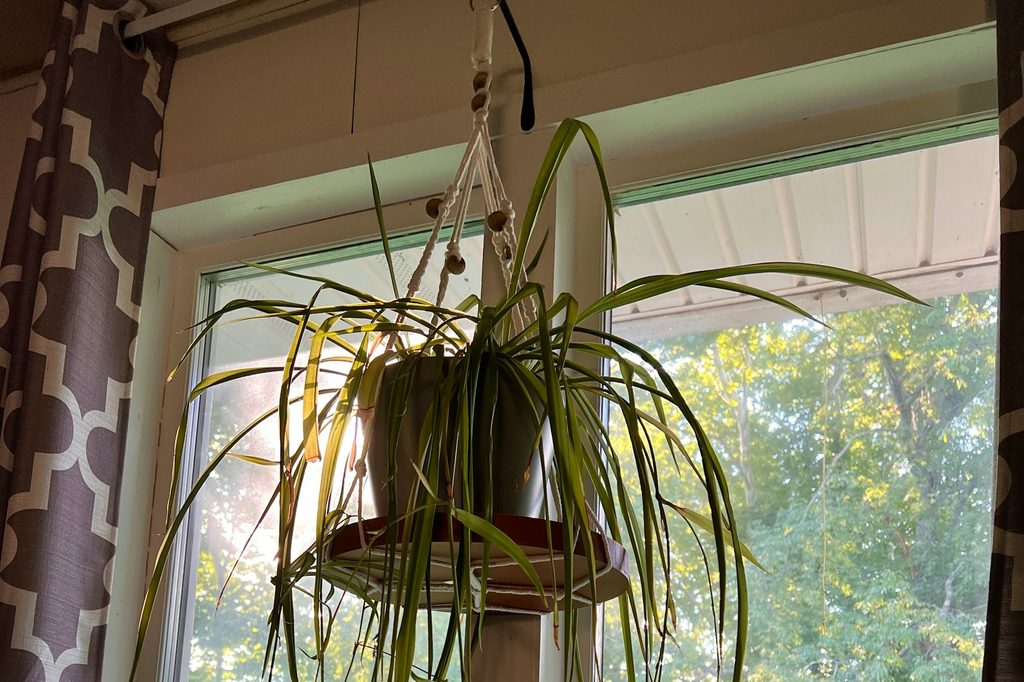
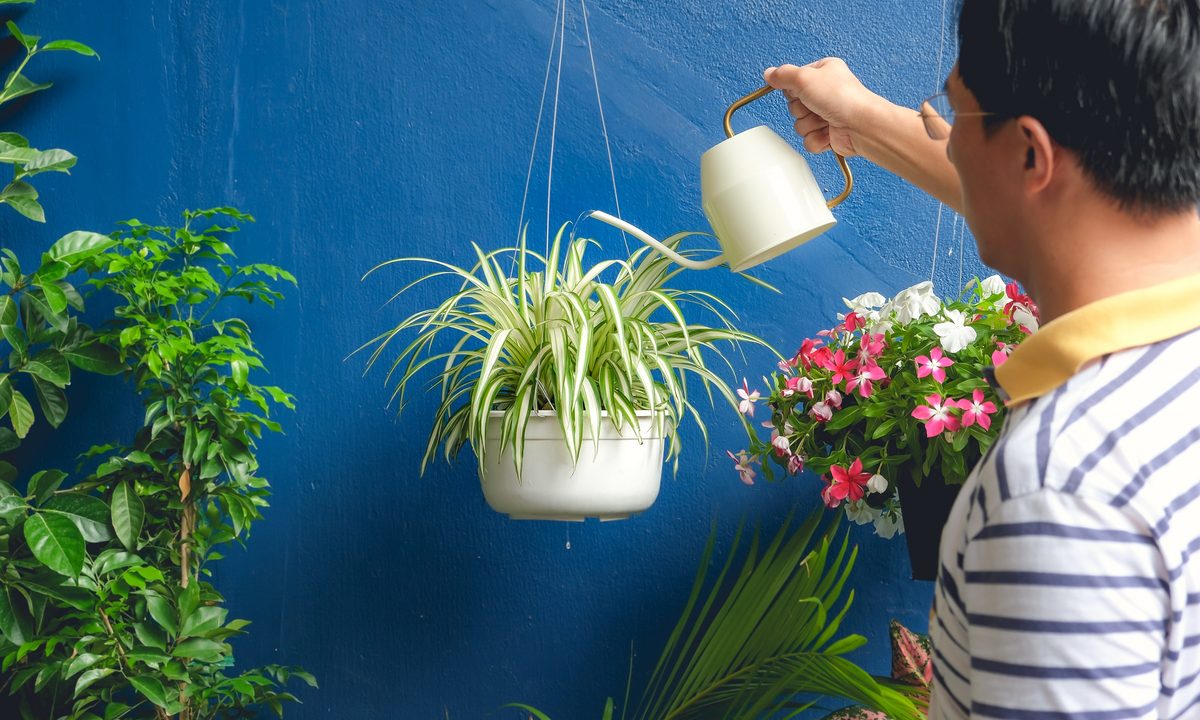
No list of the easiest or best indoor plants is complete without spider plants. While the smaller ones make cute desk plants, the larger ones are perfect for hanging baskets. Spider plants are hardy and easy to care for, tolerant of most conditions, and look very lovely with their long leaves and tiny flowers draped over the side of a hanging basket. For the best results, place your spider plant in bright, indirect sun or light shade, and water it whenever the soil dries out. Don’t panic if you forget to water it for a while, as spider plants can bounce back from neglect.
Philodendron
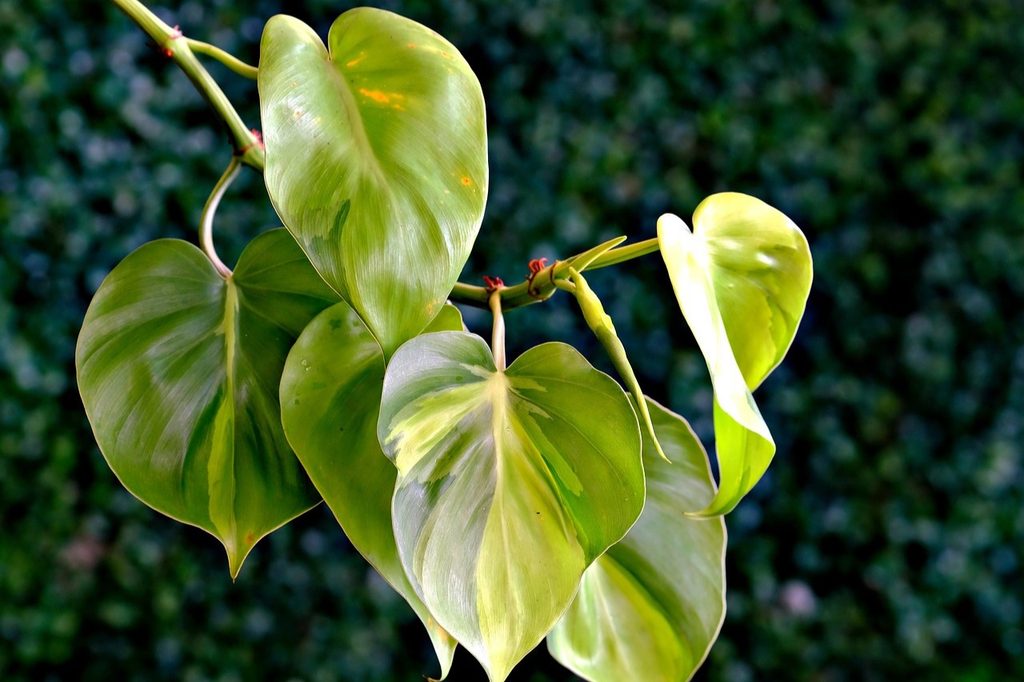
Philodendron is another classic indoor hanging plant, and no list of the best ones would be complete without it. With so many different gorgeous varieties to choose from, philodendrons are a great choice if you want a plant to match your decor or aesthetics. There are varieties with different leaf shapes and colors, ranging from classic dark green to bubblegum pink. For the best results, place your philodendron in bright, indirect light, and water it regularly. Philodendron plants also enjoy moderate to high humidity, and they make good bathroom or shower plants for that reason. The steam from a hot shower or bath is great for their leaves.
Burro’s tail
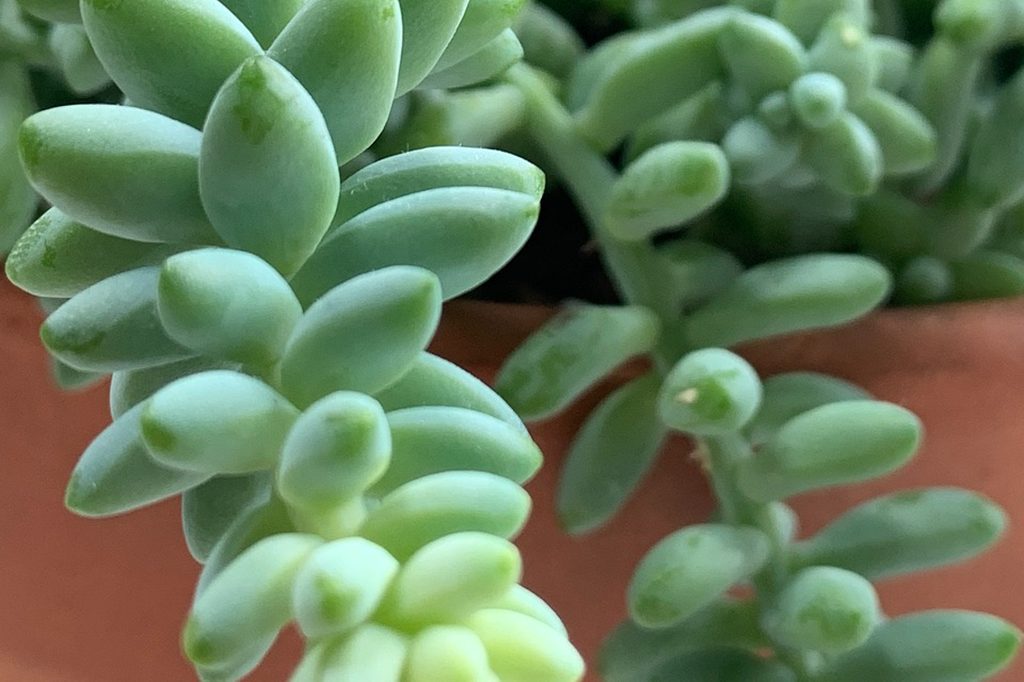
Burro’s tail is a flowering succulent in the sedum family, and its name comes from the distinct shape of its stems. The long stems studded with tiny, oval leaves give the burro’s tail a cute and fun appearance, and the pink or red flowers it blooms at the end make it even cuter. As a succulent, burro’s tail is easy to care for. Place it in bright light for the best results. While it can tolerate some shade, the leaves will be more spaced out and it will lose some of its charm. Water it when the soil is dry to keep the leaves from drooping.
Hoya
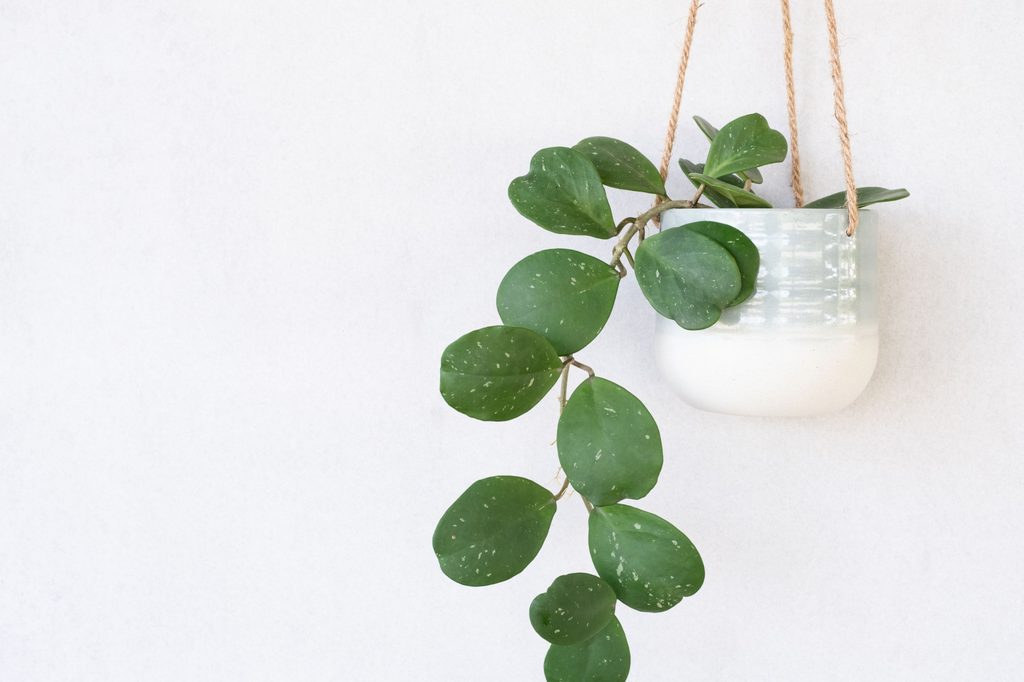
Hoya plants come in a wide range of shapes, and many of them are fun and unique. No matter your preferred aesthetics, hoya has something for everyone. There are the classic, oval-shaped leaves of hoya carnosa and hoya obovata, but also the bean-shaped leaves of hoya kentiana, the angular leaves of hoya retusa, the heart-shaped leaves of hoya kerrii, and the long, thin leaves of hoya linearis. Plus, their flowers are incredible to see. If you want something fun and funky, a hoya plant might just be the perfect choice. Place your hoya in bright, indirect light for the best results, and water it whenever the soil dries out.
String of pearls
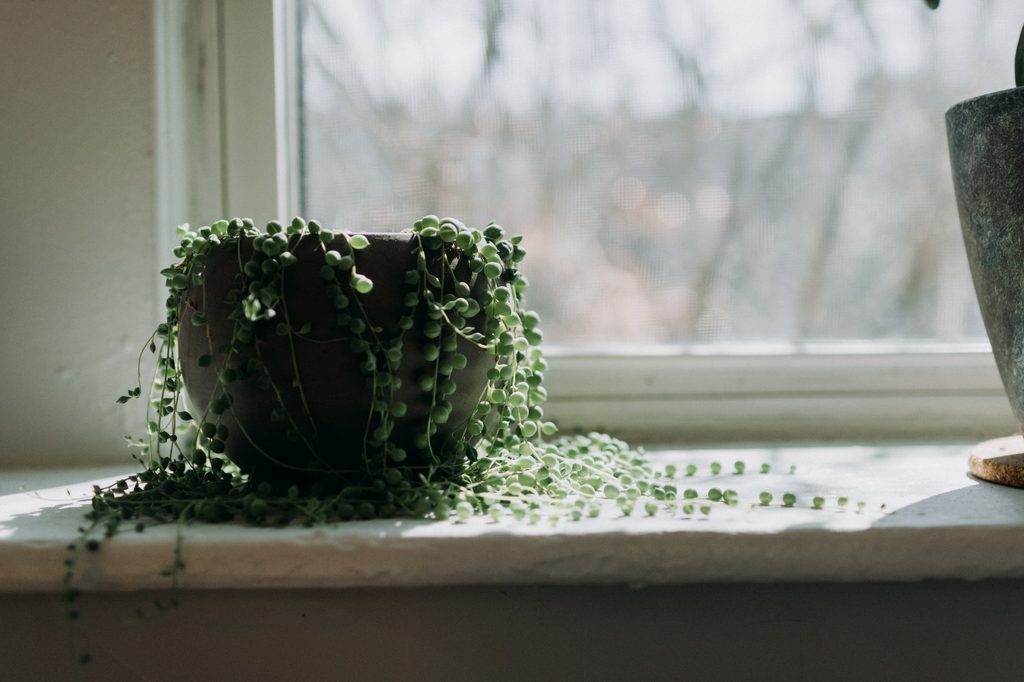
String of pearls is a popular succulent that’s known for its long, thin vines with small, round leaves. As an indoor hanging plant, these vines are charming and elegant, but if you have a cat, watch out! They are mildly toxic, and the dangling vines can look like a fun cat toy. For the best results, place your string of pearls in a sunny window that gets a mixture of direct and indirect sunlight, and water it when the soil dries out. With proper care, your string of pearls may even bloom! The flowers are tiny and white, growing in clusters with long stamens and anthers that stick out past the flowers. While not as flashy as some flowers, they’re still quite the sight.
Inch plant
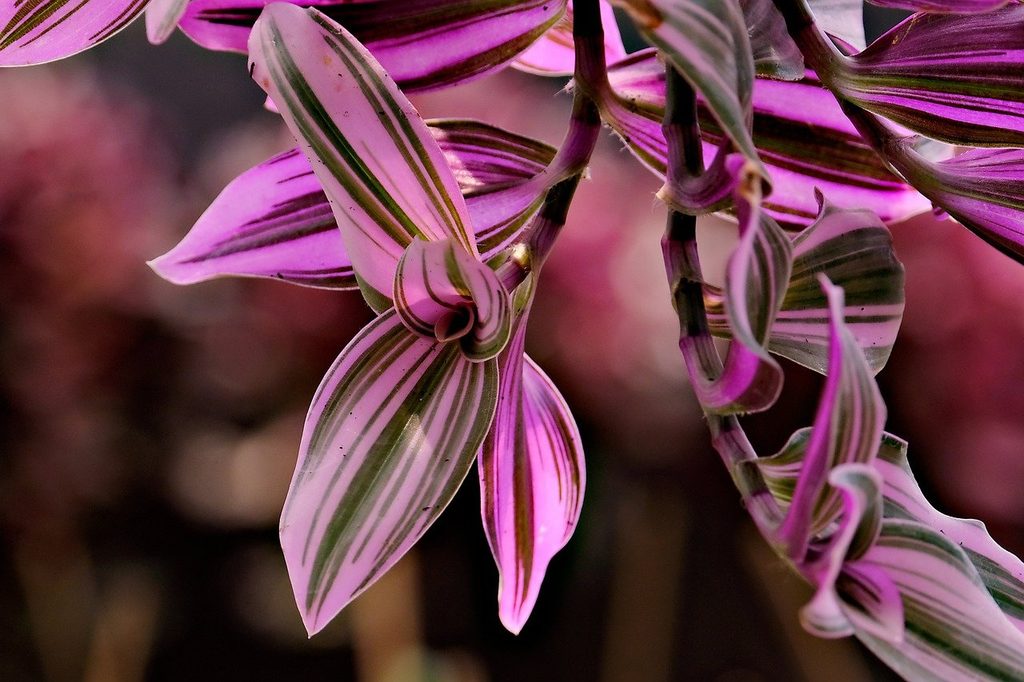
If you want something a little more colorful, then an inch plant is the indoor hanging plant for you. The leaves of the inch plant are variegated purple, striped with silvery purple, and darker purple. Varieties can range in shades of purple, with some being a brighter, violet purple, and others appearing a lighter, more silver or pastel purple. Either way, inch plants are cheerful and easy to grow. They can grow in either bright, indirect sun or light shade. They do best in soil that’s slightly moist, but not soaking wet. Let the soil dry slightly, but not entirely, between waterings to keep this balance.
These indoor hanging plants are some of the best and easiest plants to choose from. Whether you’re a total beginner or an expert, one of these plants is sure to appeal to you and fit your lifestyle and personal tastes. Whether you prefer the classic spider plant, cute burro’s tail, or elegant string of pearls, bringing a new indoor hanging plant home with you can be fun and exciting.