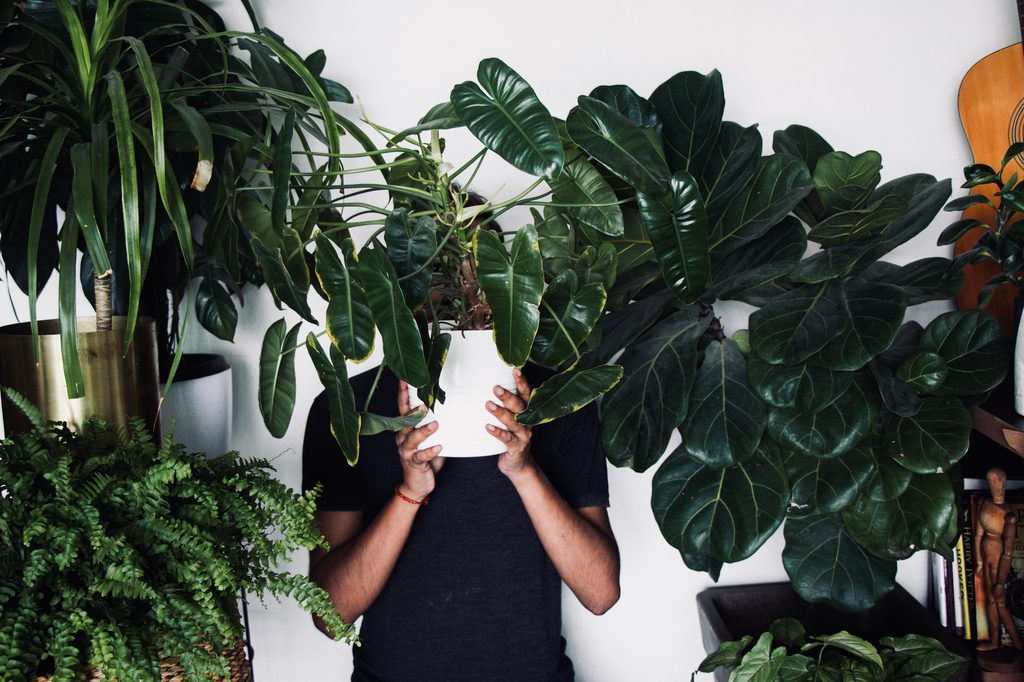
Many gardeners look for small houseplants and flowers to conserve space, but what if you have the opposite problem? Many homeowners can relate to the feeling of looking at a room and thinking it’s missing something. Sometimes, what it’s missing is a tall houseplant to fill space, to add visual interest, and even to add some relaxing vibes to the room.
If you need a tall houseplant to add a burst of greenery to your home, this guide is here to help. There are plenty of tall indoor plants to choose from, and here are our five favorites!
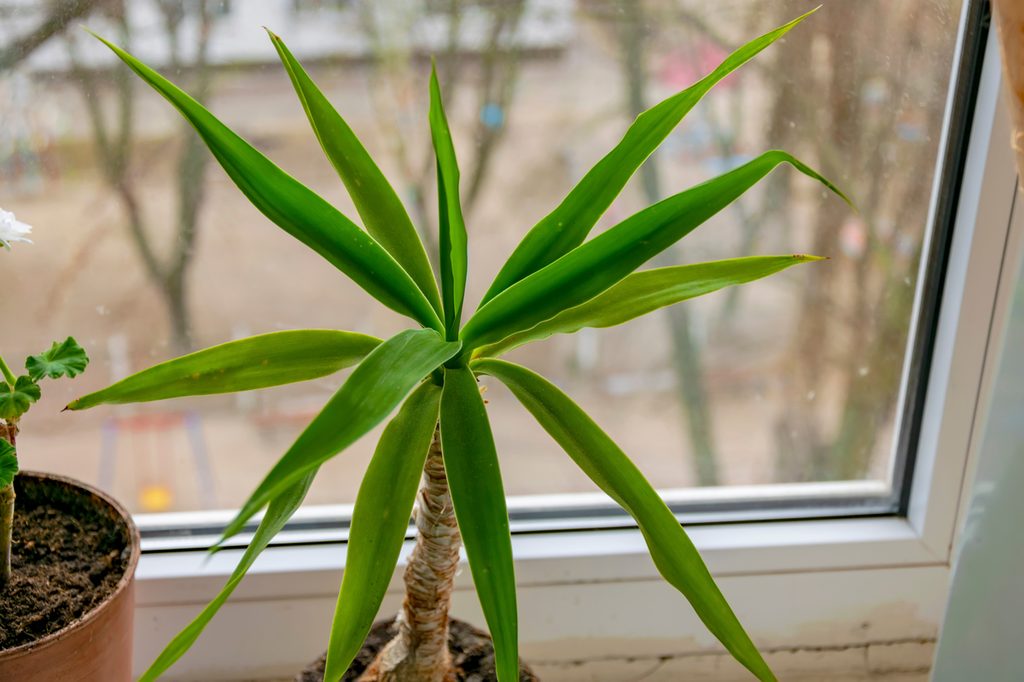
Dragon tree
There are two related plants that have the common name dragon tree, but the one you’ll want as a houseplant is Dracaena marginata. Dracaena draco, the other dragon tree, grows much taller and is better suited for an outdoor garden. Dracaena marginata is a small tree that can grow to roughly 6 feet tall indoors. It has tall, thin trunks that are topped with long, narrow leaves that have red edges.
Dragon trees need plenty of bright light, but they are otherwise easy to care for. Plant your dragon tree in a deep pot with well-draining soil and water it when the top few inches of soil are dry. While you can prune your dragon tree to keep it looking neat or to prevent it from growing too tall, it isn’t strictly necessary.
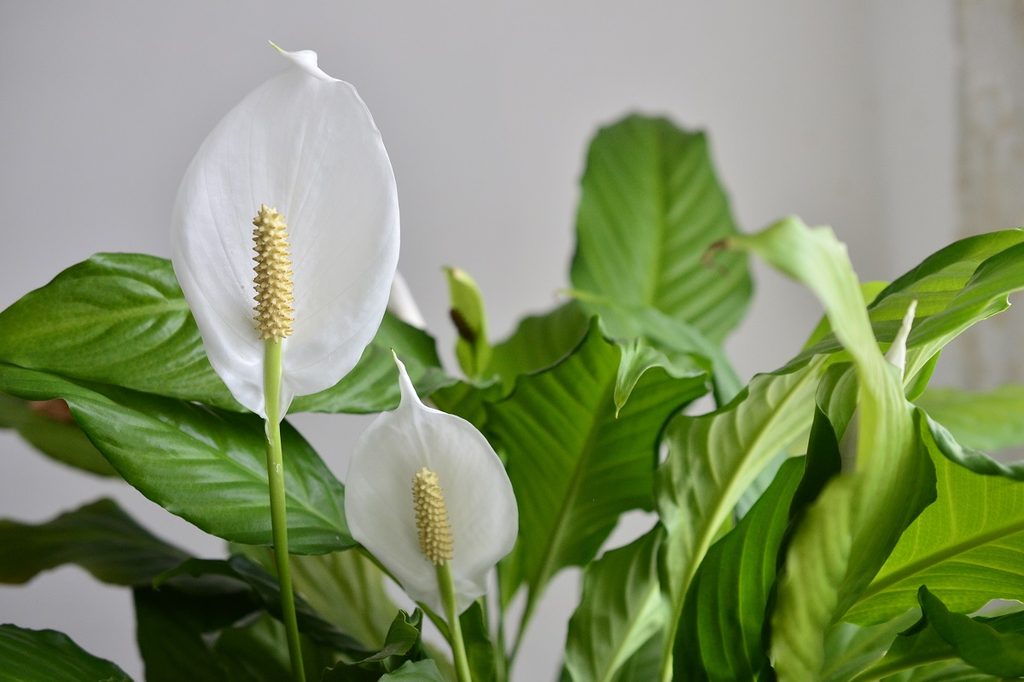
Peace lily
Peace lilies are popular houseplants because of their beauty and air-purifying properties. They are also fairly large, growing a couple of feet high, which earns them a place on our list of tall indoor plants. Peace lilies thrive in bright, indirect light, but they can also grow in lower light, so they’re perfect for bedrooms, offices, and even bathrooms.
They love high humidity and moist soils, but can withstand a little bit of drought. Although they enjoy moist soil, peace lilies can still develop root rot and other fungal infections if left in standing water, so make sure to plant them in well-draining soil. Peace lilies are also easy to divide. You can start with one peace lily plant, and over time, fill your house with them!
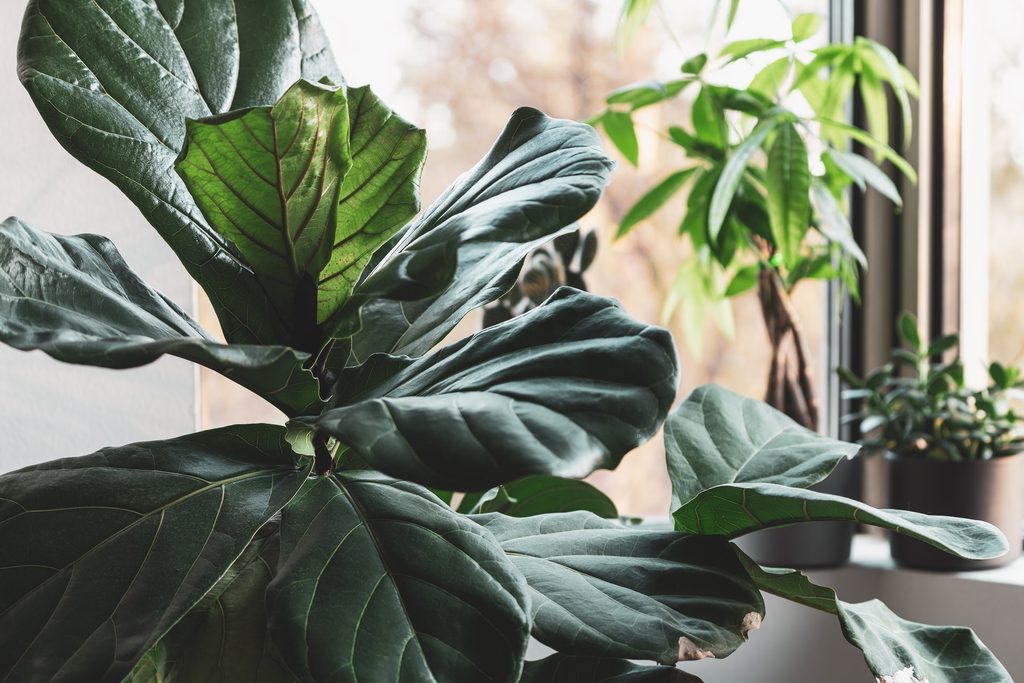
Ficus
Ficus trees come in a wide range of sizes and styles, and they even include fig trees. However, while you can grow a fig tree indoors, they often struggle to get enough sunlight. Instead, focus on the ficus trees that don’t produce edible fruit. Weeping figs, fiddle leaf figs, and rubber figs are all wonderful tall indoor plants.
They can grow to 10 or more feet tall, but you can control their height through regular pruning. Place your ficus near a window, where it will receive bright, indirect light for several hours a day. Ficuses are also water-loving plants that thrive with high humidity and regular waterings. If your bathroom gets plenty of natural light, your ficus will love the steam from your showers.

Snake plant
Snake plants have a reputation for being among the easiest houseplants to grow, and for good reason. These tall, unique-looking succulents are tolerant of most conditions, easy to propagate, and come in a range of sizes. Snake plants can be kept in almost any lighting condition, from mild direct light to shade. They prefer bright, indirect light, though, and will grow more quickly in that type of lighting.
Additionally, too much direct sunlight, especially during the hottest, brightest parts of the day, can burn the leaves. Like most succulents, snake plants can develop root rot if overwatered, but they are quick to bounce back when the issue is corrected. Let the soil dry out before watering your snake plant and it will be just fine.

Monstera
Monstera are popular for their large, unique leaves, which are a gorgeous dark green color and change shape as they grow. The leaves develop holes that spread, typically reaching the edge of the leaf and creating an interesting valley shape. These plants tower over other indoor plants, with some growing as tall as 15 feet. The leaves themselves are quite large as well, and the stems fan out into a wide spread, so they need plenty of space.
Monstera plants are also remarkably easy to care for. They thrive in indirect light or partial shade and need a warm, humid environment. Drainage is important for these tropical plants, so plant yours in a well-draining, bark-based potting soil and choose a container with plenty of drainage holes.
Tall indoor plants can create a soothing atmosphere in your home, filling any corner or empty space with luscious foliage and even beautiful flowers. Whether you need a sun-loving plant to fill your windowsill or a plant that prefers the shady corners of your home office or bedroom, one of these five tall indoor plants will be sure to bring you comfort and joy. With patience and attentive care, soon your home will be full to bursting with tall indoor plants.