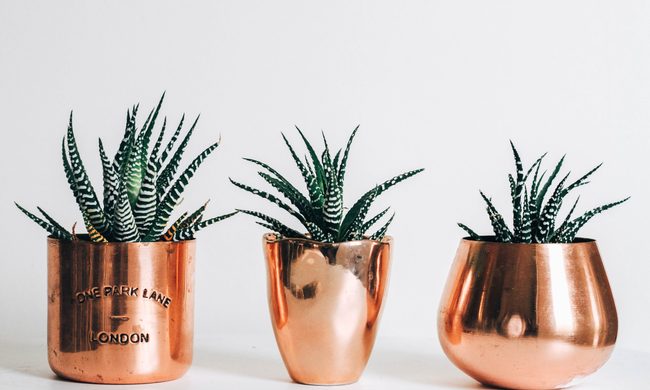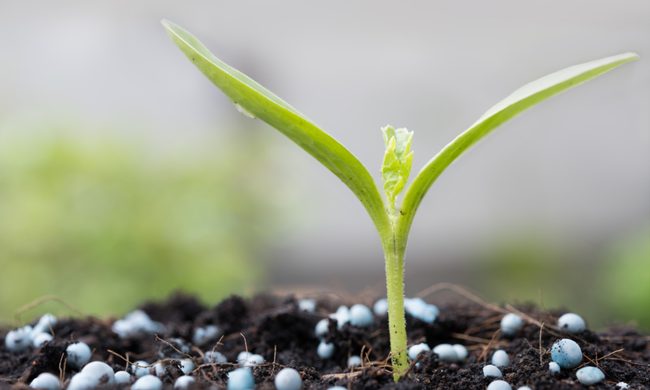
We love an ornamental houseplant with striking foliage, but we can’t resist an edible houseplant, either. While edible plants thrive in bright sunlight outdoors, you can definitely grow them right by the kitchen counter where you cook. With adequate sunlight and water, you’ll have a bounty of delicious vegetables before you know it, which can save you money and trips to the grocery store down the line. Plus, growing food to eat is a whole lot of fun!
You’ll want to make sure you give these plants as much light as possible. Keep your edible indoor plants by your window sill so that they can produce energy to grow. If your home doesn’t get a lot of natural light, consider placing your plants under supplementary grow lights. For plants that you eat, we recommend picking up a bottle of organic fertilizer to use during the spring and summer. Every few weeks or so, cut back your edible indoor plants. Pruning encourages your plants to grow even more and leaves you with a bounty of ingredients to enjoy.
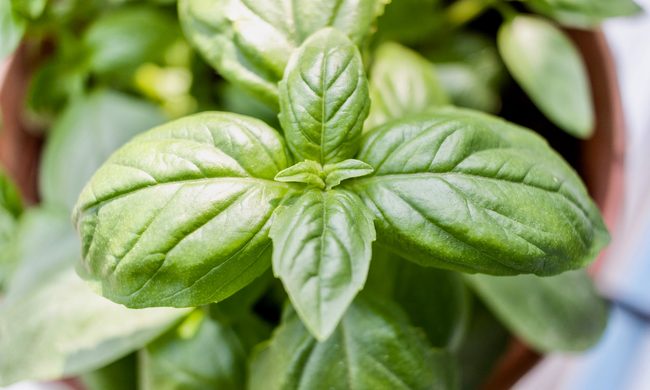
Basil
Whether you toss it in pad thai or use it to make pesto, basil is a delicious and fragrant ingredient to have on hand. You can choose from different varieties, including Thai, lemon, and purple basil. This herb is a prolific grower that appreciates bright light and warm weather. Other than giving it at least six hours of sunlight a day, place your basil inside nutrient-rich, well-draining soil — definitely keep your plant in a pot with a drainage hole to avoid root rot. While you can grow basil from seeds, you’ll often be able to pick up potted basil at your local grocery store.
Parsley
Capable of growing up to three feet, parsley is a versatile herb that plays well with other herbs. It’s great on pastas, pizzas, omelets, and more. Parsley grows best from seedlings as long as you keep the soil moist and the pot next to a bright window. Once the parsley sprouts, you can feed it a 5-10-5 fertilizer at half-strength every month during the summer and spring.
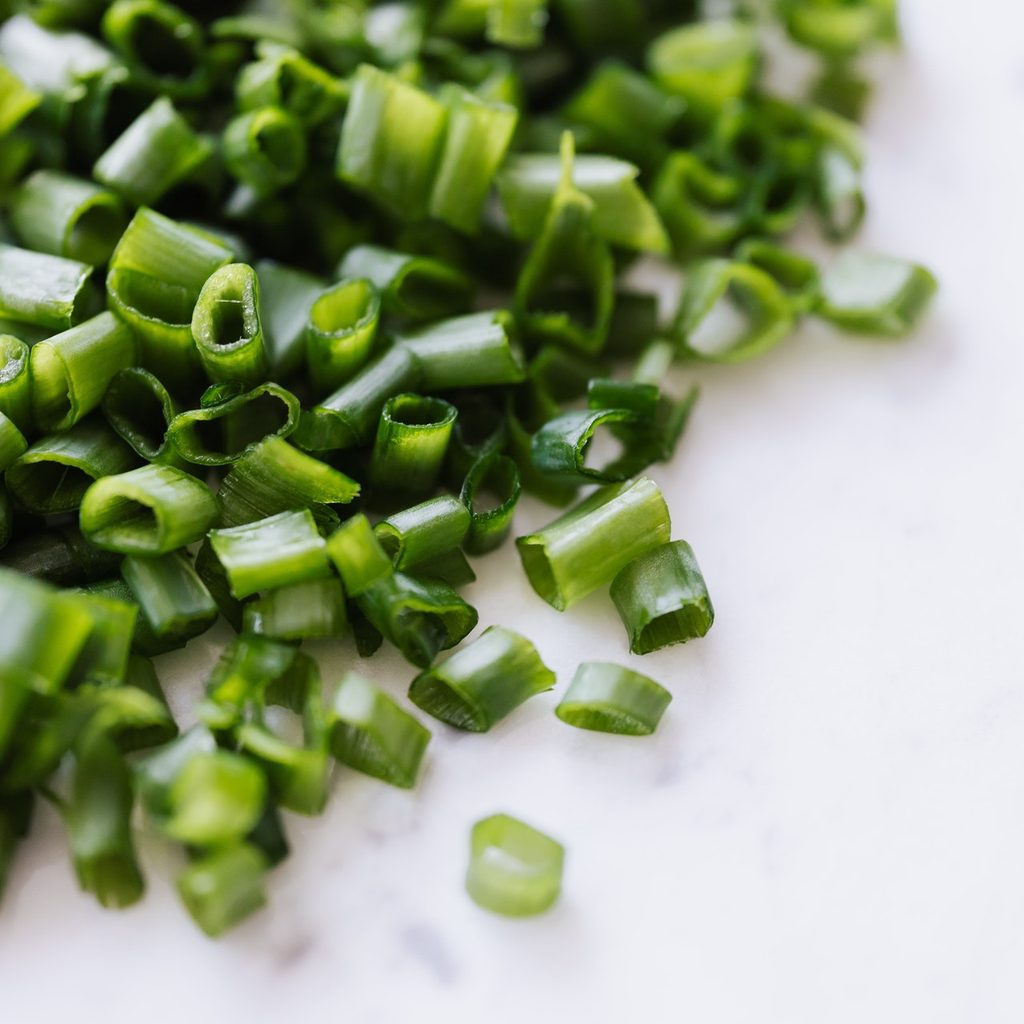
Green onion
Green onions are the perfect garnish for savory dishes, and they don’t require a lot of effort to maintain. All you need to do is place a bulb with roots inside a cup of water and allow the foliage to grow. As long as you give your green onion sunlight, it should produce shoots after a few days. Make sure to change the water on a weekly basis.
Mint
Whether you use it for a mojito, tea, or dessert, mint is a versatile cooking herb that adds freshness to your recipe. It requires lots of sunlight, but the good news is that it adapts well to different conditions as long as you give it space to grow and make sure that it receives enough humidity. During the summer, water it more often so that it doesn’t wilt from the heat. Mint grows fast, so prune your plant back every few weeks by cutting just above a set of leaves.
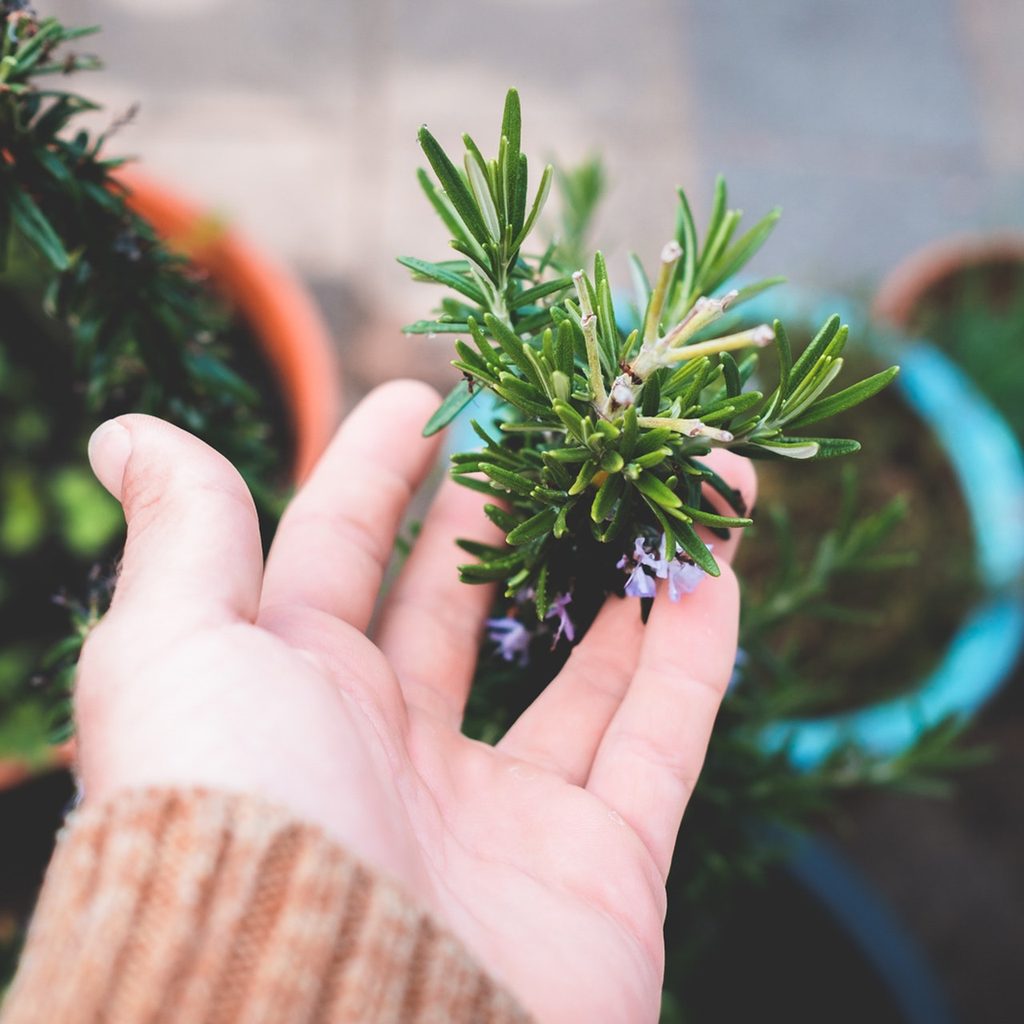
Rosemary
Rosemary is less water-intensive than many herbs because it dislikes having wet roots. You’ll want to water it only when the top inch of the soil feels dry to the touch. Rosemary also doesn’t need too much humidity, which can cause a powdery mildew to spread. However, it does require a lot of light to grow. If your plant gets leggy, you may need to bring out grow lights to supplement sunlight.
Thyme
Thyme is one of the easiest edible indoor plants to grow, though it’s much simpler to propagate it from a cutting than to germinate it by seed. It appreciates dry and well-draining soil to thrive. You won’t really need to feed it, but you can give it diluted organic liquid fertilizer during the growing season. Good news if you live in a colder region: thyme is actually cold hardy.
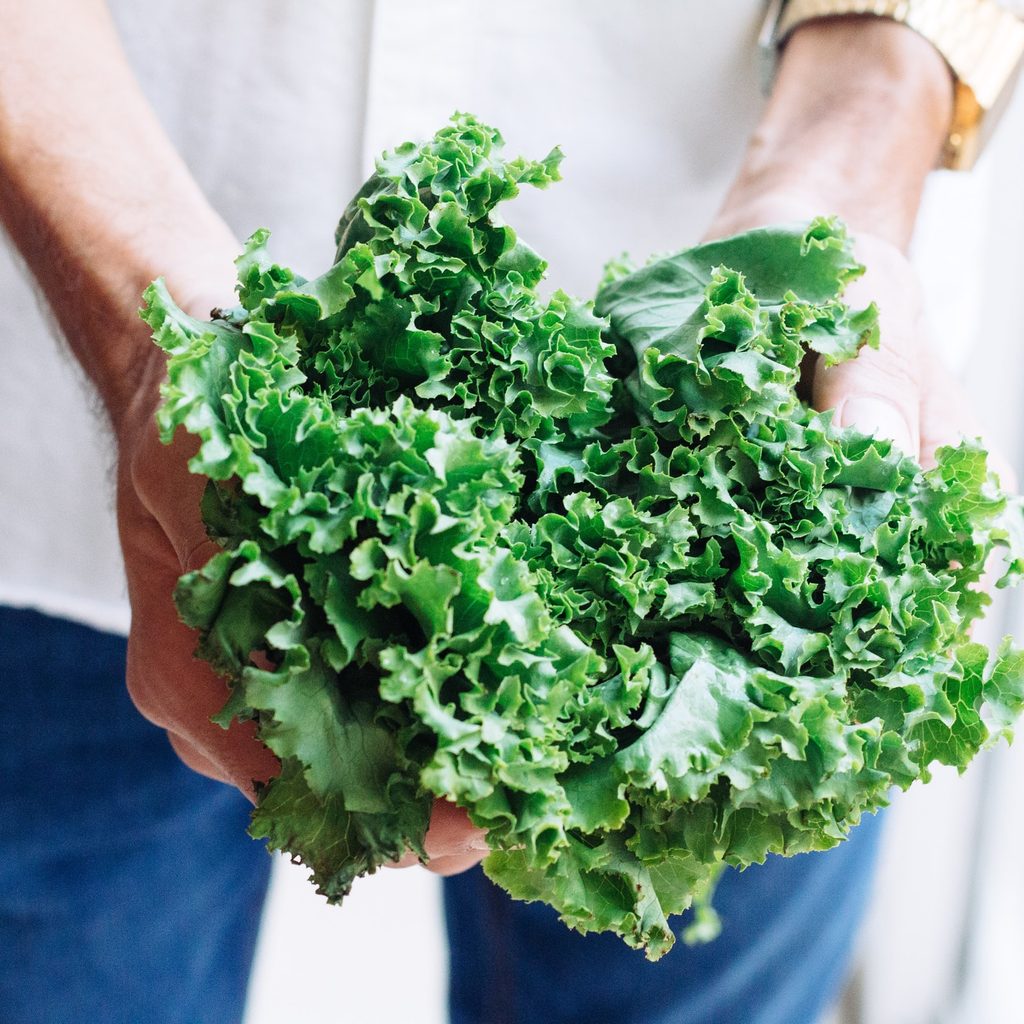
Kale
Kale is the perfect leafy salad base, packed with nutrients and flavor. Place your plant in a location where it gets at least four hours of sunlight a day — a south-facing window is ideal. When cutting your plant, pick the outer leaves first, as the inner, middle stem is where all of the growth occurs. If you grow kale from seedlings, it should be ready to eat when the leaves are about four to five inches.
Before your edible houseplants thrive indoors, they’ll likely need an adjustment period to adapt to your home’s conditions. With these tips, start harvesting a healthy and tasty indoor garden with the help of sunlight, water, and fertilizer.