When you picture a tomato plant, you most likely picture it outside. If you do think about indoor tomatoes, you might picture a greenhouse or a fancy hydroponics system. Houseplants are usually limited to flowers and small leafy plants. However, you can in fact grow your tomatoes indoors.
If you’re new to growing indoor crops, tomatoes are a relatively easy one to start with. The care of indoor tomatoes is similar to that of ones grown outdoors, except the plant is in a container. They’re an easy one to start out with, and you can even practice growing tomatoes indoors in winter!

Is growing tomatoes indoors easy?
As long as you have a well-lit space (or artificial grow lights), growing tomatoes indoors should be no trouble for you. Tomatoes are a self-pollinating plant — meaning they don’t need any help from insects, wind, gardeners, etc. By growing tomatoes indoors, you’ll be able to enjoy fresh-picked, homegrown tomatoes all year long — even in the winter!
The biggest thing to take note of in an indoor space is how large the tomato plant will get. There are tomato varieties that are better suited for growing on patios, and those may be the kind you want to choose if you plan on growing them exclusively indoors. However, if all you have is the standard tomato plant or seeds you can get at any store, it’s still possible to grow them indoors. You’ll just have to be more mindful of where you put them and how many you decide to grow.
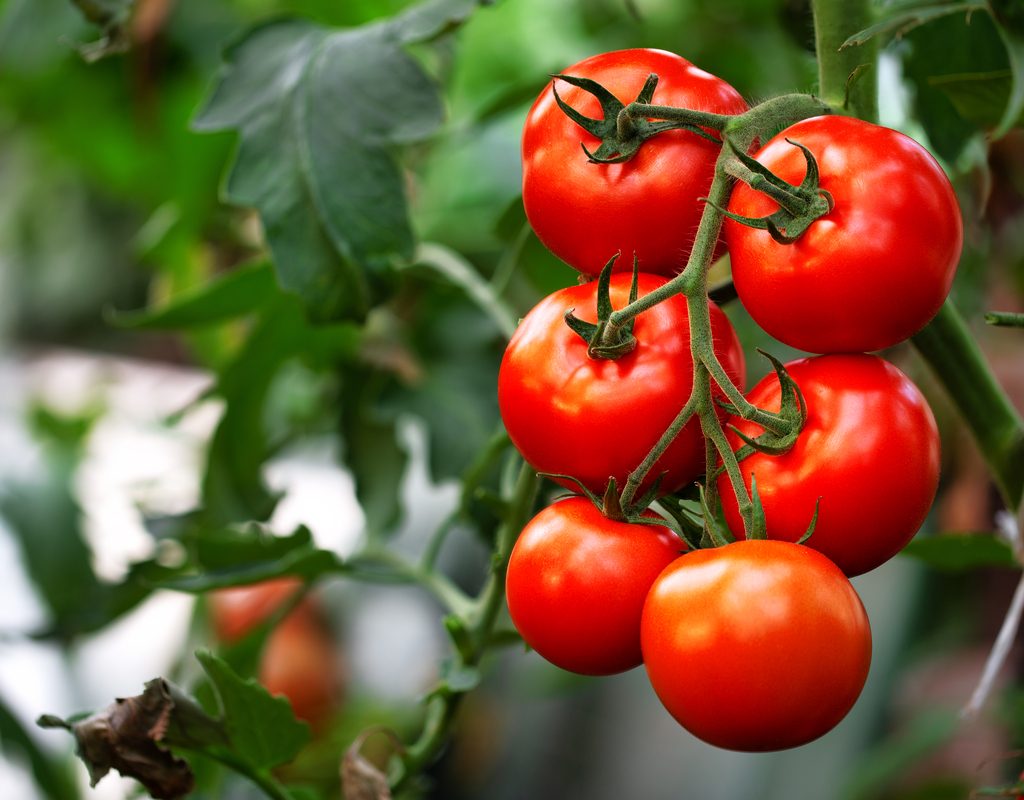
How do you care for indoor tomatoes?
Caring for your indoor tomatoes is simple. Here's what to do:
Step 1: Keep your tomatoes in a brightly lit place.
South-facing windows are ideal for nice evening light; however, if you have a more dimly lit space, and you still want to try growing tomatoes, it’s best to purchase some artificial grow lights (suited for vegetables) that will help your plants thrive!
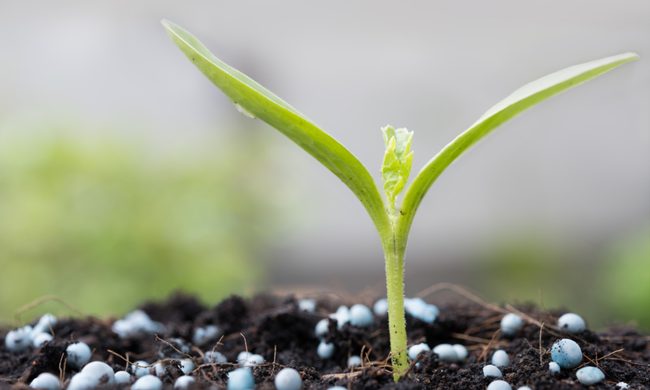
Step 2: Fertilize your tomatoes once a week.
A liquid fertilizer is best for indoor plants, as that will allow the roots to directly absorb the nutrients without having to break anything down.
Step 3: Water your tomatoes when the top 2 inches of soil are dry.

Can you grow tomatoes indoors during the winter?
Absolutely! With the right conditions, you’ll be able to grow thriving tomato plants indoors year-round. You can start with existing container tomato plants or grow them from seeds to prepare them for the springtime. Caring for tomato plants during the winter is the same as any other time of the year, with only a few exceptions. Here's what to keep in mind:
Step 1: Keep your tomato plants warm and away from drafts.
This can be tricky, especially if your sunniest window has a draft. Keeping warm and getting the right amount of light are both important, so don't forget that you can compensate with a grow light.
Step 2: Choose a smaller tomato variety.
Varieties like the red robin tomato and the Florida petite tomato are well suited for smaller spaces.
Step 3: Select a variety that can be grown in a hanging environment, creating a dynamic plant while providing you with a fresh harvest.
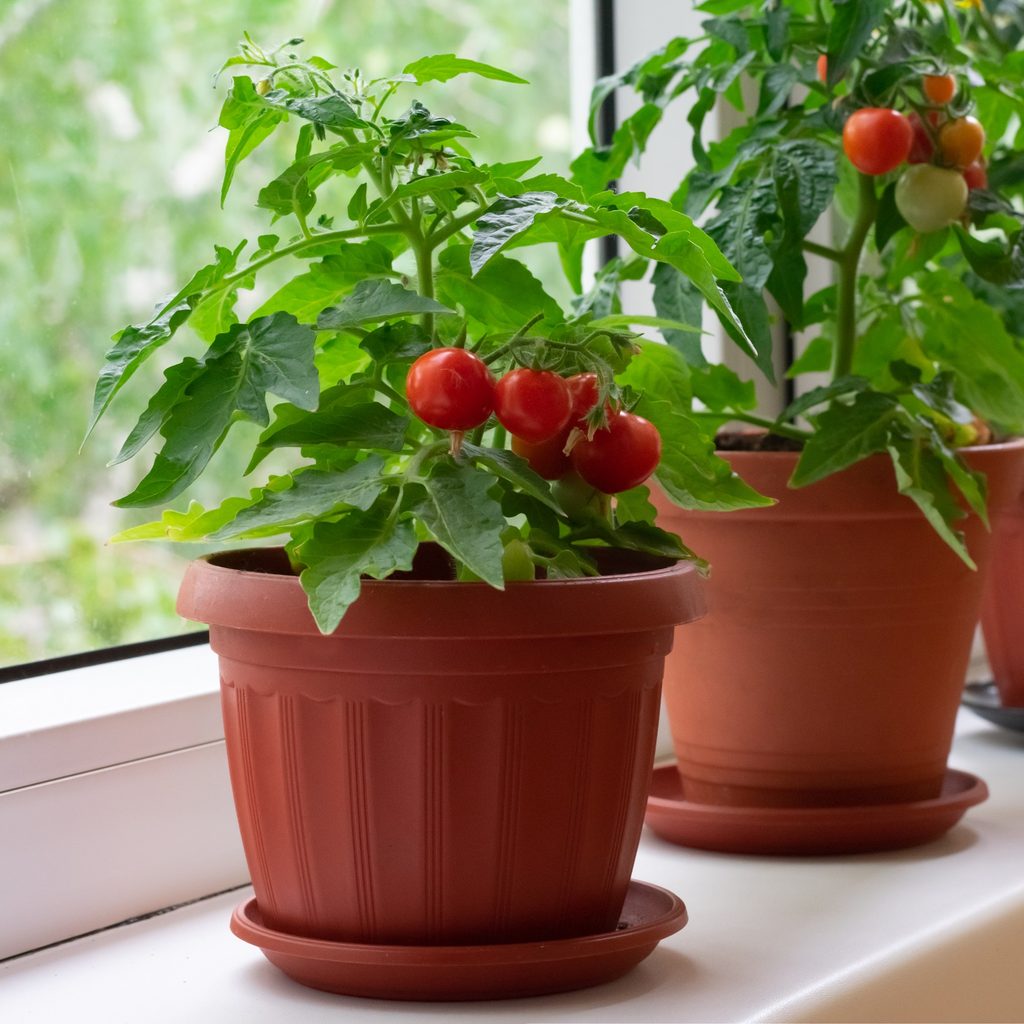
What kind of planters can you use for indoor tomato plants?
When you're keeping your tomatoes indoors during the winter, you'll want a container that's spacious enough for the fruits to grow but small enough to fit inside of your home. Ideally, you'll want a planter that can hold at least 5 gallons of soil, and if needed, have room for a cage or a stake.
It's also crucial that the container has drainage holes at the bottom -- water-logged soil during the winter can kill a tomato plant. When it comes to the material, you can really choose any material. Just keep in mind that you'll need to water your plant more with a non-porous material like metal or plastic.

Do tomatoes grow better outdoors?
It depends on how you look at it. Tomatoes are typically a crop grown outdoors in warmer temperatures. This means that an outdoor garden can’t produce tomatoes once the cold settles in. That is the added benefit of growing and nurturing tomato plants indoors; however, the harvest is typically less than that of the outdoor crop (unless you’re growing in a greenhouse). This because there isn’t as much space indoors as there is outdoors, but still — fresh tomatoes in the winter are better than no fresh tomatoes at all.
If done right, you can start your winter season by extending your summer crop! By bringing the plants indoors (when possible), you’ll be able to keep your summer batch producing tomatoes for just a little bit longer while you set up your indoor space. Keep in mind these plants don’t produce tomatoes forever, so it will just be a small extension, and you will have to replace them with new plants when the time comes.