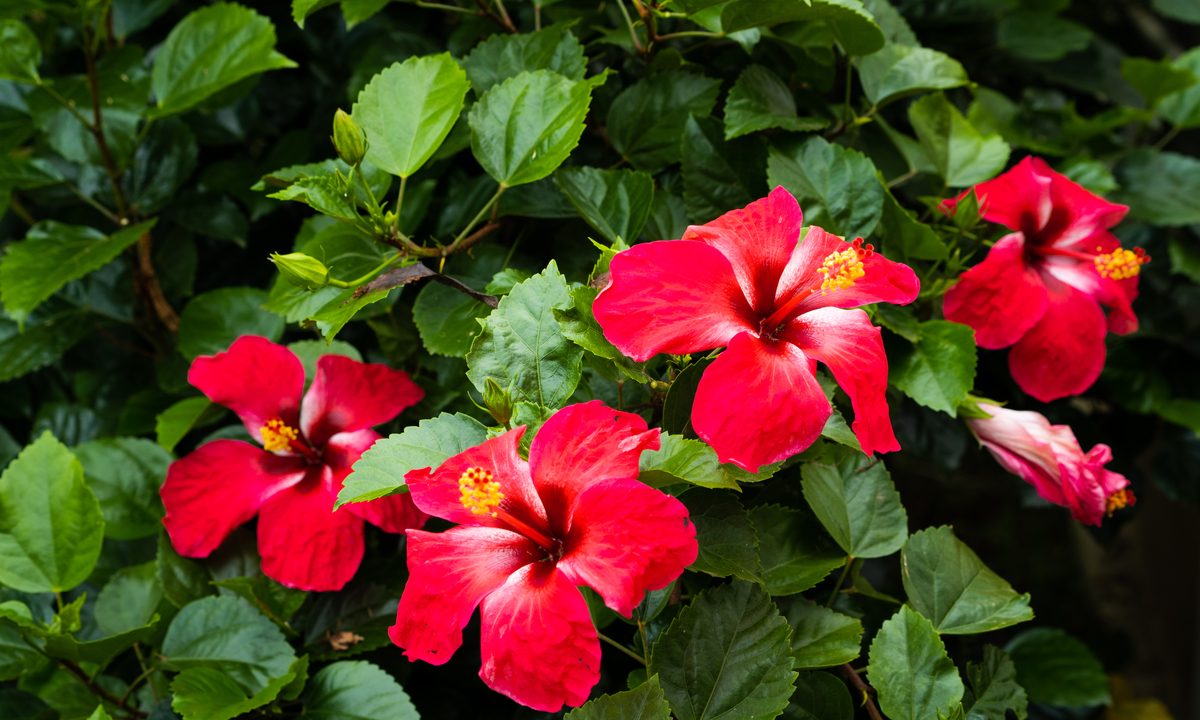
The Hibiscus rosa-sinensis is a gorgeous, fast-growing type of hibiscus native to Asia. Outdoors, they can grow quite tall, but are more easily managed as an indoor plant. With large, showy flowers and a fairly straightforward care routine, Hibiscus rosa-sinensis is an excellent option for practically any home or garden. If you have one in your home, here are the best ways to keep it happy and healthy. These care tips will help ensure your Hibiscus rosa-sinensis thrives, so you can enjoy its stunning red flowers for years to come.
Why you should grow a Hibiscus rosa-sinensis
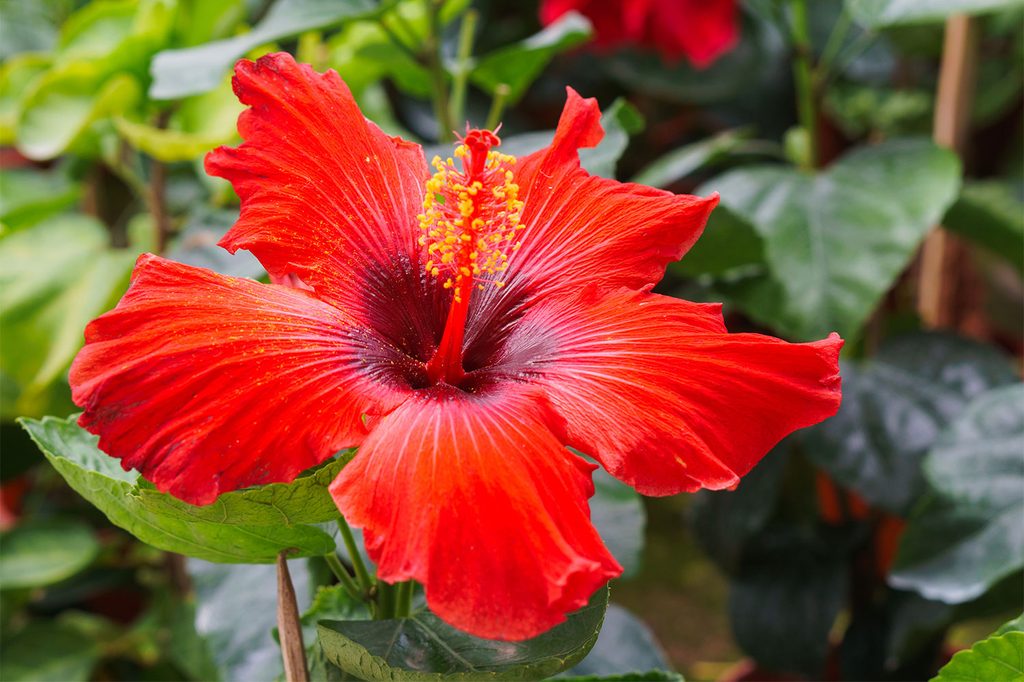
The Hibiscus rosa-sinensis is a beautiful tropical shrub that grows flowers in orange, peach, pink, purple, red, white, and yellow. Growing one of these plants gives you a chance to experience not only their blooms but their aroma as well. The array of colors means there’s a variety for almost anyone to choose from, and you can get multiple kinds if you want to have a collection of different flowers for fresh arrangements.
Best of all, the Hibiscus rosa-sinensis isn’t all that difficult to care for. It may be particular about the environment, but as long as you adapt the care to fit the needs of the plant as it lives in your home, you’ll have no trouble keeping it alive.
What is the common name of the Hibiscus rosa-sinensis?
Colloquially, the Hibiscus rosa-sinensis is known as:
- China rose
- Chinese hibiscus
- Tropical hibiscus
When you see hibiscus plants marked in stores as any of the above names, regardless of bloom color, chances are you’re purchasing a Hibiscus rosa-sinensis.
How do you care for a Hibiscus rosa-sinensis?
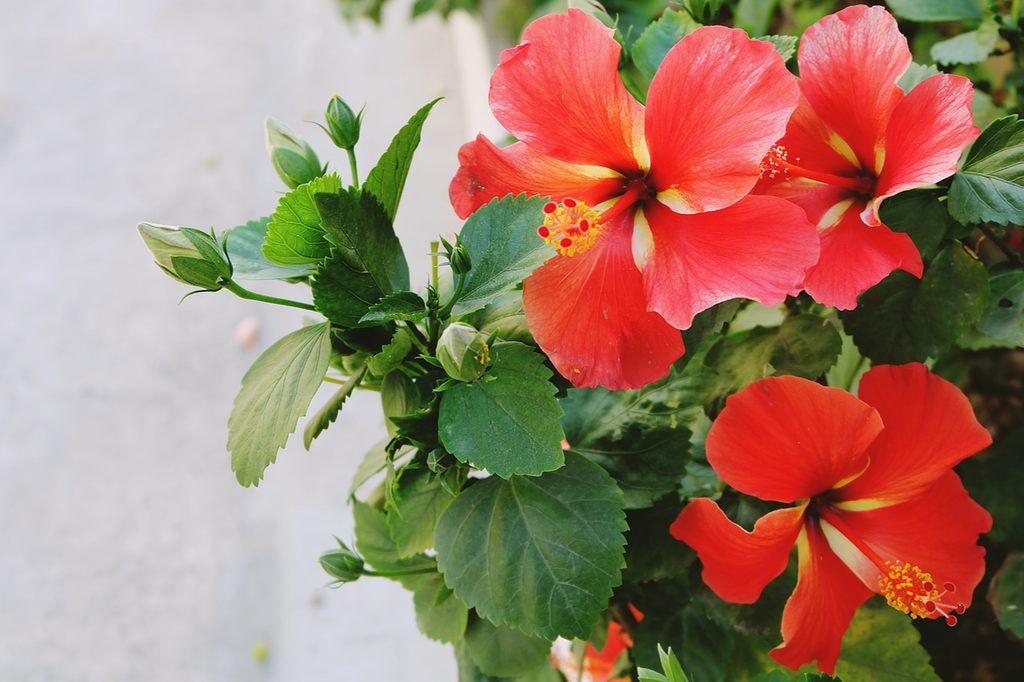
The Hibiscus rosa-sinensis can grow year-round, depending on your climate. In USDA hardiness zones 9 through 11, the shrub makes a beautiful landscape plant that can live and thrive during any season and still return the following year. Ideally, they want bright light in northern areas and partial shade where it’s less humid and drier. But no matter where you live, you can create conditions that will allow the Hibiscus rosa-sinensis to thrive.
This plant prefers temperatures between 55 and 70 degrees Fahrenheit and can be killed by even just a few nights spent out below 50 degrees. Hibiscus rosa-sinensis should be promptly transitioned indoors when temperatures start to drop in the fall.
Light needs: Full sun in northern climates; partial shade in hot, dry climates
Water needs: Water regularly, sometimes daily or twice a day depending on dryness
Soil needs: Well-draining potting mix marked for tropical plants
Is Hibiscus rosa-sinensis hardy?
The Hibiscus rosa-sinensis is not a terribly hardy plant; it’s only able to thrive when planted outdoors in zones 9 through 11. This evergreen shrub is a tropical plant, and as such has humidity, water, and light requirements that make it a bit tricky to grow year-round unless you’re prepared with the right knowledge and conditions.
Outside of those zones, the Hibiscus rosa-sinensis should grow as a potted plant and can be outdoors during warmer weather; however, it will need to be transitioned indoors for winter, where care is maintained to carry it through to the next growing season. This can include but is not limited to, trimming off any buds that start to appear to help your Hibiscus conserve energy during the colder season.
Is Hibiscus rosa-sinensis perennial?
Technically, yes. If you’re growing the Hibiscus rosa-sinensis outdoors in the ground in a climate where winters don’t cause damage to plants, then it will come back the next year with no issue. Outside of that climate (think northern ones with harsher winters), the Hibiscus rosa-sinensis is best grown as a potted plant that you can bring indoors to overwinter. With proper indoor winter care, you’ll be able to transition it back outdoors when the weather warms up and watch it bloom again.
Can you propagate Hibiscus rosa-sinensis?
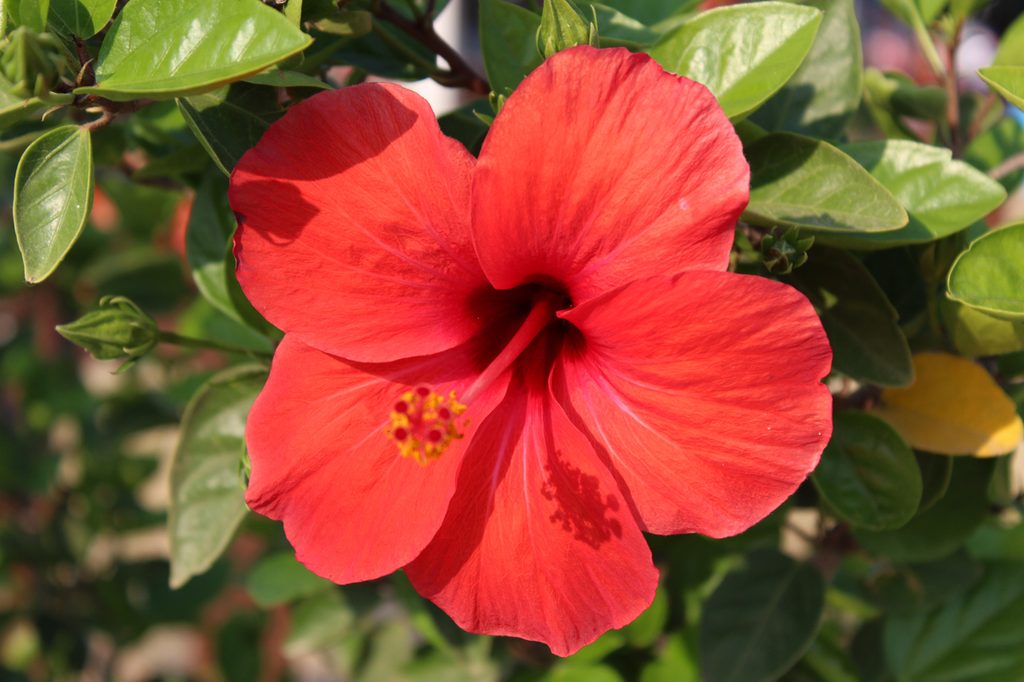
You can! Hibiscus rosa-sinensis is propagated via cuttings and can grow the same plant as the parent. For this plant, you’ll want to take the cuttings in late spring or early summer, just when active growth is starting to emerge. Soft stem cuttings are best for viable results.
To take cuttings from the tropical hibiscus, get a pair of gloves and a sterilized pair of shears (or something else that can make a clean cut), then follow these steps:
- Find a stem that has around four to six inches of soft green on it and remove each set of leaves except the top one.
- Cut the stem just below the bottom leaf node — staying in that four to six-inch range — and place the cut end of the stem into a pot filled with a mix of one part well-draining soil and one part perlite.
- Moisten the soil, then place a clear plastic bag over the cutting to help it retain heat and moisture while it grows new roots.
- Put the pot in a partially shady location, out of direct sun, until you see the cutting start to actively grow.
When does Hibiscus rose-sinensis bloom?
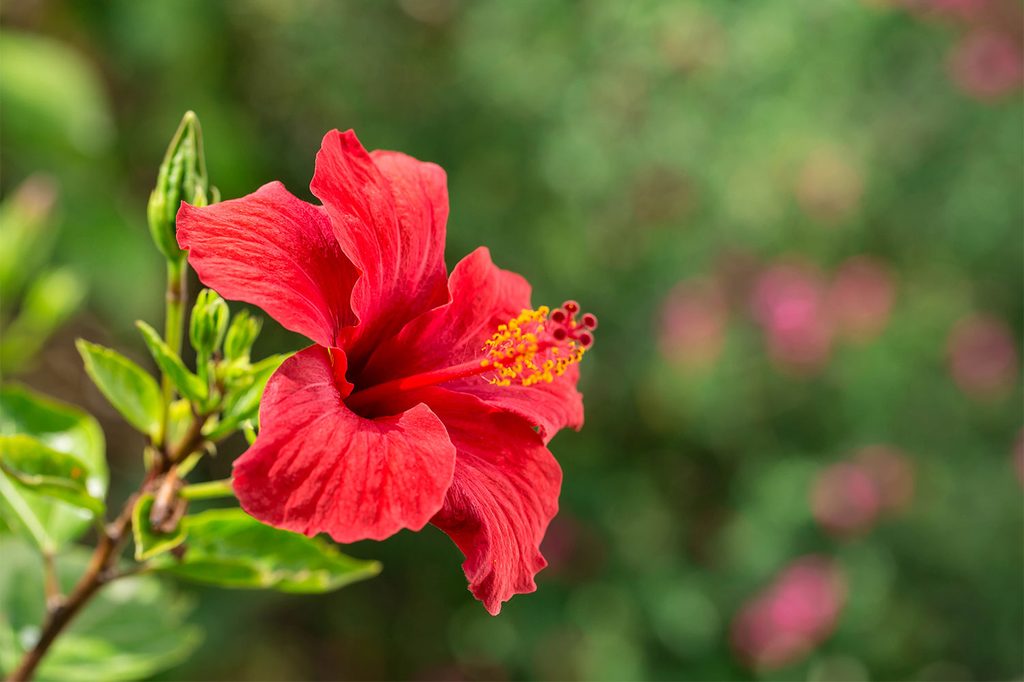
Hibiscus rosa-sinensis is a long-blooming hibiscus, and it can flower nearly all year long! The catch is that the weather must be warm in order for them to bloom. In some southern parts of the U.S., your Hibiscus rosa-sinensis might bloom from early spring to late fall, while in more northern climates, this hibiscus is likely to bloom in late spring and summer only.
If your Hibiscus rosa-sinensis isn’t blooming, it could be caused by the plant being too cold, but other aspects of care could also be the issue. The wrong amount of water, fertilizer, and light can cause fewer, delayed, or skipped blooming. Taking good care of your Hibiscus rosa-sinensis, including pruning and deadheading when needed, is the best way to ensure your plant flowers.
Caring for a Hibiscus rosa-sinensis is fairly easy, as far as tropical plants go — just be sure not to leave it outside of its comfortable temperature range and you won’t run into many issues. If you love the plant enough or want to share its beauty with family and friends, you can take cuttings, watch them start to grow, and give them as gifts for any occasion.