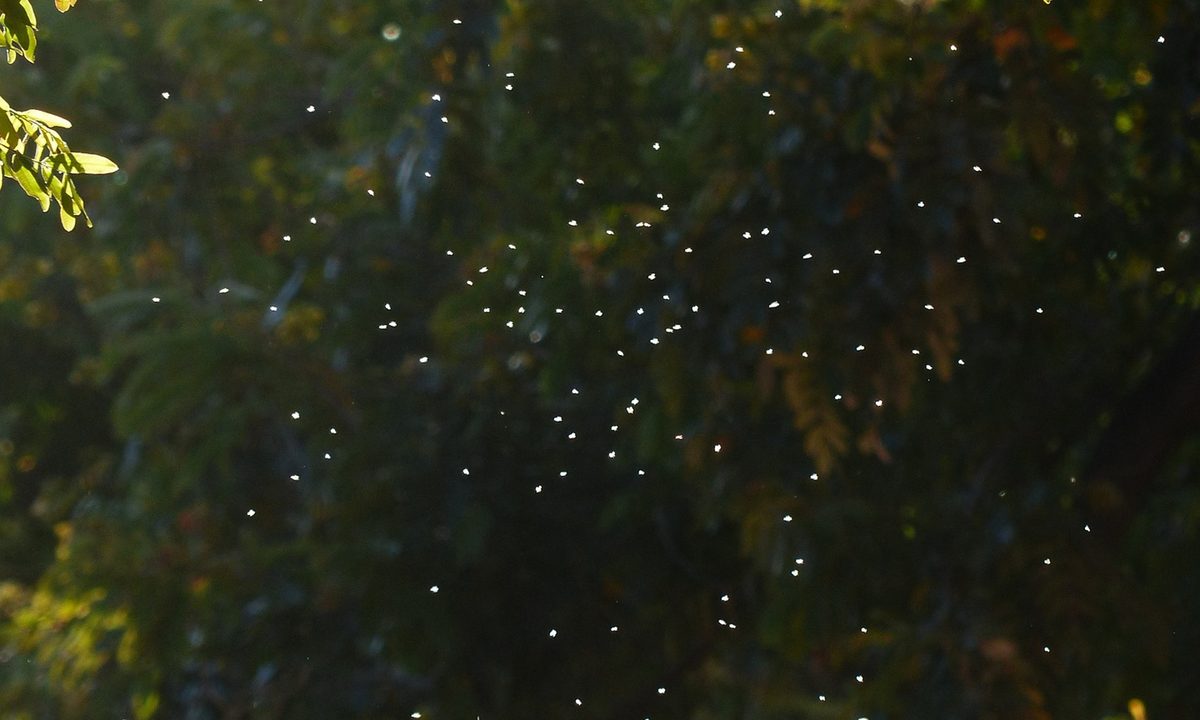
Household pests can be bothersome and tiring to deal with. You can keep some away with neem oil or strong-smelling herbs, while others need more serious intervention. Of all the common household pests you might be dealing with, gnats are one of the most annoying. While they aren’t as harmful as some pests, they multiply quickly and have a habit of getting into things they shouldn’t. If you’re looking for an easy way to get rid of gnats, why not try a homemade gnat trap? Here’s what to do.
What supplies do you need?
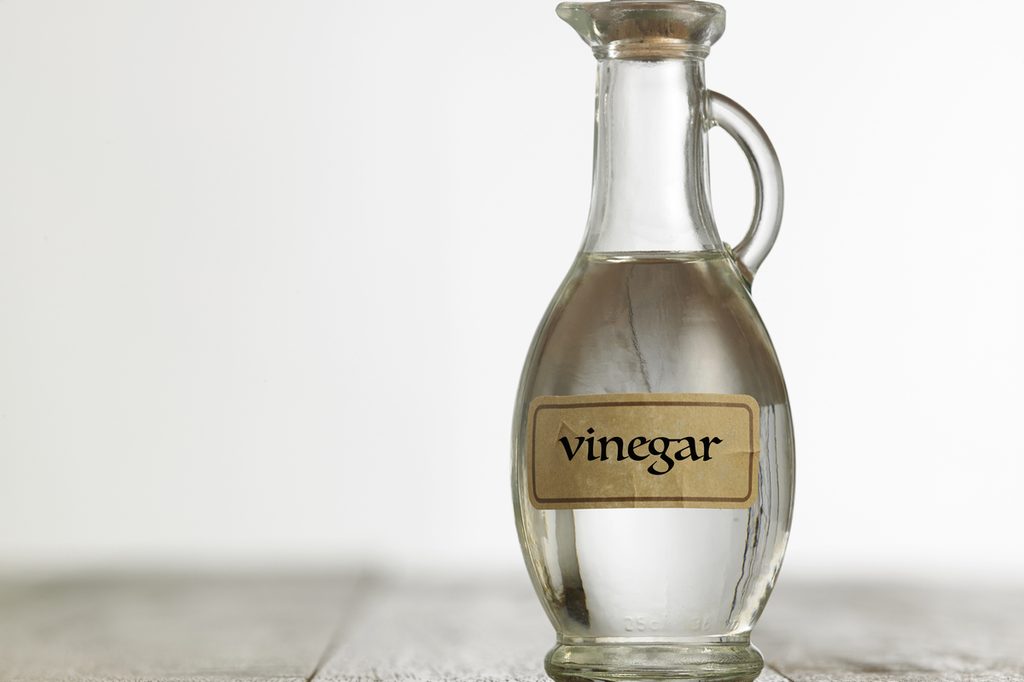
Homemade gnat traps can be made in a few different ways, depending on what you have available. First, you’ll need a container of some kind. This can be a bowl, a cup, a plastic storage container, or any other object that can hold liquids. To go into the bowl, you’ll need dish soap, along with water, apple cider vinegar, or white vinegar. You can also replace the vinegar with a similar substance, like red wine or a vinaigrette.
Some people use bleach instead of vinegar, and while this works, you should be careful when using bleach. Be sure to follow all safety precautions, and keep the bleach away from your eyes, nose, mouth, and skin. Additionally, don’t mix bleach and vinegar, as this creates a toxic gas. Finally, there are optional ingredients for the gnat trap. Plastic wrap, an object to poke holes in the plastic wrap (such as a small knife or pencil), a second, smaller container, and fruit are all optional additions.
Setting up your homemade gnat trap
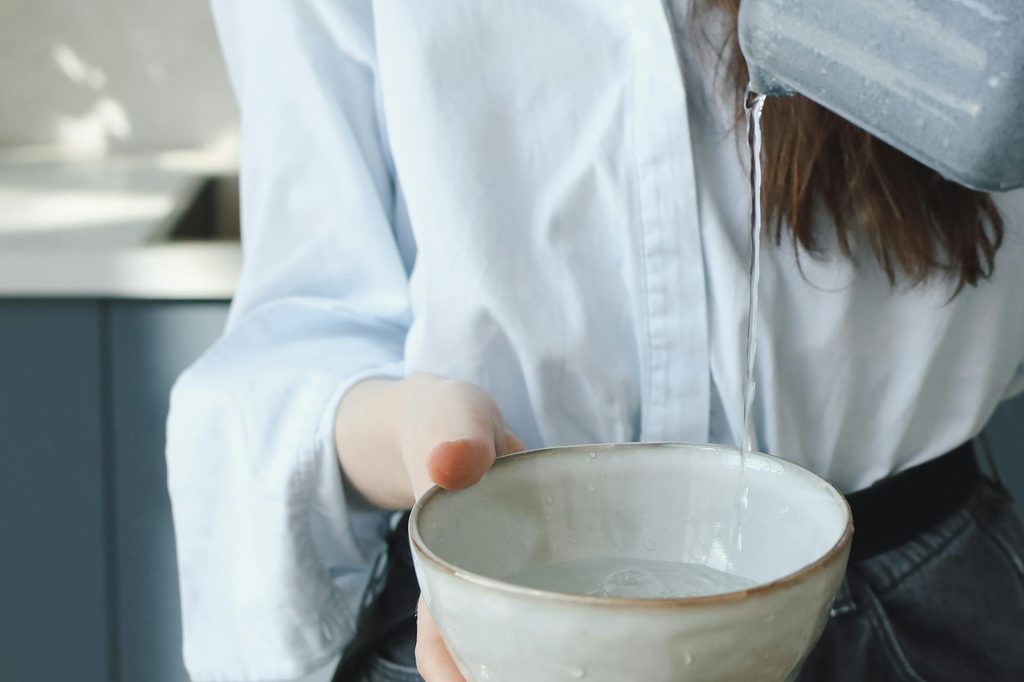
The simplest homemade gnat trap is to add a small amount of water or vinegar to the bottom of your container, then add a few drops of dish soap to the liquid. Any gnats that land in the bowl will become trapped. This simple version is fairly effective on its own, but if you want to make it even more effective, you can add the optional elements.
Placing the fruit in the smaller second container and setting the container inside the larger one adds bait to your trap. The water or vinegar mixture should not cover the fruit, but it’s OK if some gets into the smaller container. Since the gnats won’t stick to the fruit, you’ll need the plastic wrap to trap them. Cover the entire top of the trap, including both containers, with plastic wrap. Then poke small holes in the plastic wrap. Getting in will be easy for the gnats, but getting out will be difficult. You can add plastic wrap to the simpler version of the trap, even if you don’t add the fruit bait.
Then, simply place the trap near the gnats and wait. Clean your trap out and refill it as necessary. You don’t need to clean and replace the trap every time a gnat lands in it, as seeing other gnats get stuck will not prevent more gnats from becoming trapped.
Are homemade gnat traps effective?
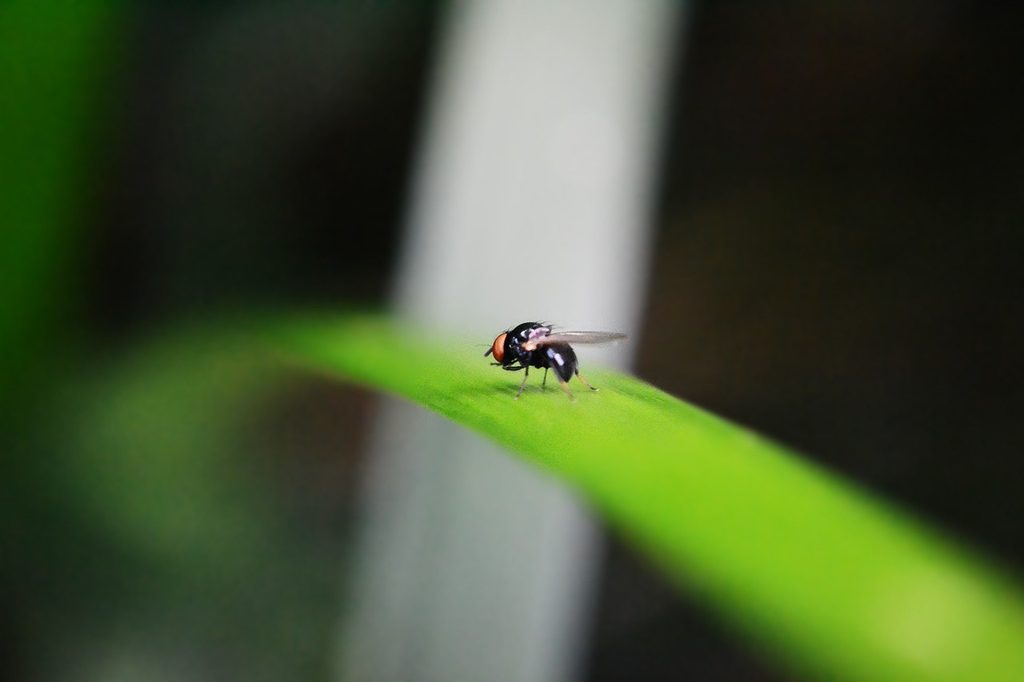
Homemade gnat traps are quite effective. A single trap can eliminate many gnats, and you can create multiple traps to spread around an area for larger infestations. Additionally, since gnats have a tendency to congregate in areas with food, many people feel more comfortable using them than using sprays. Even when sprays are rated safe for use around food, some people are still wary of them. Since the traps are vinegar and soap and you don’t spray them, they aren’t as intimidating to use in kitchens. These traps will also work on other small flying pests, such as fruit flies, and may even trap some ants.
One area that gnat traps are lacking in is taking care of the eggs gnats leave behind. While the gnats that hatch from these eggs may end up in the trap anyway, there’s no guarantee that they won’t leave their own eggs behind to continue the cycle. In addition to your homemade gnat traps, wiping down surfaces regularly with a simple water and soap solution can remove the eggs before they hatch.
Are there any hazards to homemade gnat traps?

Just like any cleaning solution, the hazards depend on what your trap contains. If you’re using water, vinegar, and dish soap, then the hazards are minimal. Avoid leaving the trap where curious pets or children might get into it, since it could make a mess if knocked over. Additionally, while not exactly toxic, it could give a pet or child an upset stomach if they take a sip. This is more important if you choose to use bleach in your trap. Bleach isn’t safe for consumption and can be dangerous if spilled on skin, especially if it’s in or near the eyes, nose, or mouth.
Gnats are annoying, but they’re also fairly easy to deal with. By making a simple homemade gnat trap, you can start to take care of your gnat problem and get back to the fun parts of gardening. Clean your counters, windowsills, and plants’ leaves to get rid of the eggs, and before long, your gnat infestation will be a thing of the past.