When creating an indoor vegetable garden, many people don’t think about growing corn indoors. Most of the time, the focus is on smaller vegetables and herbs that take up less space and are easier to work with. But did you know that most larger vegetables, like corn and tomatoes, have dwarf varieties that are specifically good for growing in containers? They don’t get as large, but they’ll let you add a bit of depth and variety to your indoor garden.
Intrigued? We were too, and that’s why we put together this great starter guide on how to care for an indoor corn plant. Read on to get all the tips you need!
Starting corn from seeds
Your first decision needs to be about the type of corn you want to grow. If you’re going to grow entirely indoors, you’ll want to choose a dwarf variety that’s best suited for container growing. These varieties work well for small deck gardening, too, if you plan to move them to a patio or deck in the warmer weather!
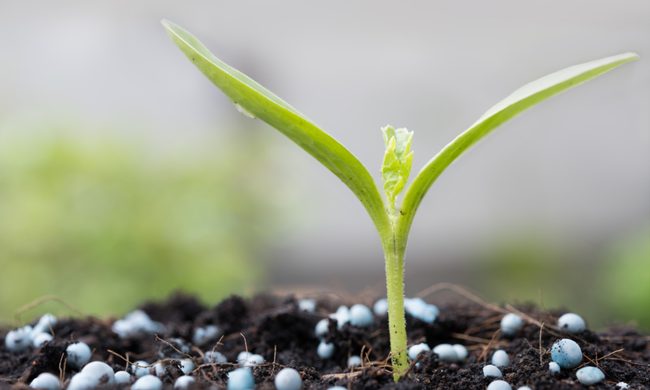
If your goal is to transplant them into your outdoor garden when the weather is right, then you’ll start with whatever kind of corn you want to grow. You should plant your seeds according to the directions on the packet roughly four weeks prior to transplanting. (Depending on the area you live in, it may take a little longer than four weeks if you get an unexpected frost.) If you’re hoping to lengthen your harvest, you can plant sets of seeds one to two weeks apart. Seeds in containers should be planted four to five inches deep.
Keep in mind, however, that the Farmer’s Almanac doesn’t recommend starting corn indoors. This is largely due to the fact that when you transplant any plant (be it vegetable, succulent, vine, etc.), it disturbs the root system and poses a risk to the plant’s survival. If you’ve transplanted before, though, and accept there’s a possibility you may lose a seedling or two, then go for it!
Caring for your seedlings
Like with any plant, care is vital to ensuring a healthy and long life. These are the care instructions we find yield the best corn.
- Place your planted corn seeds in an area that receives plenty of light, and be sure to water as-needed when the top of the soil is dry.
- Because you’re growing/starting corn in containers, you won’t have to water as often as you would when corn is planted outside. It’s a good rule of thumb to check on your seeds every day to see how they’re doing, but just realize they may not follow an exact watering schedule.
- Remember that, as the seeds grow and sprout, you’ll still want to keep the soil moist.
- If your containers aren’t located in an area that receives a lot of direct sunlight each day, you’ll have better success with your seeds/seedlings if you purchase grow lights.
- Do your research on grow lights that are good for vegetables and purchase however many you need for the amount of corn you’ve planted. It’s possible that you may need a few different kinds of grow lights if you’re growing solely in containers; however, if you’re planning on transplanting the corn to an outdoor garden, you may only need one type of light to help your seedlings thrive.
Transplanting corn outdoors
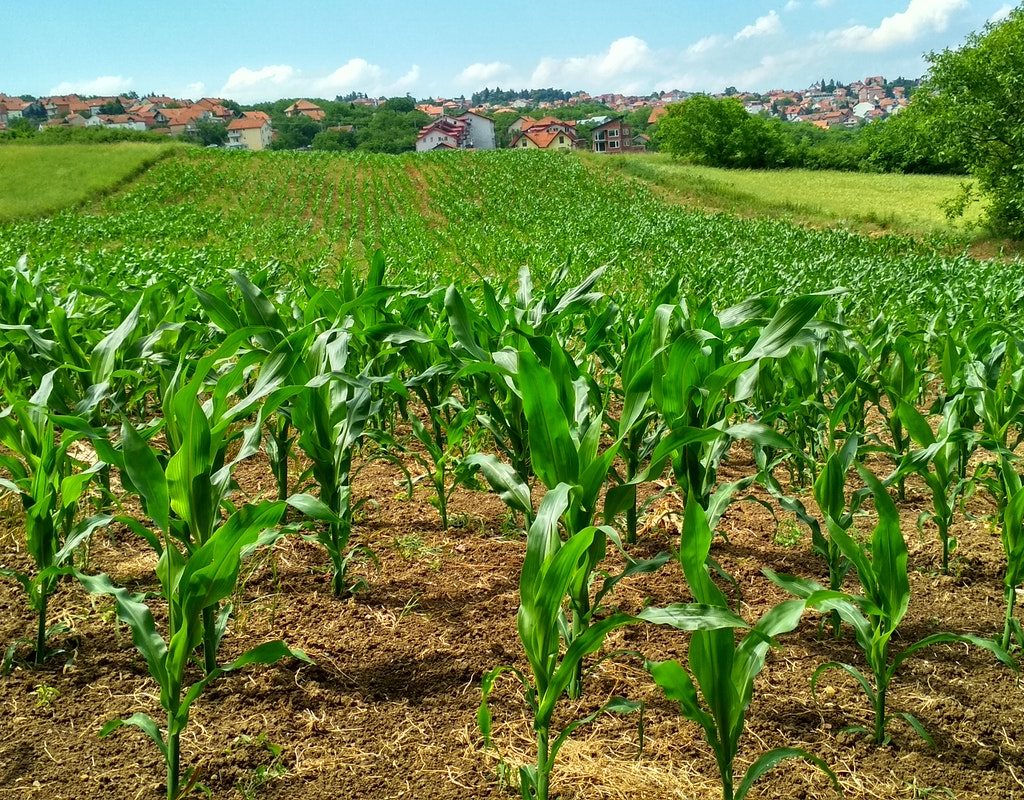
When it’s time to transplant your corn outdoors, make sure you have a space in your garden that receives full sunlight each day. Avoid indirect sunlight and partial shade where possible. Each seedling should be planted eight to 12 inches apart (in rows to encourage pollination) to allow room for the corn plant to grow and the root system to expand. Seedlings should be watered immediately after planting.
Be aware that your corn seedlings may not transplant well since the roots don’t like to be disturbed. Be careful not to cause any damage while transplanting them into the garden. They may not grow as well as corn seeds that were planted directly into the garden, but by starting corn indoors, you can get a head start on your growing season.
Keeping your corn fully indoors
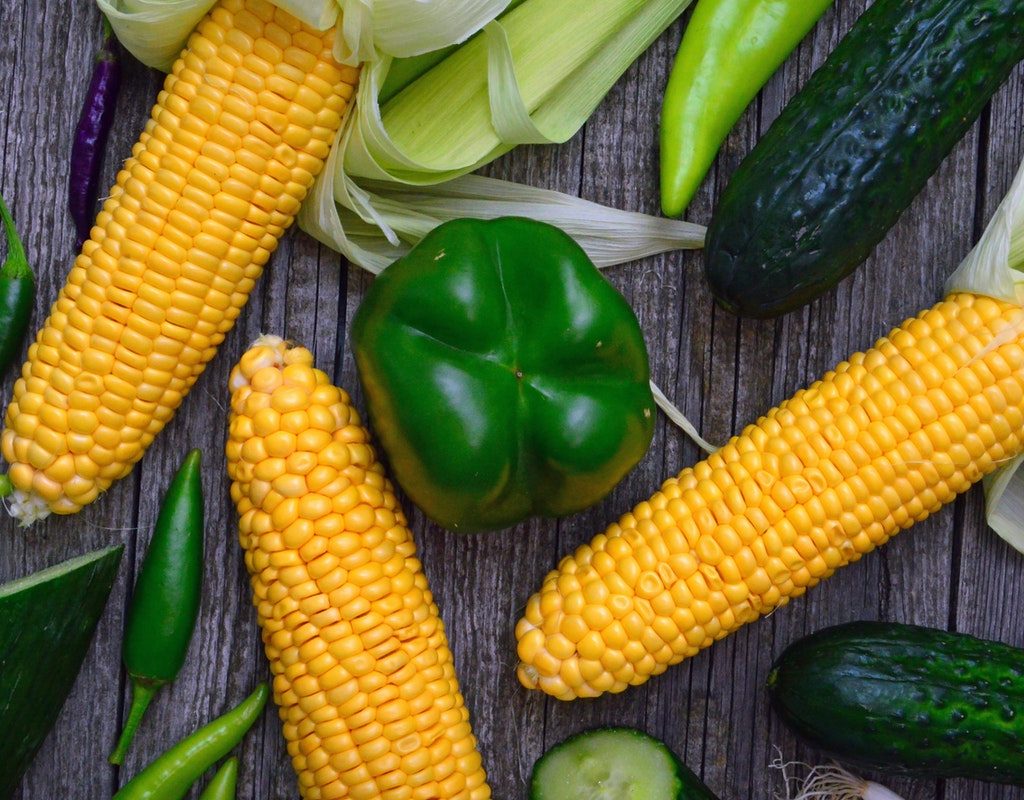
If you’re interested in growing your corn plants completely indoors, it can be done (though it may prove to be a bit more difficult). As mentioned earlier, you’ll find this option yields the best results when you grow a dwarf variety that’s more suited to a smaller indoor environment. Those include the miniature hybrid, early sunglow, and golden midget.
Remember, corn seedlings and roots don’t like the transplant process. So, when choosing containers, make sure you buy one large enough to hold your corn from seed to full-grown stalk. Each container should be able to hold four to five of the corn variety of your choosing.
The best option, if you have the room, will always be to plant the seeds directly in an outdoor garden when the growing season begins. But, with a little care and understanding, it is possible to grow corn indoors. You can successfully grow that sweet, summertime goodness in containers right inside your own home!