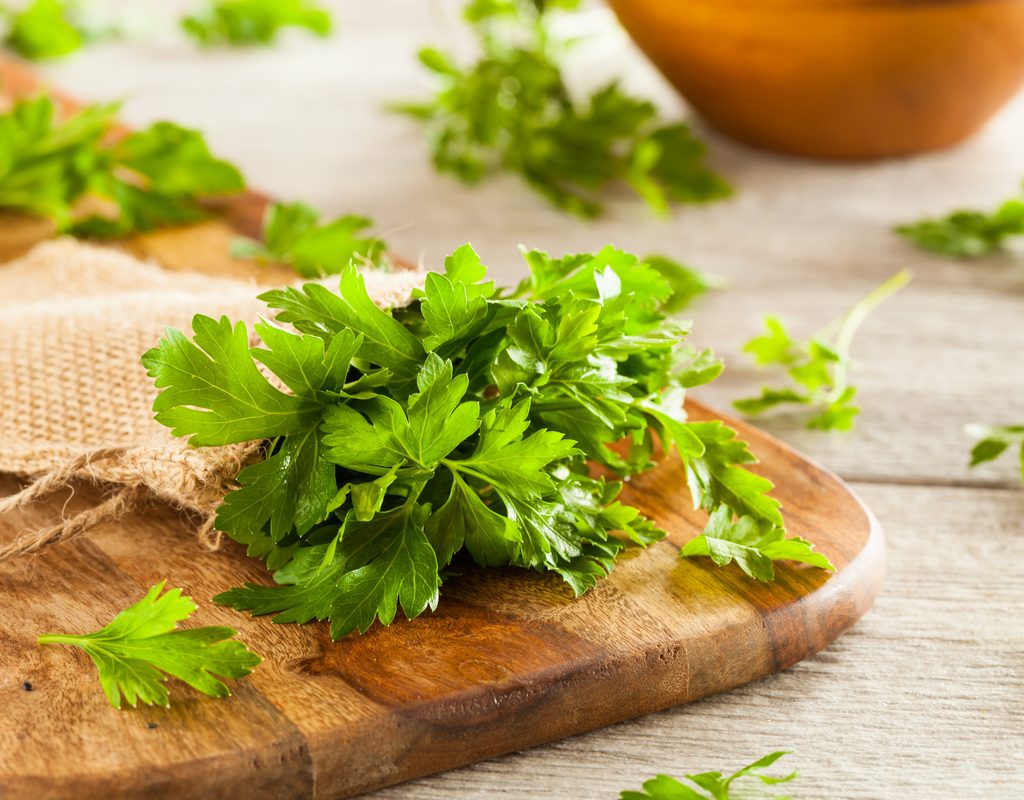
Italian parsley, also known as flat-leaf parsley, is one of the main varieties of the herb that’s used in cooking. The other is curly parsley (which has ruffled leaves). Both have been used over the years for seasoning and garnishing an array of dishes from different cuisines, but which should you add to your herb garden?
When considering Italian parsley vs. curly parsley, it depends on how you plan on using them. In this guide, we’ll explain the differences between Italian and curly parsley and how they’re used, so that you can pick the right one for your garden!
The two are easily confused – why?
The main confusion over which is which has to do with the name. They’re both varieties of parsley, so to the untrained eye, it doesn’t seem like they would taste different or have different uses when you’re trying to pick one out in the store. Parsley is parsley, right? But even though these two are in the same family (cousins, in fact), they can’t always be used interchangeably.
They’ve got some differences
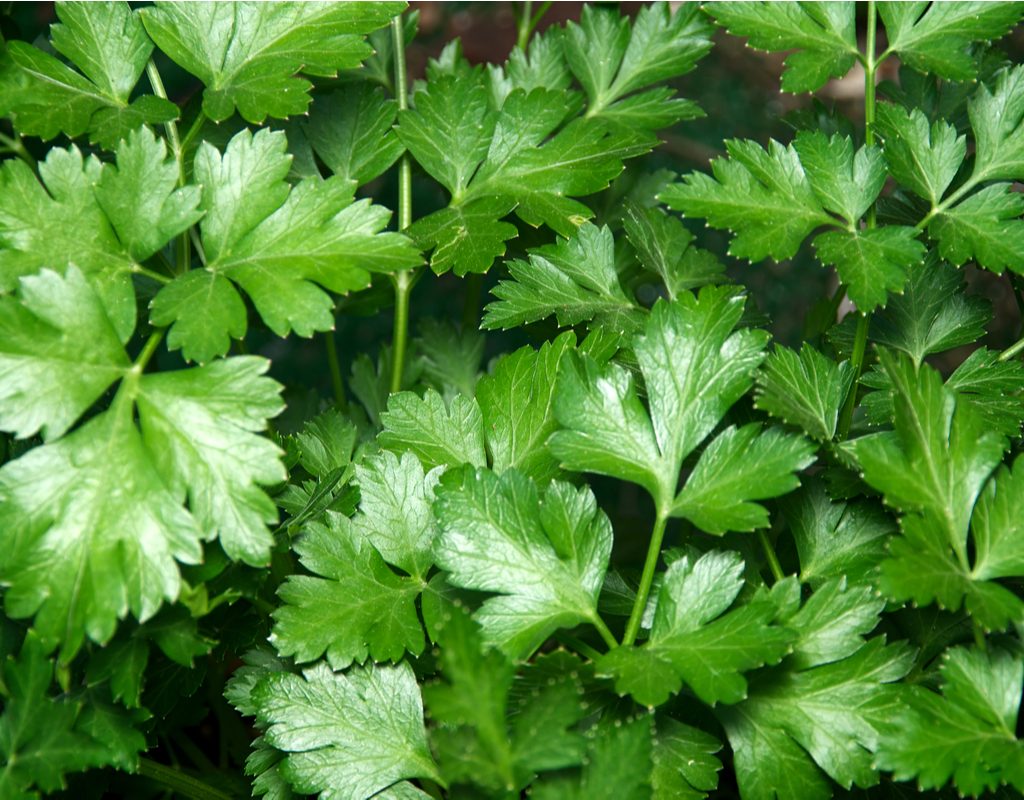
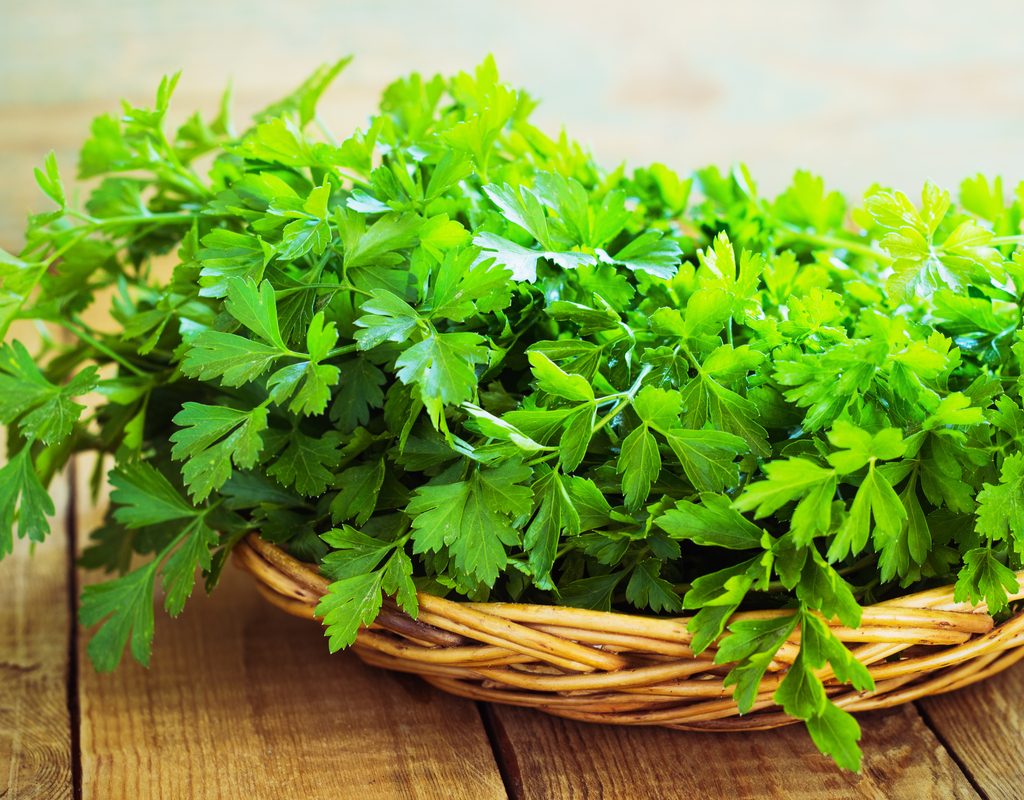
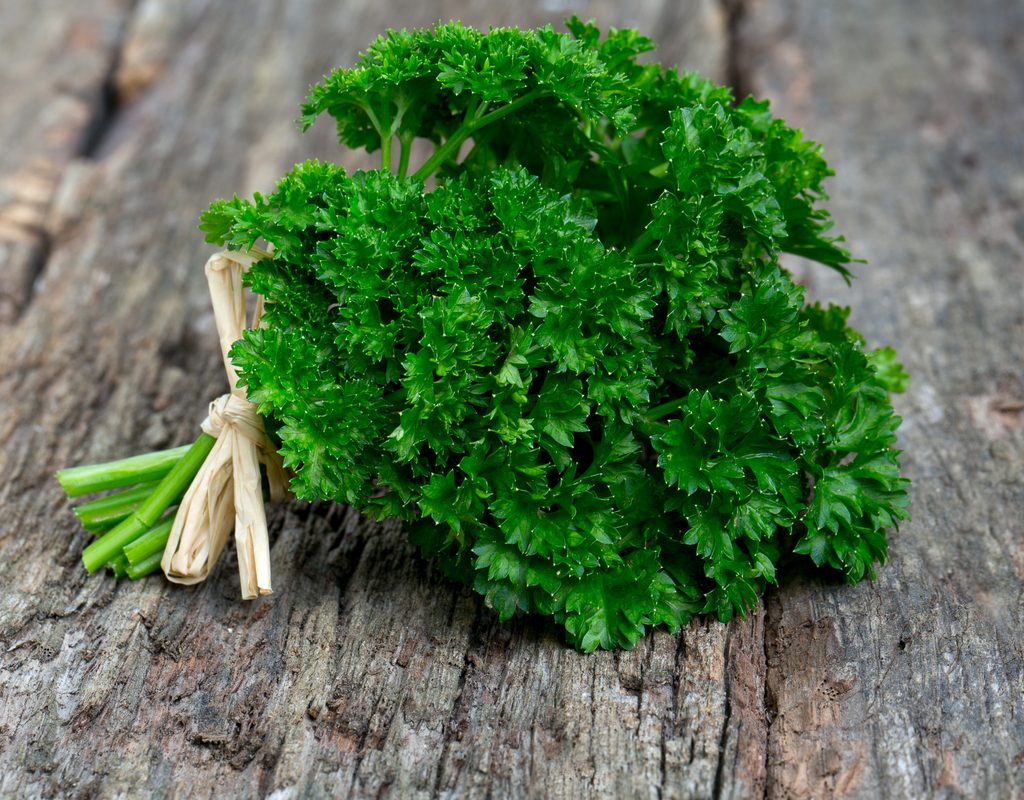
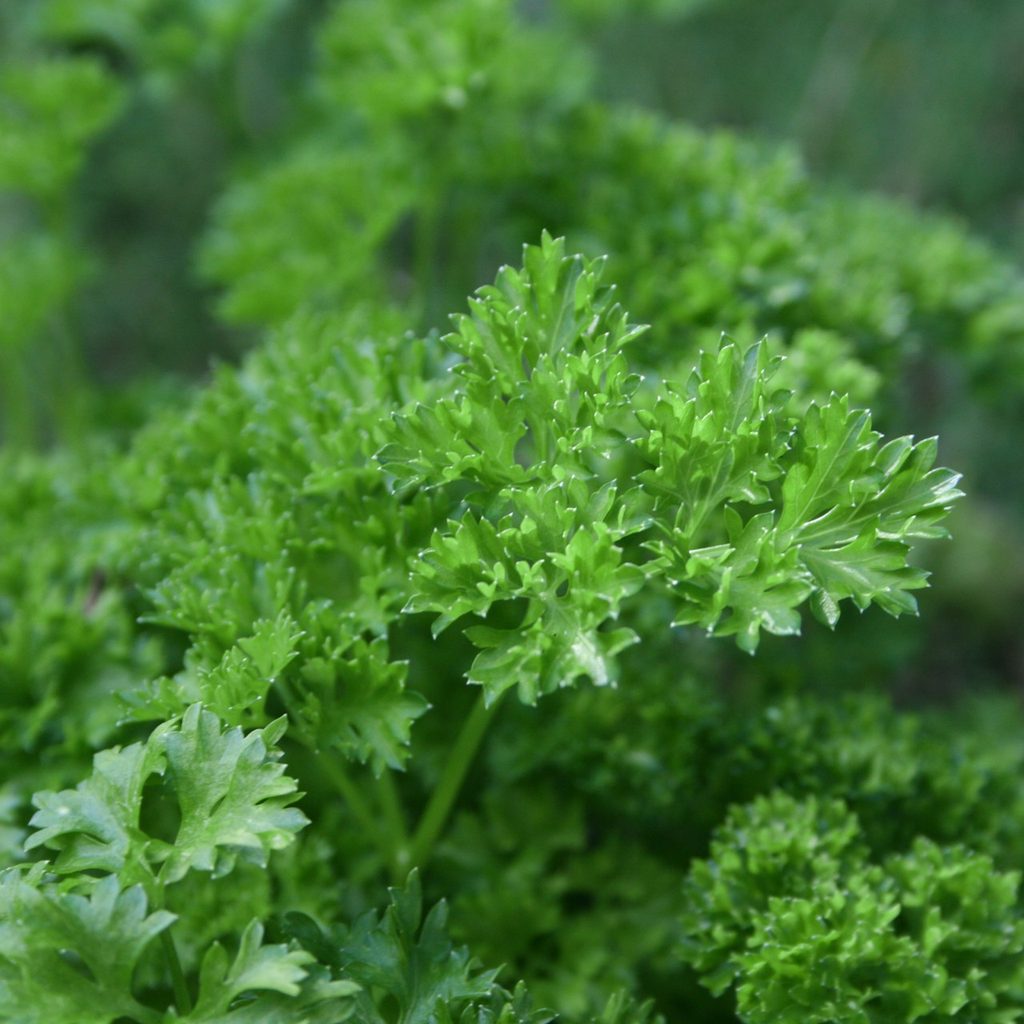
Surprisingly, even though the two are commonly confused with each other, the biggest difference is their appearance. Italian parsley sports flatter leaves (similar to cilantro) that are more dull green in color. Comparatively, curly parsley has ruffled leaves and a brighter, more vibrant color. The coloring is what makes curly parsley more of a go-to for garnishes. It isn’t intended to be eaten, but it enhances the appearance of a dish, whereas Italian parsley is often used to enhance the flavor.
Do they taste the same?
Not quite. The reason why Italian parsley is reached for as a seasoning rather than a garnish is that it has a more robust flavor than its curly-leafed cousin. Italian parsley has a smoother texture, which adds to its palatability. Curly parsley has little to no flavor, so it is mostly used for its aroma and bright colors to bring life to a dish; however, depending on the growing conditions, age of the plant, and kind of soil used, the flavor can be more apparent. Even so, curly parsley will never be a one-to-one substitution for Italian parsley — and vice versa.
The best uses for Italian parsley
Italian parsley is — you guessed it — used to flavor a lot of Italian dishes like pastas. It’s used alongside other seasonings like basil and oregano and mixed into sauces to help enhance the flavor. Part of the lean toward Italian parsley is the smooth flavor (no one wants to be eating pasta and suddenly get a mouthful of a rough herb).
When it comes to Italian parsley vs. curly parsley, Italian parsley wins in the flavor department, and as such, is a go-to for both professional chefs and home cooks. Italian parsley can be used as a garnish if you want the decoration of the dish to be more edible, but keep in mind that it will increase the flavor. If you plan to use Italian parsley to beautify your meal, you may need to balance out how much you add in the recipe.
Where curly parsley shines
Curly parsley is among the garnishes that are added to meals without the intent of being eaten. The leaves are simply there to make it appear more appetizing and impressive. A staple of French cuisine, you’ll most notably see a call for this kind of parsley when making a French dish. Flavor-wise, Italian parsley wouldn’t pair as well here.
Young curly parsley leaves have a muted flavor, while older leaves start to taste more bitter; however, that’s commonplace among many herbs and not unique to this specific kind. When adding curly parsley as a garnish, you’ll either want full sprigs or to keep it nice and fine so that the color shines while the texture isn’t as apparent in the mouth.
Can you substitute one for the other?
This question doesn’t have a definitive answer. Since curly parsley can taste different depending on the growing conditions it’s in, sometimes it will have a more apparent flavor than it typically would. When using this stronger curly parsley, though, you’ll want to make sure the robust flavor pairs well with the other seasonings in the recipe.
Because of the muted taste that curly parsley is known for, many chefs don’t see the validity in substituting this ruffled-leaf variety and would prefer to go out and buy Italian parsley. The ruffled texture — combined with the fact that if you do substitute it as a seasoning, you’ll want to use more of it — makes curly parsley less pleasant to have in your mouth.
Are there other types of parsley?
Most people will know flat-leaf or curly parsley, but there are a few other parsley varieties, too. Mitsuba, for example, is a type of parsley commonly found in Japanese and Chinese cuisines. It features large leaves that grow in threes and has a somewhat bitter celery flavor. Another type of parsley you might come across is the Hamburg parsley.
People grow it for its parsnip-like root, which can be cooked on its own or tossed into soups and stews. It’s not found as much in the U.S., as it’s most commonly found in Northwestern Europe.
What is curly parsley used for?
We’ve mentioned that most chefs prefer Italian parsley for its smoother flavor and texture, and that curly parsley is primarily used as a garnish. Still, are there other uses for curly parsley? Yes! Due to its curled leaves and glossy color, curly parsley is a great ornamental plant. If you love the aesthetics of an herb garden but don’t plan on actually using your herbs, curly parsley should be at the top of your list. You can even harvest leaves and add them to cut flower arrangements. Additionally, while curly parsley is lacking in the flavor department, it does have a nice smell. You can use it in potpourris or to add scent to soaps.
That said, if you’re a home cook in a pinch, you could always give it a try. Make sure to taste your dish as you go along (and probably taste the parsley beforehand so you know what flavor you’re working with) so that you don’t over- or under-season. Otherwise, it would be best to go out and buy some Italian parsley or forgo the herb altogether until your next shopping trip.