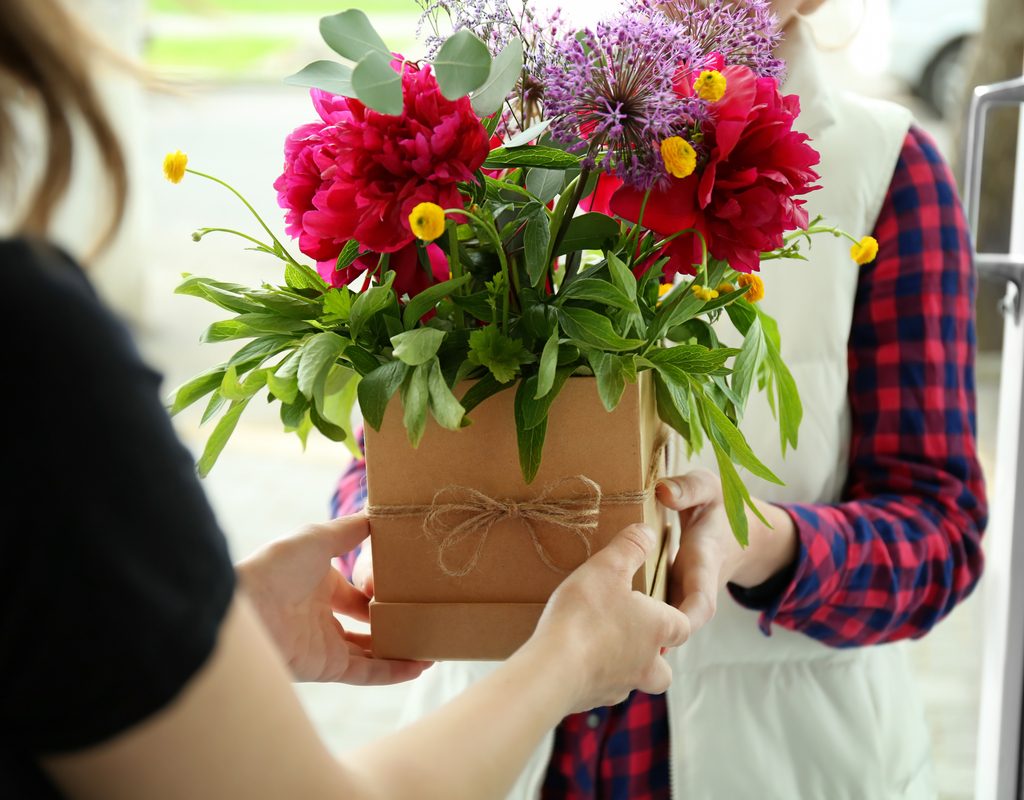
Your sister just moved into a new place and you want to buy her a simple housewarming gift. Maybe you want to go with a flower arrangement, or better yet a houseplant, but she has allergies. No problem. Although there are numerous plants that trigger allergic responses, there are lots of choices that allergy sufferers can enjoy without discomfort. Learn which plants to avoid, and you can give plants without worry.
What causes plant allergies
Pollen is the main plant-based trigger of allergic responses. Pollen is produced by male flower parts, and it must find its way to female flower parts. Most plants have adapted to rely either partially or completely on air currents to carry vast quantities of pollen to female flower parts in order to ultimately create seeds. When allergy sufferers breathe pollen-laden air, it causes a host of symptoms including itchy or runny nose, nasal congestion, swollen or watery or itchy red eyes, sneezing, coughing, postnasal drip, and fatigue.
A few common house plants have compounds in their sap that may cause skin reactions on some individuals. The sap of Euphorbia and Ficus species are known to cause mild to severe rashes when those with sensitive skin come in contact. Avoid giving plants from these families and others with milky sap to anyone with sensitive skin or a known sensitivity to latex.
Fragrance can cause discomfort, although it is not categorized as an allergic reaction. Those with a “jasmine allergy” are likely experiencing a non-allergy reaction called irritant rhinitis. The strong smell causes chronic sneezing or a congested, runny nose. For this reason, it may be best to avoid plants with intense aromas.

Plants that cause allergies
As a rule, if the recipient has a history of allergies, or if you are not sure, simply avoid giving them plants that cause allergies. Following is a list of the plants that are most likely to cause allergic reactions.
Chrysanthemums
Chrysanthemums, daisies, asters and other members of the aster family produce loads of pollen that makes allergy sufferers miserable. These include florist, landscape, and wild species, and some of the most commonly experienced sensitivities. If you want to avoid giving allergens as a gift, stay away from this group.
Lilies
Lilies are known for their intense aroma and serve as a symbol of purity, rebirth, and motherhood. But, the last thing mom wants for Mother’s Day is a case of the sniffles. Most lilies are heavy pollen producers, and they have an intense fragrance that could trigger irritant rhinitis. But, if it absolutely must be a lily or nothing at all, look for one of the newer pollen-free lily cultivars.
Sunflowers
Sunflowers bring happiness with their big, bright flowers, but they can also cause congestion for those who are allergic. The massive flowers steadily release more and more pollen over time as the bloom continues to mature. The best way for allergy sufferers to enjoy sunflowers is at a distance.
African violets
African violets are not known for high pollen loads. They trigger sneezing, watery eyes, and runny noses in another way. The leaves are covered with tiny hairs that collect copious amounts of dust, which is one of the most common allergens. If you love them and want to avoid the negative effects, you could wipe down the leaves with a damp towel a few times each week. But there’s no need to give an added chore along with a gift.
Weeping fig
Weeping fig is one of the most popular houseplants because it looks great and is easy to grow. It’s also one of the worst allergen offenders. It is a member of the Ficus genus, which those with latex sensitivity should avoid. Plus, these popular foliage plants capture lots of dust which, along with tiny particles of leaves, bark, and sap, combine to reduce air quality for allergy sufferers.
Choose allergy-free plants instead
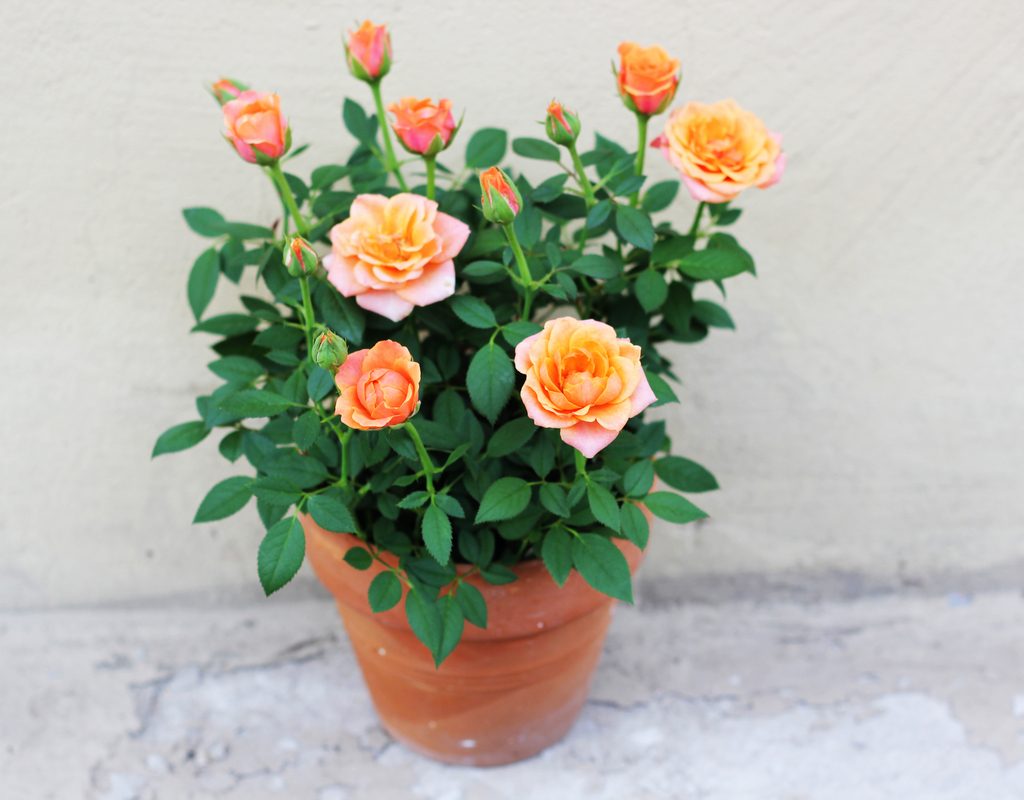
When special occasions arise, it’s always better to choose allergy-friendly plants instead. You may wonder if roses are bad for allergies. In fact, roses are some of the more allergy-friendly flowers. Other flowers with a lower likelihood of inducing allergy include cacti, orchids, pollen-free lilies, and carnations. Foliage plants for allergy sufferers include Dracaena, Pothos, and Sansevieria. Green is always good when it comes time to give a gift. Be sure to avoid high-allergen plants and stay on the safe side.