Saving seeds from vegetables used to be a common practice among gardeners; for many, it still is. But for beginner gardeners or those who have never considered saving seeds at season’s end, the process may not be as intuitive, especially with carrots. Those who have had the thought for other vegetables may still be wondering how to harvest carrot seeds and save them for the next season. By doing this, you could potentially save costs the following year and feel accomplished for growing carrots from seeds you’ve harvested yourself.
How do you harvest carrot seeds?
First thing’s first: If you intend to save your carrot seeds at season’s end, you should keep that in mind when you purchase the seeds for the current crop. Many carrot seeds have been hybridized in the interest of creating and producing larger harvest. Carrot seeds that are a hybrid variety and have an F1 designation on the package may not be as ideal for saving seeds because they won’t breed true the next season. Hybrid varieties will often take on the traits of one parent instead of a mix of both, so you have a chance of not harvesting the exact same carrot as you had the year before.
If this doesn’t matter to you, then by all means give harvesting hybrid seeds a shot!
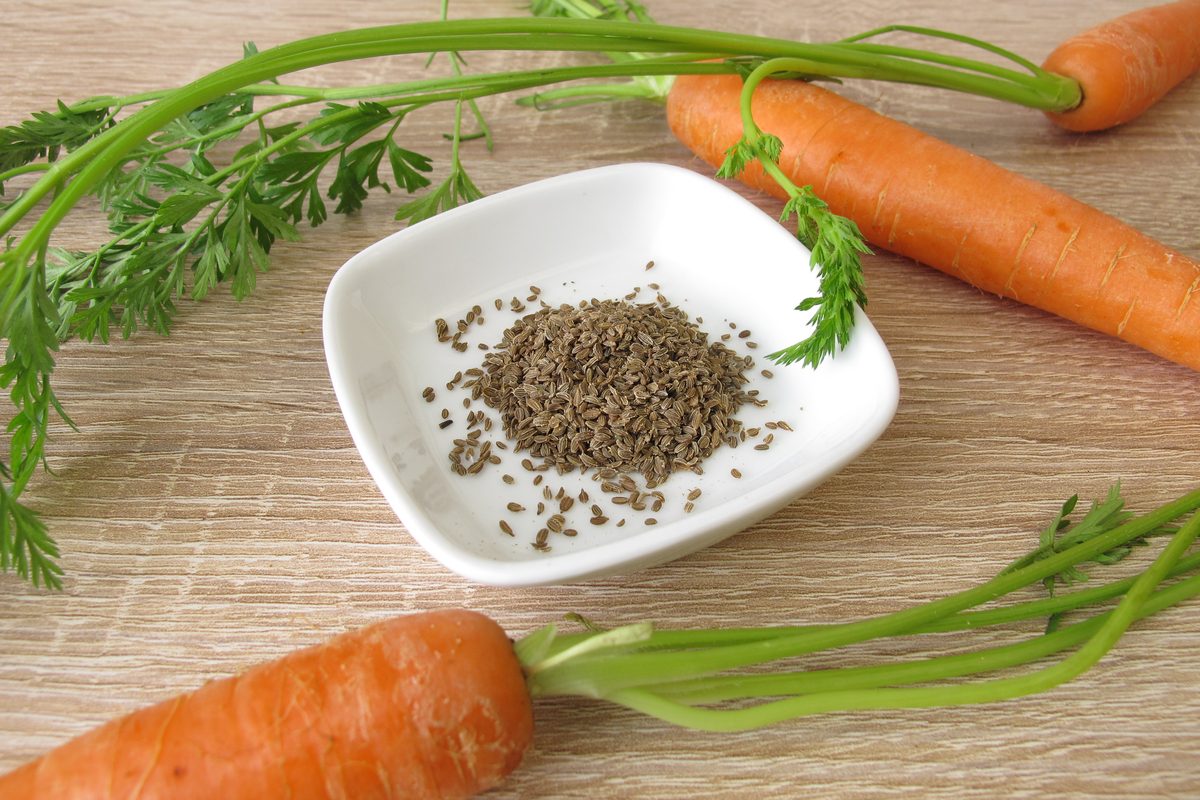
Carrots are biennial vegetables, so that means the roots and greens that grow this year will flower the next, and that’s when you’ll be able to harvest the seeds. This will mean sacrificing some of your crop to save for seeds, but will likely be worth it in the long run if you’re interested in growing carrots from seeds you harvested yourself. When the time comes, you can harvest individual seed heads and put them in a well-ventilated space, away from rain, to let them dry out for up to two more weeks. At that point, you can easily get the carrot seeds by rubbing the seed heads between your hands or on a fine mesh screen.
How do I know when the seeds are ready for harvesting?
You’ll know the seeds are ready for harvesting when the seed heads begin to turn brown and dry. This is when you’ll trim the heads off and set them aside until they fully dry out. An ideal place for these is in a small paper bag, where they’re protected from the environment but the container isn’t airtight. You can attempt to use a glass jar or plastic container if that’s what you have, but be wary that sealed containers protecting your seed heads will also lock in any excess moisture. If using plastic or glass containers, it’s best to leave them uncovered and store them in a dry, safe place until the seed heads are done drying out.
Are some carrots better for seeds than others?
As discussed earlier, you can attempt to use hybrid carrot seeds if you aren’t worried about the traits being identical to the ones you had in your original harvest; however, do keep in mind that hybrid carrot seeds may also fail to be viable at all due to the cross-breeding process that happens to create the carrot. If you want the best shot at having carrot seeds to harvest, and are hoping to continue the process for years to come, it would be best to choose a variety that is open-pollinated instead of hybridized.
Will all my seeds grow carrots next season?
Even with open-pollinated carrots, some seeds may not be viable. You don’t want to put all your carrots in one basket. You should save the seeds from at least five plants to have a good shot at viable seeds; if your intention is to maintain the process for future generations, you should save seeds from anywhere between 20 and 50 plants.
The most difficult part of how to save carrot seeds is waiting until the second year flowering. It may take a few harvests and a few seasons to get the practice down, especially if you aren’t saving seeds. But once you’ve figured out the timing and process, it will be a great investment in your plants and garden.