With cool winters and long summers, climate zone 6 offers a lovely and agreeable environment to grow a range of flowers, shrubs, fruits, and vegetables. If you aren’t familiar with this climate, then you might be confused about what to plant. Since it has cold winters, you’ll need frost-tolerant plants. However, some cold-hardy plants dislike the warmer summers of climate zone 6. If you live in zone 6 and want to know which plants will last in your garden throughout the year, here’s what you need to know.
Where is zone 6?
Wondering what climate zones actually are? The U.S. Department of Agriculture has developed the handy Plant Hardiness Zone Map to divide the country into areas based on annual minimum temperature ranges. Today, the map consists of 13 different zones. Specific regions will have unique climates, but hardiness zones are a reliable general guideline for gardening. When a plant is “hardy” to a zone, it means that it will usually survive there over the wintertime. A perennial plant in a particular climate zone will last more than just one growing season in it, while an annual will die out after one growing season. When browsing for plants, check the labels to see the hardiness zone — this will let you know if that plant will last in your region.
Zone 6 stretches across the middle of the country in an upside-down arc shape. It runs down from the northwest from Washington to Utah, stretches across Midwest states such as Kansas and Missouri, and goes back up to northeast states such as Delaware and Massachusetts. Lows in zone 6 usually fall between -10 and 0 degrees Fahrenheit; this range is somewhat in the middle of the road for annual minimum temperatures, with zone 1 having -60 degrees Fahrenheit as its lowest and zone 13 having 60 degrees Fahrenheit as its lowest. Zone 6 is characterized by a long growing season with cool autumns and winters which can support cold-weather crops.
Zone 6 flowers and foliage
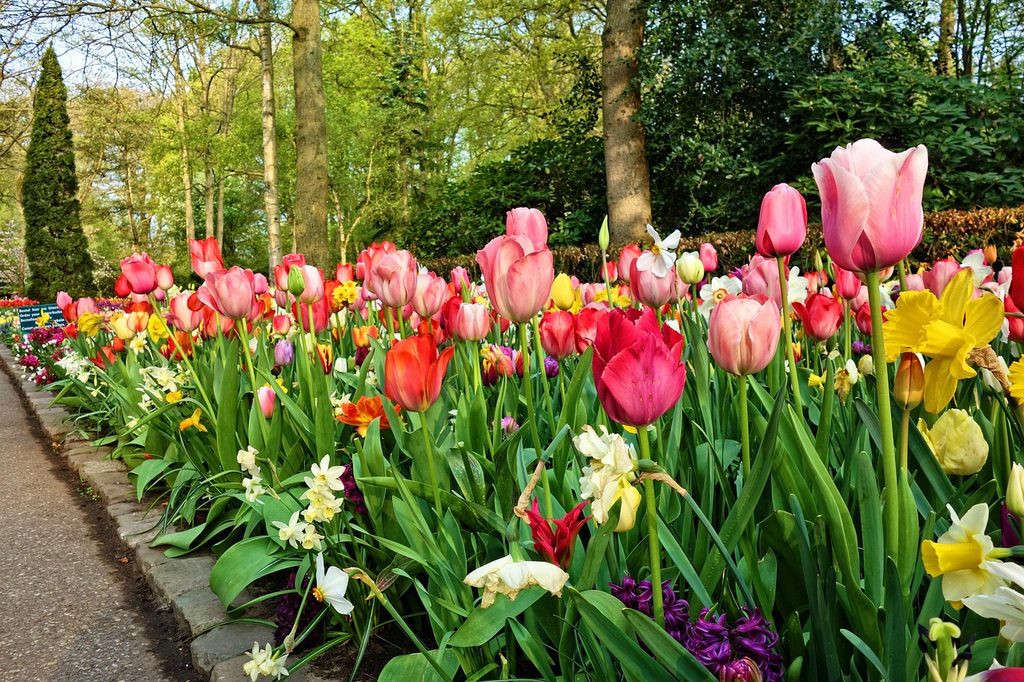
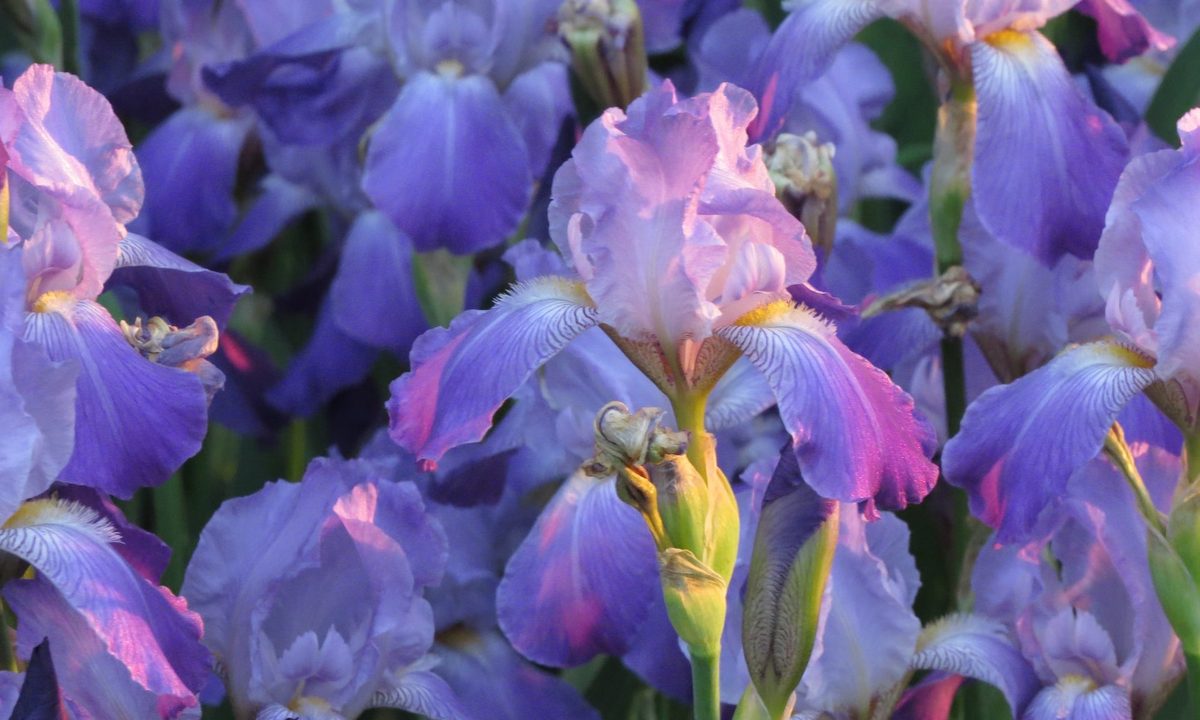
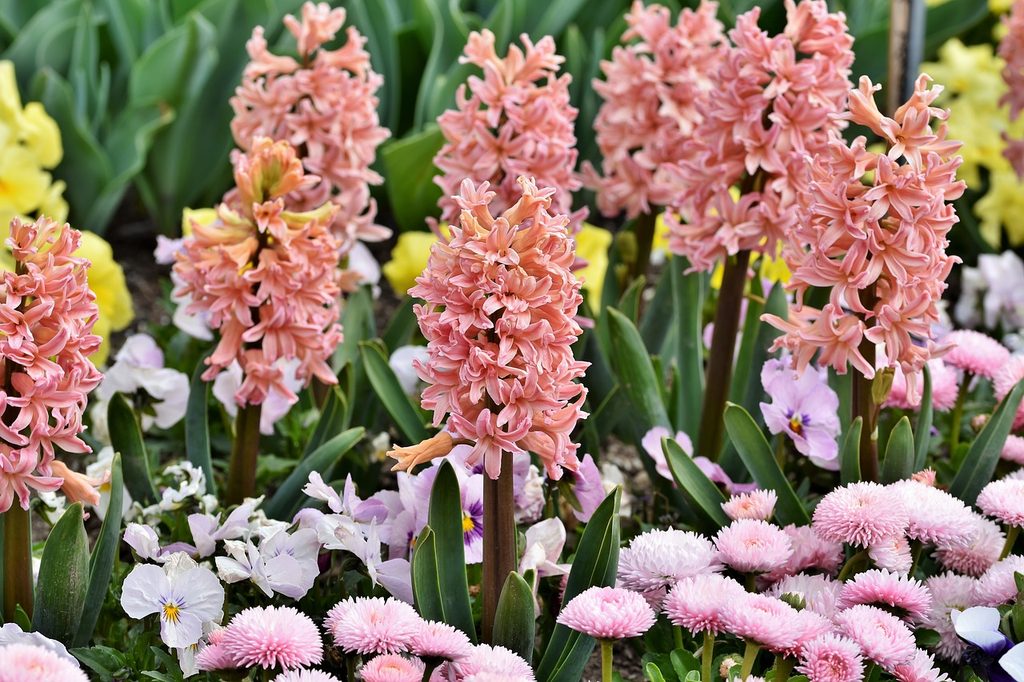
Zone 6’s cool winters and long growing seasons make it ideal for a range of different flowers and shrubs. Flowers especially appreciate the cold winters — bulbs such as tulips, irises, and hyacinths thrive in this region. Shrubs such as azaleas and crepe myrtle also benefit from a cooling period in the winter for robust growth in the spring and summer.
Zone 6 fruit trees
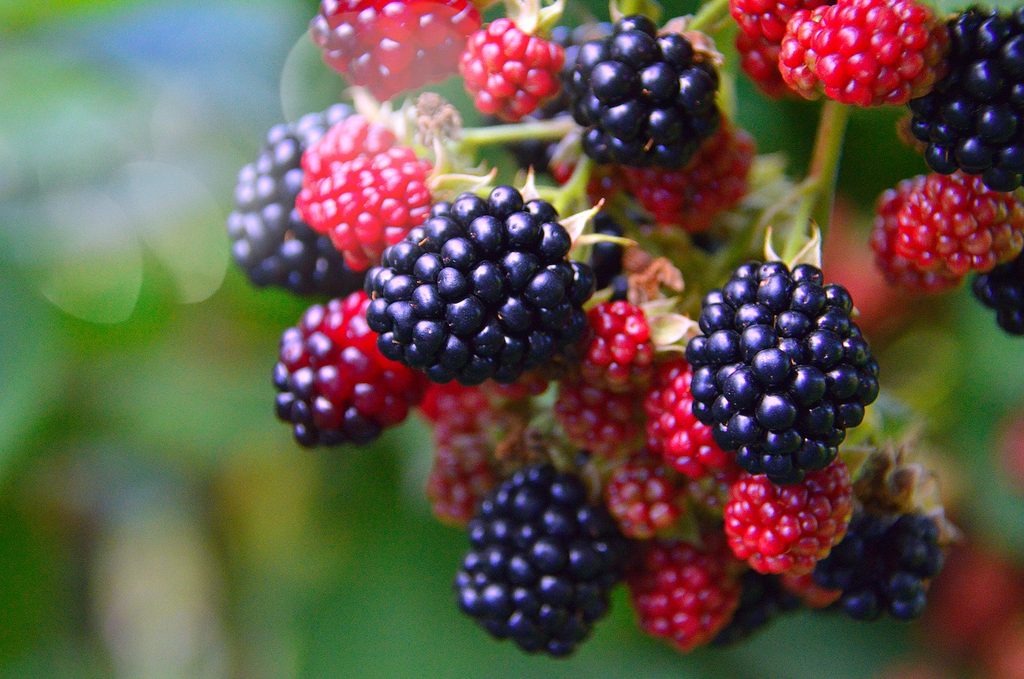
Because zone 6 features slightly freezing winters, it’s an excellent environment for fruits that need a cold period to flower and develop fruit. Though some fruit can only handle being annuals in zone 6, there’s still a lot you can plant. Suitable cold-hardy fruit trees include apples, European pears, and some peach varieties. Berries, such as raspberries, blueberries, and blackberries, can also do well in zone 6. To keep them warm throughout the winter, however, you’ll definitely want to do a bit of mulching.
In general, you can’t grow citrus fruit such as lemons and oranges in zone 6 since these plants prefer temperatures between 60 and 70 degrees Fahrenheit in the winter and can freeze once your thermometer hits the 20s. If you want to grow citrus plants, consider more cold-hardy varieties, such as satsuma oranges and tangerines.
When to start seeds in zone 6 and which vegetables to grow

Start your seeds indoors about six weeks before the last frost date. For zone 6, this last frost date usually hits some time at the beginning of April. A couple weeks before this date, you can slowly start cold-weather crops such as lettuce and peas. Your plants should keep thriving until the first frost date, which usually falls around mid-October.
Once autumn rolls around, you can still grow cold-hardy plants such as garlic and perennial onions. In cooler weather, it’s also possible to overwinter leafy greens (such as kale and collards) with protective frost covers. Just be aware that you won’t see much growth until spring.
What are the easiest plants to grow in climate zone 6?
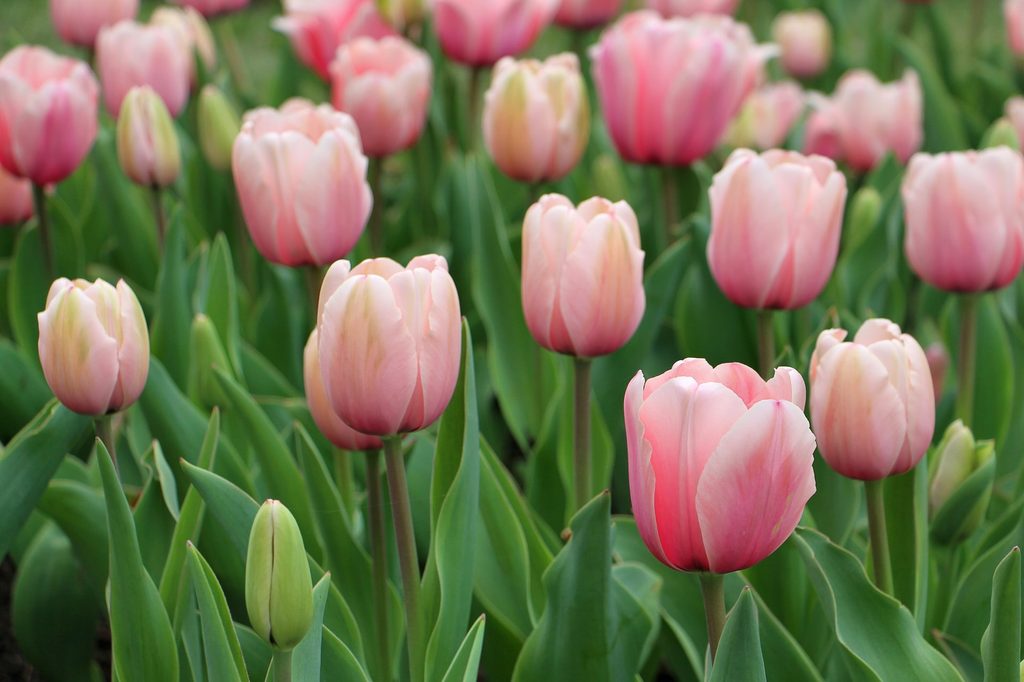
If you’re a beginner and nervous about starting your first garden, or perhaps just busy and unsure how much time and effort you’ll be able to devote to it, then you’ll be wondering which plants are the easiest to grow in climate zone 6. Flower bulbs are some of the simplest plants to start. Tulips, daffodils, hyacinths, and irises will all grow and thrive in climate zone 6, and they don’t have any complicated care requirements.
Native wildflowers like purple coneflowers, coreopsis, asters, and black-eyed Susans are also beautiful and incredibly easy to grow. Larger plants, such as shrubs and trees, tend to be more difficult, but low-maintenance options like dwarf confiers, holly bushes, and American boxwoods are excellent choices.
With a climate zone 6 garden, you can grow many plants as hardy perennials as well as annuals. For a beautiful flower bed, you can’t go wrong with tulips and irises. Craving delicious fruit? Crisp apples and pears happily thrive in this region. While you may need to take out the frost blankets and row covers from time to time, strategically planting your seeds and selecting cold-hardy flowers and trees will ensure that your garden thrives throughout the year.