There are 13 climate zones on the USDA Plant Hardiness Zone Map, and zone 9 offers one of the best areas to grow fresh produce, including several fruits that you probably already love. Long summers and mild winters define this region, which stretches across the southernmost part of the U.S. Though the short winters can pose challenges for plants that require a chilling period to grow and bloom, the extended growing season in this area is welcoming for fruit growth. Long story short, there is never a shortage of zone 9 fruit trees to try out.
If you live in zone 9, pull out your favorite fruit recipes — below, we’ve put together a guide that tells you everything you need to know about zone 9, as well as the lush fruit trees that thrive in it!

What is a climate zone?
First things first: Let’s start by discussing what a climate zone is. Since the 1960s, the USDA has divided the country into sections, or “zones,” based on annual minimum temperature ranges with the USDA Plant Hardiness Zone Map.
While this division doesn’t account for the microclimates in each area, it can give a rough approximation of which plants are more likely to be perennial in a region. Here’s a quick primer on what perennial means: It’s basically a plant that can live for more than two years in an area. Annuals, on the other hand, die after a year. While temperature isn’t the only factor that can tell you whether a plant will thrive in your region, it’s still a pretty good gauge.
Where is zone 9?
For the most part, zone 9 consists of states in the country’s southernmost region, including California, Arizona, Texas, and Florida. On the USDA’s map, its annual minimum temperatures officially fall between 20 and 30 degrees Fahrenheit. Zone 9 is known for its long, hot summers and mild winters.
The longer summers mean extended growing seasons, so this zone can be a habitable spot for many plants. However, the mild winters can pose a hurdle for fruit trees that need a lengthy “chill requirement,” or a minimum period of temperatures below 45 degrees Fahrenheit to blossom and develop fruit.
So which fruits can actually survive in zone 9? There are quite a few zone 9 fruit trees you can grow, so we’ve compiled a list of the very best fruit trees for this zone!
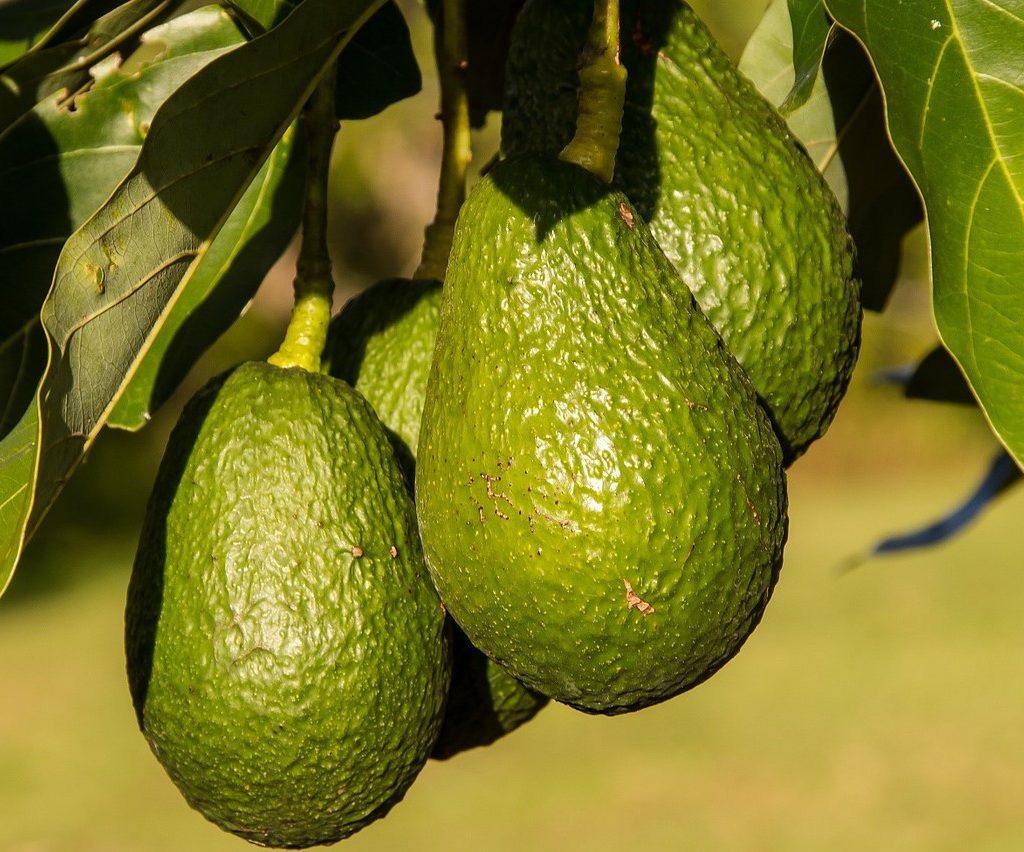
Avocados
Delicious in smoothies and guacamole, avocados do well in warm, subtropical environments, thriving in zones 8 through 11. The varieties that flourish in zone 9 include the Mexican (such as Fuerte, Mexicola, and Stewart) and Guatemalan (such as Bacon, Hass, and Reed) kinds, which are known for being cold-hardy avocado varieties. Avocado trees appreciate well-draining soil, 6 hours of full sun a day, and thorough weekly watering. While they’re not fussy plants, you may need to wait three years or longer to see fruit.
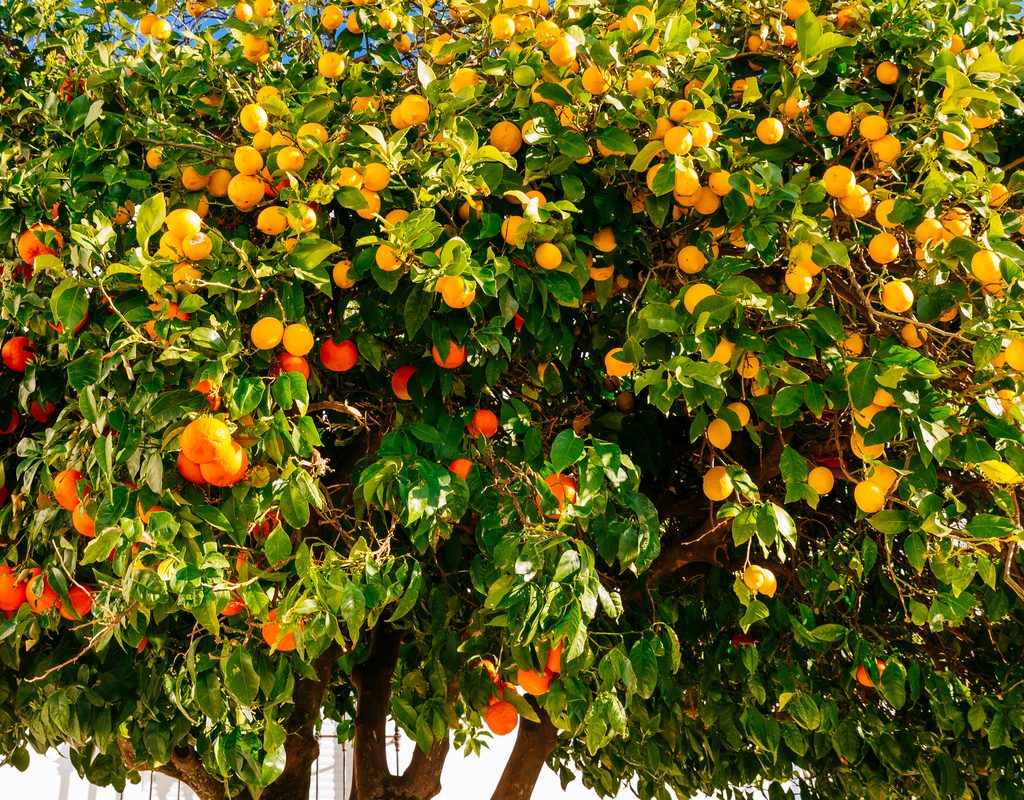
Citrus fruits
Want freshly squeezed juice year-round? Grow a fresh lemon tree! Many citrus plants, such as limes, lemons, and oranges, will do very well in zone 9. Citrus trees appreciate well-draining soils with a balanced fertilizer mixed in. Many citrus trees are ready for harvest around winter, but some, such as lemons and limes, can produce fruits throughout the year. And if you’re looking for fast-growing fruit trees in zone 9, Meyer lemons should be on your list of varieties to consider.
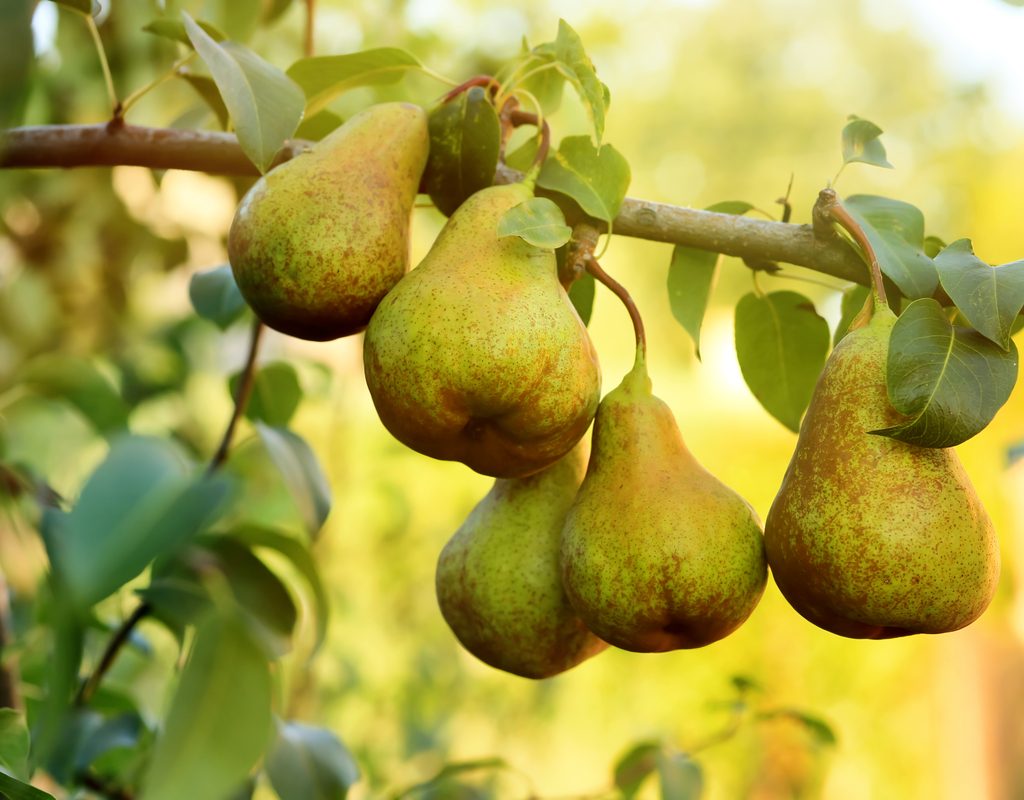
Pears
Get ready to make delicious pies, preserves, and other snacks — both Bartlett and Asian pears (such as Shinseiki and Hosui) do well in zone 9. With bright light, well-draining soil, and sufficient air circulation, you can grow juicy pears in no time. Pear trees don’t typically need too much feeding, especially if you already have fertile soil. Popular in autumn recipes, pears can be harvested between August and October. When they’re ready for picking, most pears should be slightly yellow and still somewhat firm.
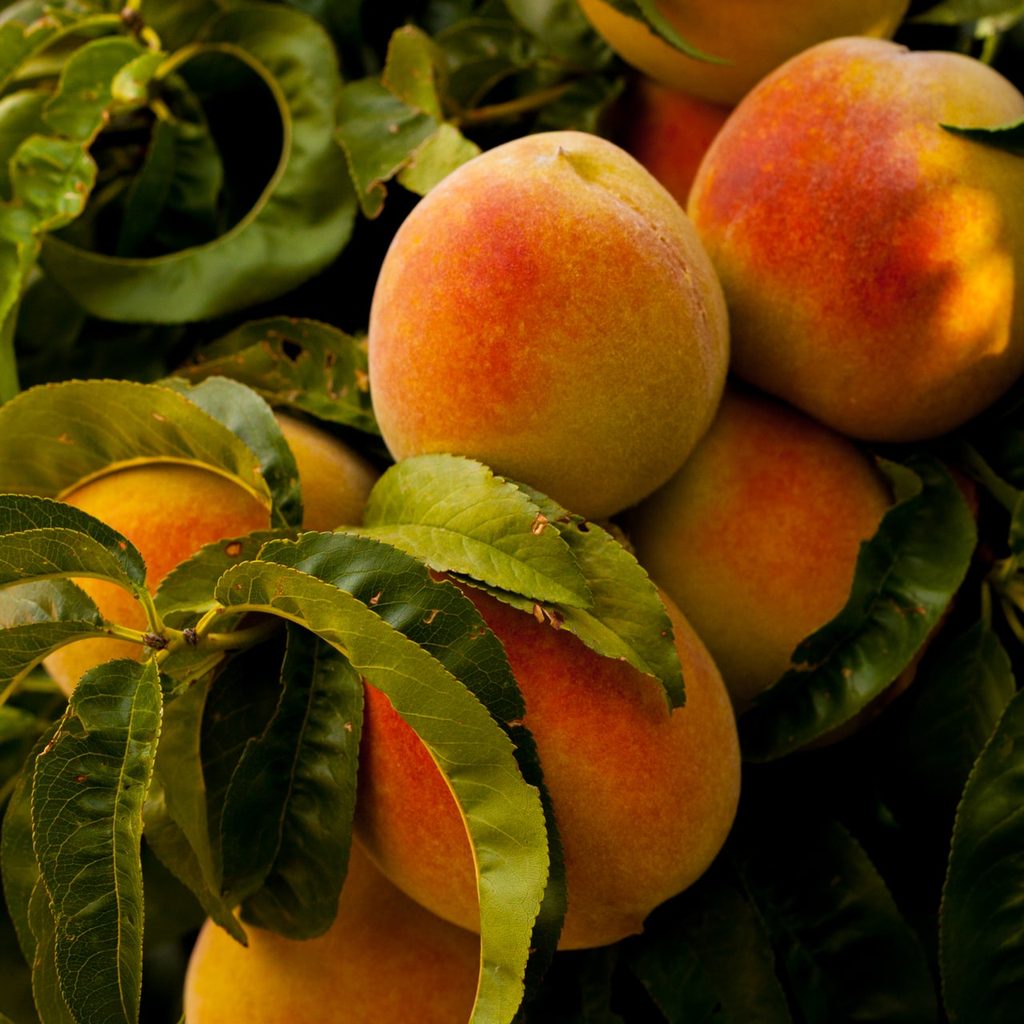
Peaches
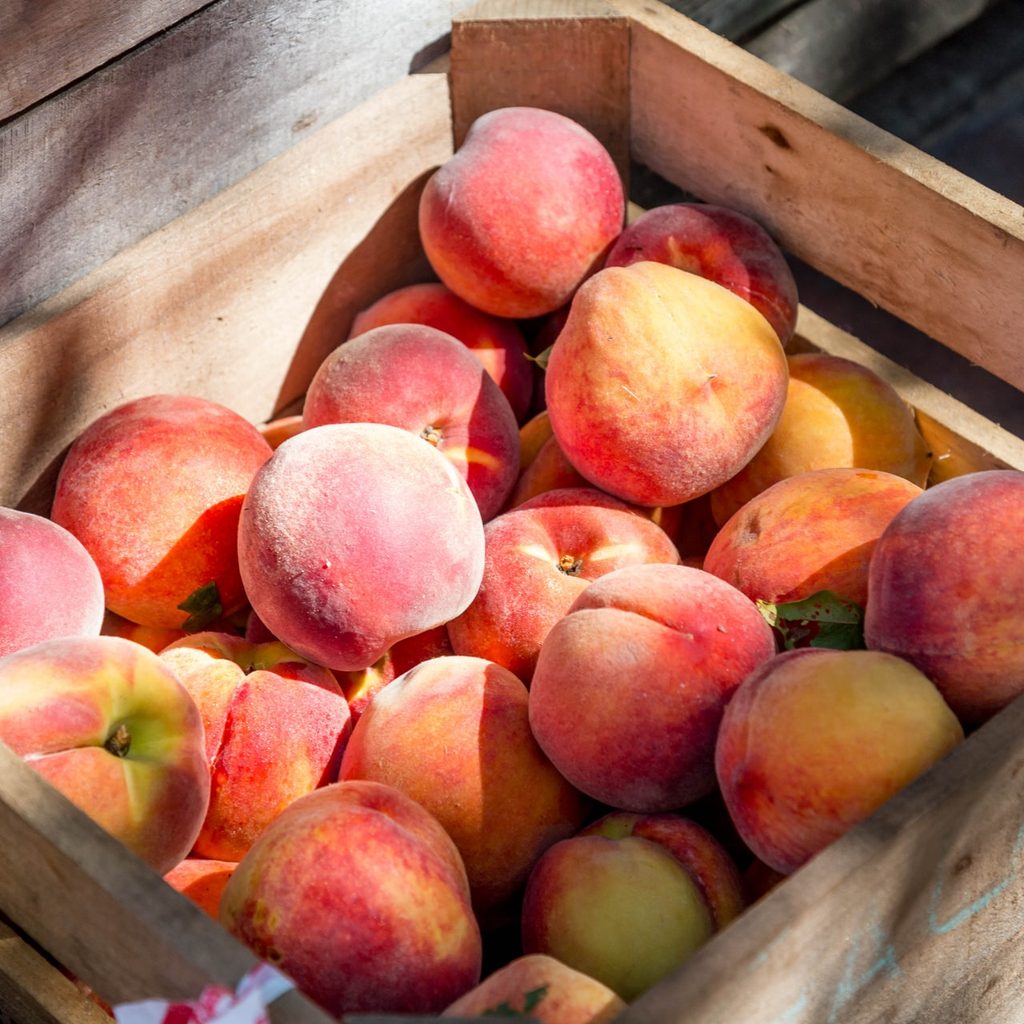
Whether you bake them into your cobblers or eat them freshly picked, peaches are the quintessential summer fruit. While some varieties of peaches need a long chilling period, you’ll be able to grow many hardy types (including O’Henry, Suncrest, and Topaz) in zone 9.
Keep your tree in an area where it receives full sun and plant it in well-draining and slightly acidic soil. Six weeks after you situate your peach tree, feed it with a balanced fertilizer to keep it healthy and strong. As your peach tree grows, prune the leaves so your plant can properly invest energy in developing fruit. After your tree blooms and produces fruit in the spring, you can harvest peaches from late June through August.
Cherries
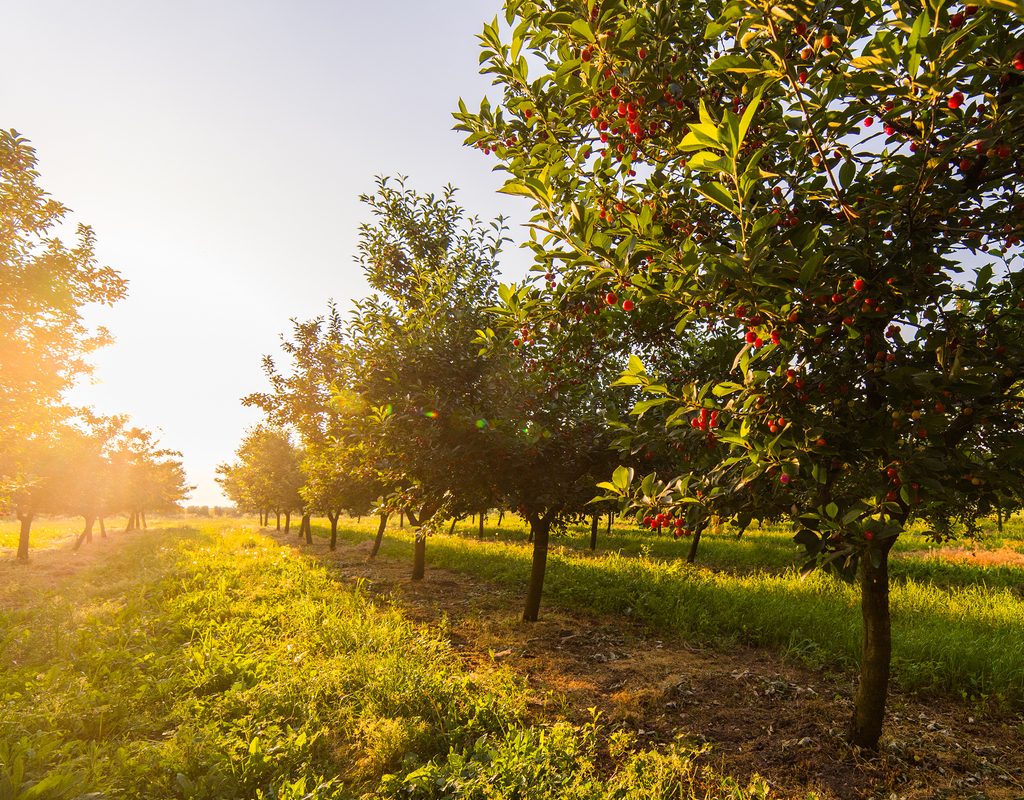
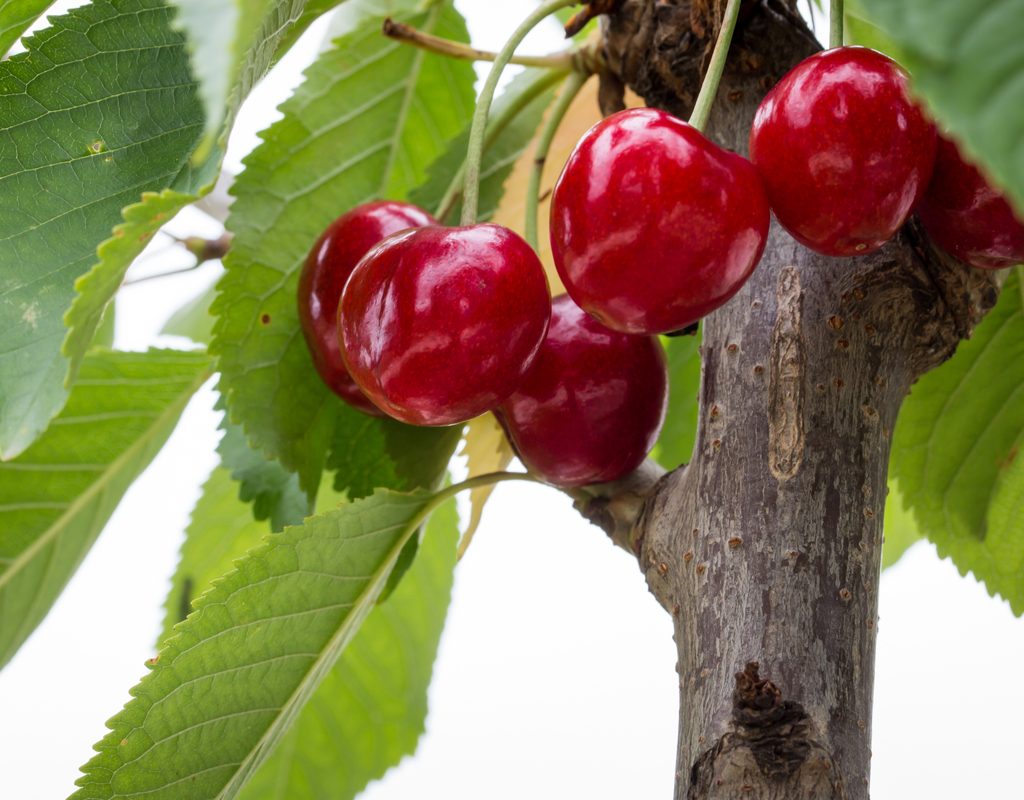
No matter if you like them as preserves or in galettes, cherries can make for mouth-watering sweet treats. The warm, bright days in zone 9 don’t pose an issue for sun-loving cherry trees, but you want to consider chilling requirements — sour cherries may not do as well in zone 9 because they need long chilling periods. If you’re looking for cherry tree varieties with low chill requirements, keep an eye out for Royal Crimson, Lapins, and Stella.
Cherry trees thrive in fertile, well-draining soil. In zone 9, you may want to improve your soil structure by adding organic matter — think manure or compost — to it. Do be patient with your cherry trees — they can take about four years to start bearing fruit. After your cherry tree puts out buds, fertilize it with a low-nitrogen plant food.
From lemons to peaches, zone 9’s warm conditions make it an excellent region for a wide range of fruit trees. While many fruit trees do require a cooling period in the winter, you’ll more likely than not find a variety or two that thrive in zone 9. After picking out the right zone 9 fruit trees for your home and property, take the time to understand the plants’ soil, light, and water needs. With patience and due diligence, you’ll be cutting, squeezing, and canning delicious fresh fruit before you know it!