When spring and summer arrive, climate zone 8 is a region where beautiful flowers and delicious harvests flourish. If you live in the Pacific Northwest or the southern part of the United States, then this is likely your hardiness zone. These areas enjoy mild winters, with the lowest temperatures dipping between 10 and 20 degrees Fahrenheit.
Summers are long and warm, which are ideal for plant growth. Zone 8’s conditions, especially its extended growing season, make it most fitting for many veggies and fruits. Here are the best zone 8 plants and tips on growing them.
What to know about climate zone 8
So what is a climate zone? Before we get into zone 8, let’s first break down the definition of a climate zone. A climate zone, or plant hardiness zone, refers to an area with a distinct climate. It’s defined by annual minimum temperatures that serve as guides to which plants will grow in it.
The United States Department of Agriculture developed the Plant Hardiness Zone Map in the 1960s, by taking decades of weather data to divide the country by average annual extreme minimum temperatures, starting with 1 as the coldest and 13 as the warmest.
Hardy plants in zone 1 can withstand extremely cold temperatures, but hardy plants in zone 8 prefer warmer conditions. The map lets you know which plants will likely be perennials in your region. (Perennials, in case you need a refresher, refer to plants that grow back year after year.) Of course, the Hardiness Zone Map is a general guide since it can’t account for all the nuances in each defined region. However, many plant species stay relatively happy in zone 8 regions, as we’ll discuss below.

Zone 8 flowers
As you pick flowers for zone 8 gardens, look for species that can handle the heat and drought that go hand in hand with long summers. For a ground cover, add quick-growing and drought-tolerant creeping thyme that boasts aromatic foliage and lovely pops of color with white, pink, and purple blooms. If you adore beautiful flowers with extended blooms, consider garden phlox that you can plant in early spring.
Zone 8 is also an ideal region for tender summer bulbs that can’t tolerate freezing temperatures. It’s especially hospitable for many lily bulbs, including African, calla, and mariposa lilies — plant these around early spring, as well. Other popular flower choices are daffodils, hyacinths, hibiscus, peonies, salvia, and tulips.
Zone 8 fruits and vegetables
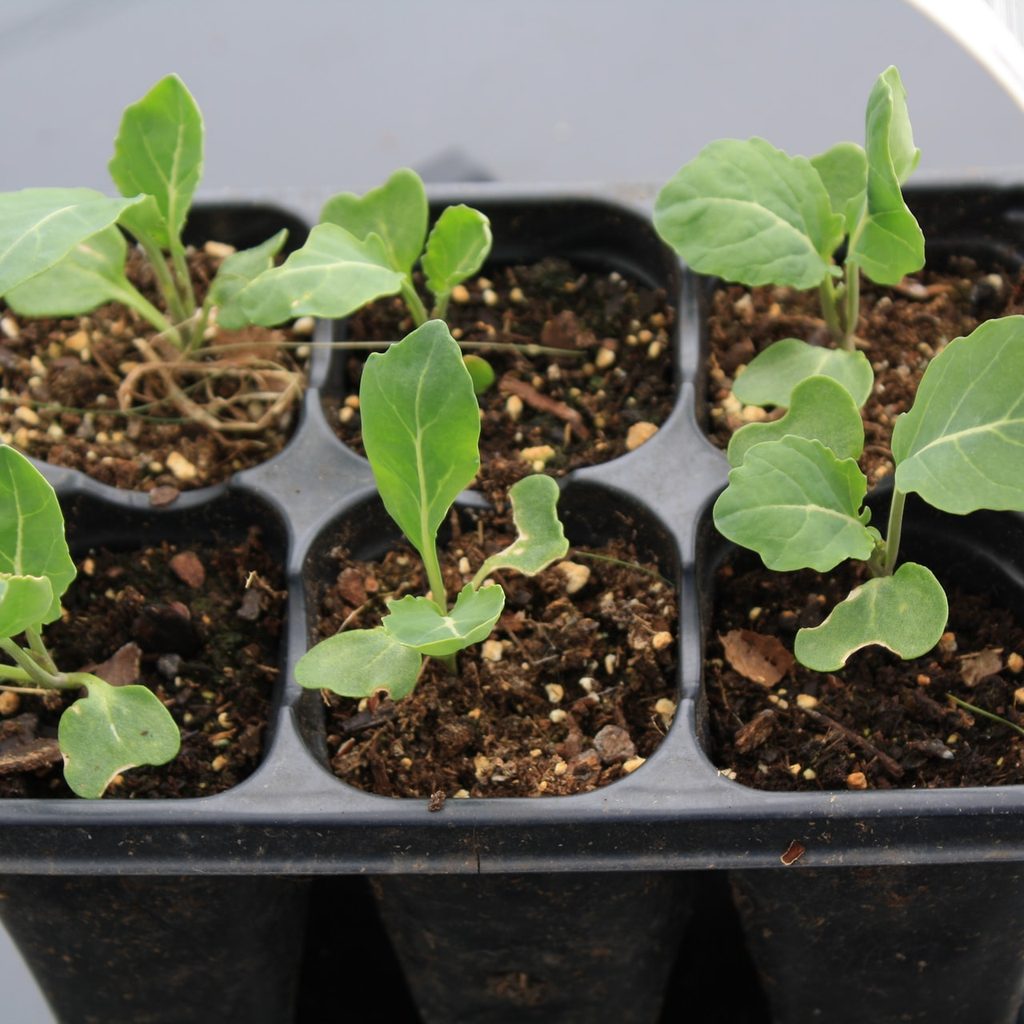
One of the advantages of zone 8 is that the long summer can accommodate more than just one growing cycle. Begin seeds for spring and summer vegetables for zone 8 as early as February — you’ll want to start indoors to avoid the final frost. By March and April, you can begin most seeds outside.
Planting veggies
Early spring is the time to plant broccoli, beets, cabbage, carrots, kale, lettuce, and spinach. You can plant beans, Brussel sprouts, corn, cucumbers, onions, peppers, squash, and tomatoes in late spring and early summer. If you plan to grow a second round of vegetables, start seeds again in August and September. It’s helpful to keep a gardening calendar to track everything you grow since each plant will have specific preferences.
Planting fruits
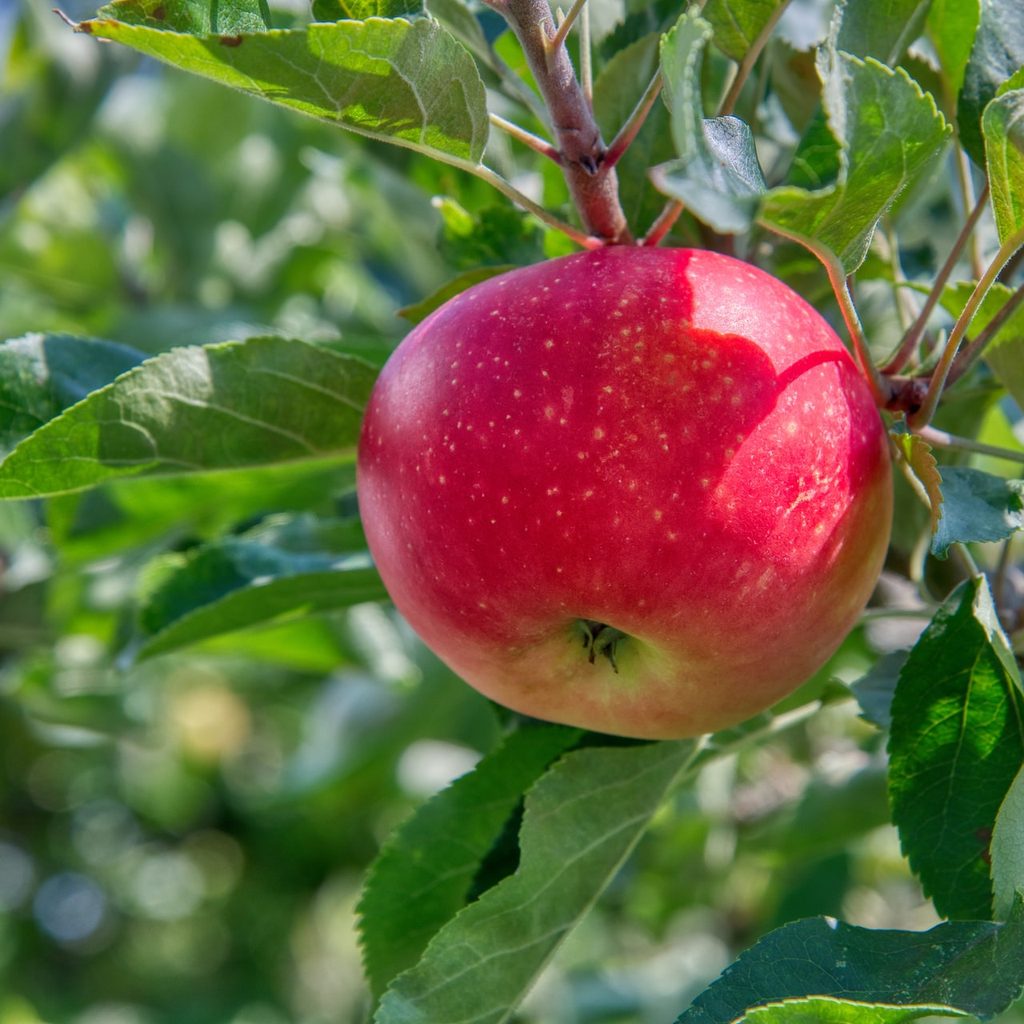
Zone 8 also provides the ideal conditions for many fruit trees to thrive. Popular trees include apple, apricot, pear, peach, cherry, and plum. Some lesser-known fruit trees that also flourish in this zone include banana, crabapple, and fig.
Besides yielding delicious fruit come summertime and autumn, many of these also feature lovely spring flowers that give your garden visual interest. This zone can also handle several types of citrus trees, such as orange, lemon, grapefruit, and tangerine.
Zone 8 ornamental grasses
To add texture and movement to your garden, try stepping up from lawn grass and artificial turf by incorporating ornamental grasses, which are lower maintenance than most edibles. From maiden grass to Japanese forest grass, many types of grasses are happy in zone 8.
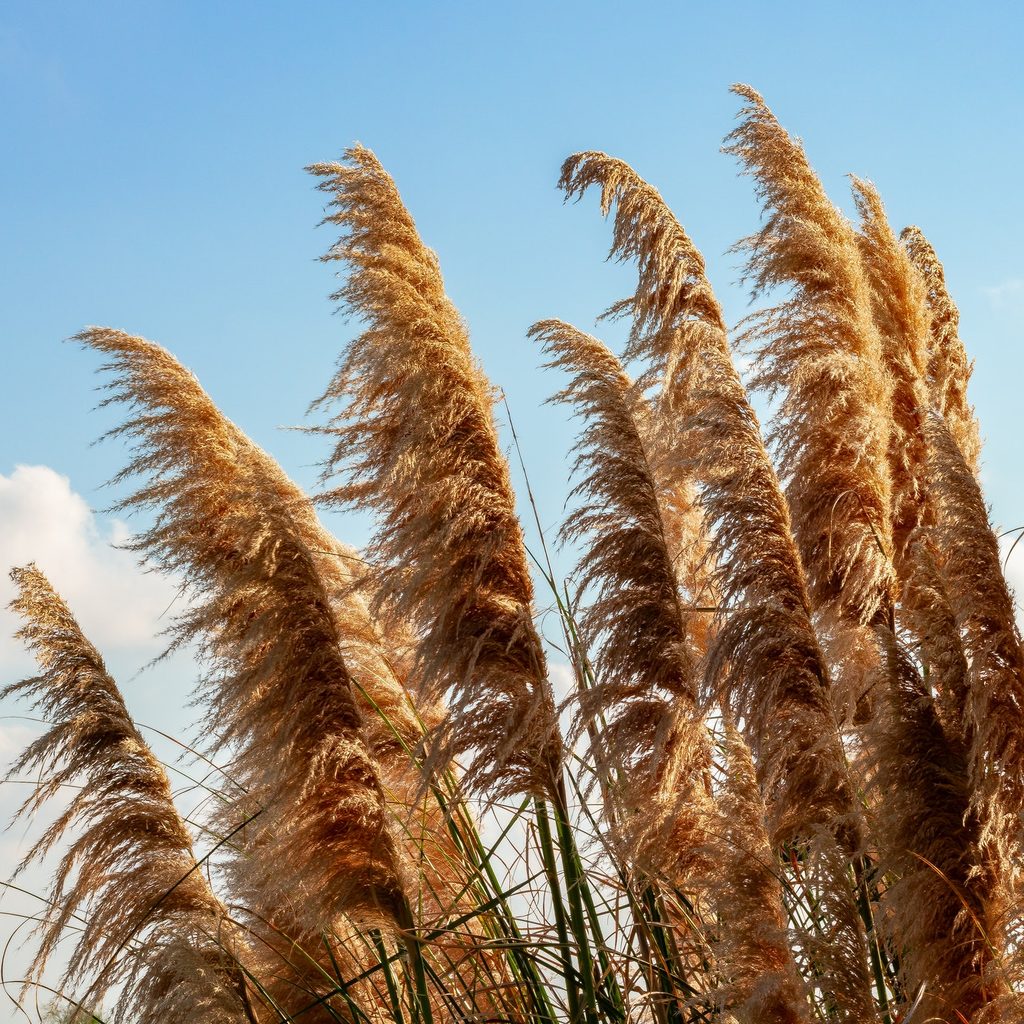
Perfect for warm zones, “Karl Foerster” feather reed grass features bright green leaves, feathery plumes, and purple or pink flowers. Pampas is another beautiful grass that’s hardy in the zone 8 region, flaunting stunning white flower plumes.
Ready to plan out the garden of your dreams? As you select plants to grow over the spring and summer, consider these staple flowers, fruits, vegetables, and grasses to build a lush and productive paradise in zone 8. While any gardening endeavor requires trial and error, plenty of great species have thrived in this area.